






A 65-inch TV often feels like a safe, middle-of-the-road choice. Big enough to feel cinematic. Not so big that it takes over the room. At least, that’s how it looks on the spec sheet.
In a living room, it’s a different story.
Once the screen is in place, many people realize the furniture underneath suddenly matters a lot more than expected. A TV stand that seemed generous online can feel oddly short. A wider one might feel heavy before anything is even turned on. It’s rarely the TV that’s the problem. It’s how everything sits together.
Choosing a TV stand for a 65-inch screen is less about finding a “correct” size and more about getting the balance right.
Why 65-Inch TVs Feel Harder Than Smaller Sizes
Smaller TVs are forgiving. You can pair them with a range of consoles and still end up with something that looks fine.
At 65 inches, that flexibility starts to disappear.
The screen takes up enough wall space that any mismatch becomes obvious. When the stand underneath is too narrow, the TV can feel like it’s hovering rather than settled. When the stand is oversized, the setup can feel crowded—especially in apartments where wall space is already doing a lot of work.
You’ve probably seen this before. Nothing is technically wrong, but something still feels off.
A Helpful Starting Point (Not a Rule)
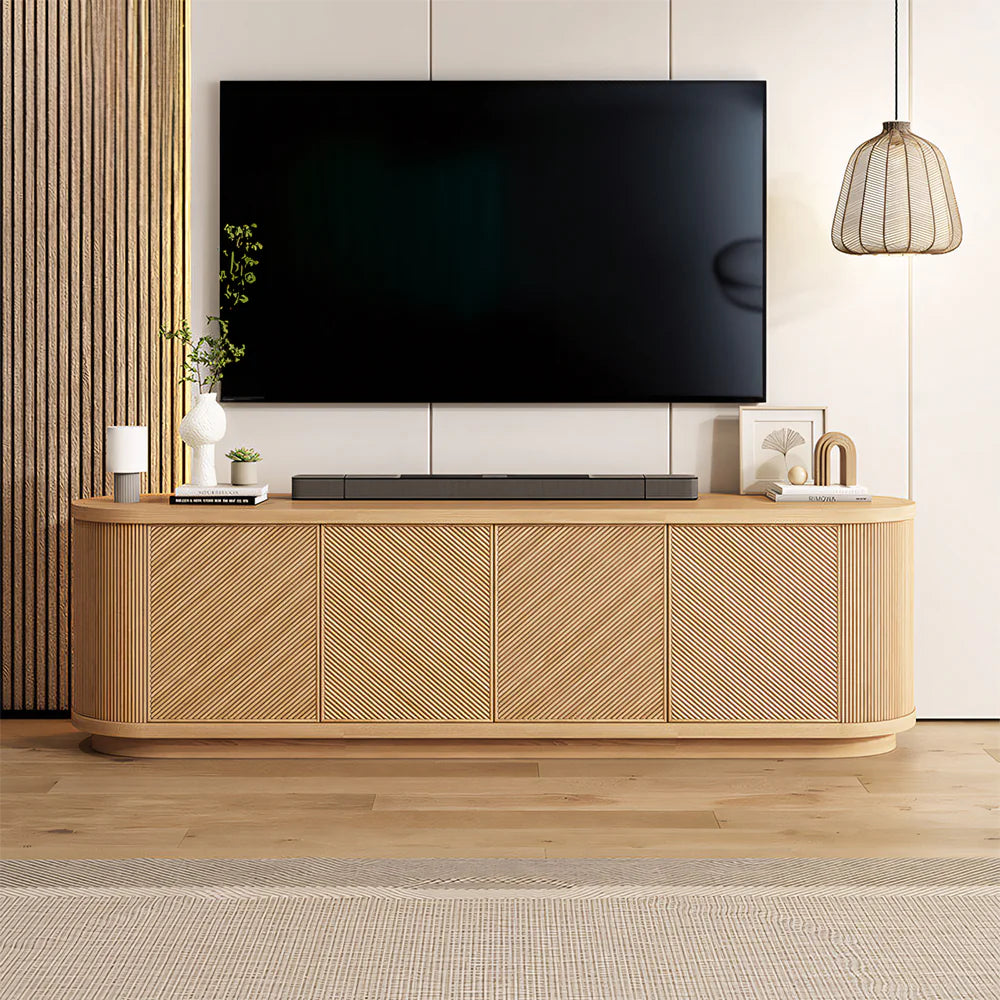
Most designers will tell you the same thing, quietly: it helps when the TV stand is wider than the screen.
Not dramatically wider. Just enough that the TV doesn’t feel like it’s balancing on a ledge.
That extra width gives the eye somewhere to rest. It also makes the screen feel intentional, rather than temporary—like it was placed there, not just dropped onto the nearest surface.
This isn’t about maxing out wall length. It’s about giving the TV a base that feels calm and considered.
What “65 Inches” Actually Means in the Room
The confusing part is that a 65-inch TV isn’t 65 inches wide. The measurement runs diagonally, which makes it hard to visualize when you’re standing in your living room.
Once the TV is on a stand, though, the width becomes very real. Add a soundbar, maybe a plant or a stack of books, and suddenly the footprint feels larger than you expected.
That’s why looking at numbers alone rarely helps. It’s the horizontal presence that matters, not the diagonal spec.
How wide should a TV stand be for a 65 inch TV?
A typical 65-inch TV is about 57 inches wide from edge to edge. Most setups look more balanced when the TV stand extends beyond that width, rather than matching it exactly. Even a few extra inches on each side helps the screen feel grounded instead of visually top-heavy. The aim isn’t to fill the wall—it’s simply to give the TV enough support to feel settled.
Let the Room Set the Tone
In a smaller living room, a TV stand that extends just a bit beyond the screen often feels right. It supports the TV without pulling too much attention away from the rest of the space.
If you’re working with a longer wall, a wider console can feel more relaxed. The TV doesn’t dominate, and the extra surface space makes styling feel less cramped.
Distance plays a role, too. When your sofa sits closer to the screen, proportion becomes more noticeable. A narrow stand can feel tense up close, while a slightly wider one tends to read as more settled.
Can a TV stand be the same width as a 65 inch TV?
It can, but it often looks tighter than people expect. When the stand matches the TV edge to edge, there’s little margin for error, and the setup can feel top-heavy once everything is in place. Even with a wall-mounted TV, a slightly wider stand tends to look calmer and more intentional, giving the screen a stronger visual base.
A typical 65-inch TV is about 57 inches wide. For a setup that feels visually grounded (not top-heavy), choose a stand that’s slightly wider than the screen.
- Gives the screen “breathing room” on both sides.
- Leaves space for a soundbar and a few styling pieces.
- Makes the whole setup feel more stable and intentional.
Tip: If your TV is wall-mounted, the same guideline still applies—extra console width usually looks calmer and more balanced.
Don’t Forget About Height
Width gets all the attention, but height quietly shapes how comfortable your setup feels.
If the TV sits too high, your neck will tell you. Too low, and the screen can feel disconnected from the seating area. The stand and the TV work as a pair here.
A simple check helps: sit down where you normally watch TV and notice where your eyes land naturally. A good setup doesn’t force you to look up or down—it just feels easy.
Storage and Visual Weight Matter More Than You Think
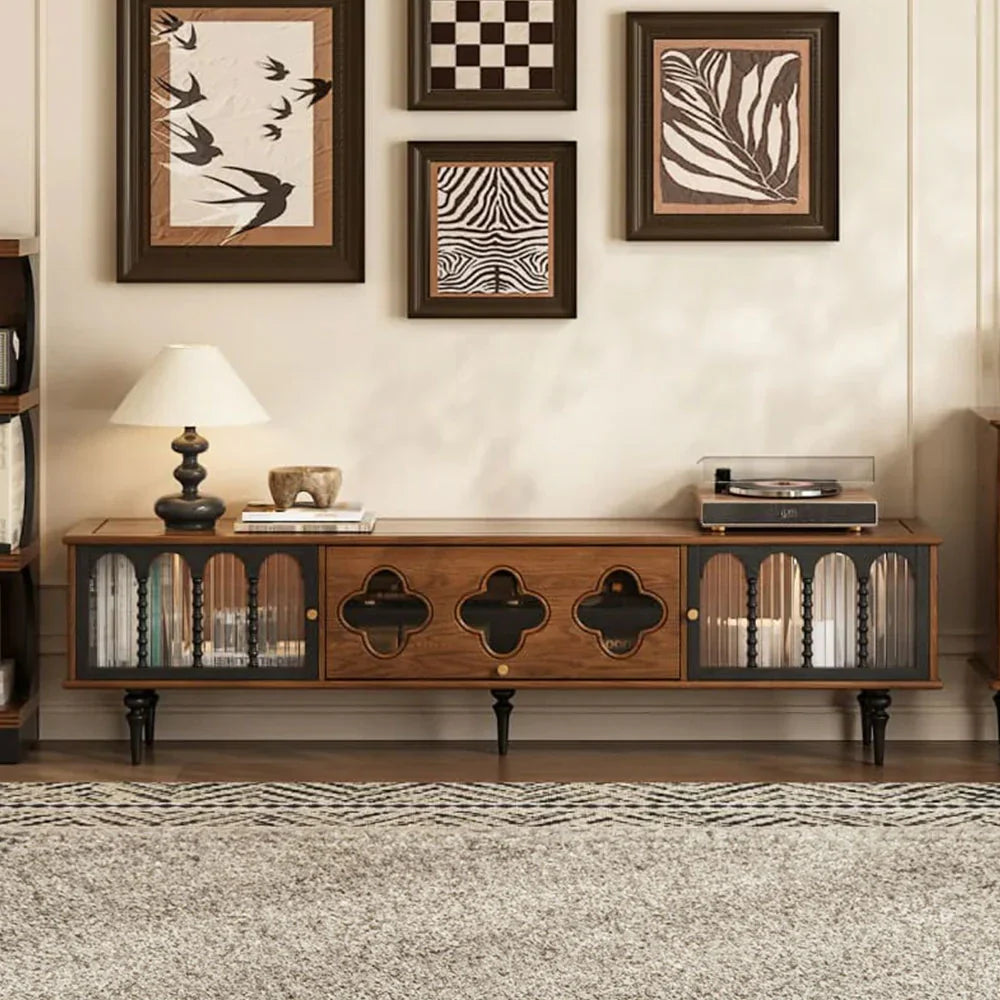
A TV stand is one of the largest pieces of furniture in the room. Even when it’s low, it carries visual weight.
Closed storage can make a space feel calmer, especially if you’re hiding cables, remotes, or everyday clutter. Open shelving can feel lighter, but it also puts more pressure on what you choose to leave out.
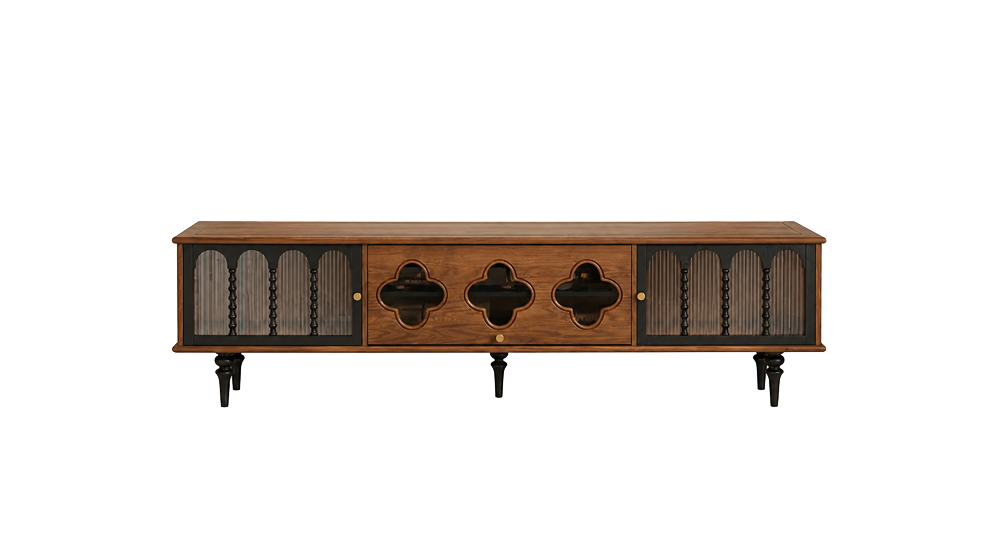
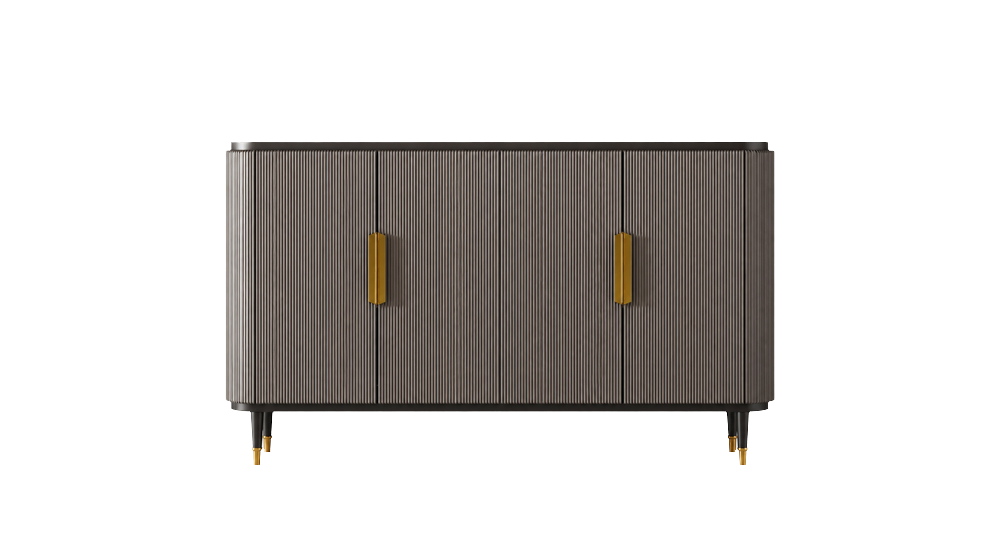
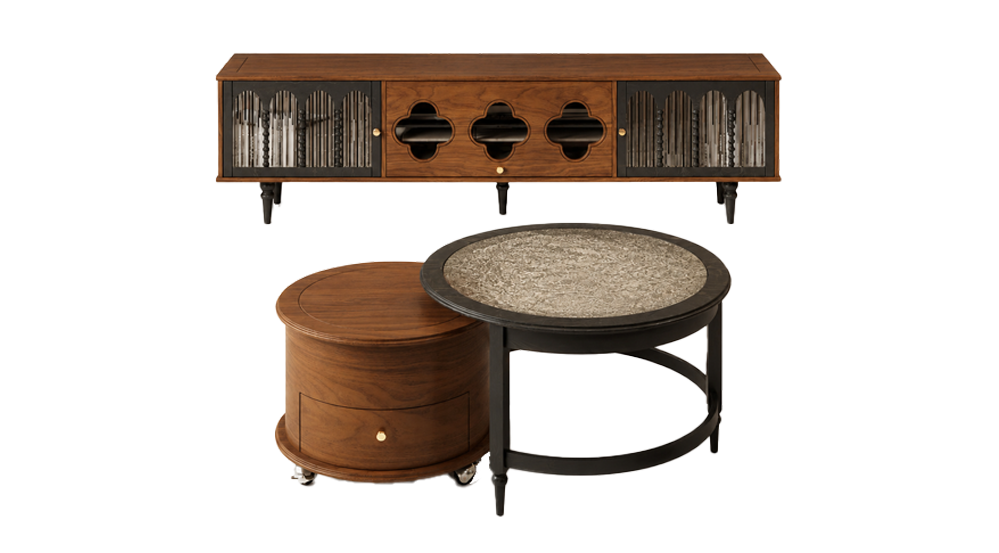
Details make a difference. Slim legs can help a wider stand feel less heavy. Solid bases ground the room, but they need breathing space to avoid looking bulky. The best designs support the TV quietly, without trying to compete with it.
A Simple Way to Check Before You Commit
Designers use this trick all the time.
Mark out the width of the TV stand on the wall or floor using painter’s tape. Then step back and look at it from where you usually sit. It’s surprisingly effective.
If the outline already feels tight or awkward, the finished piece probably will too. If it feels balanced before anything arrives, you’re likely on the right track.
Finding What Works for Your Space
There isn’t one perfect TV stand size for a 65-inch TV. What works depends on the room, the wall, and how you use the space day to day.
In most homes, a stand that’s wider than the screen, comfortable at eye level, and appropriate for the room’s storage needs will feel better than one chosen by numbers alone. When the proportions are right, the setup feels settled. When they’re not, it never quite relaxes.
That sense of ease is usually the best indicator you’ve chosen well.