
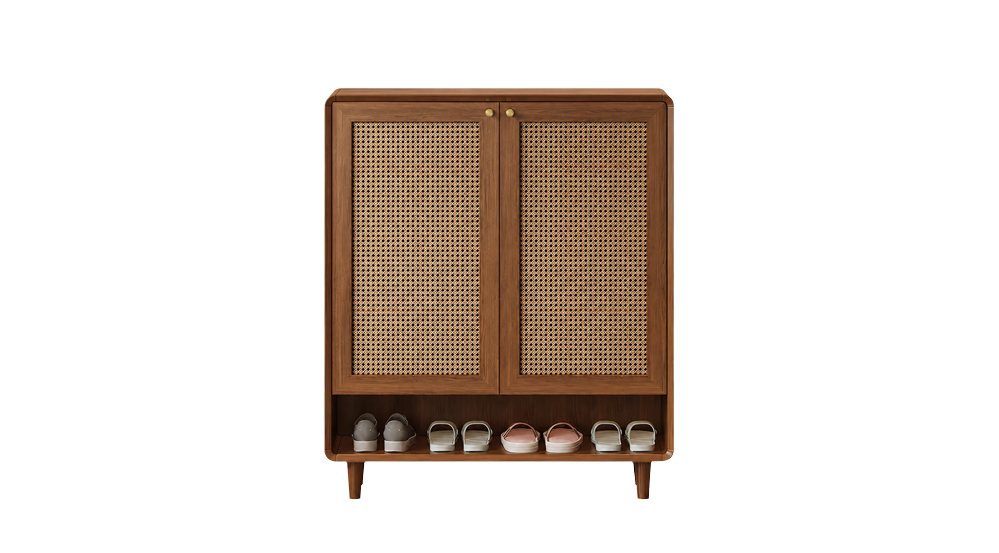
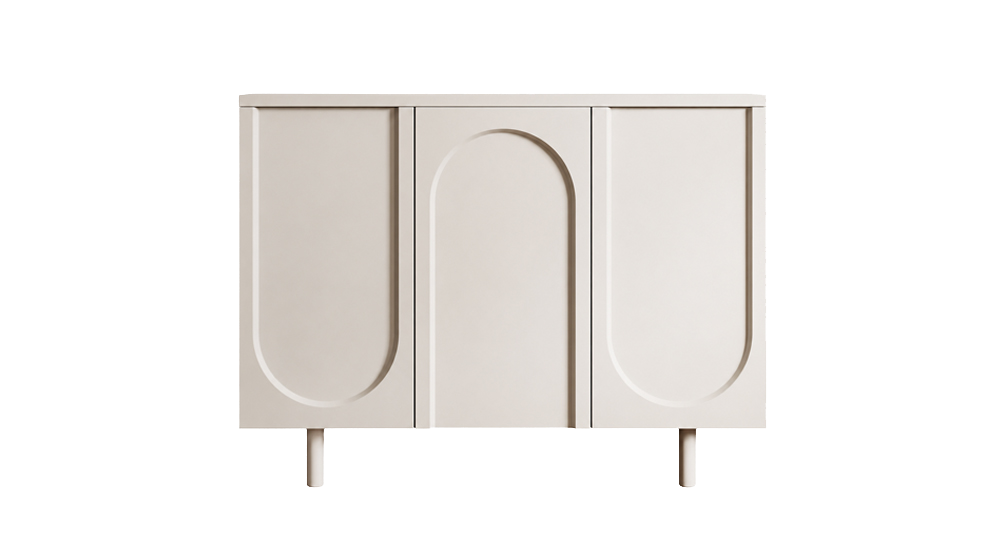
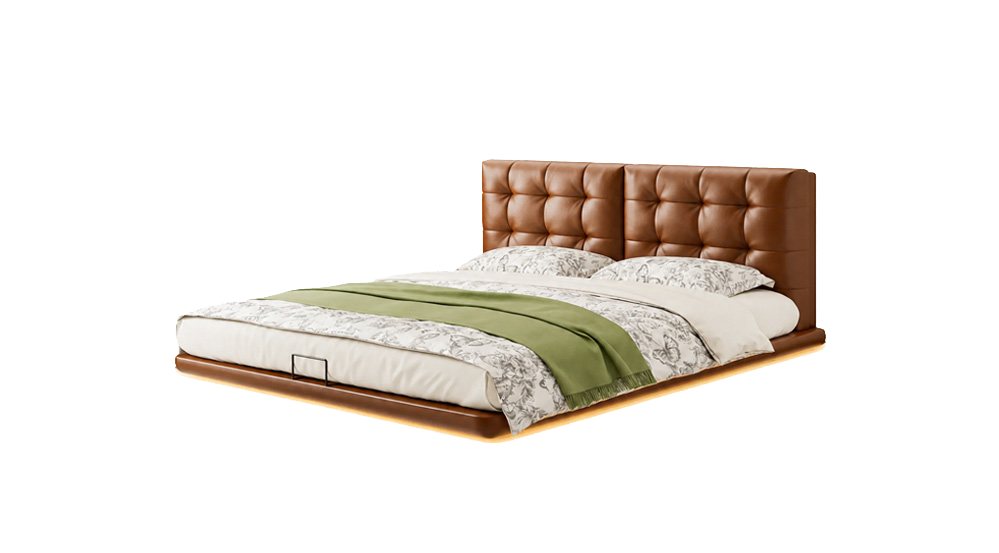
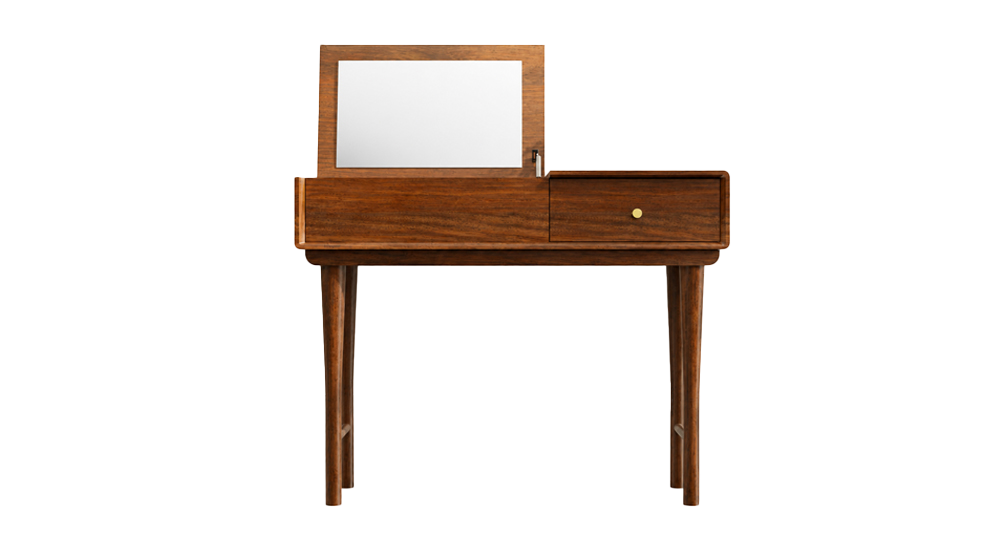
Tables

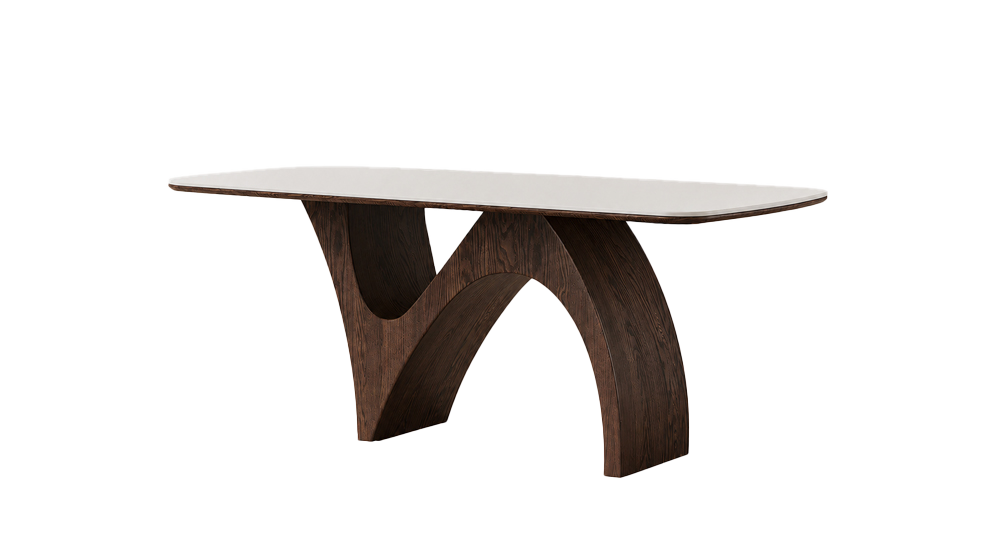
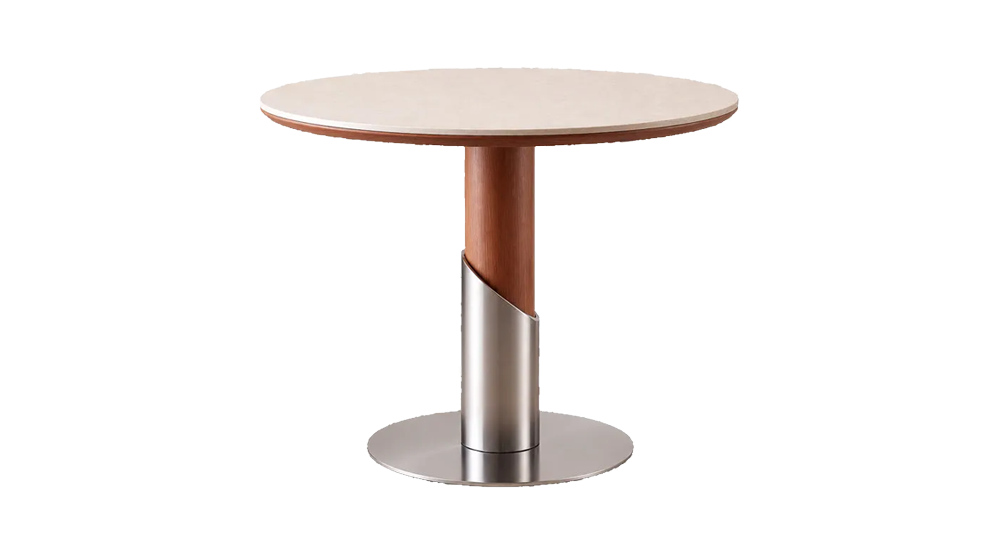
A table may look like a simple piece of furniture, but in real homes, it quietly does a lot of work. It’s where meals stretch longer than planned, laptops replace placemats, keys land at the end of the day, and conversations unfold without ceremony. At Arrtle, we design tables for how people actually live — not just how rooms are styled.

Every table in our collection balances form and function with intention. Whether it anchors shared moments or supports everyday routines, each piece is designed to feel natural in your space and reliable over time.

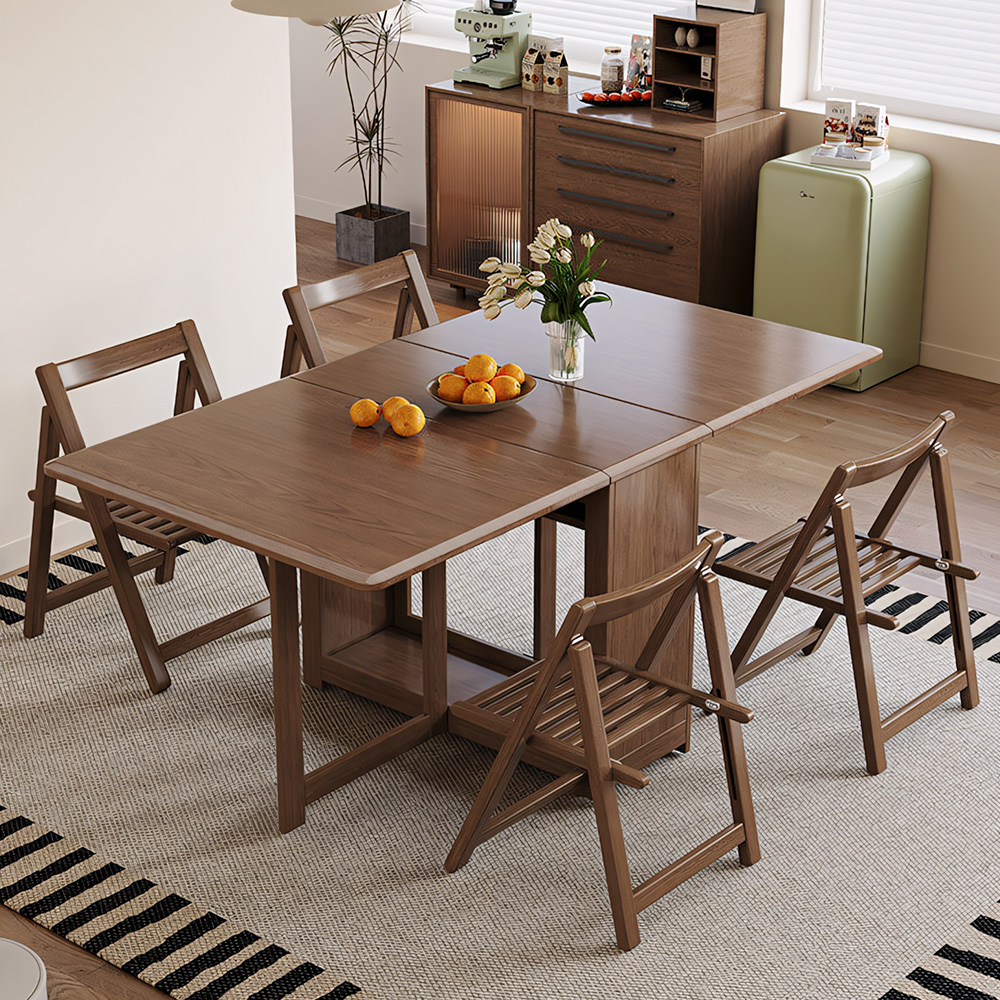
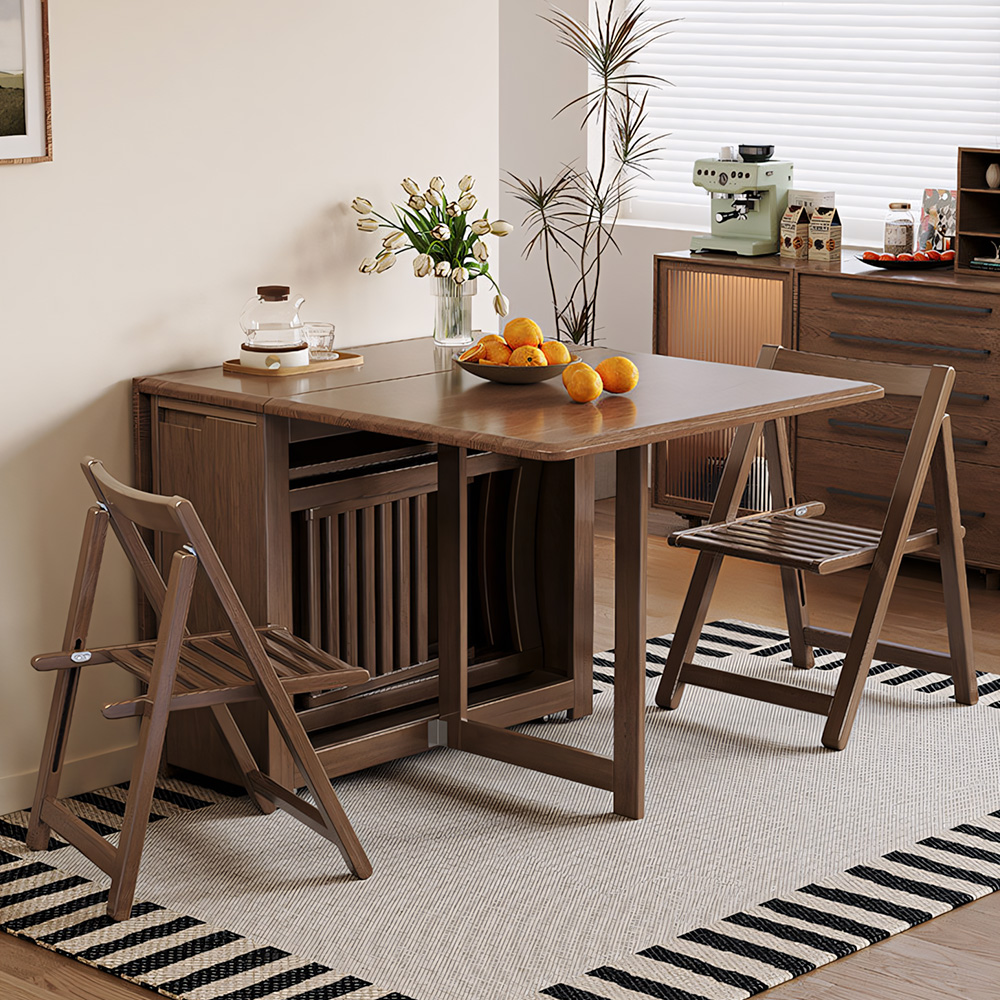
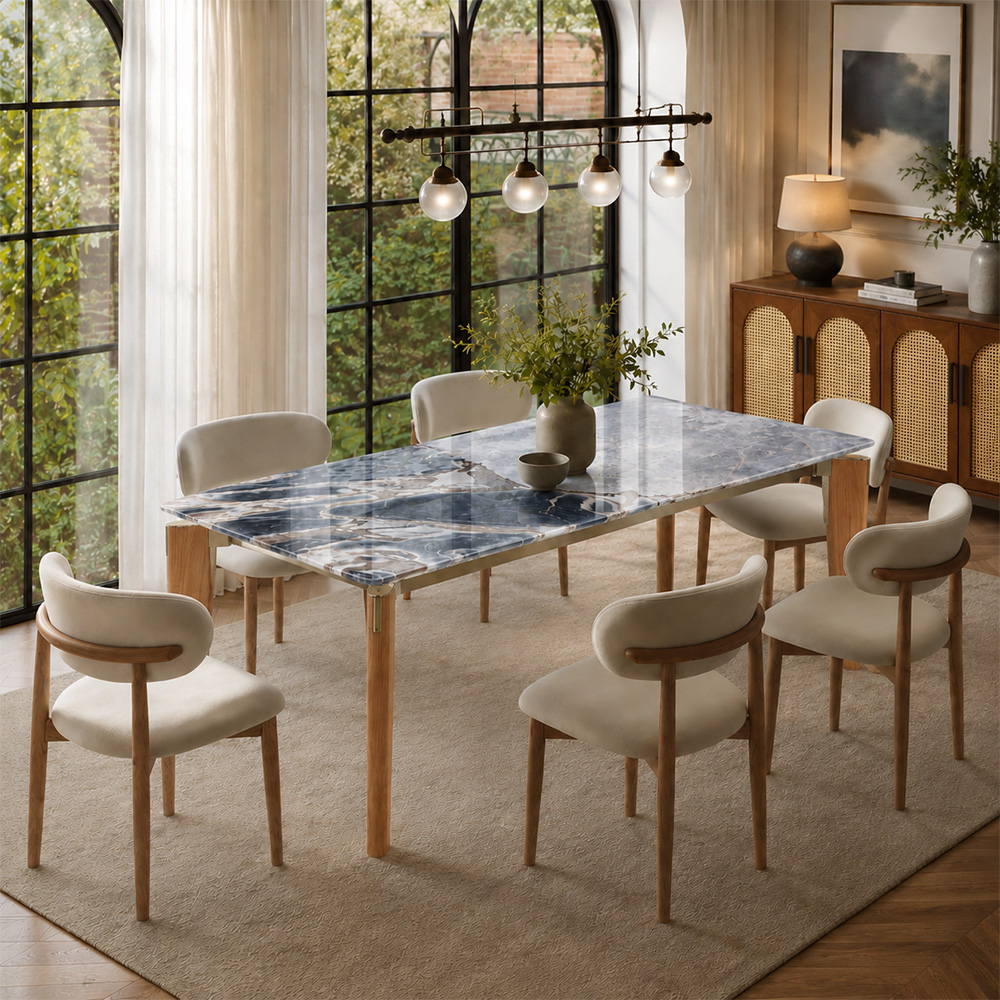
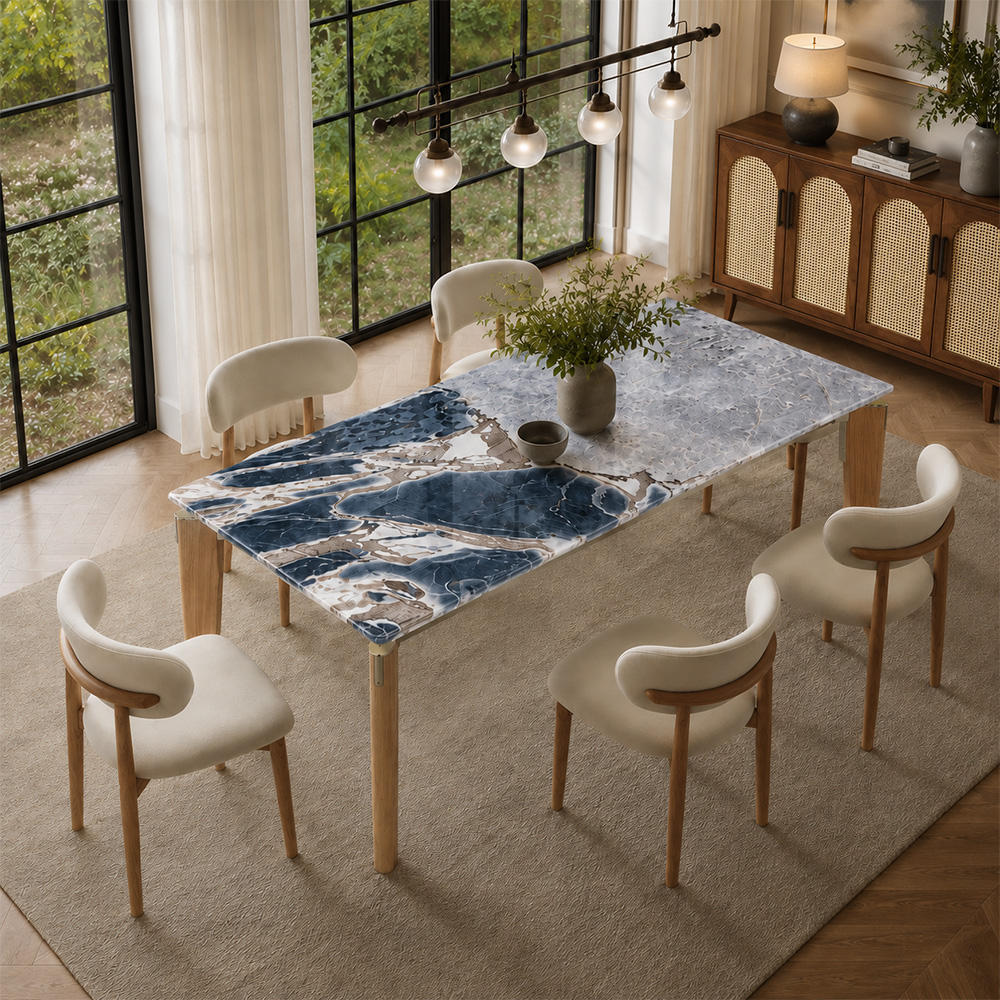
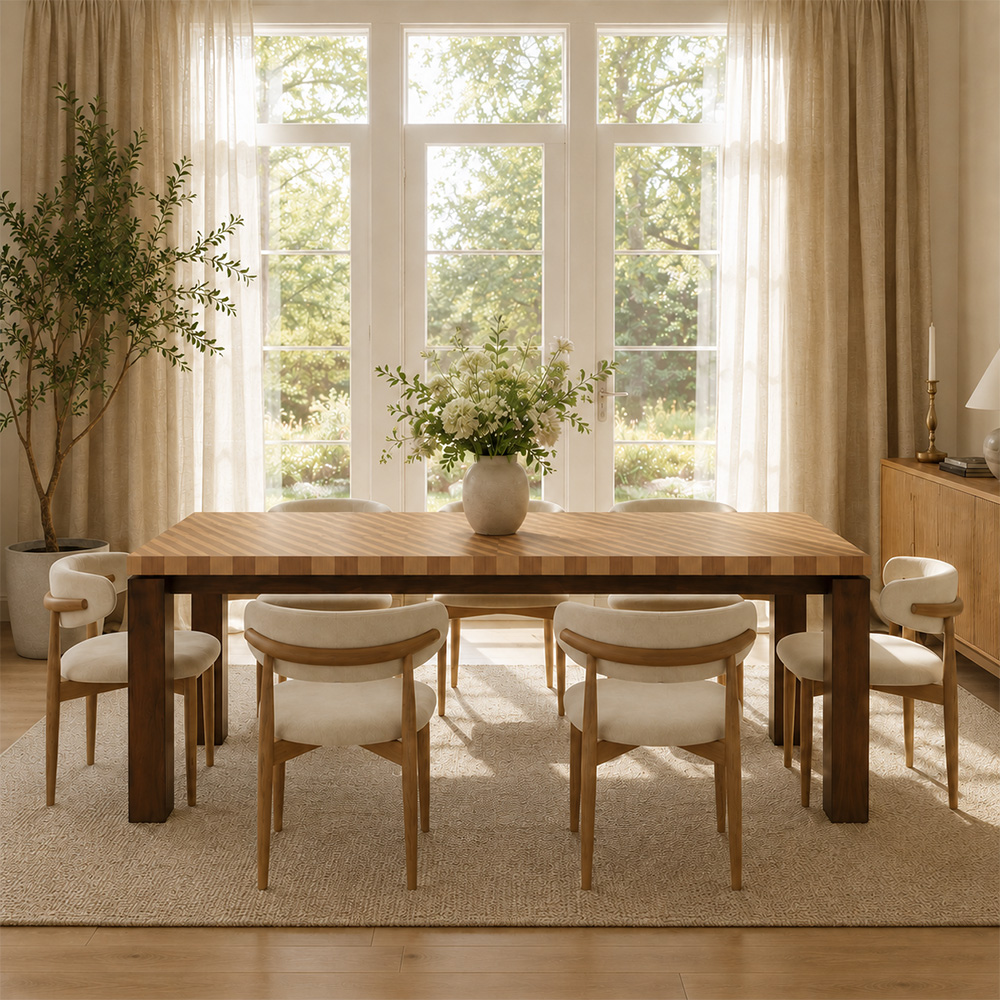
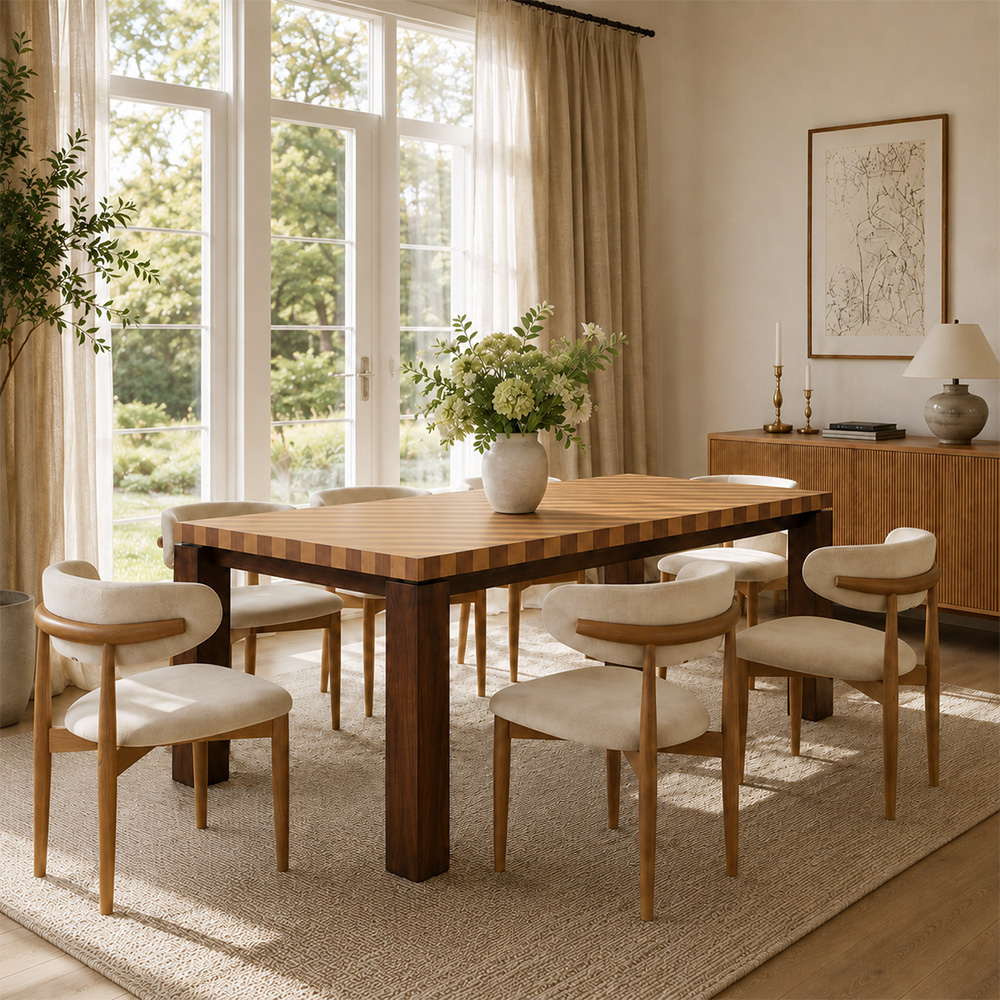
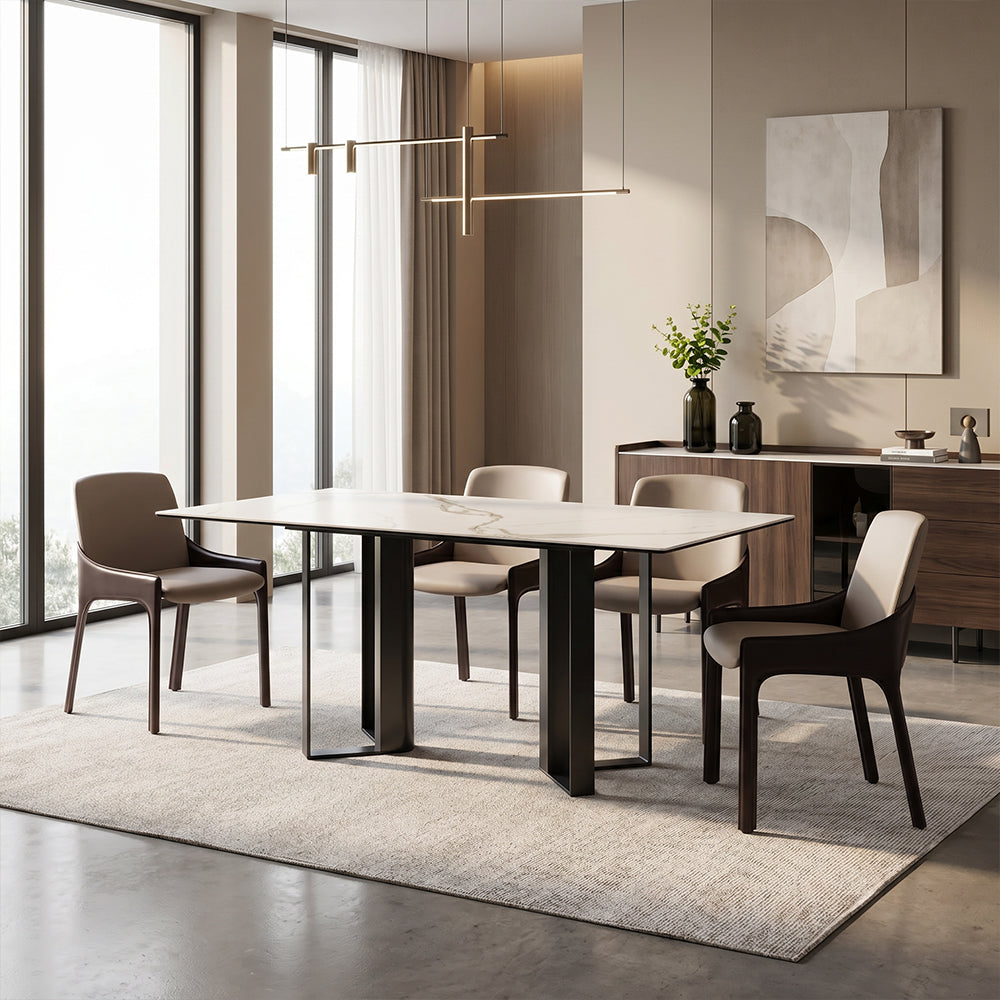
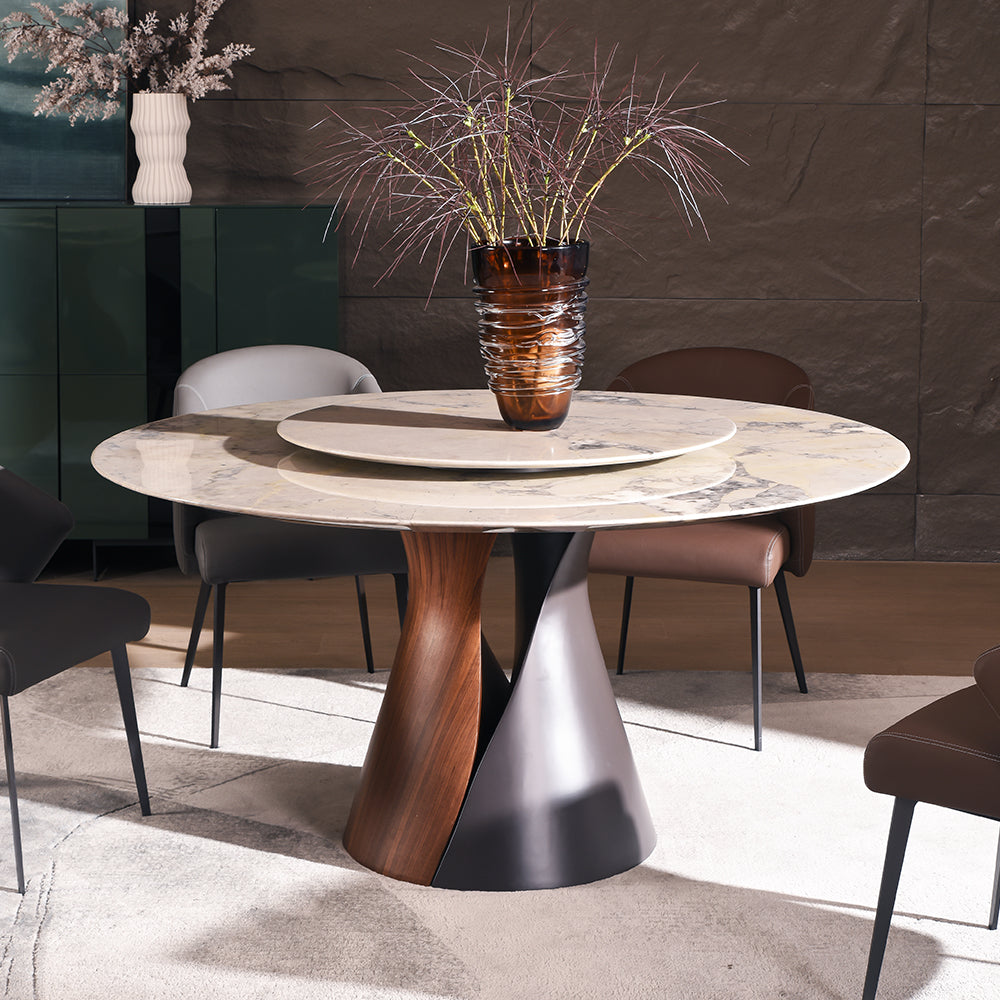
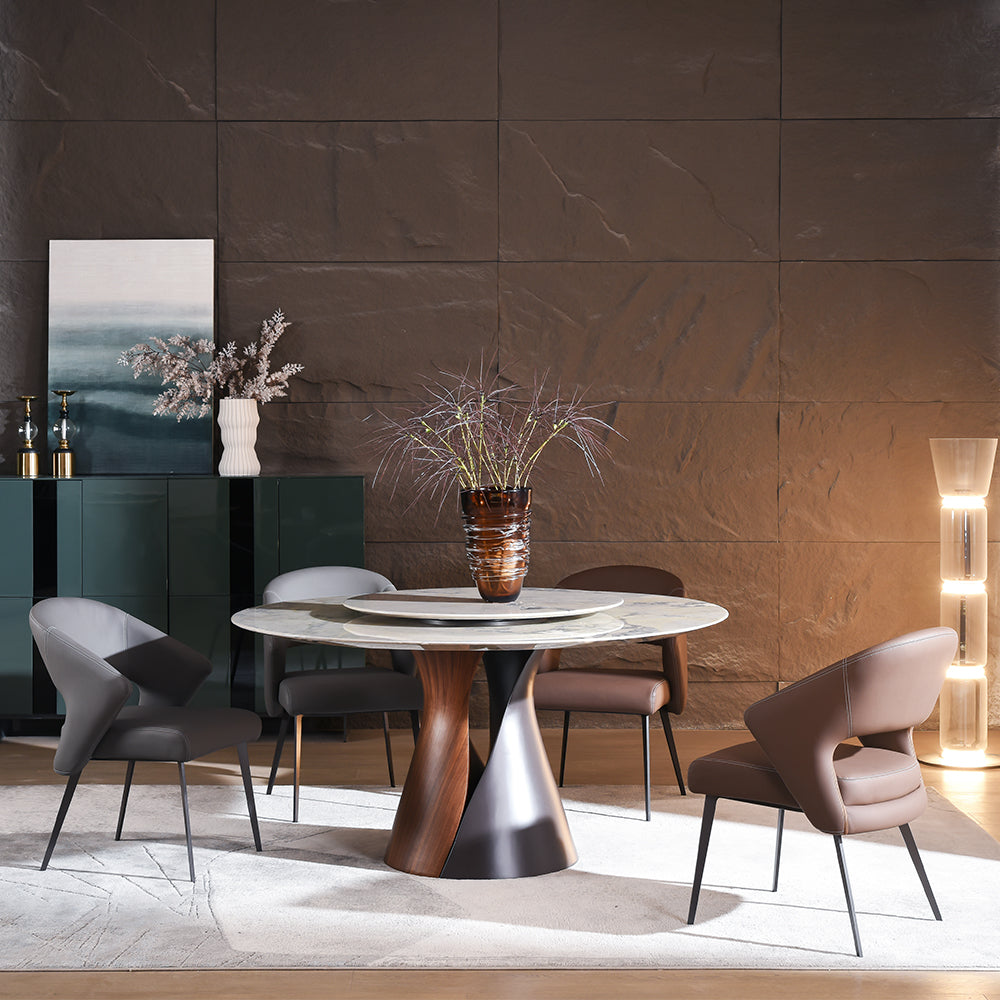
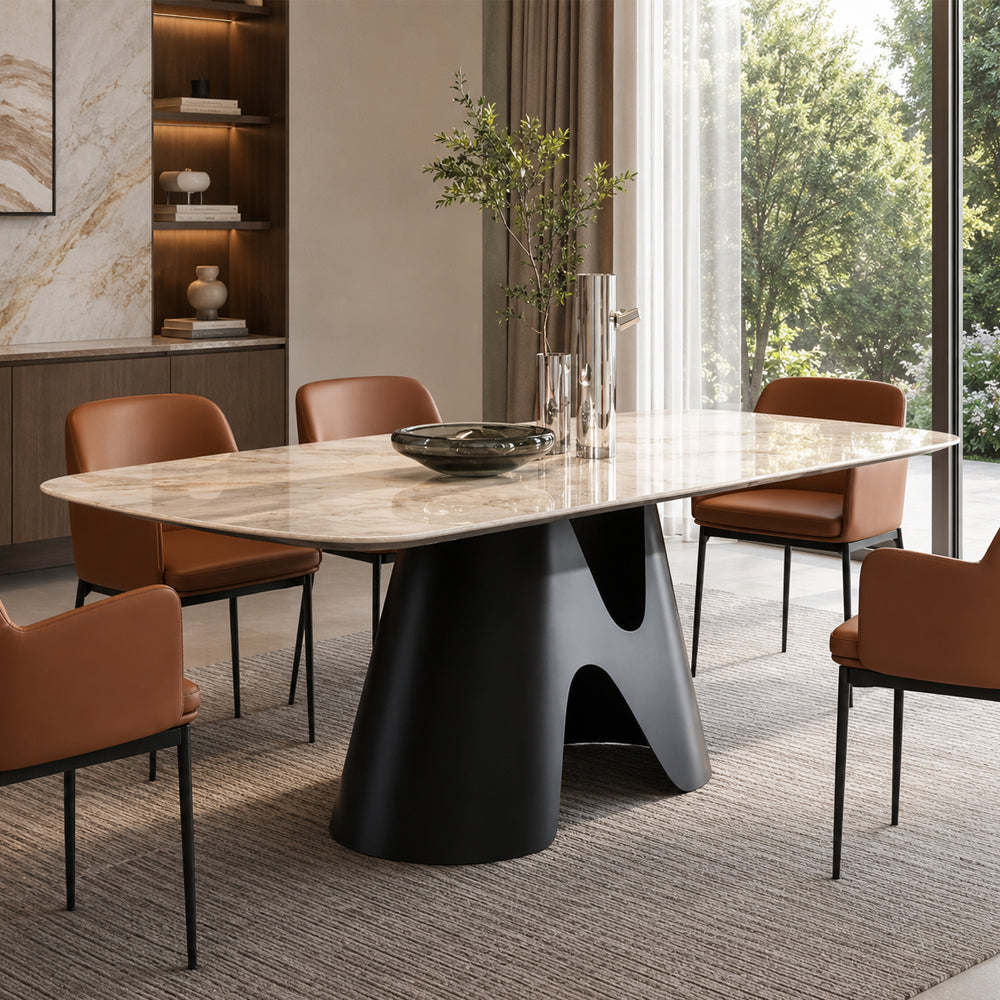
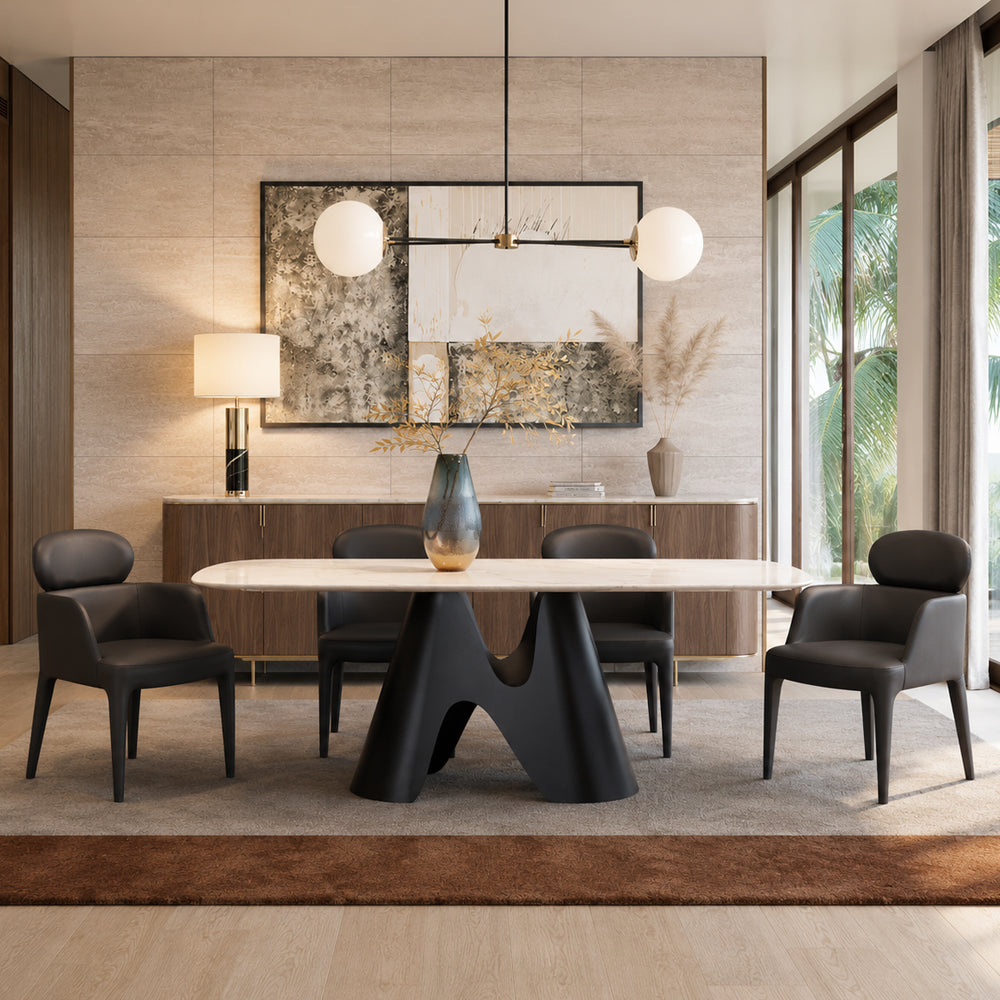
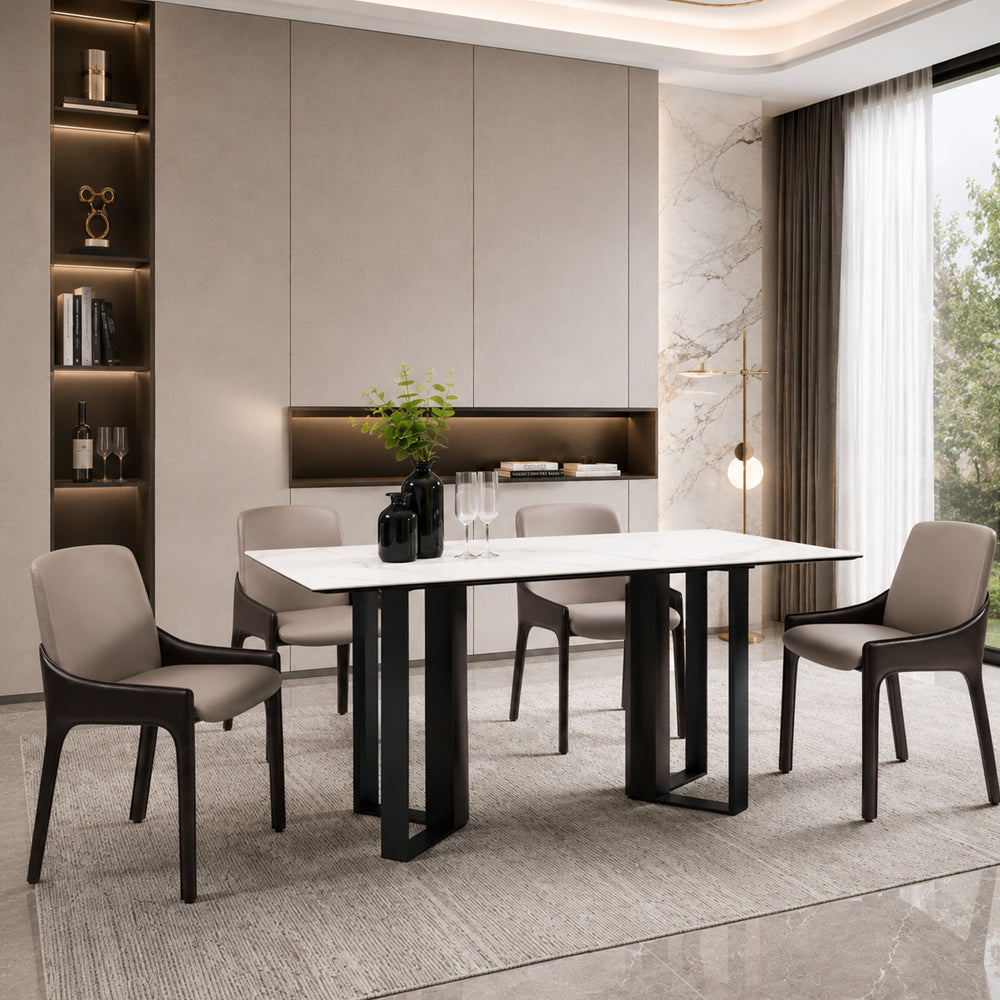
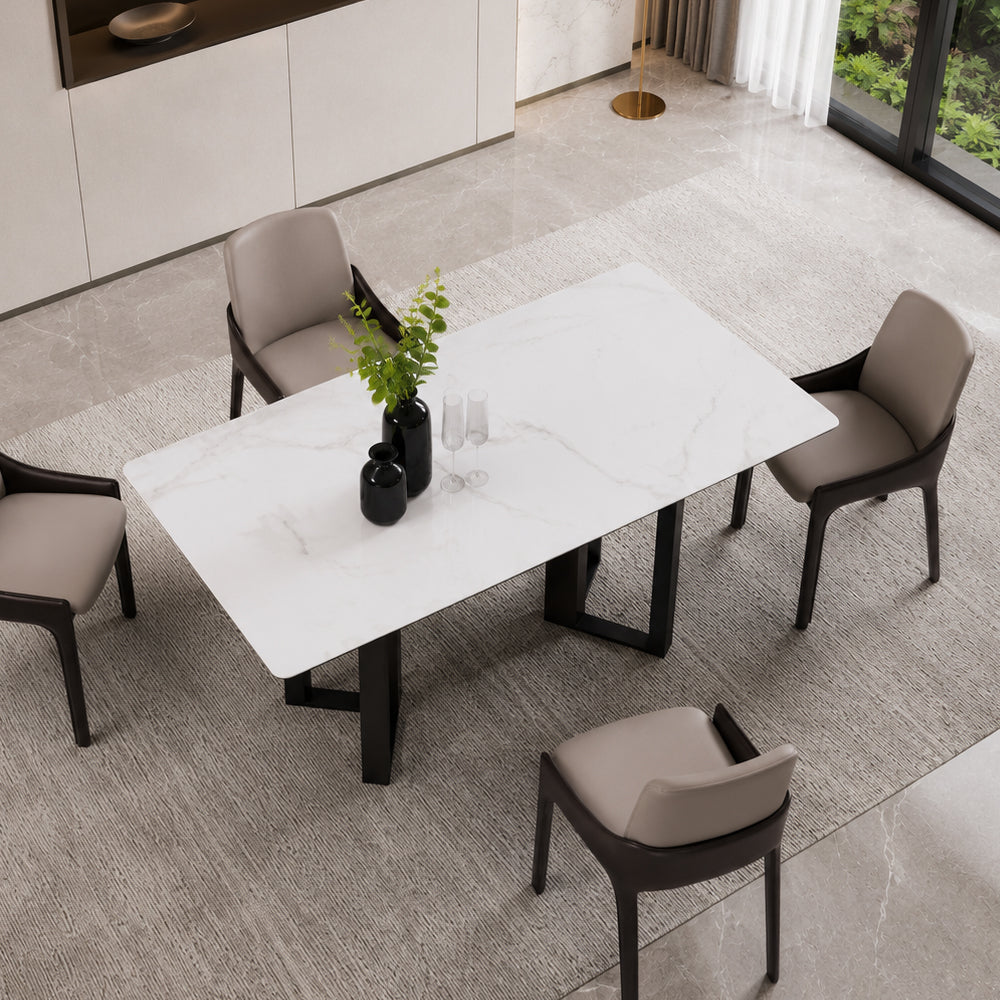
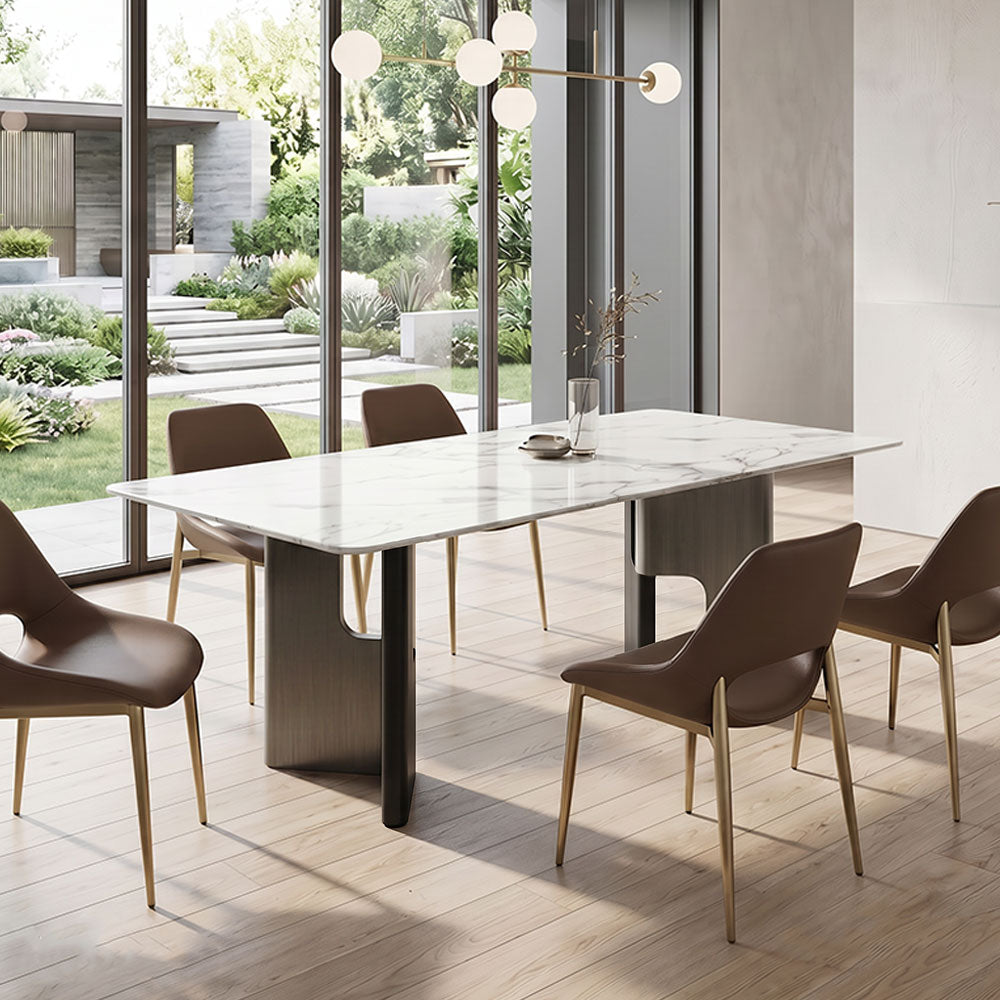
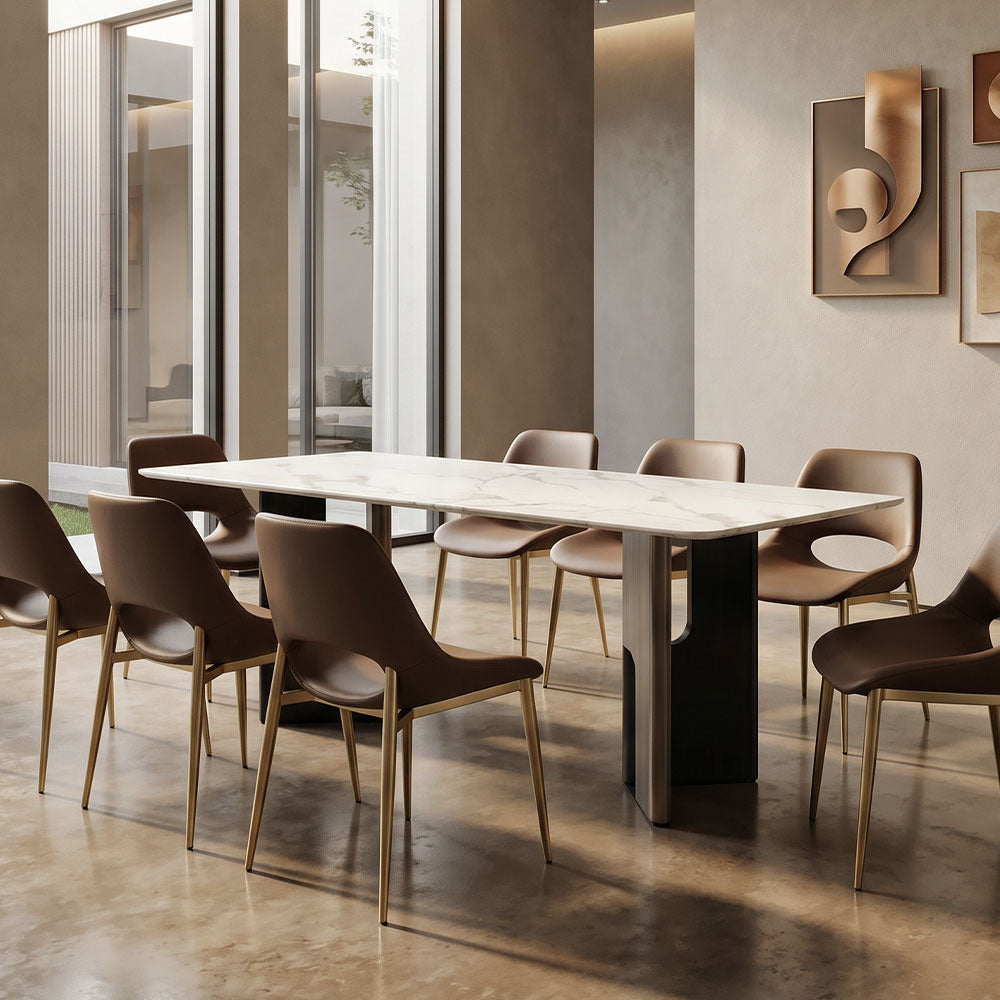
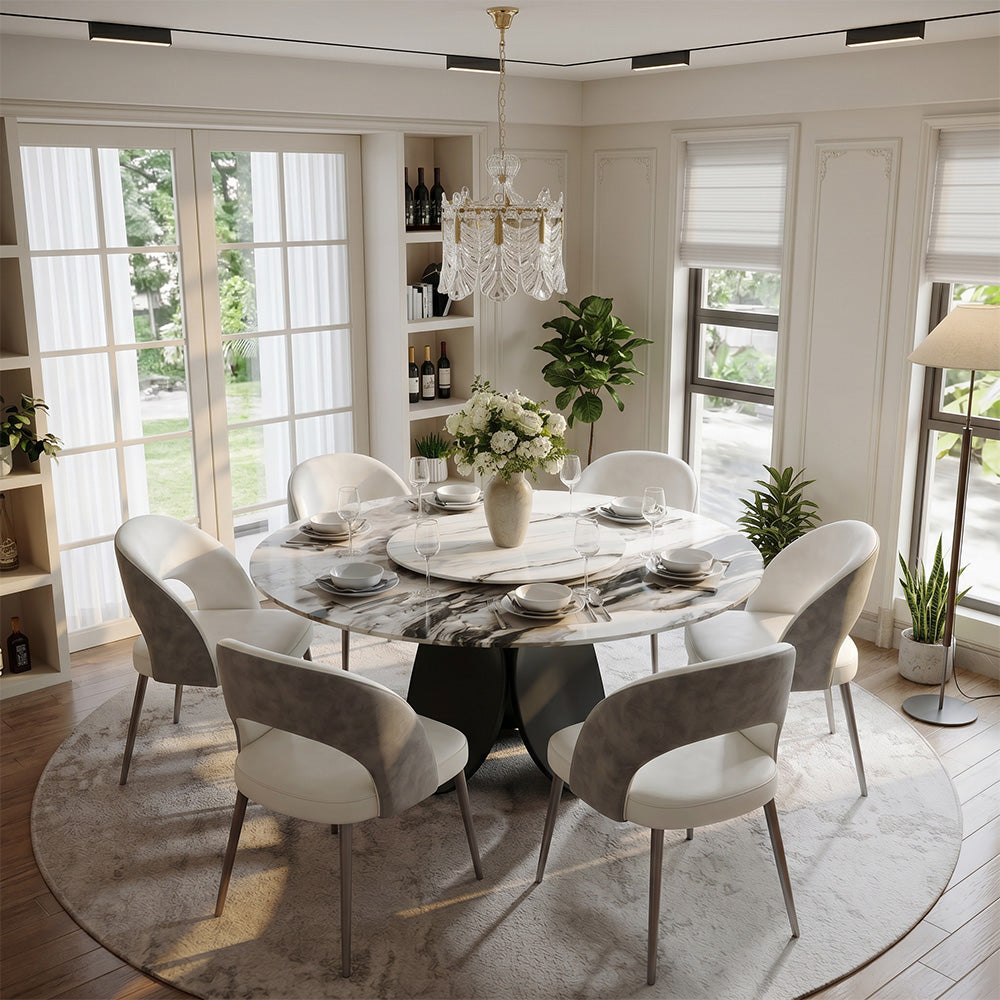
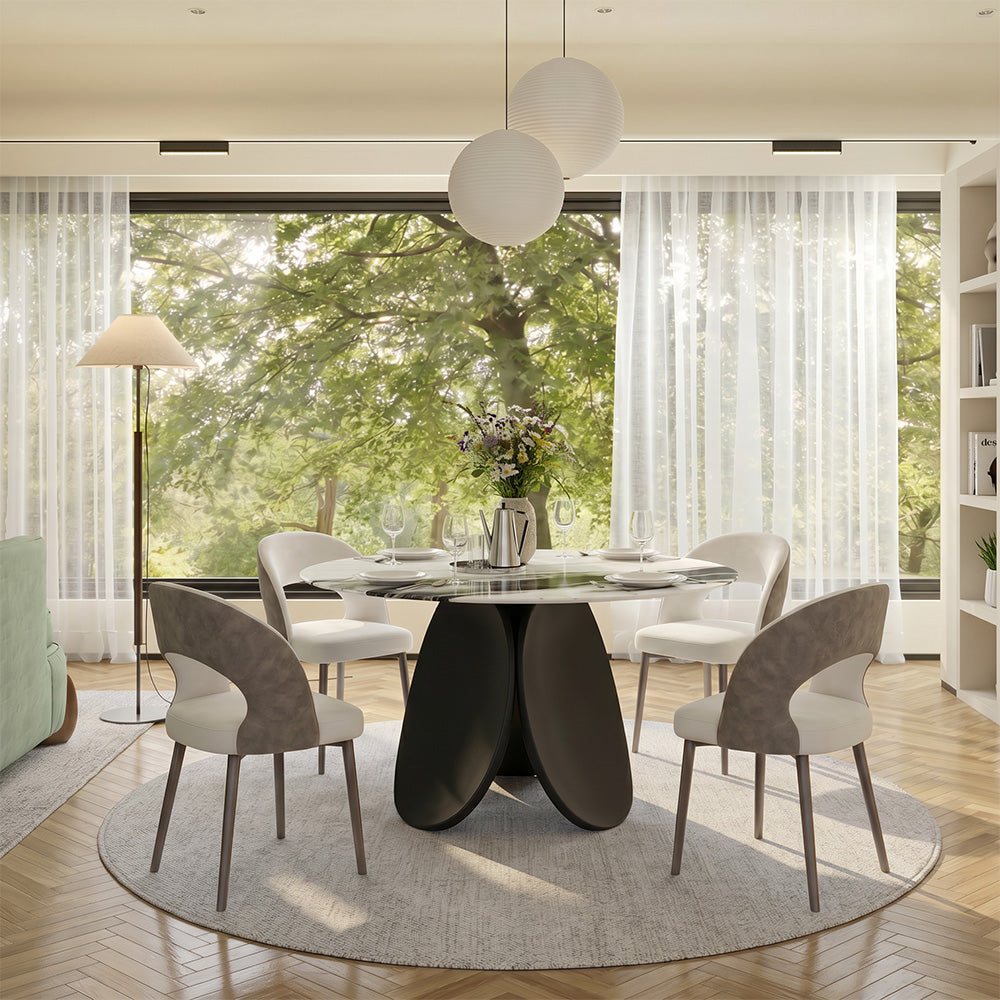
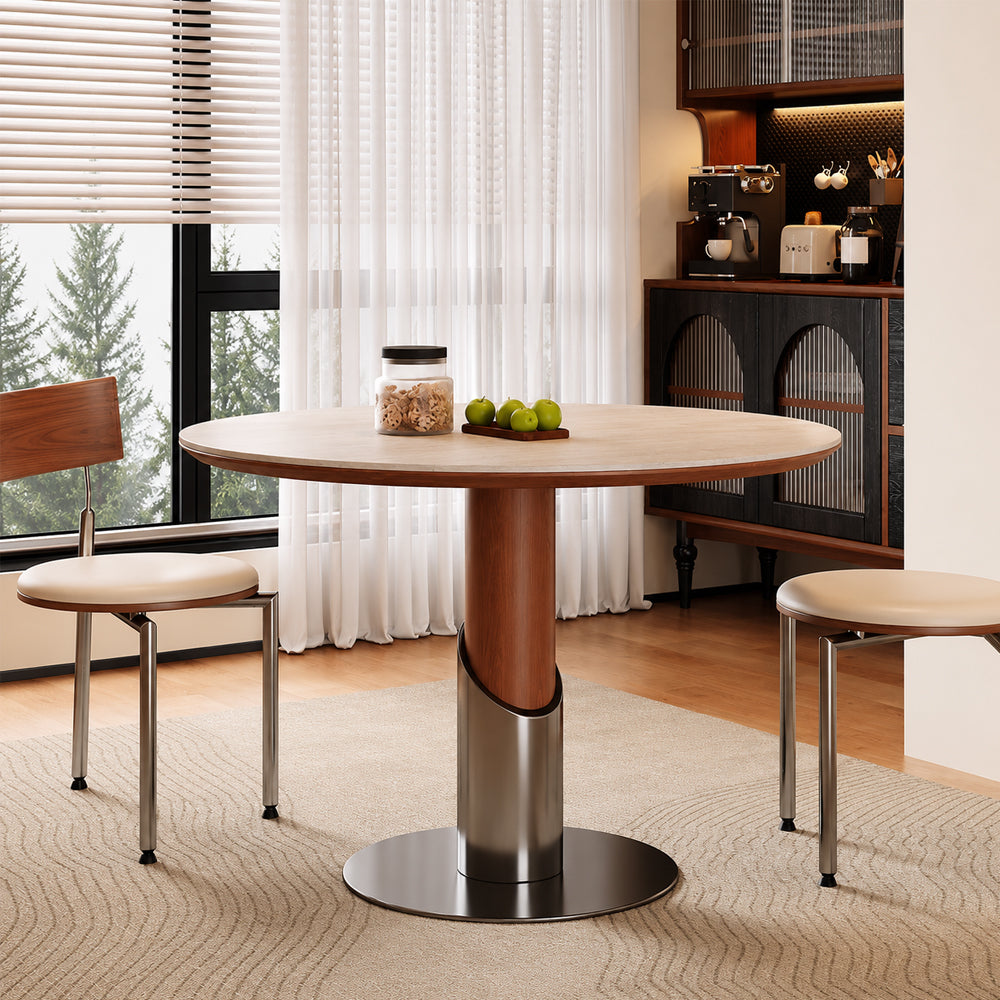
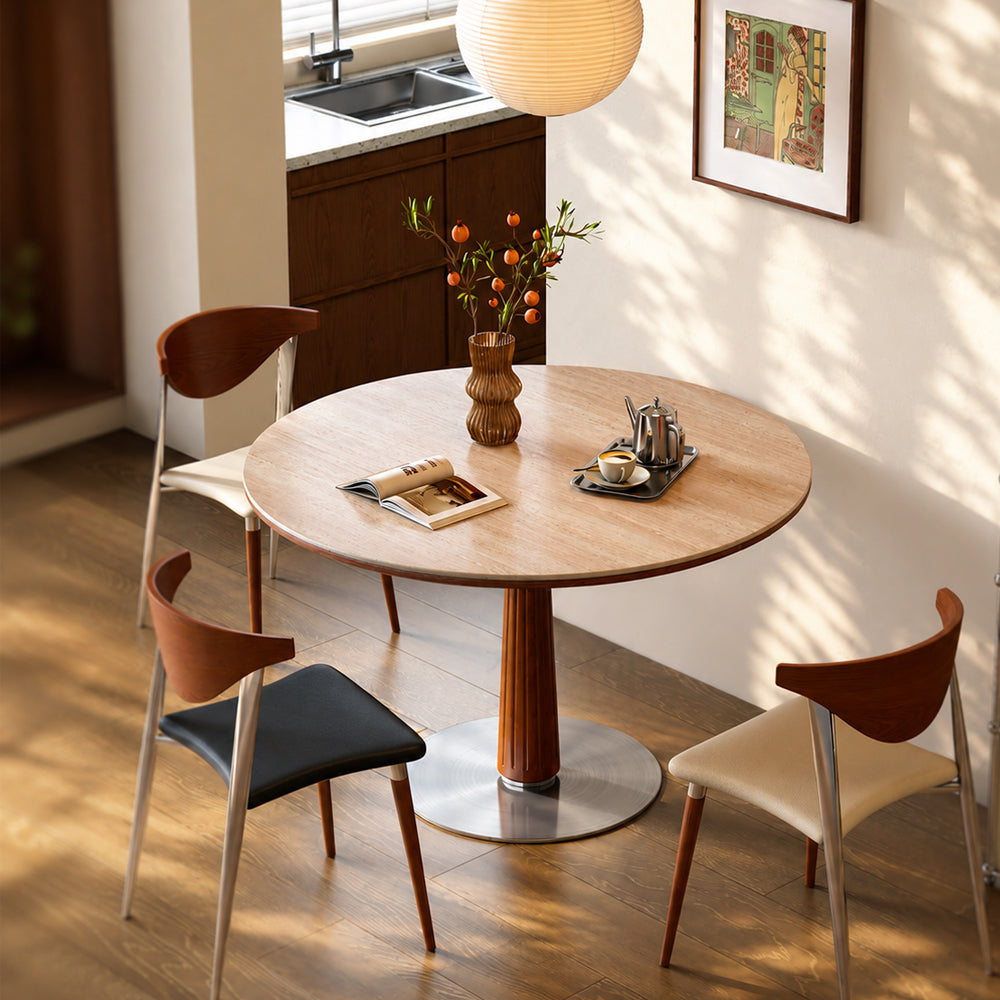
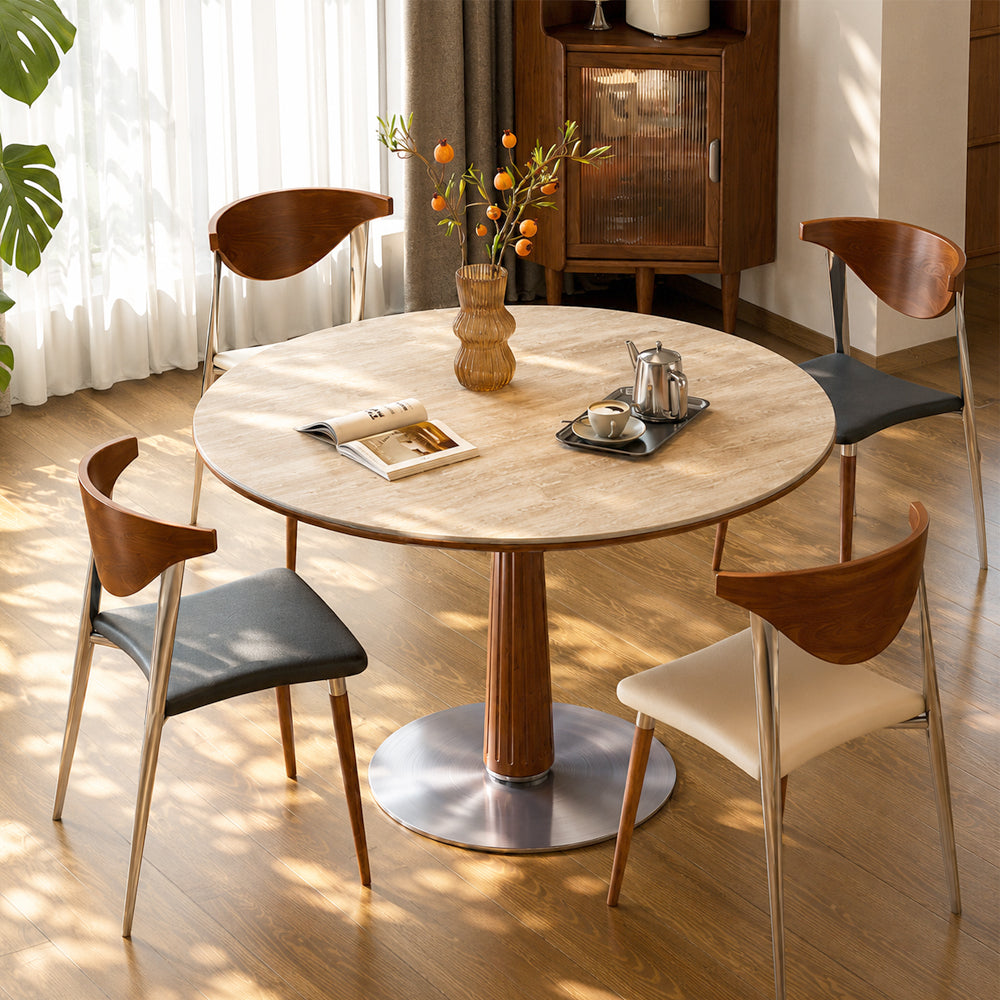
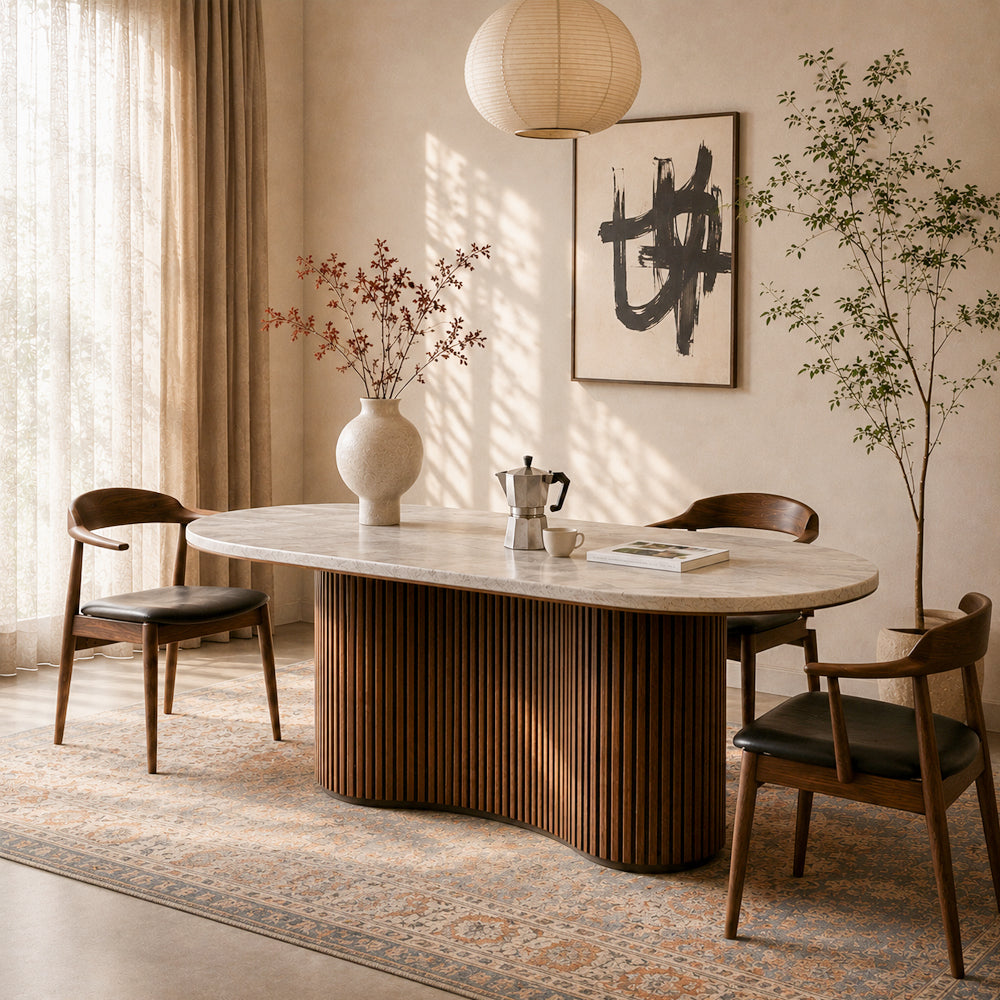
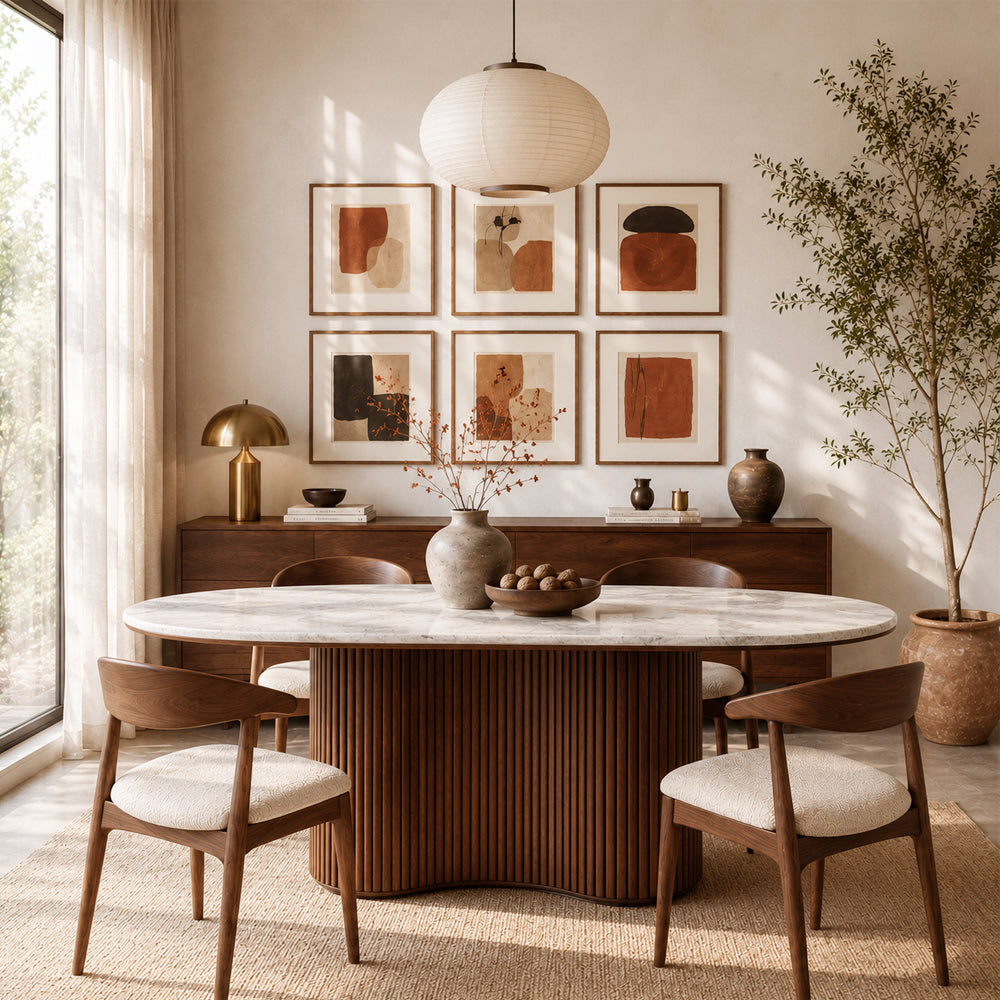
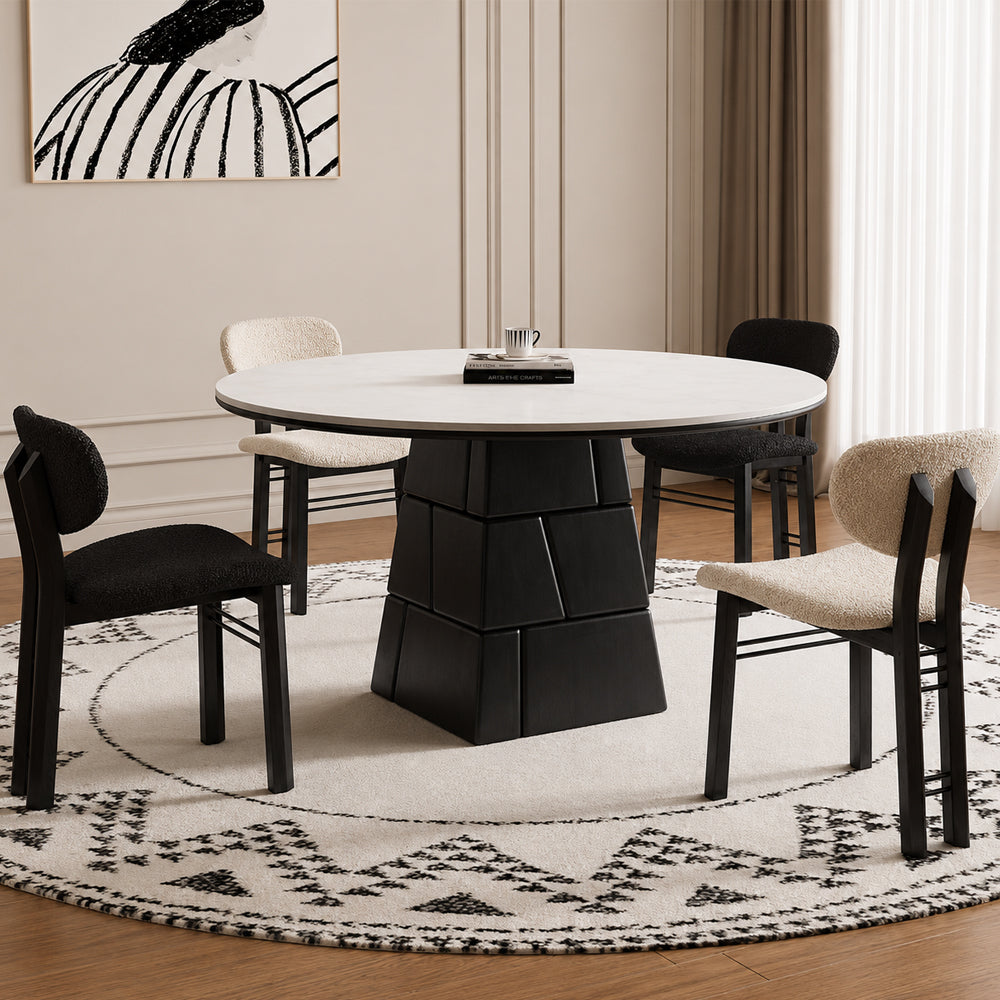
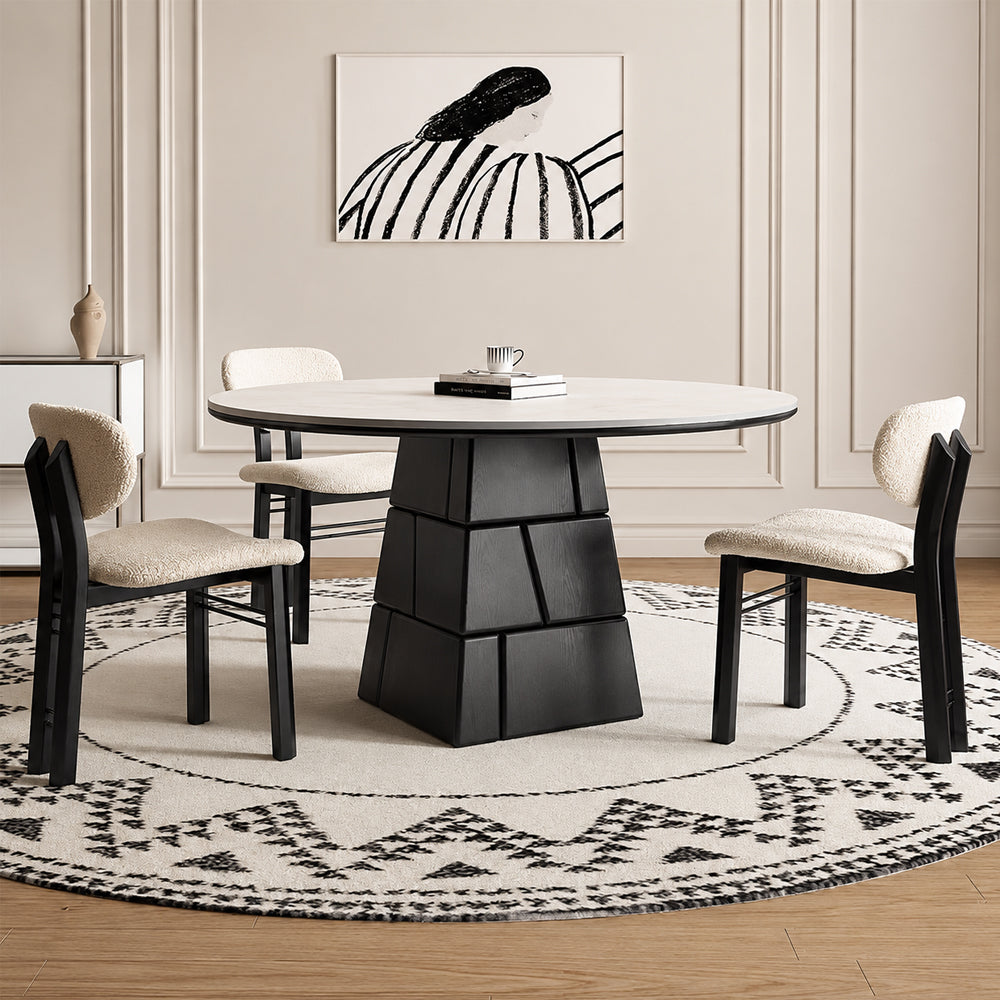
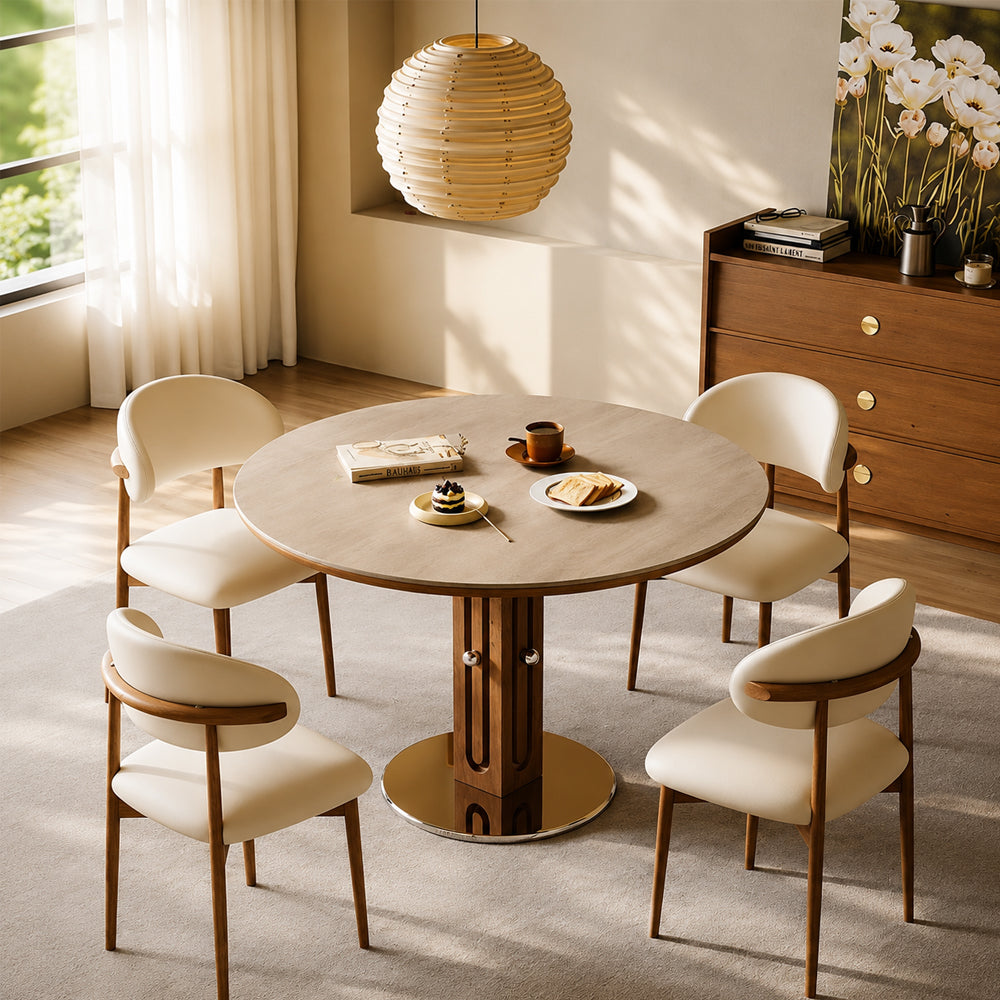
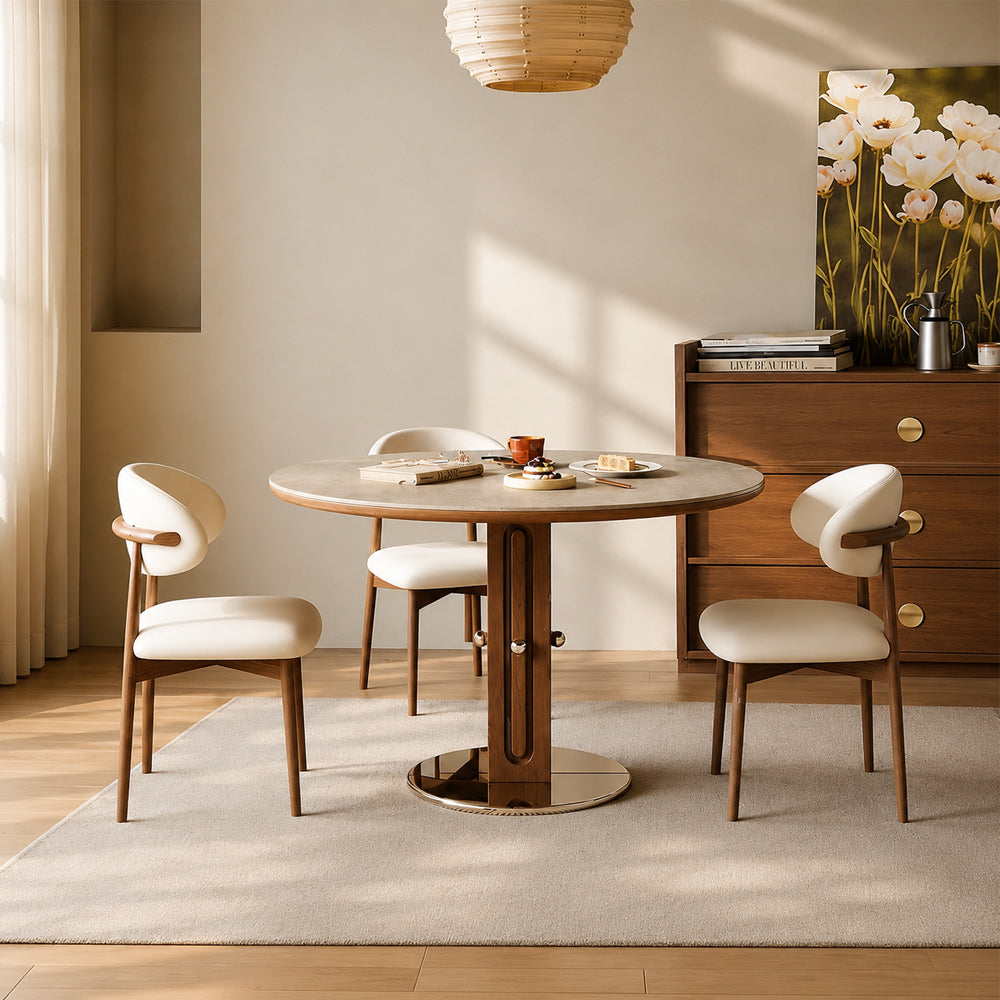
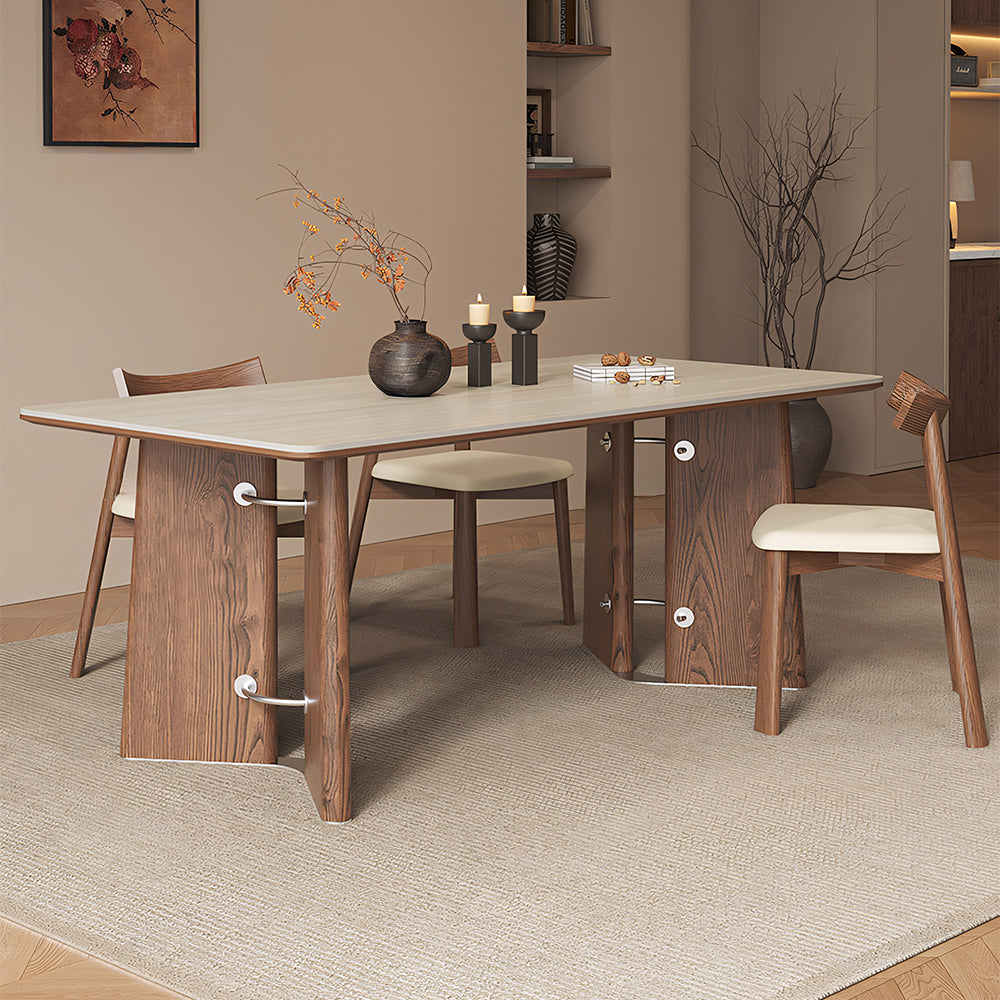
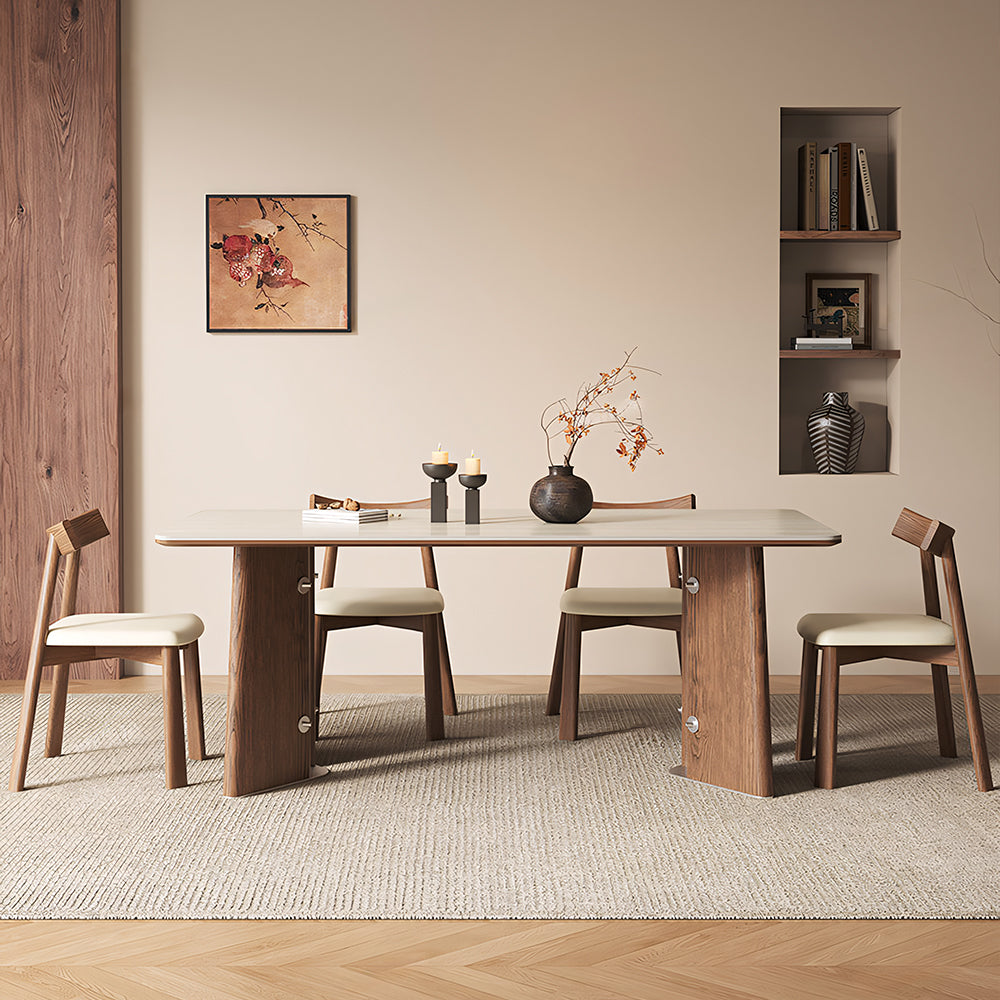
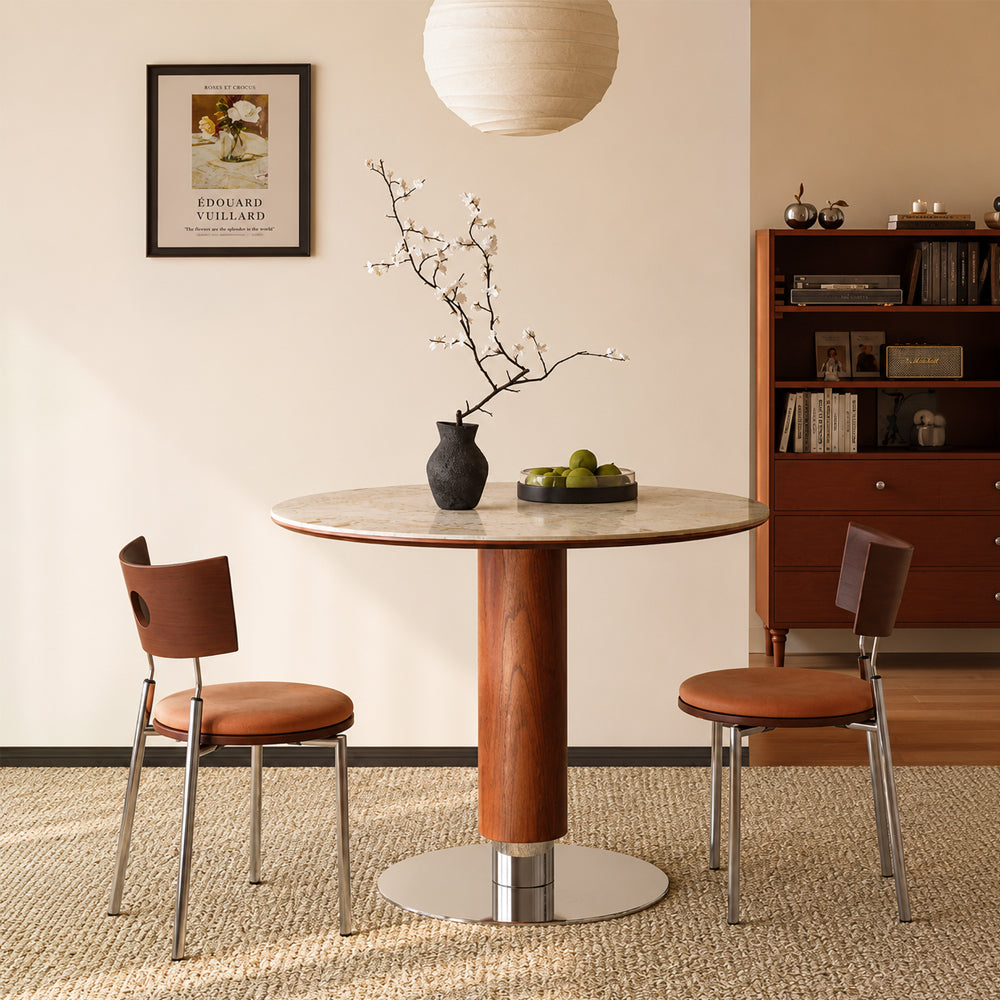
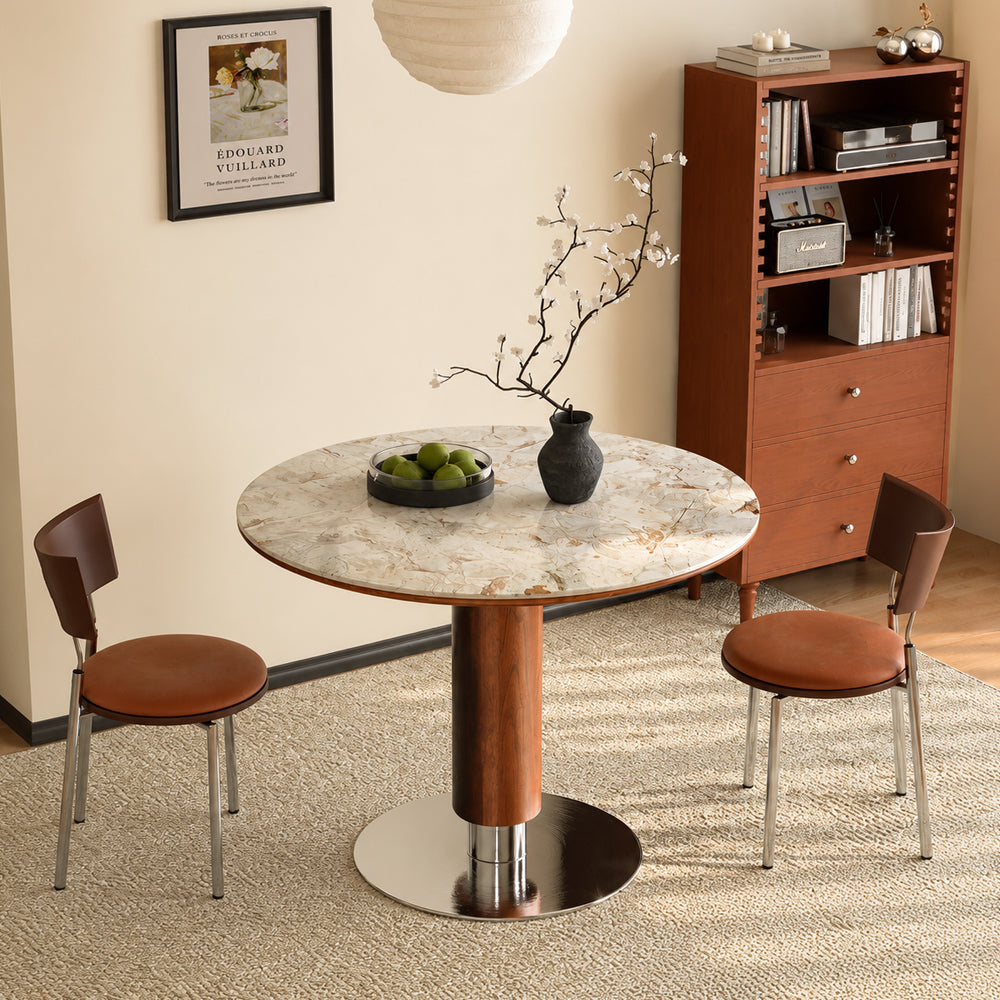
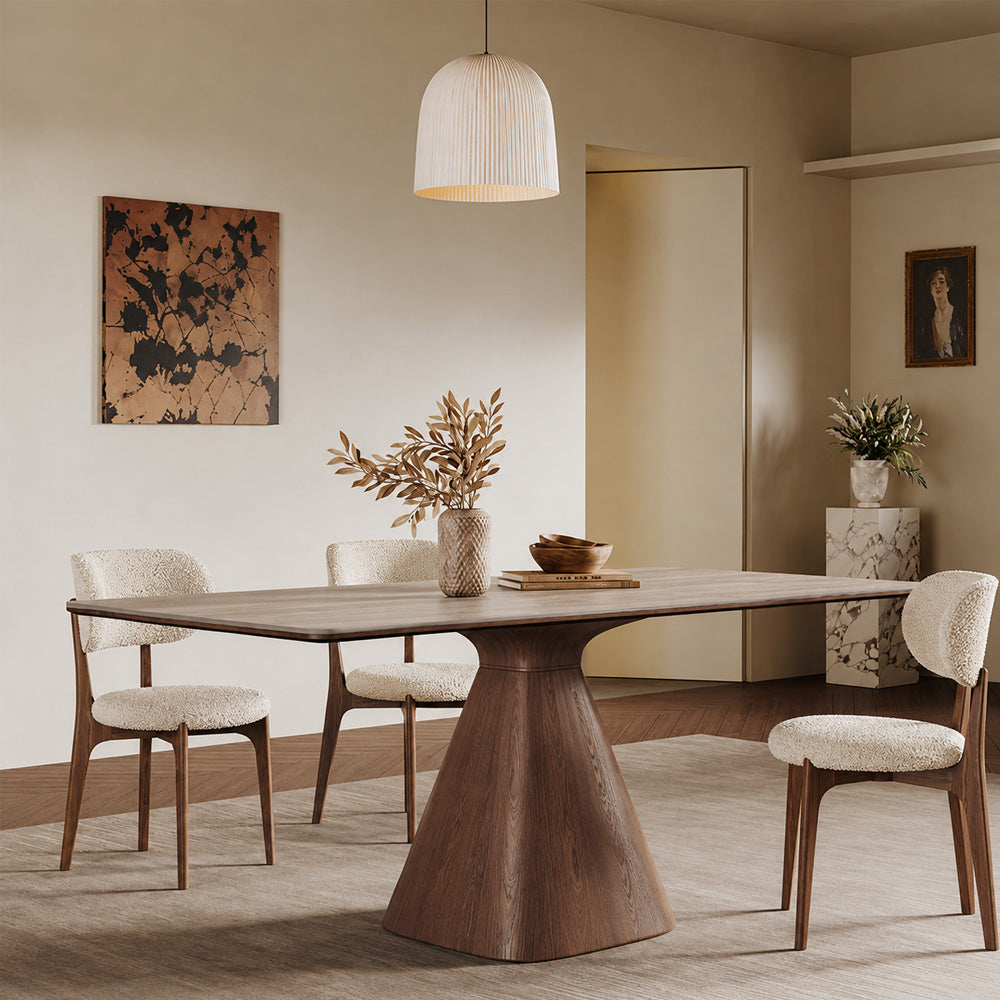
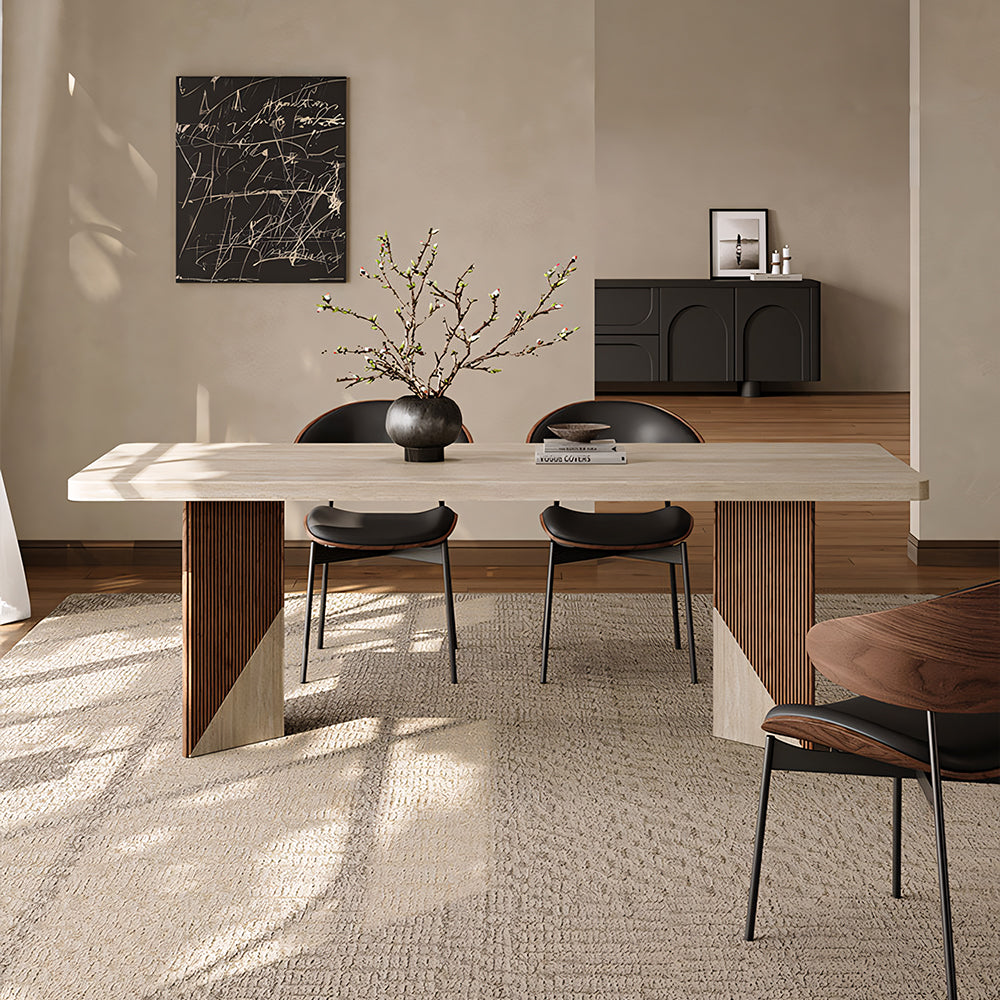
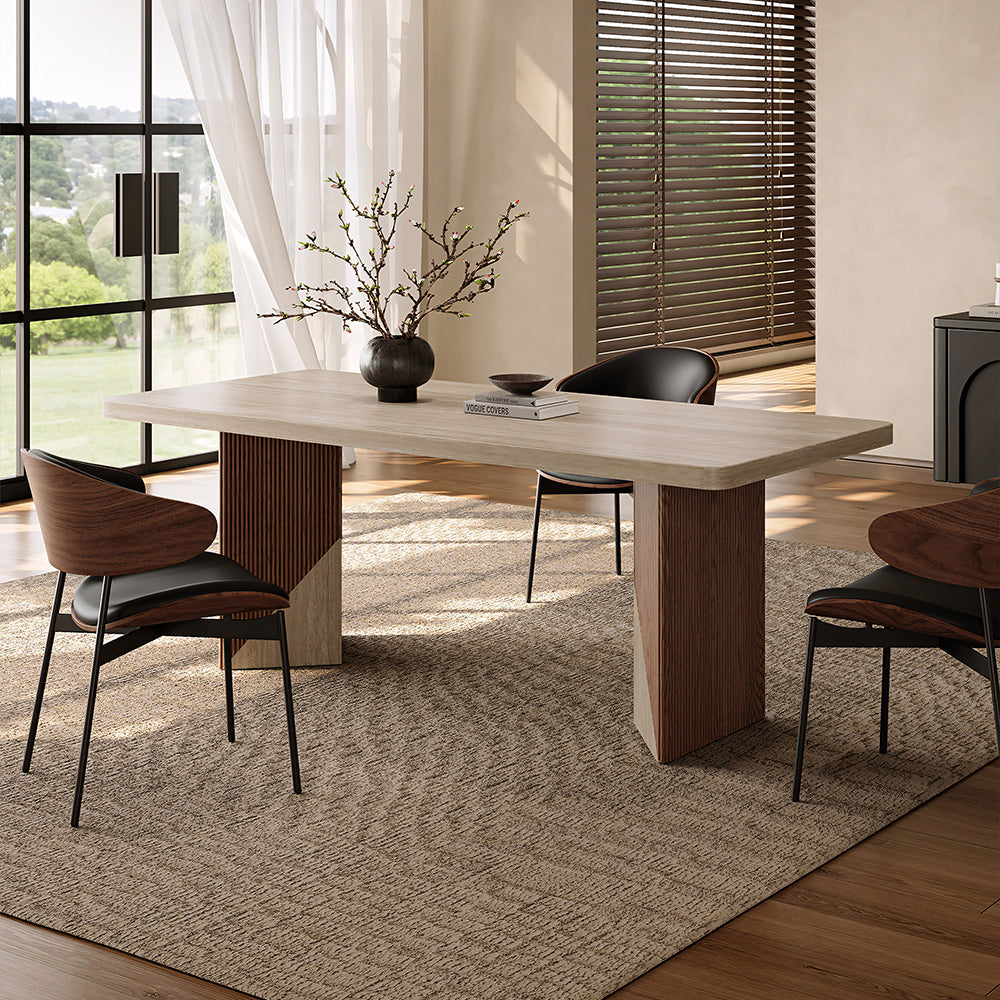
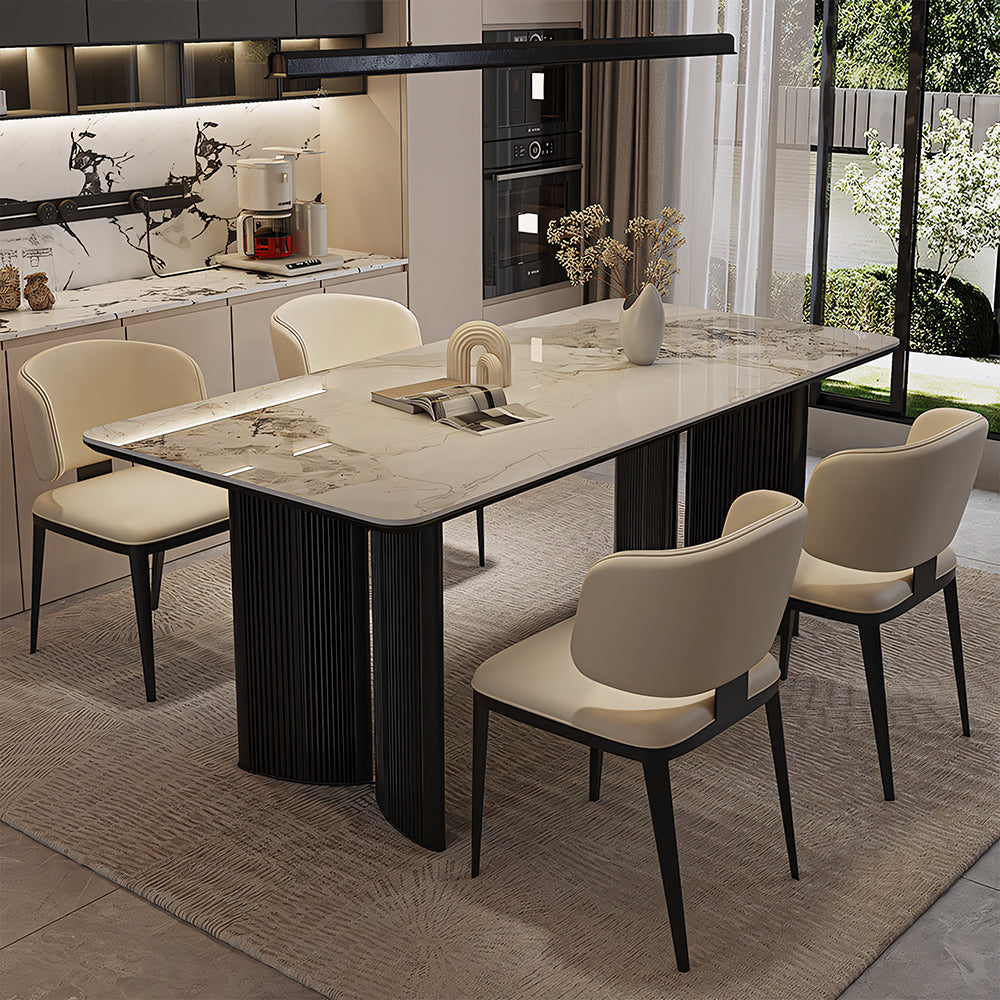
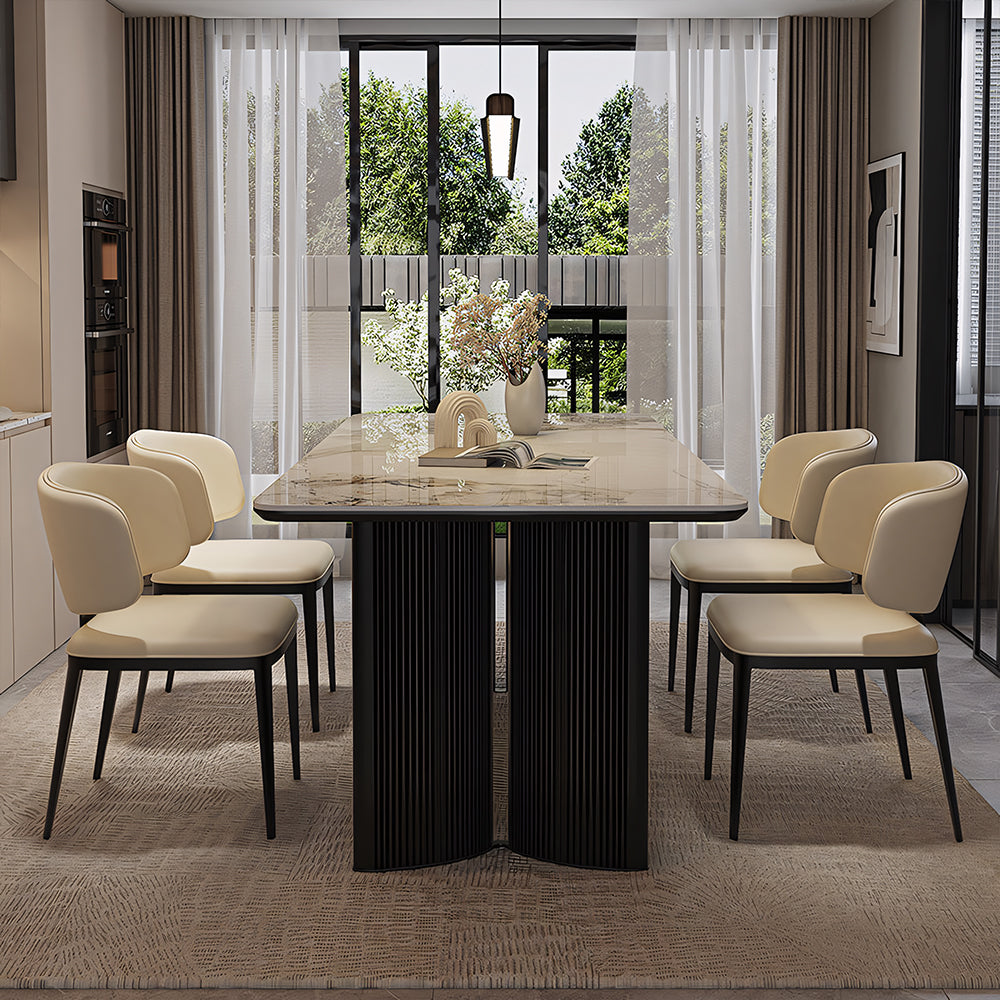
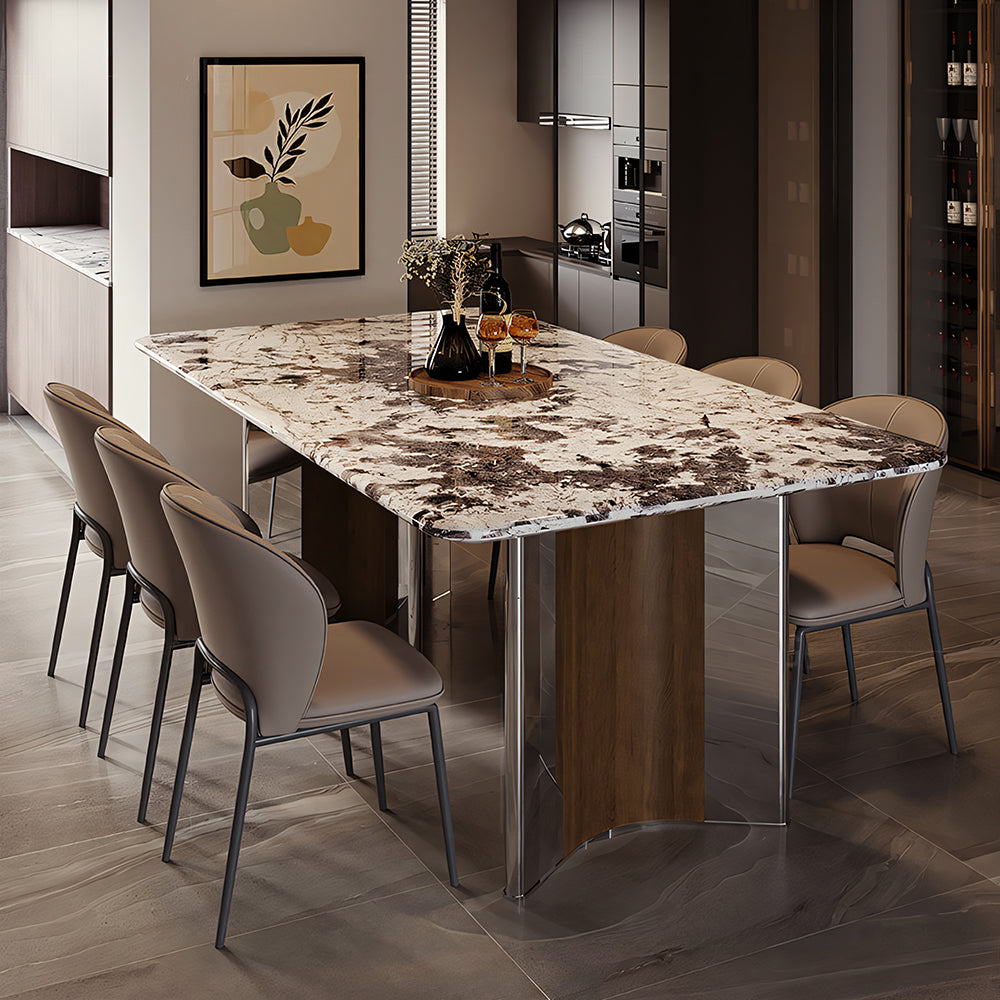
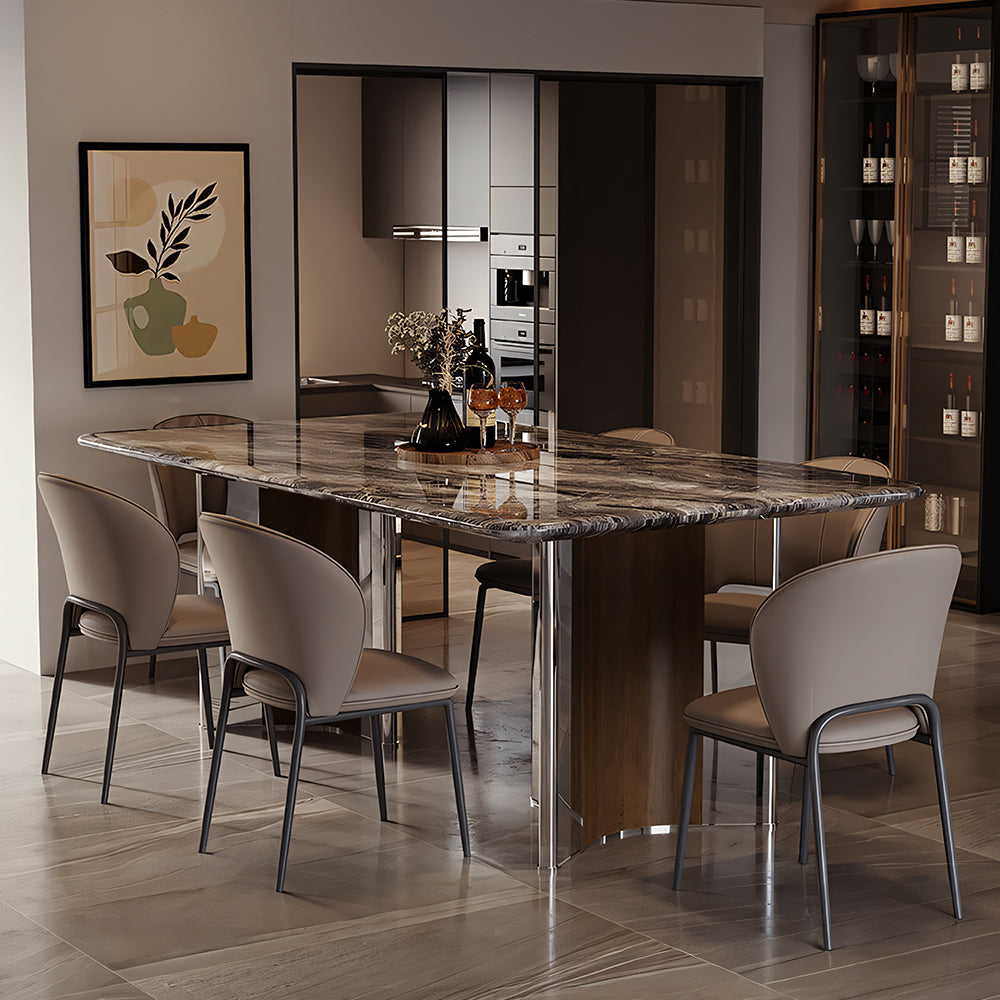
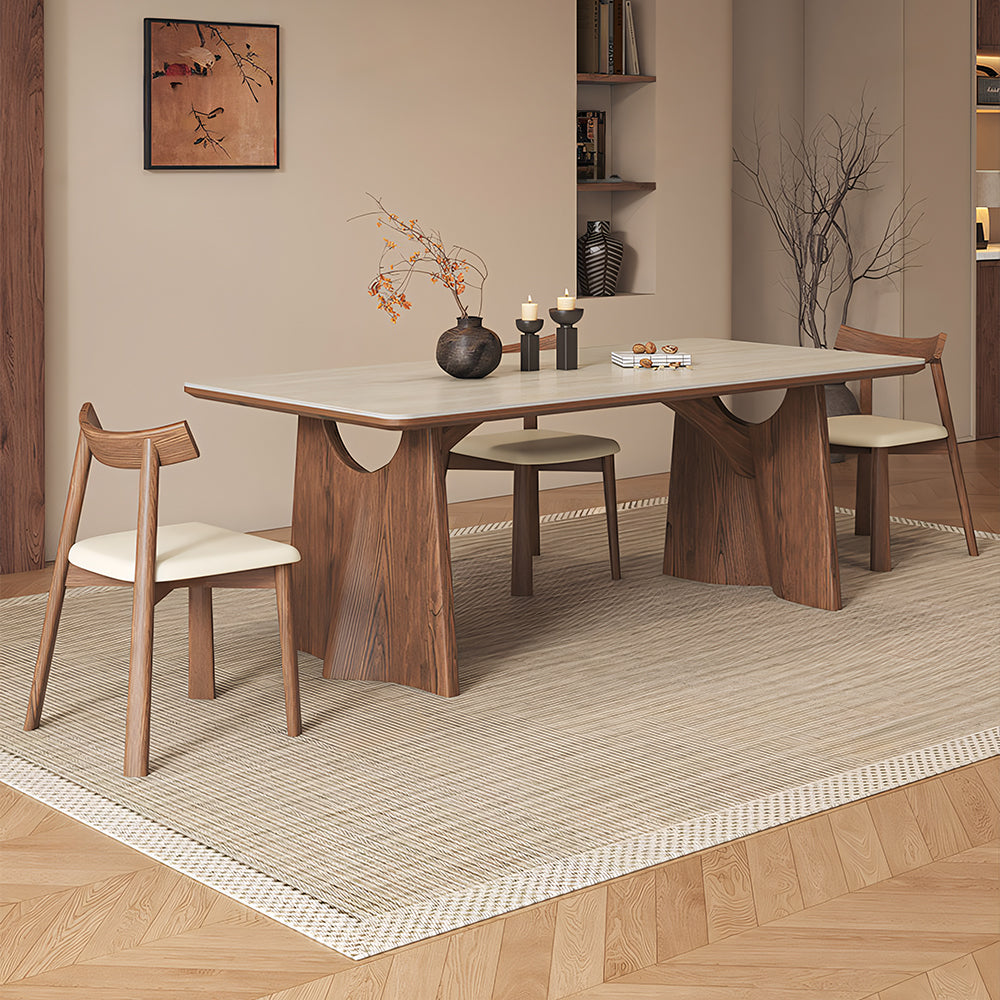
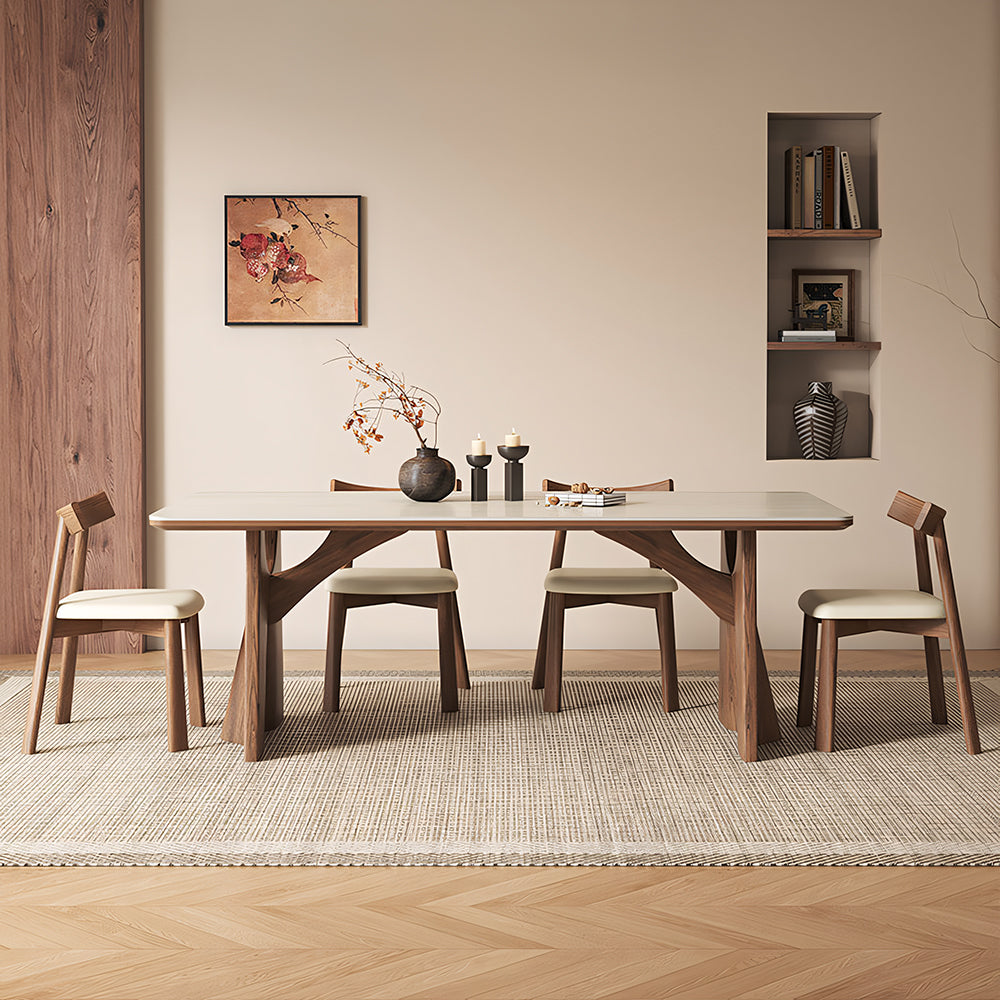
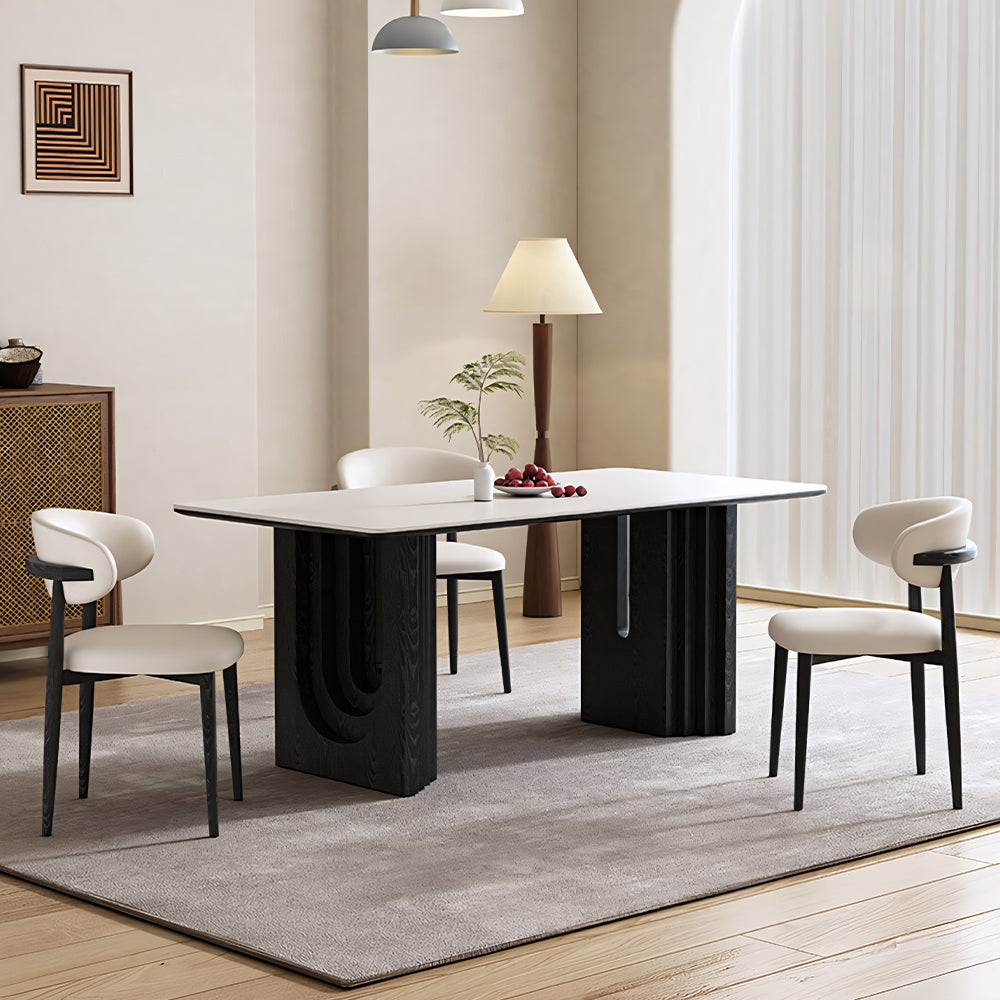
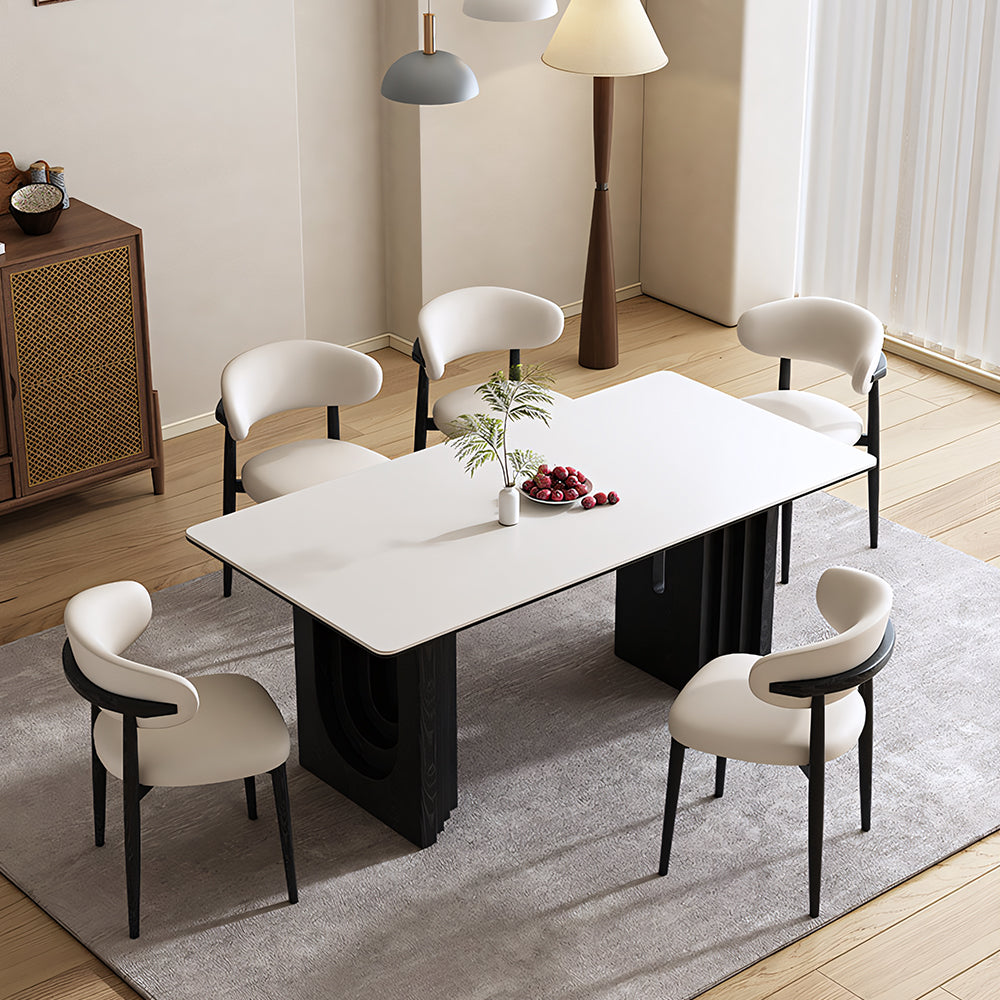
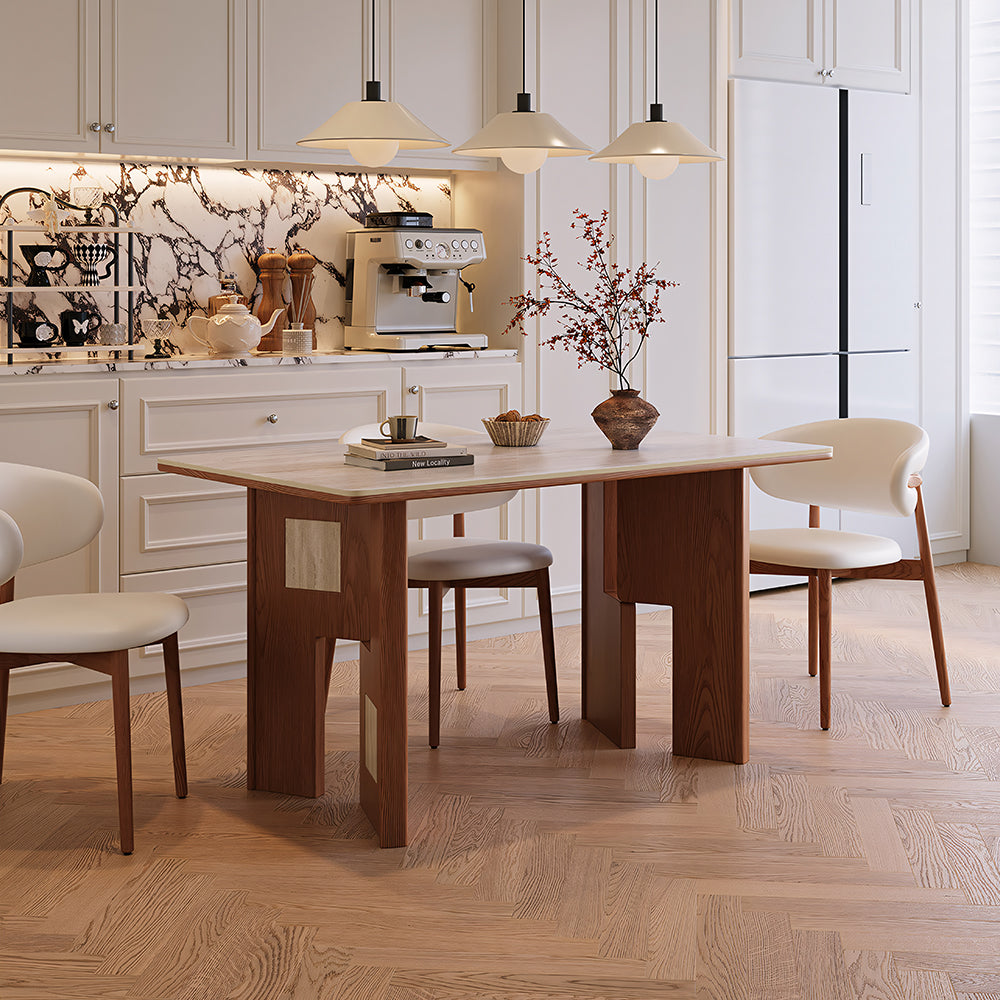
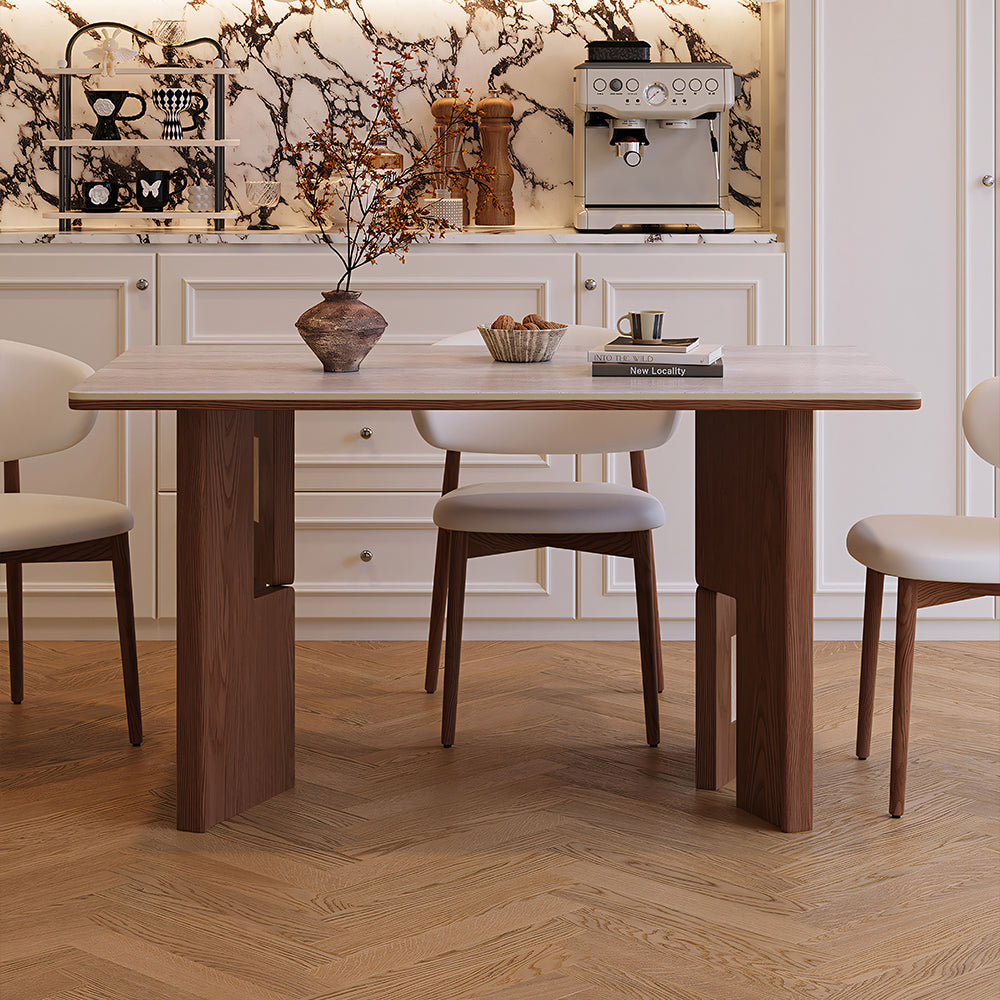
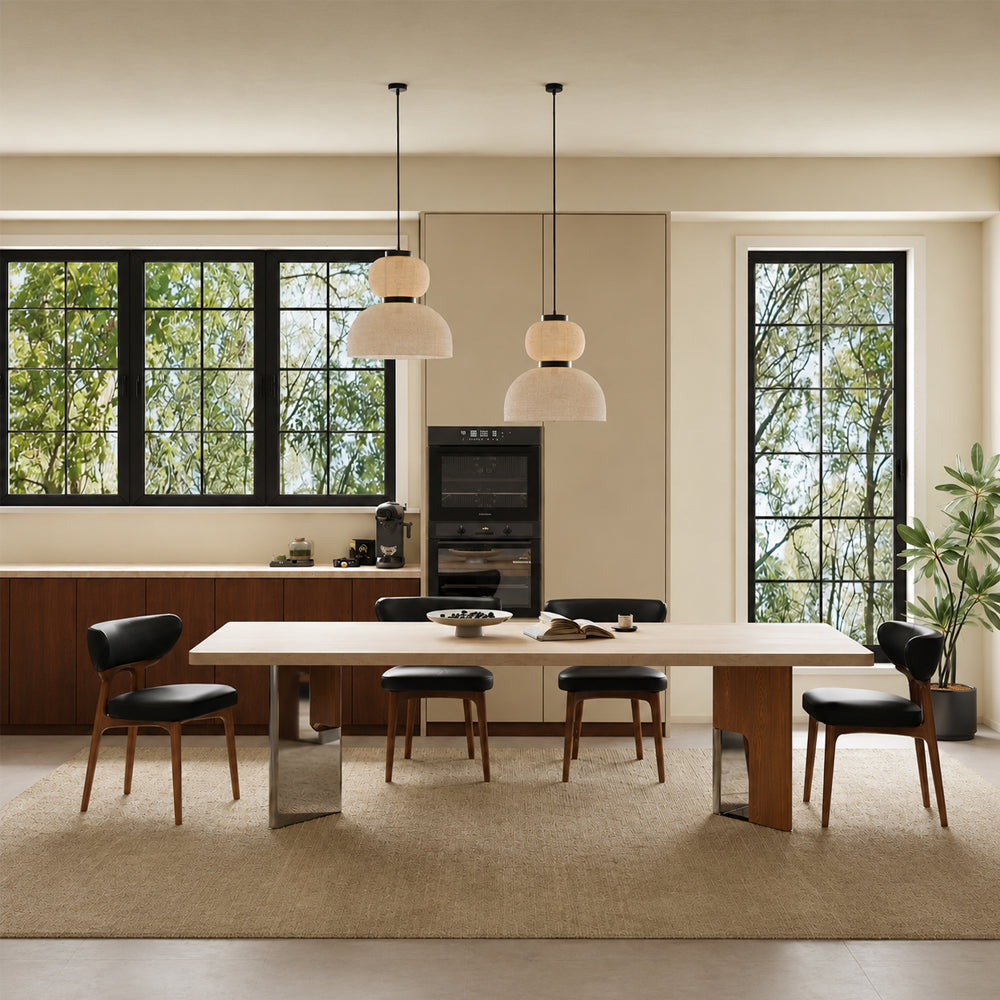
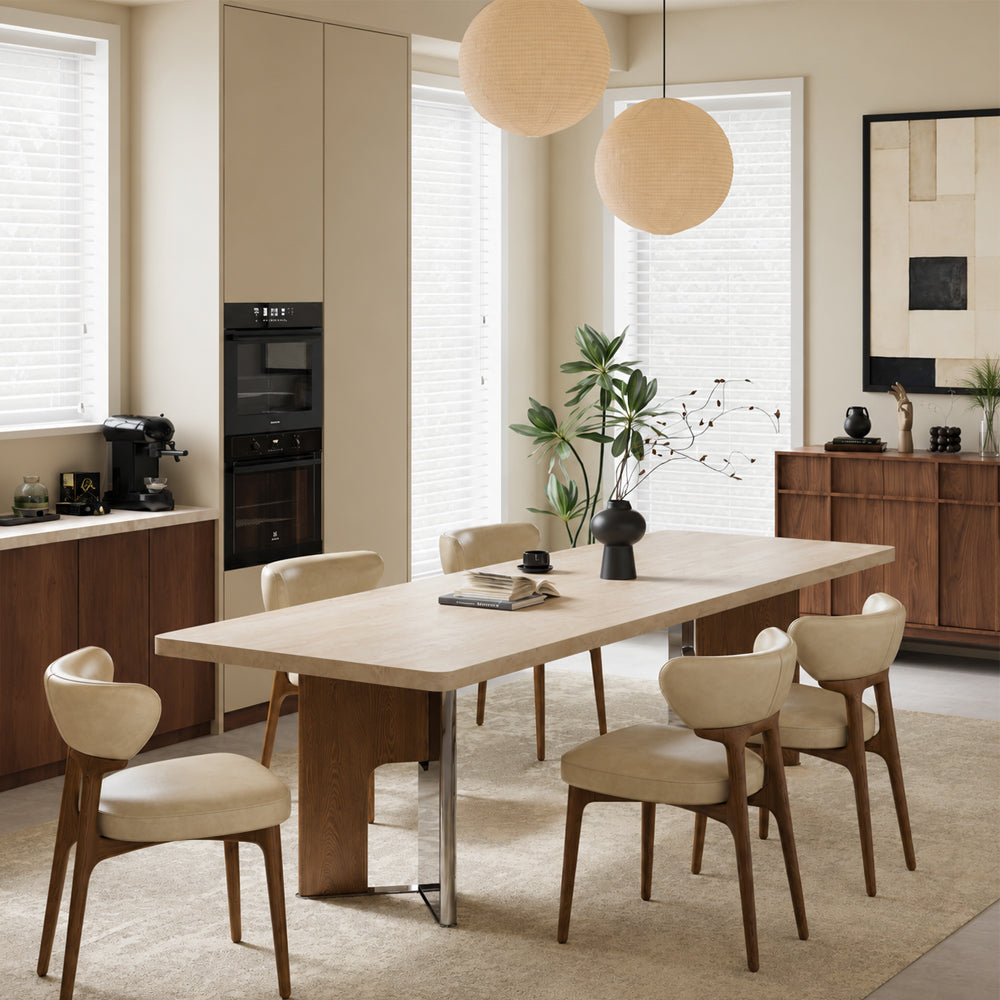
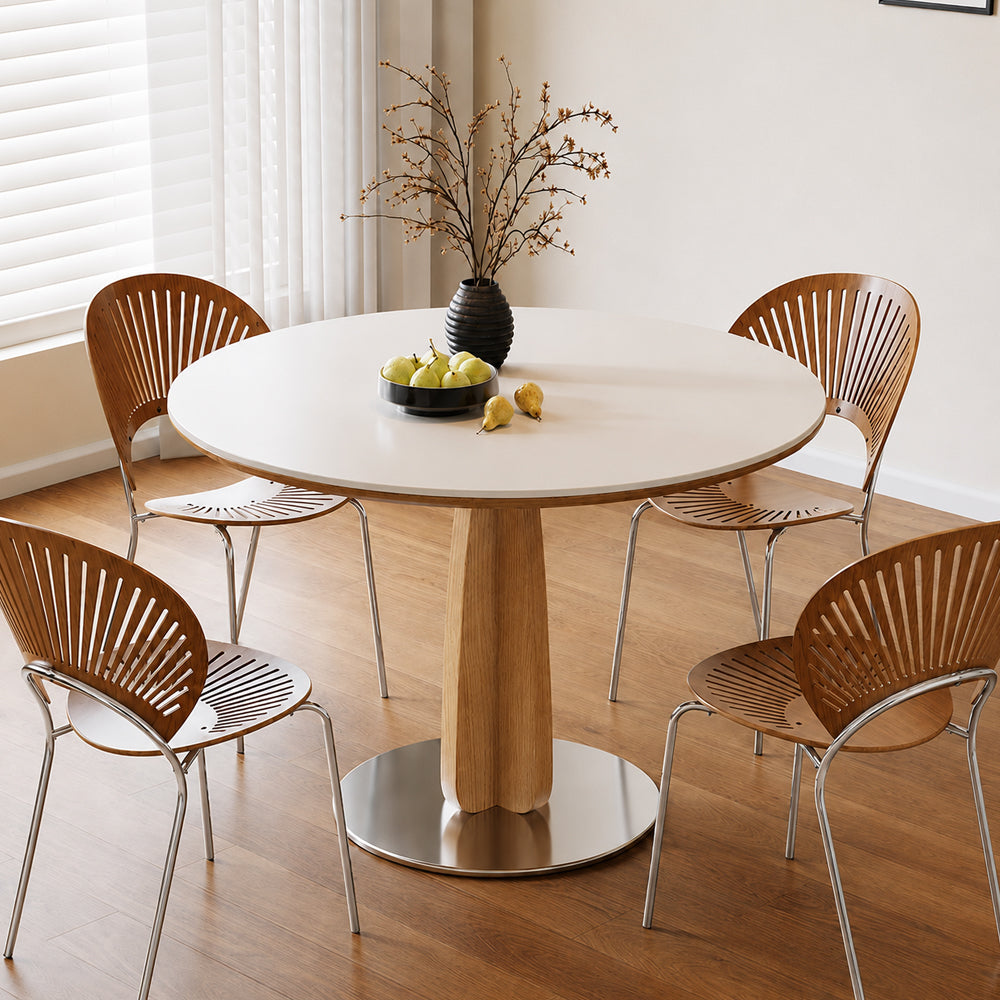
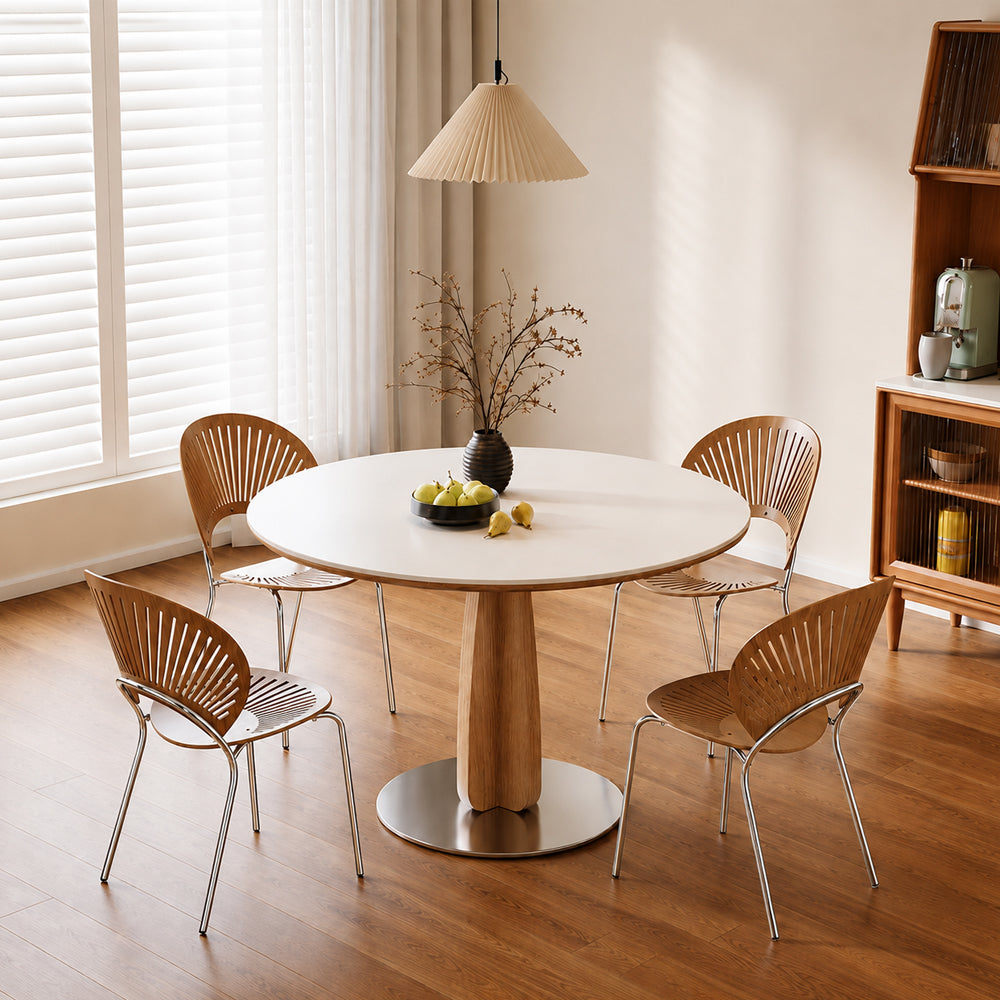
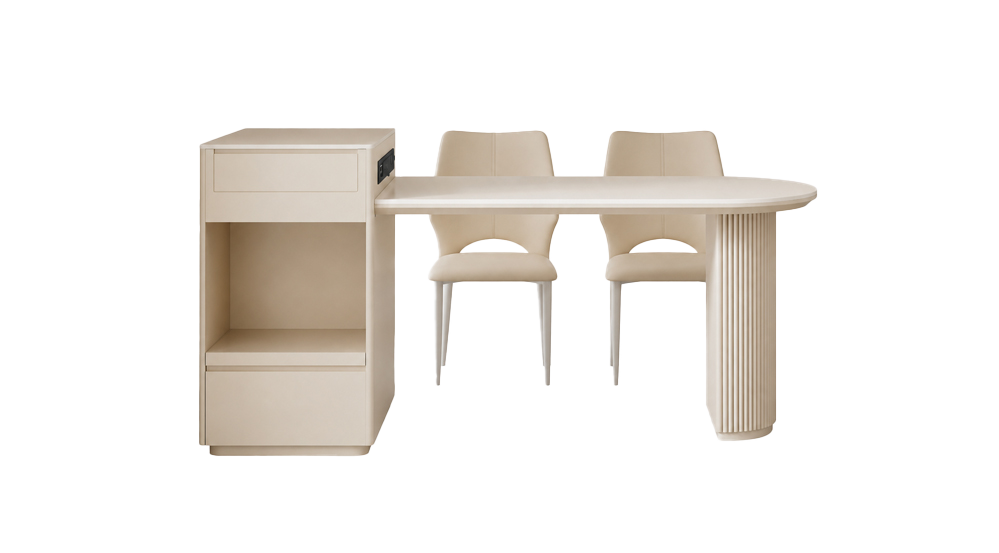
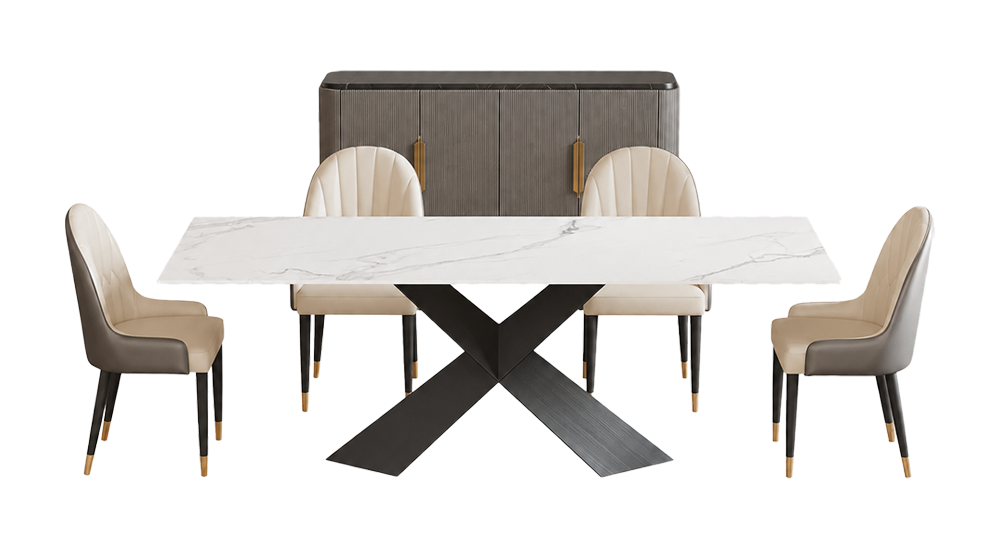
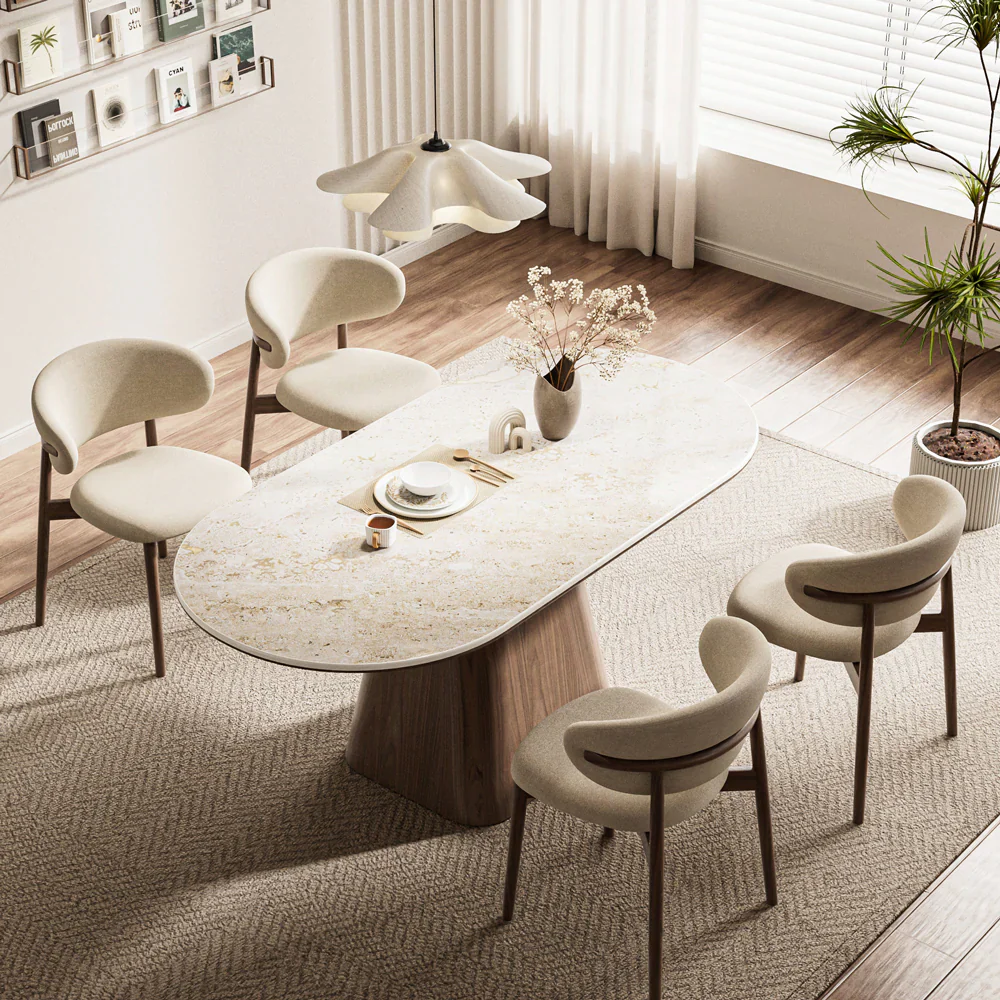
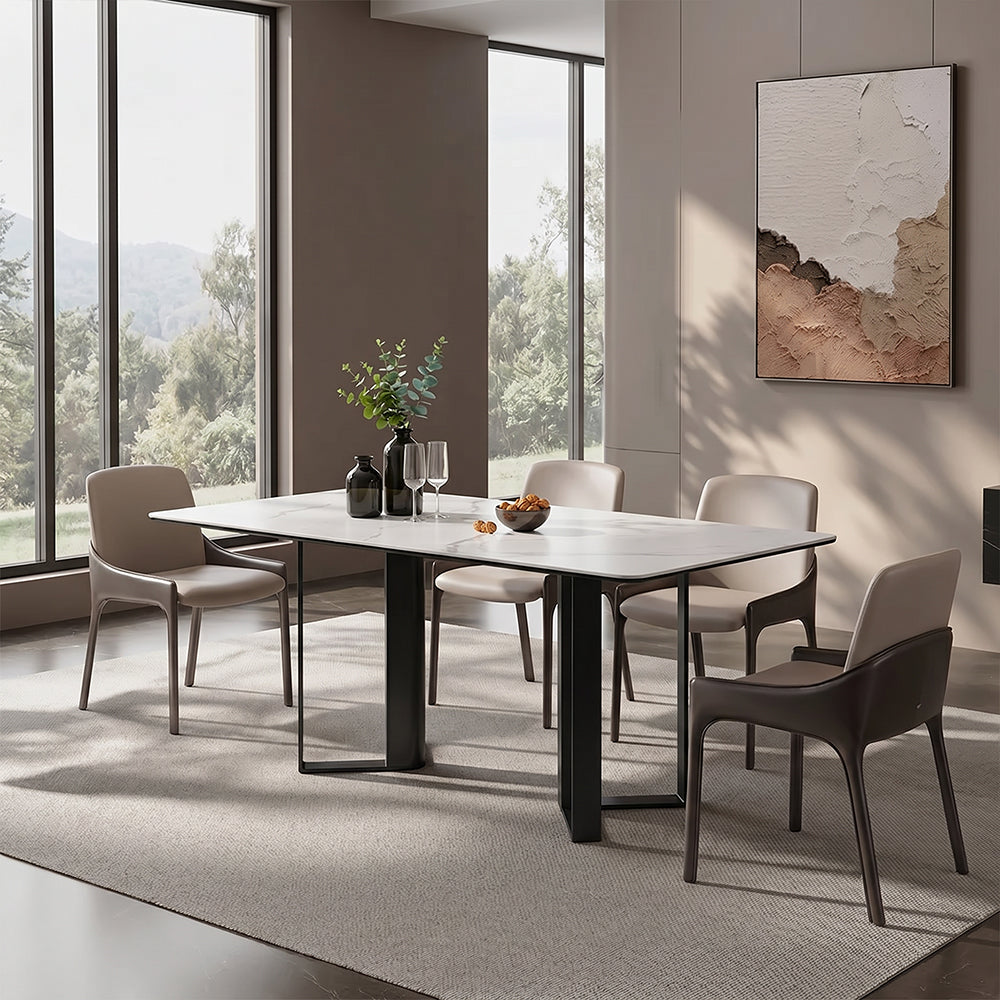
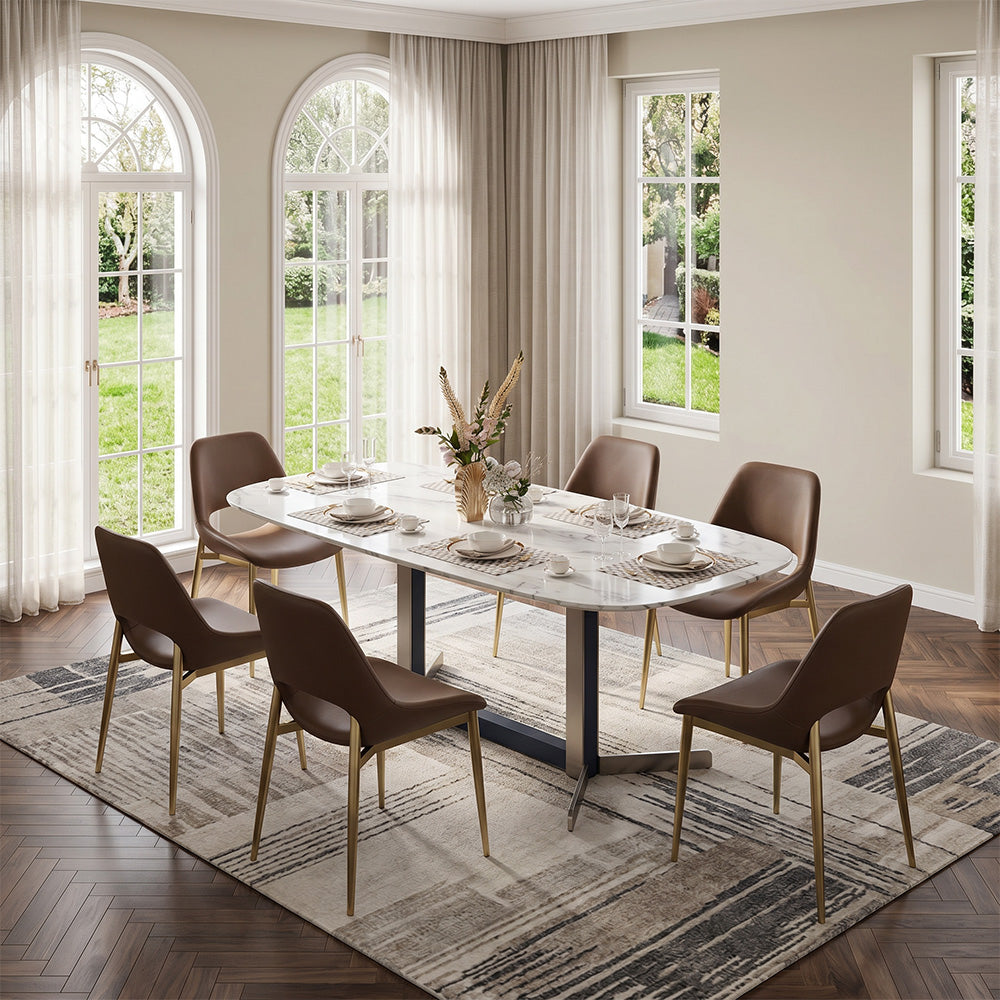
A dining table isn’t just for meals — it’s the most versatile surface in the home. From quick breakfasts to long dinners, work-from-home hours to weekend gatherings, it needs to hold up without demanding constant care.
  • Right-sized for your space
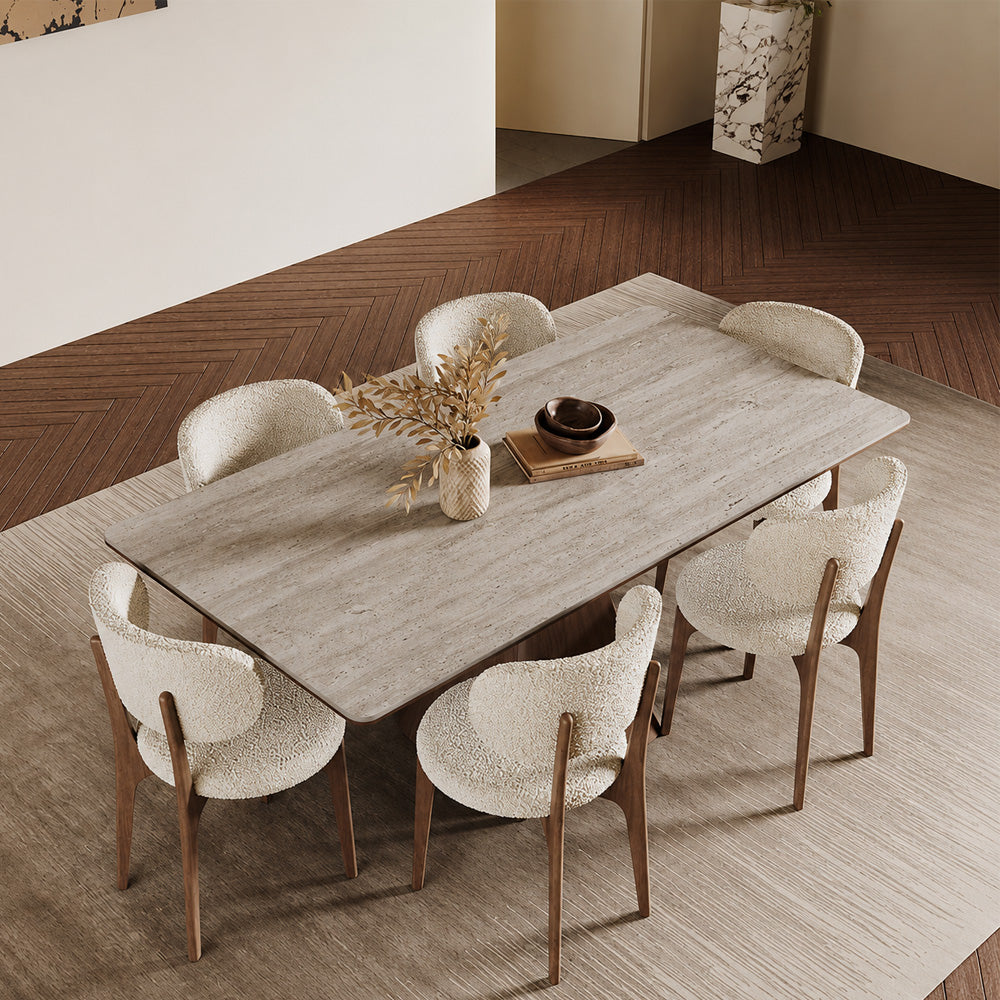
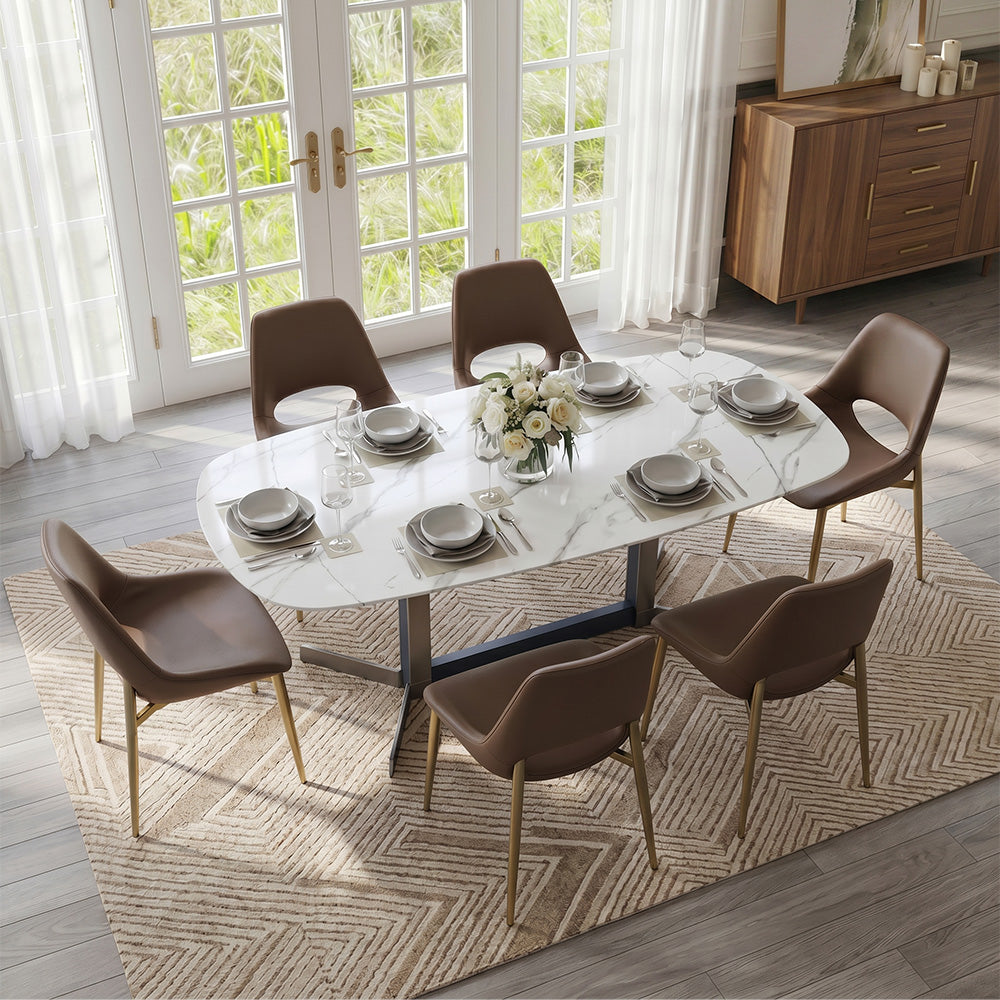
    Choosing the right dining table starts with proportion. Most homes benefit from leaving enough clearance around the table for chairs to move comfortably and people to pass through with ease. Our dining tables are designed with everyday flow in mind, helping you balance seating capacity with livable circulation.
  • Materials that age gracefully
    Solid wood, engineered veneers, stone, and mixed-material designs each bring different strengths. We select materials for stability, surface durability, and visual warmth — so your table looks just as considered years from now as it does on day one.
  • Flexible seating, when you need it
    Extendable dining tables offer breathing room for real life. They stay compact for daily use and expand effortlessly when guests arrive, without compromising balance or stability.

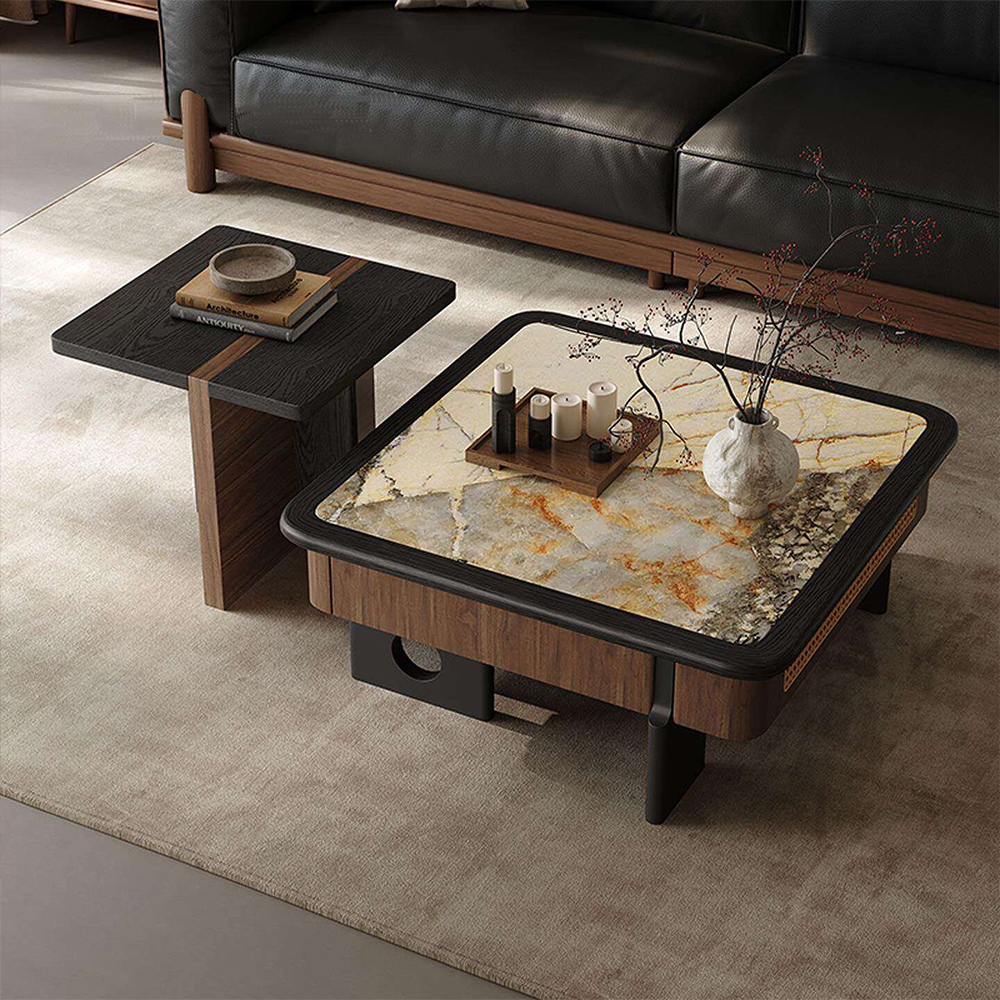
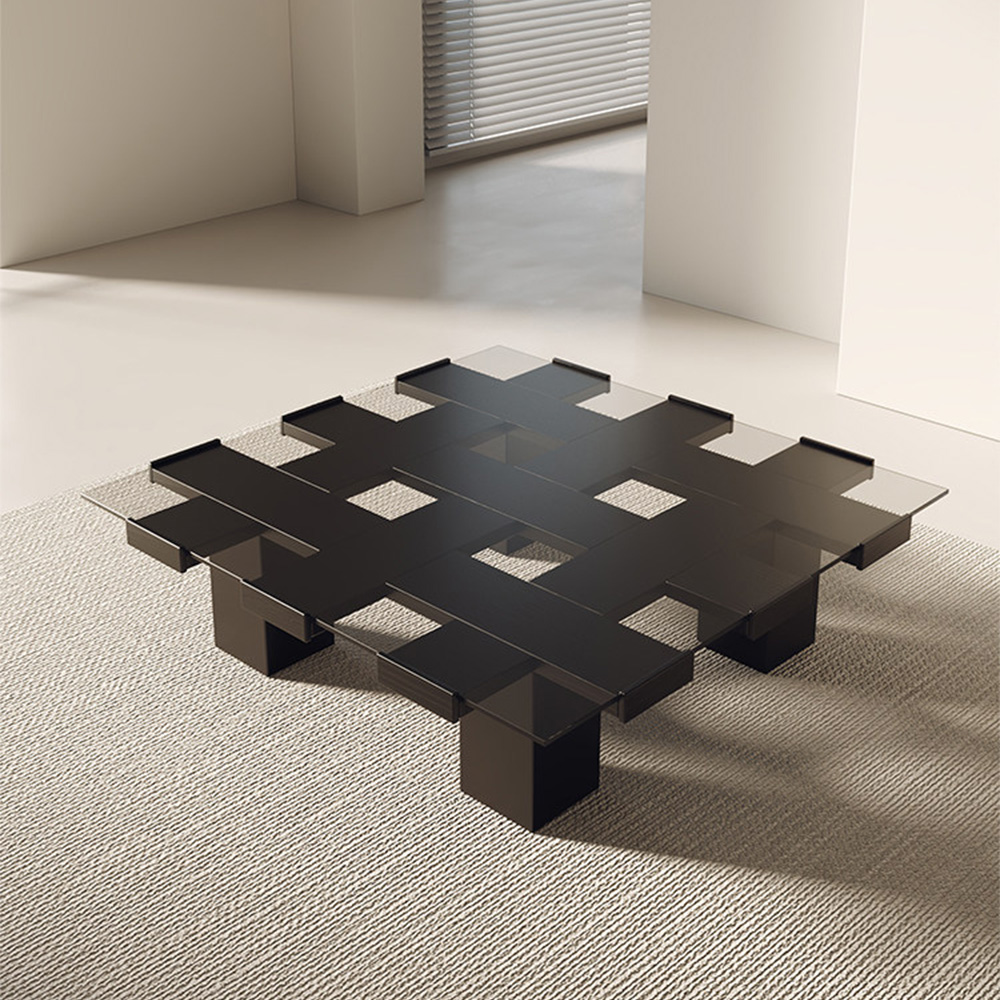
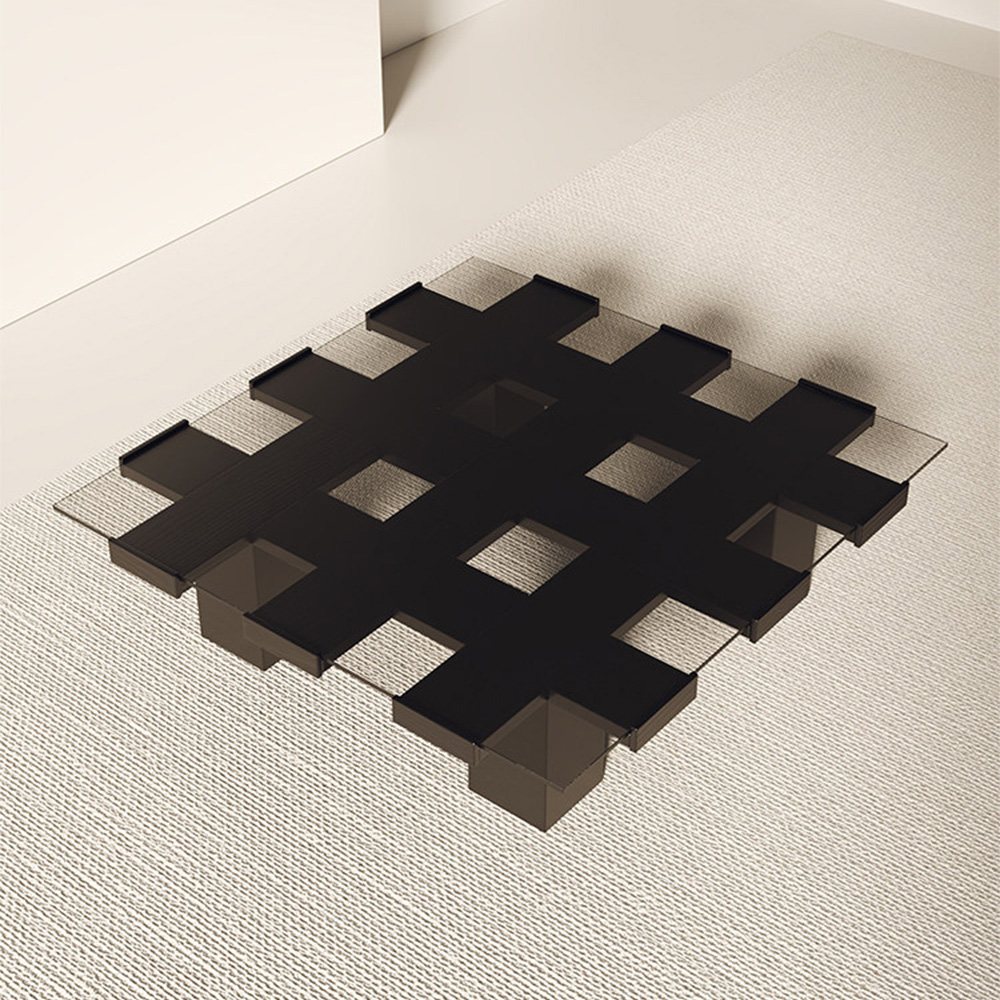
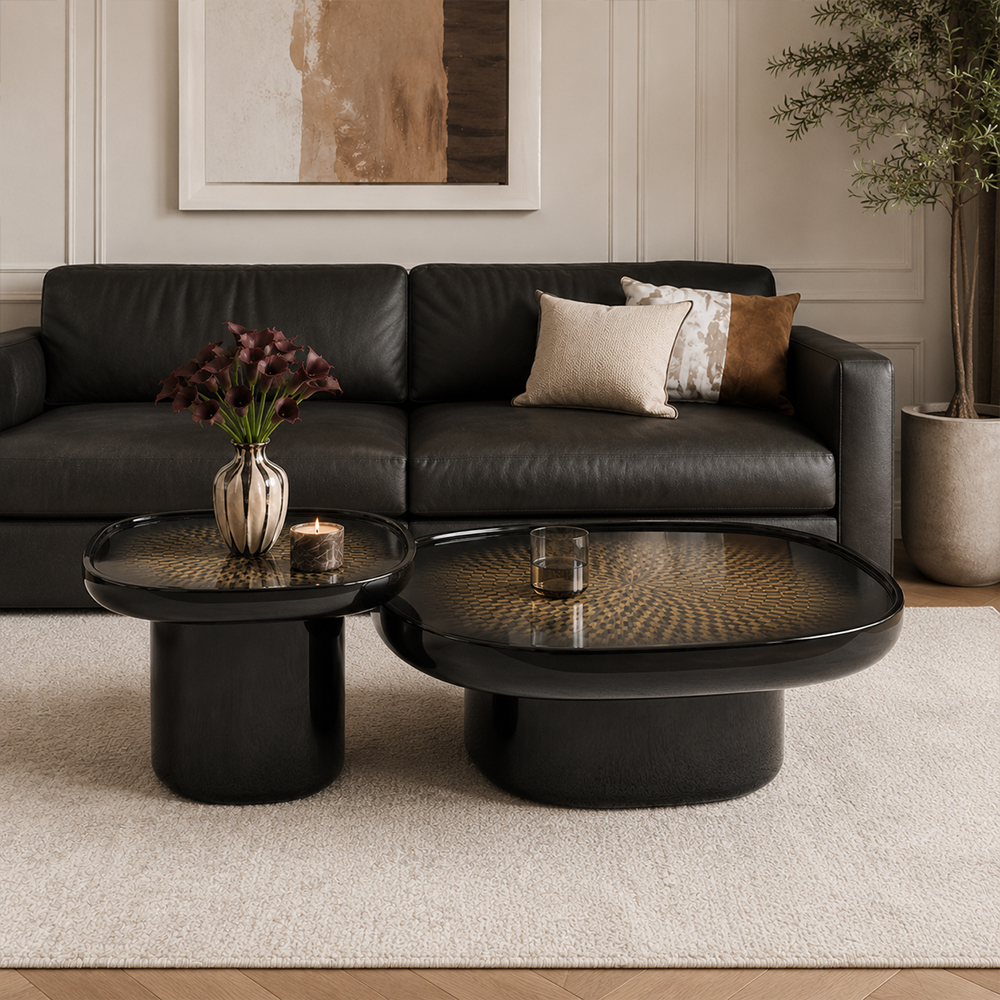
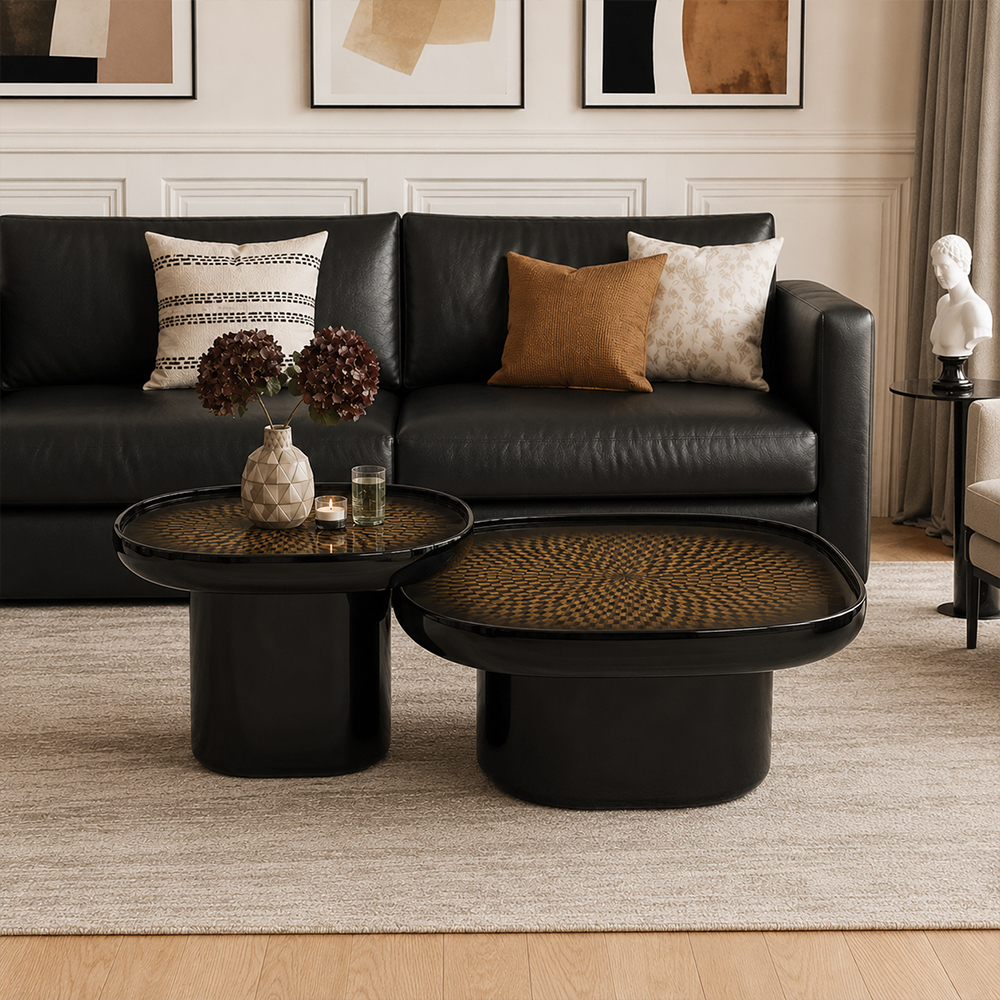
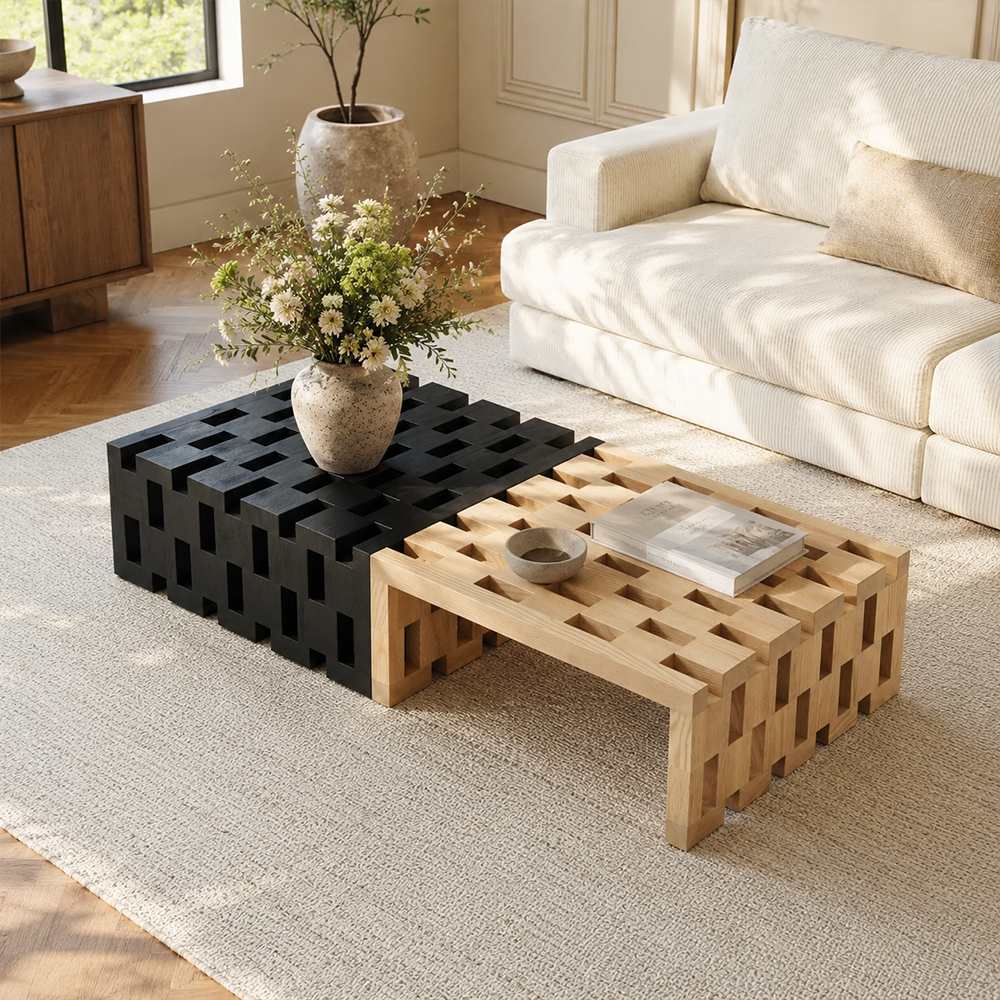
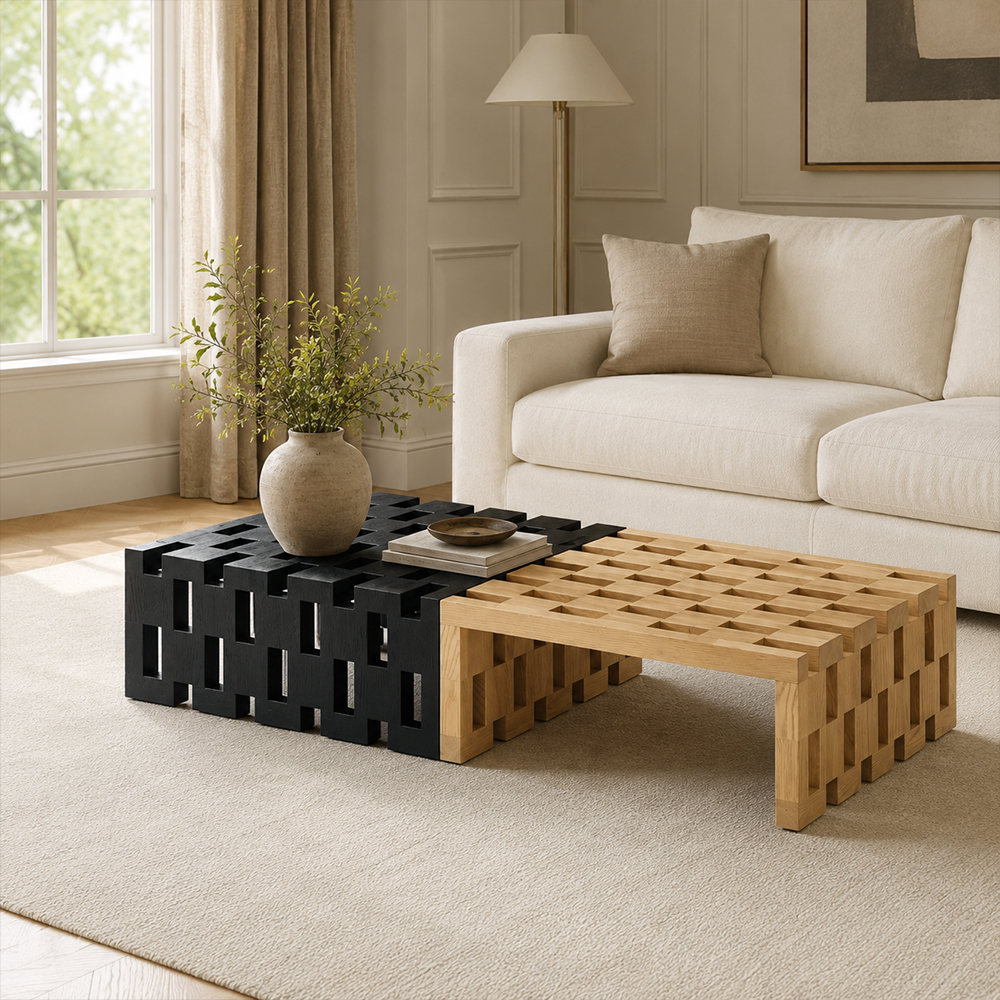
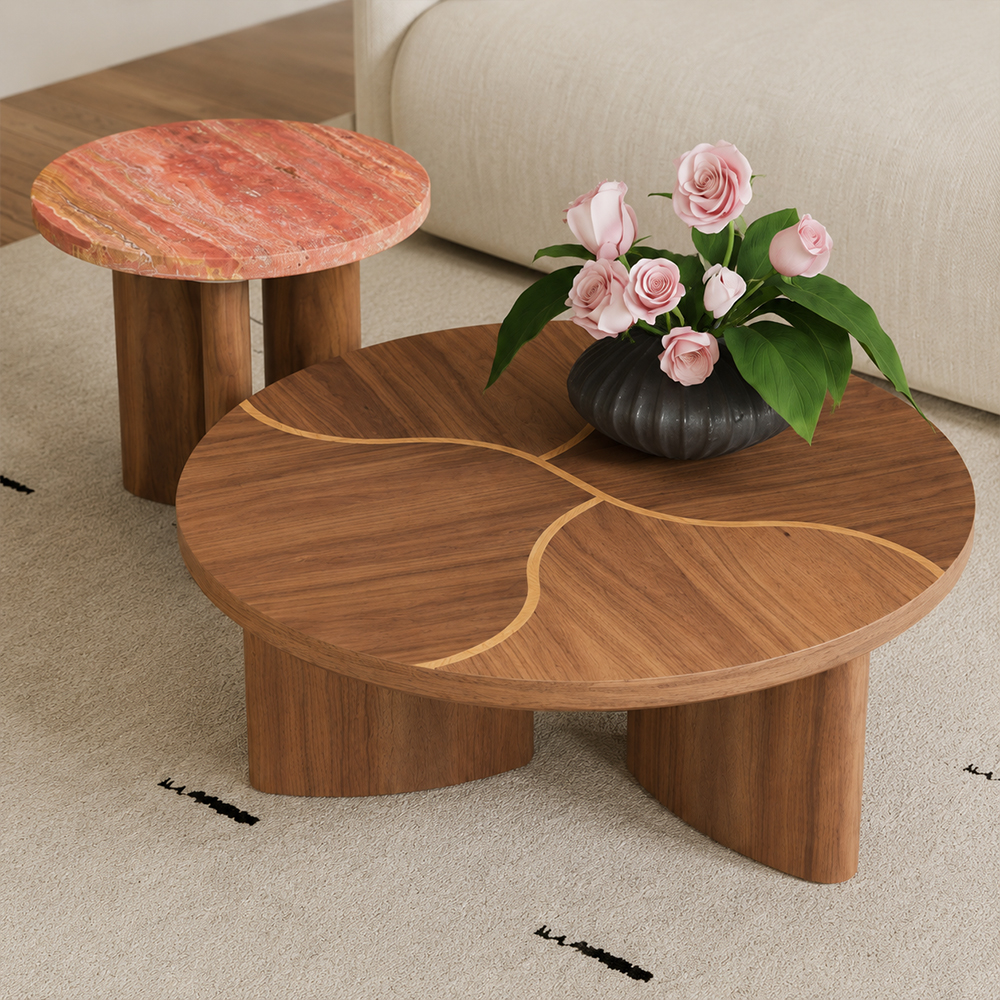
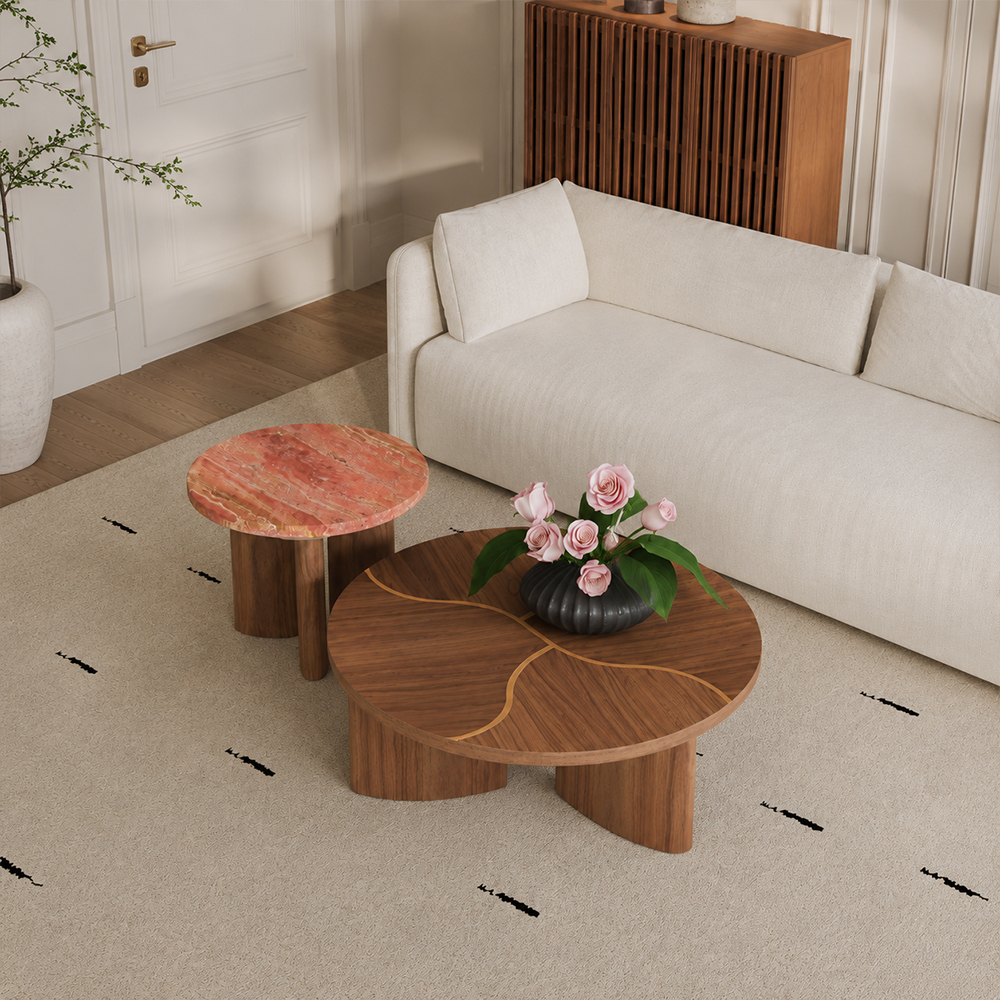
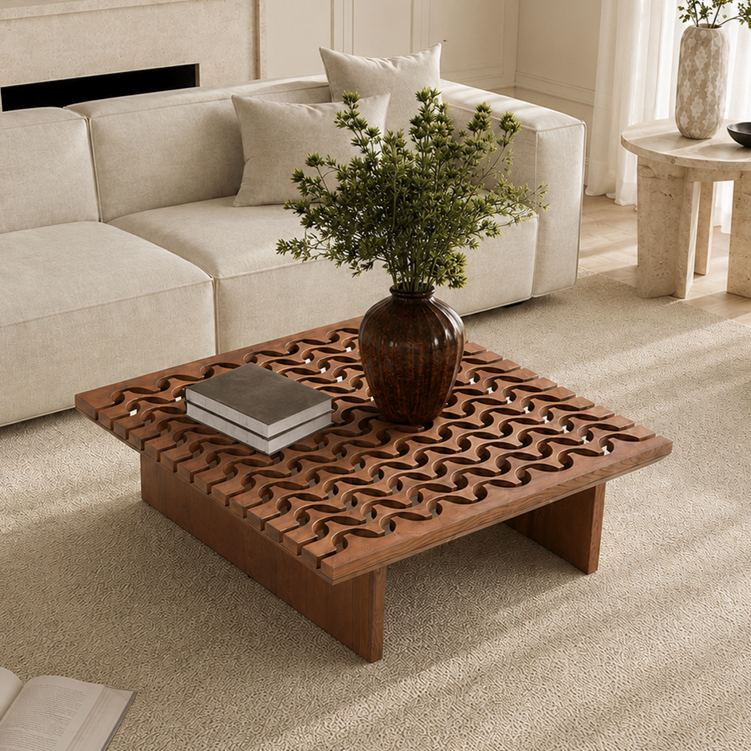
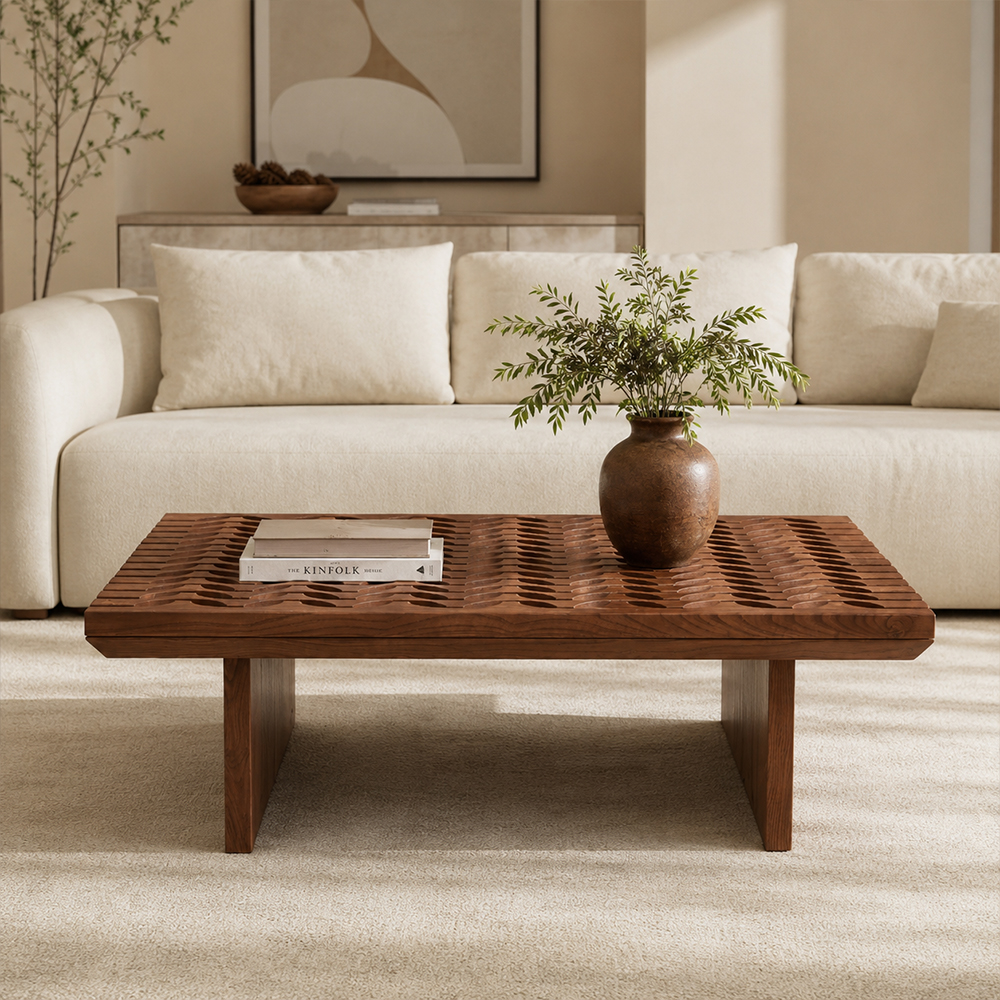
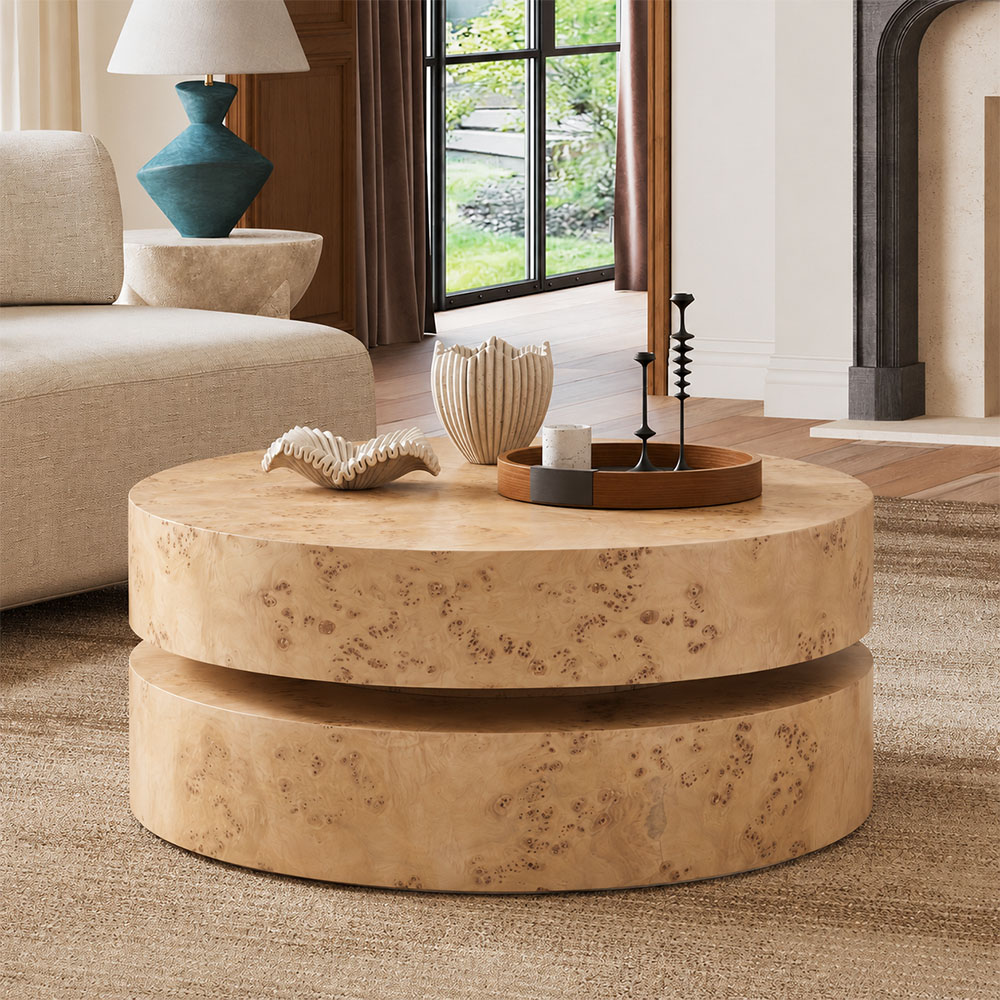
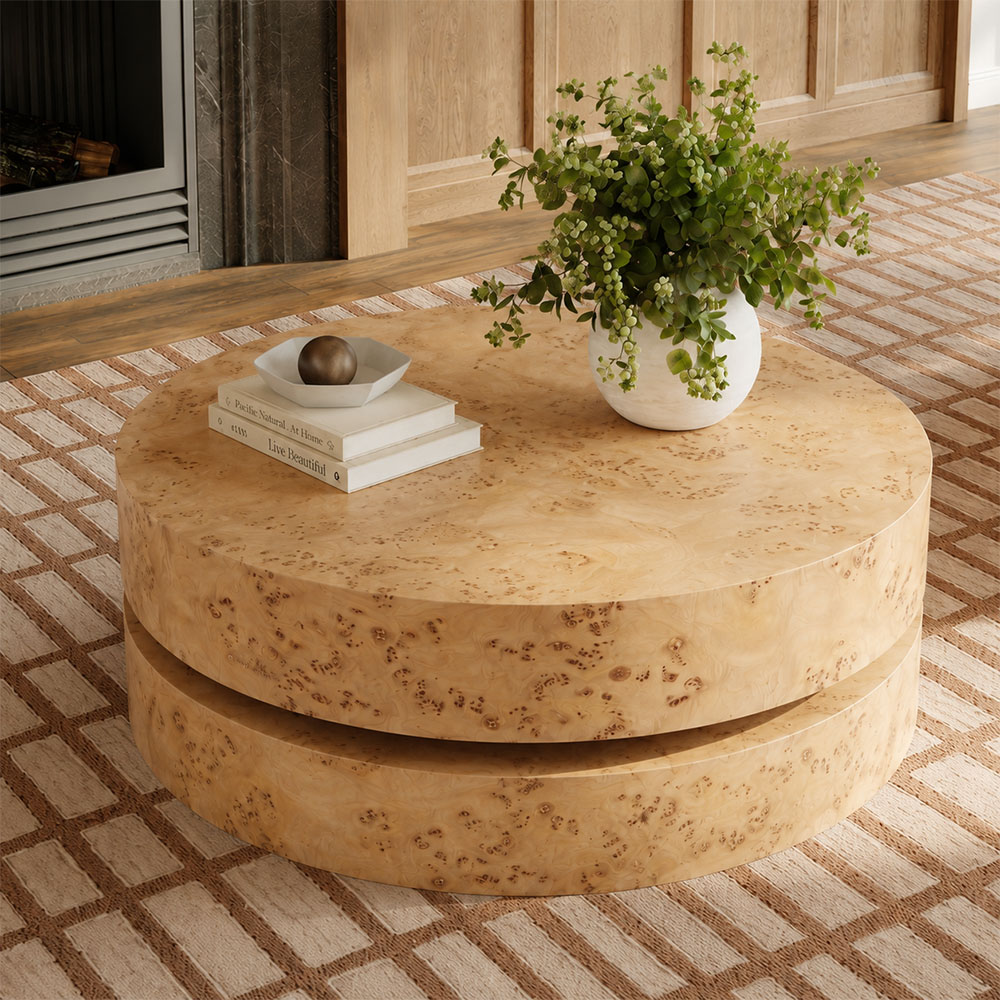
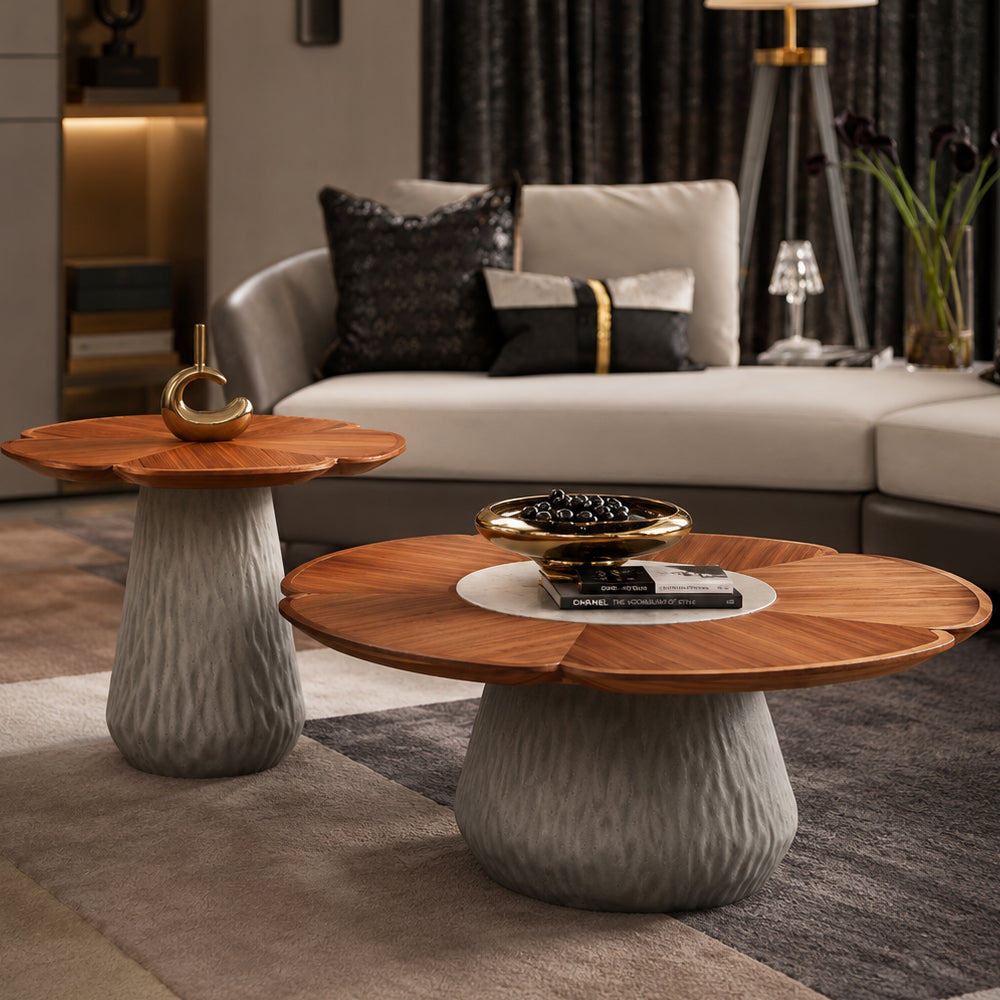
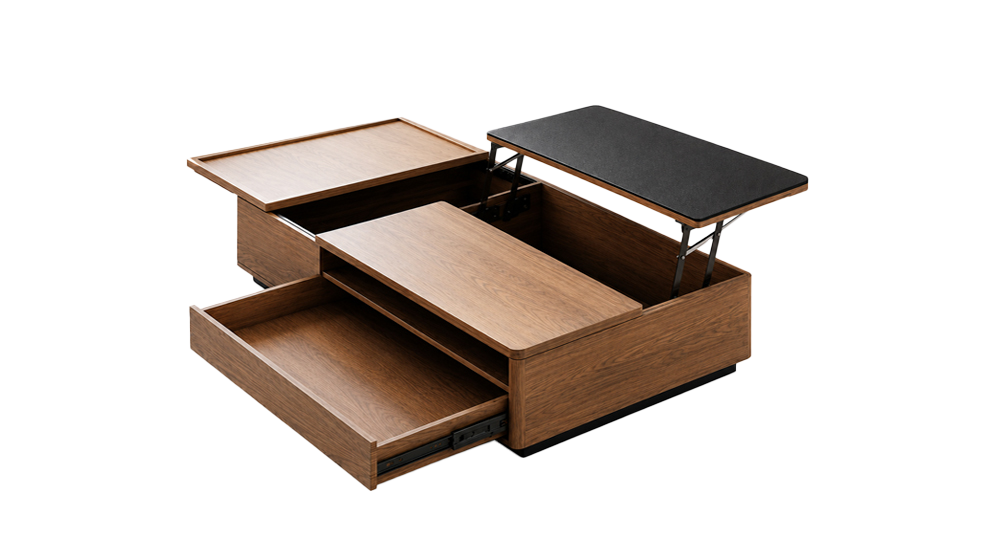
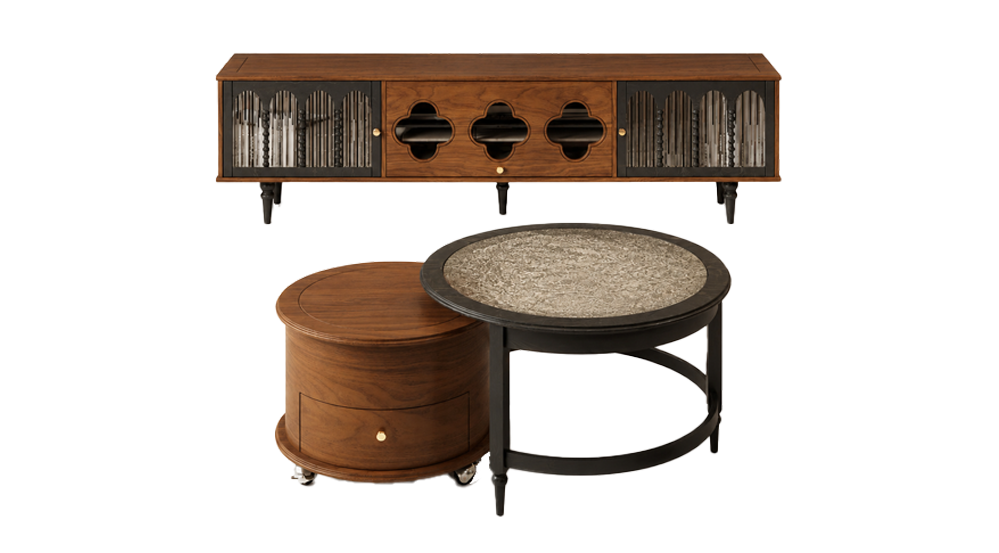
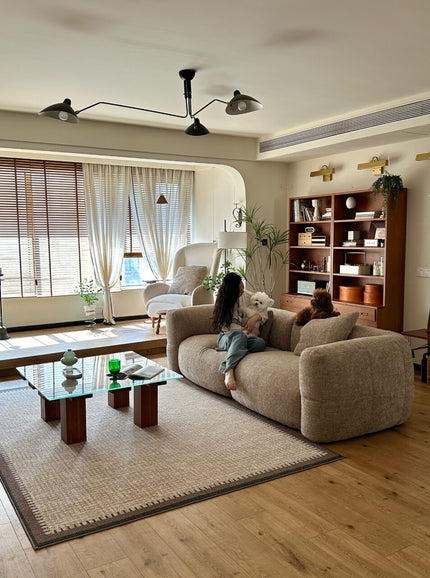
A coffee table sets the tone for the entire seating area. Get the proportions right, and everything else feels easier.

  • Proportion over presence
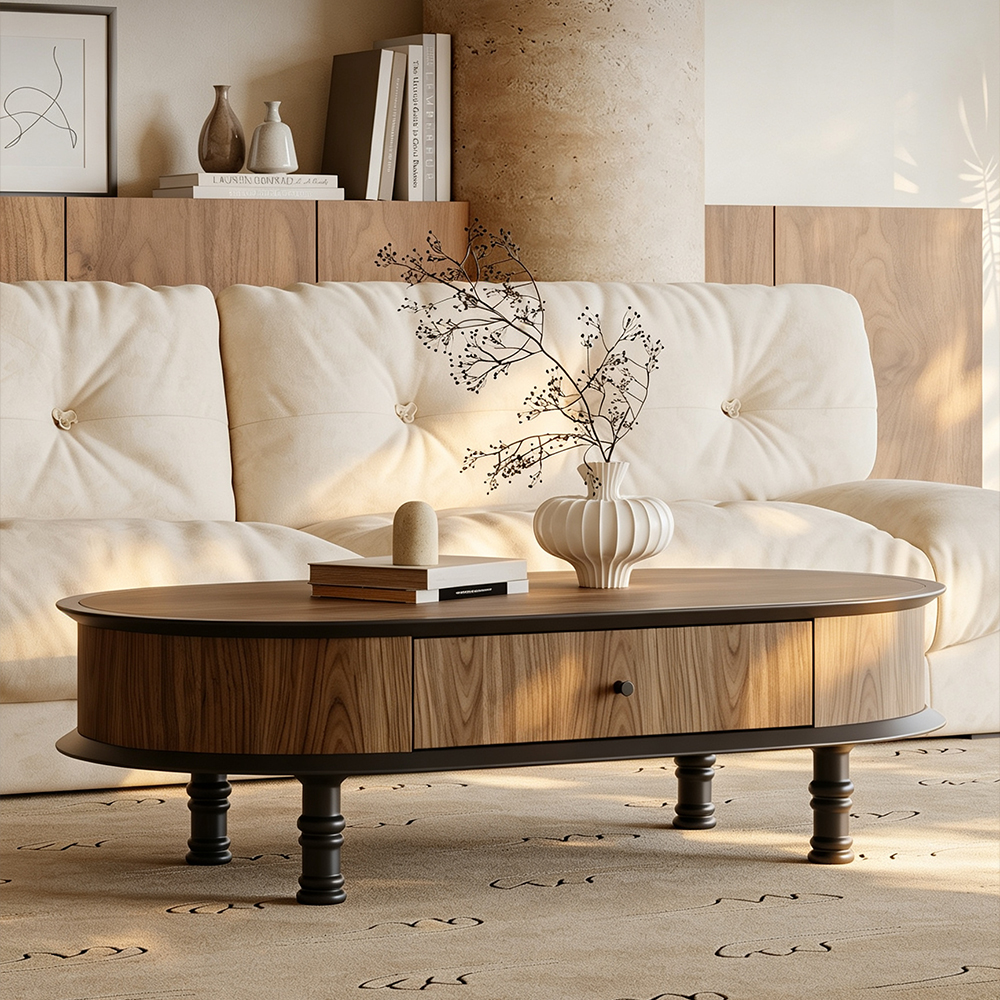
    The best coffee tables complement the sofa without overpowering it. Ours are designed to sit comfortably within reach, leaving enough space to move freely while still grounding the room visually.
  • Shape matters
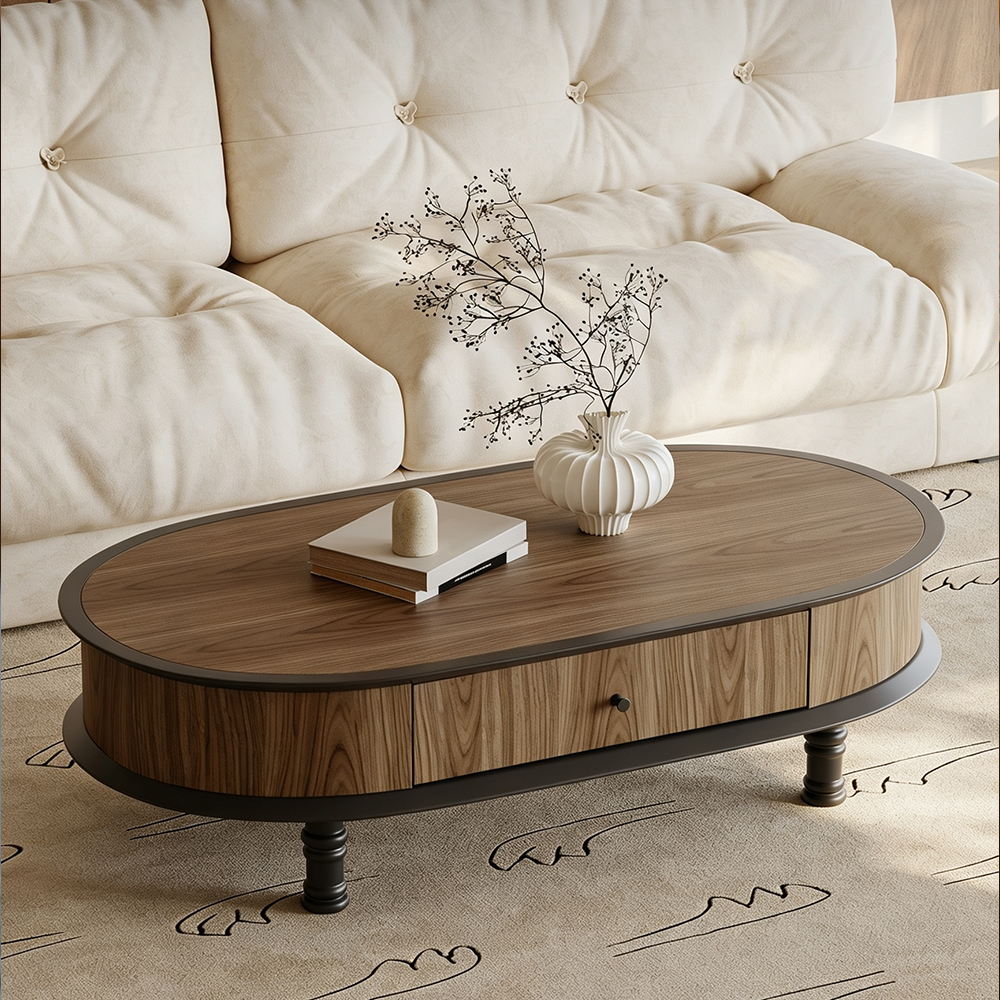
    Rectangular tables work well with long sofas, while round or oval designs soften movement in smaller spaces or family homes. Sculptural forms add character, while simpler silhouettes keep the room feeling calm and intentional.
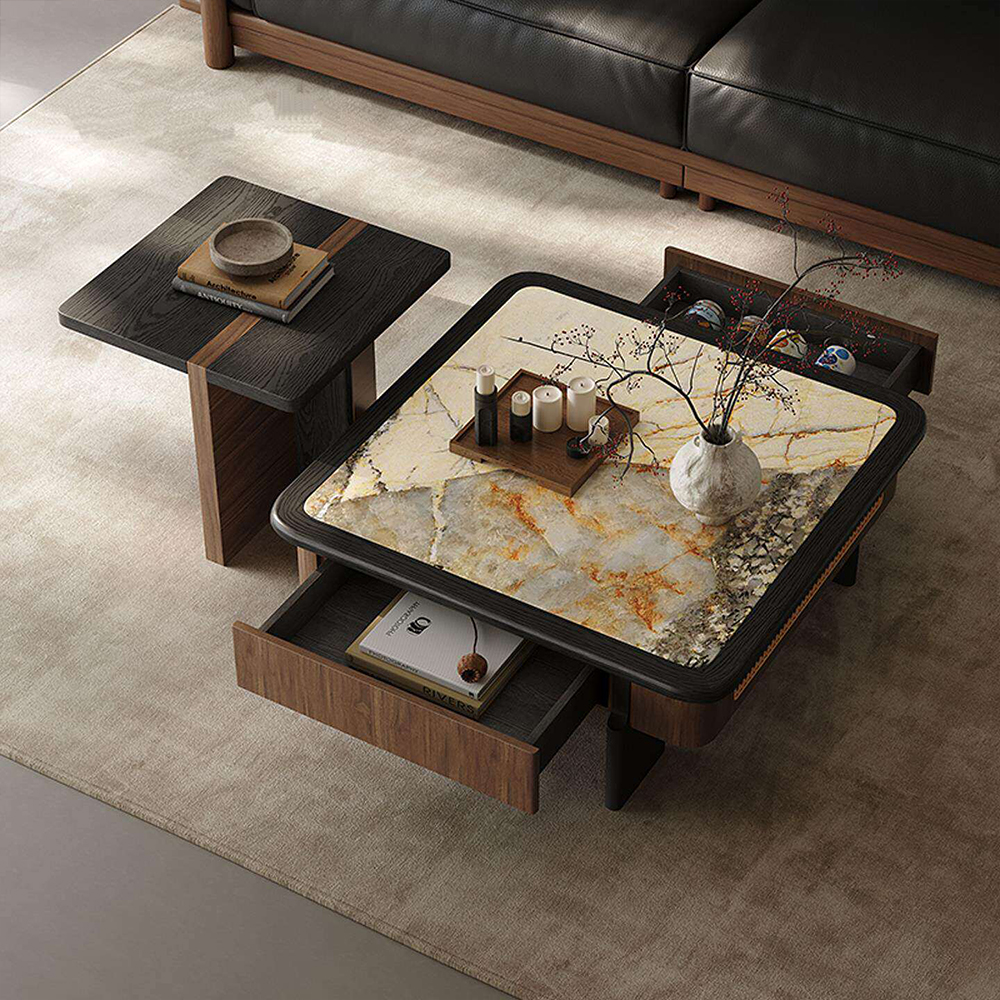
  • Storage, thoughtfully applied
    Some homes benefit from hidden drawers or shelves to manage remotes, books, and everyday clutter. Others prefer lighter, open designs that keep the space visually relaxed. Our collection offers both — so you can choose what suits your lifestyle.

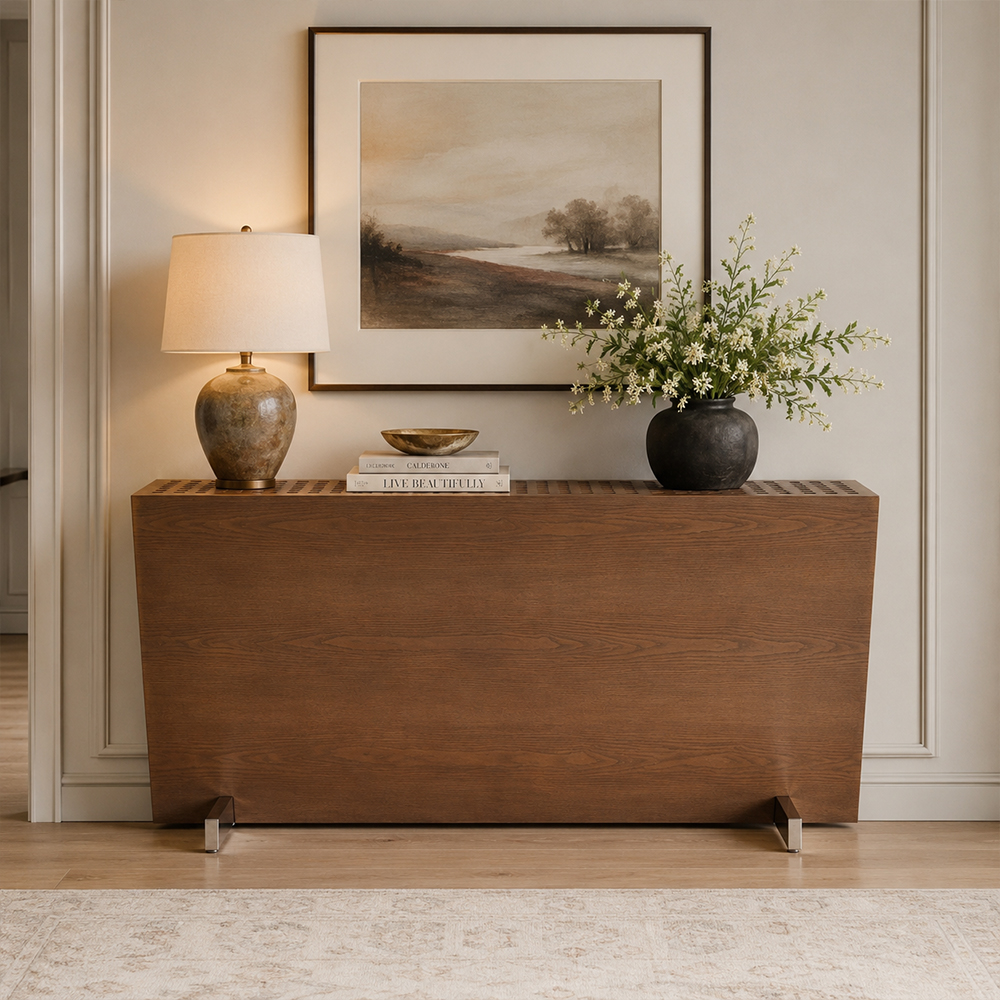
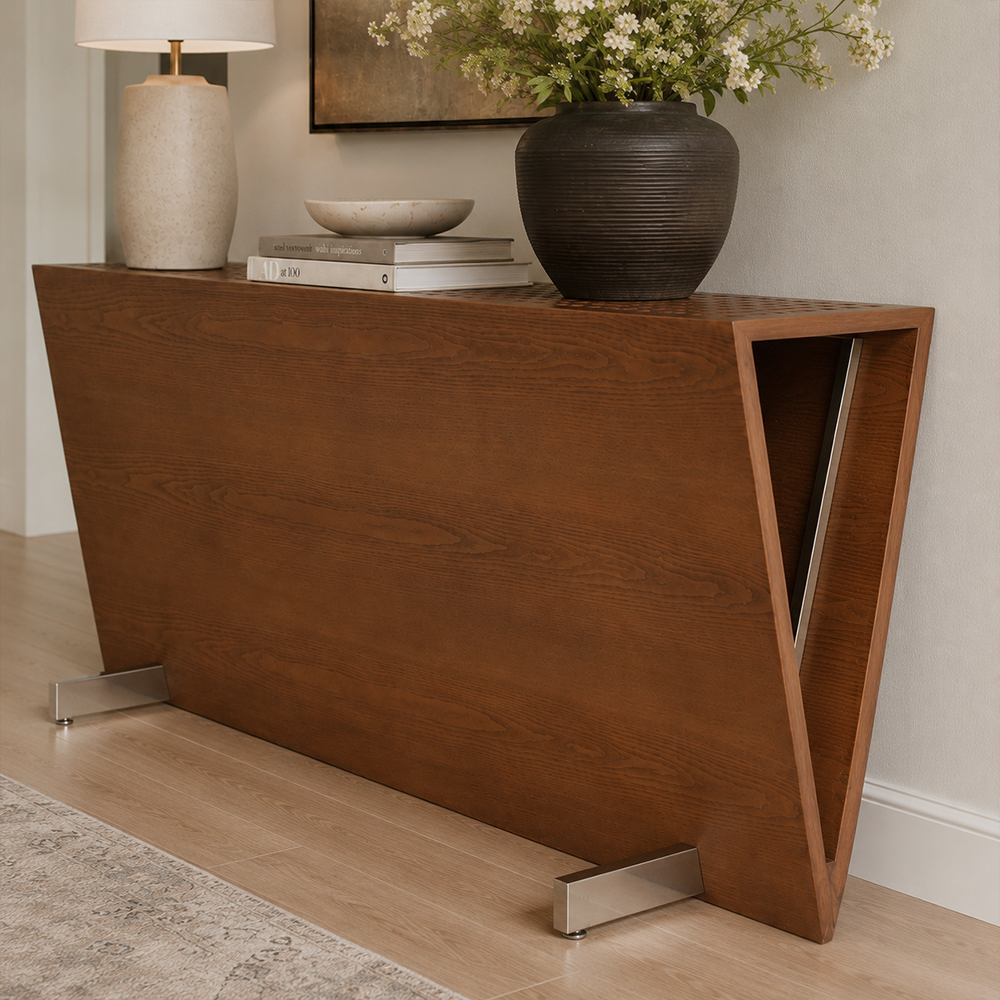
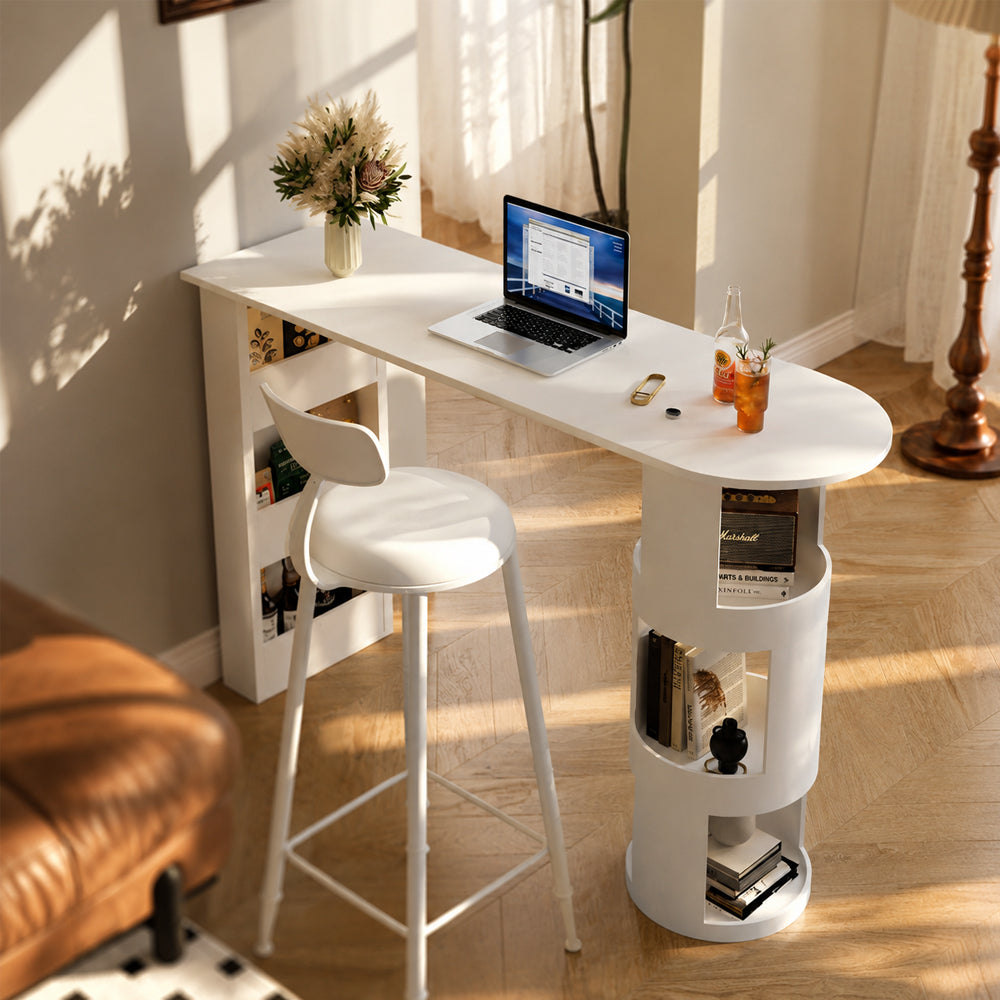
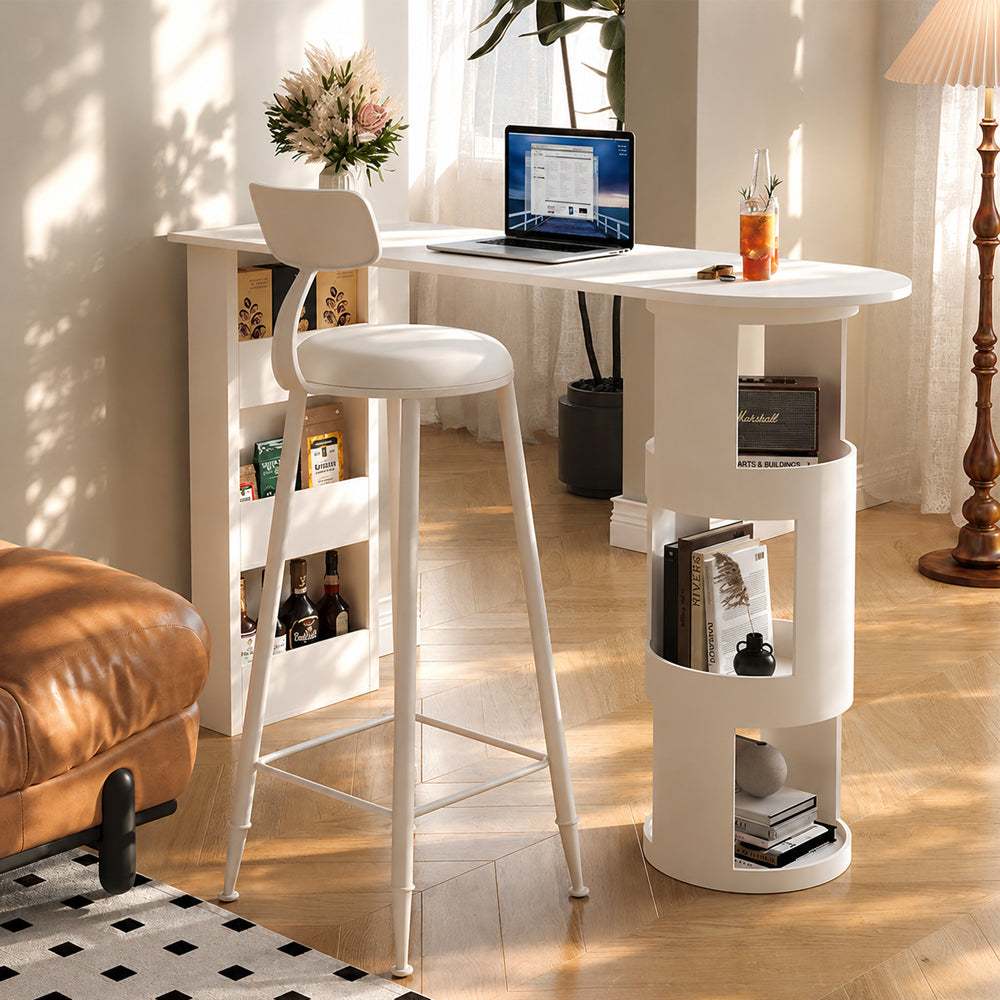
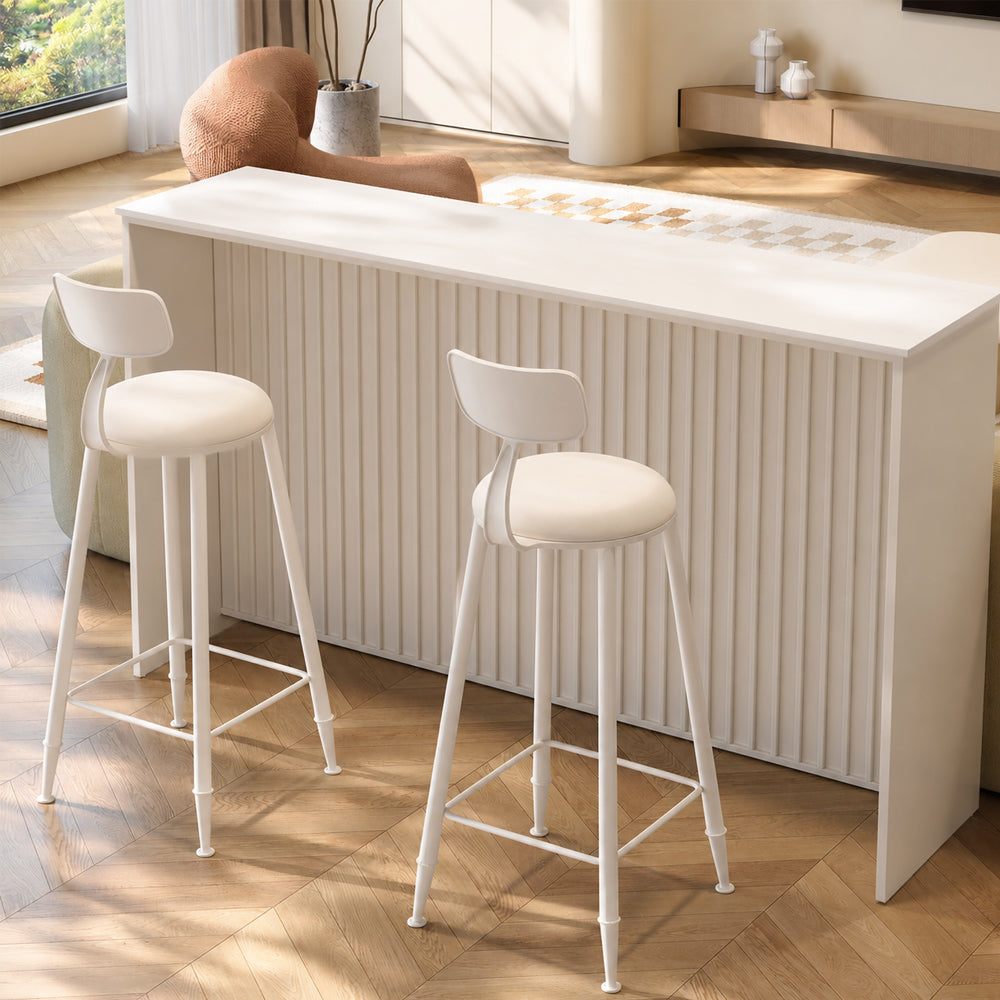
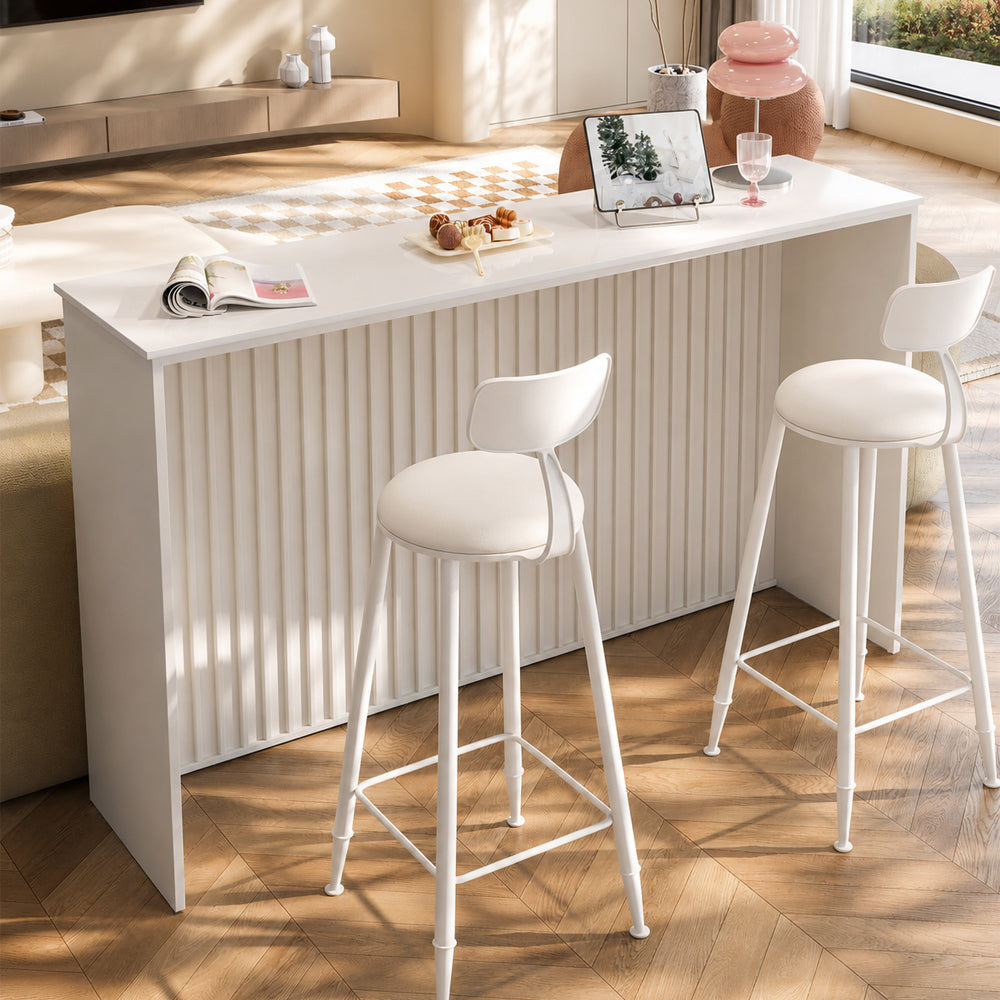
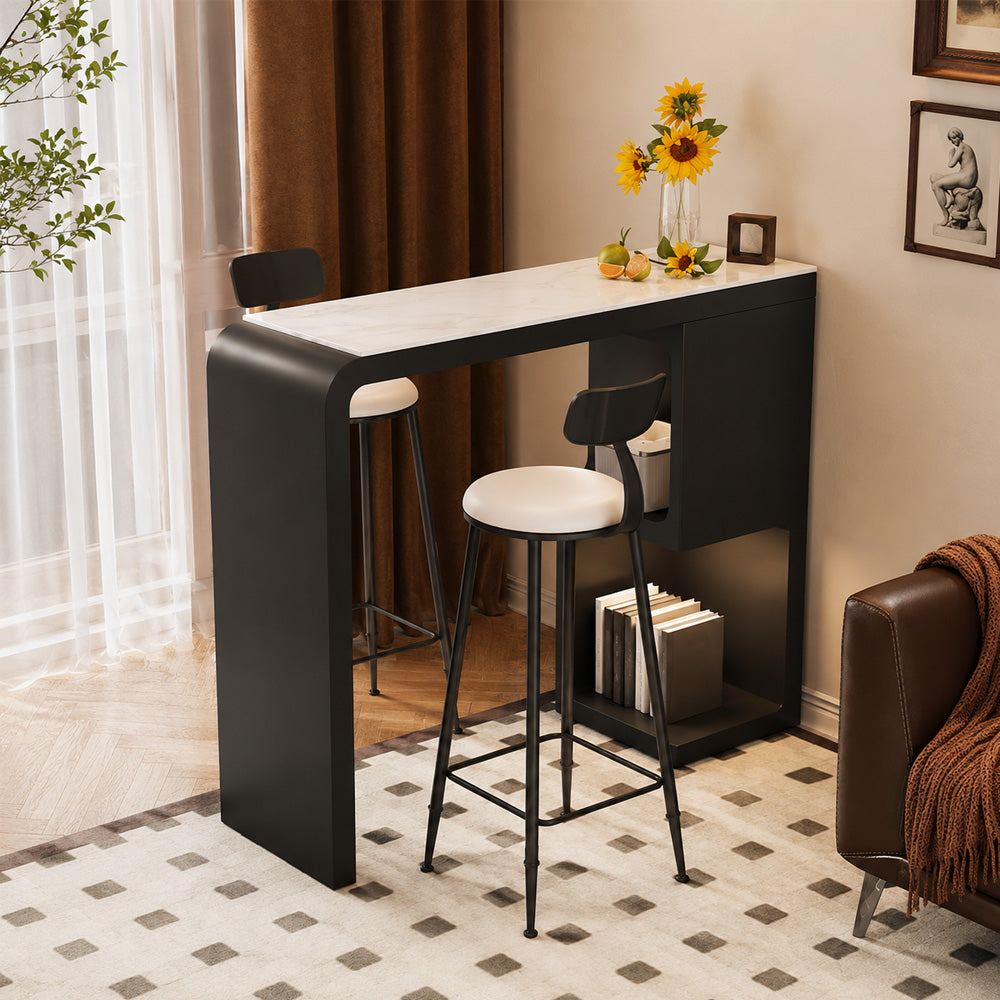
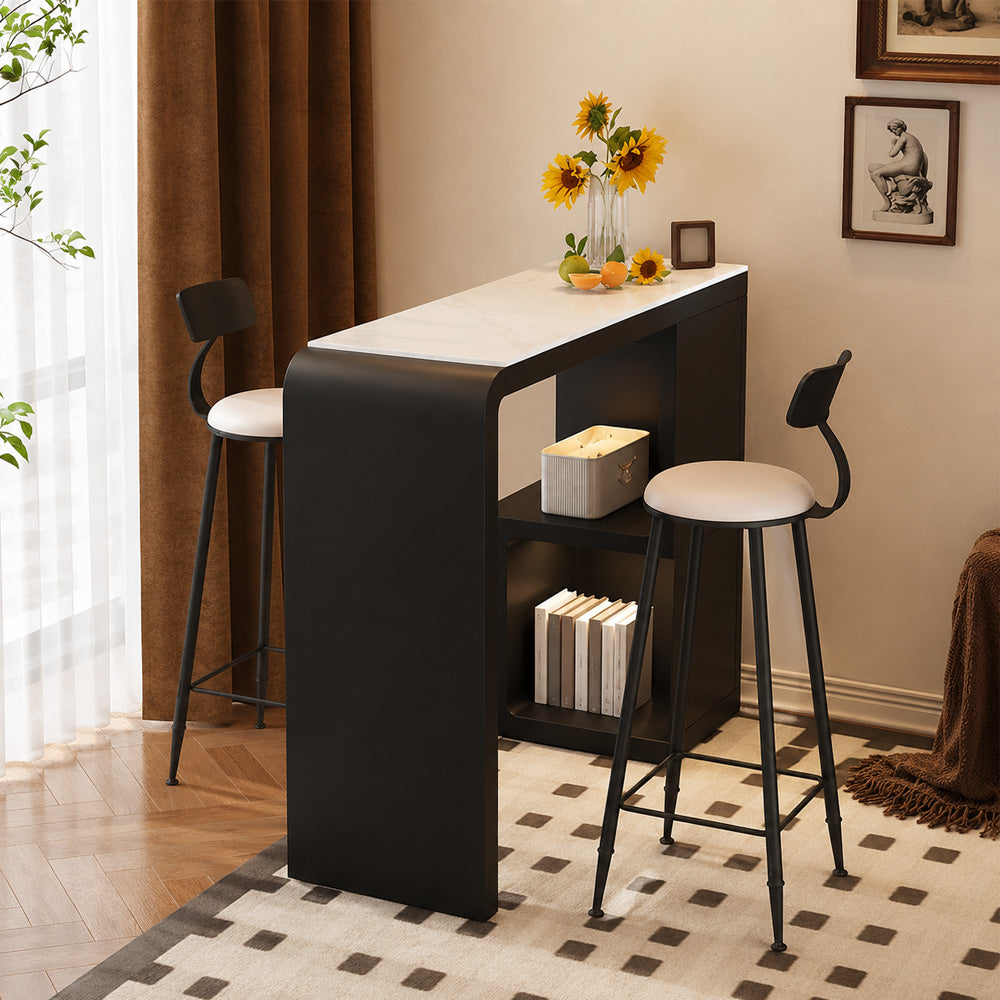
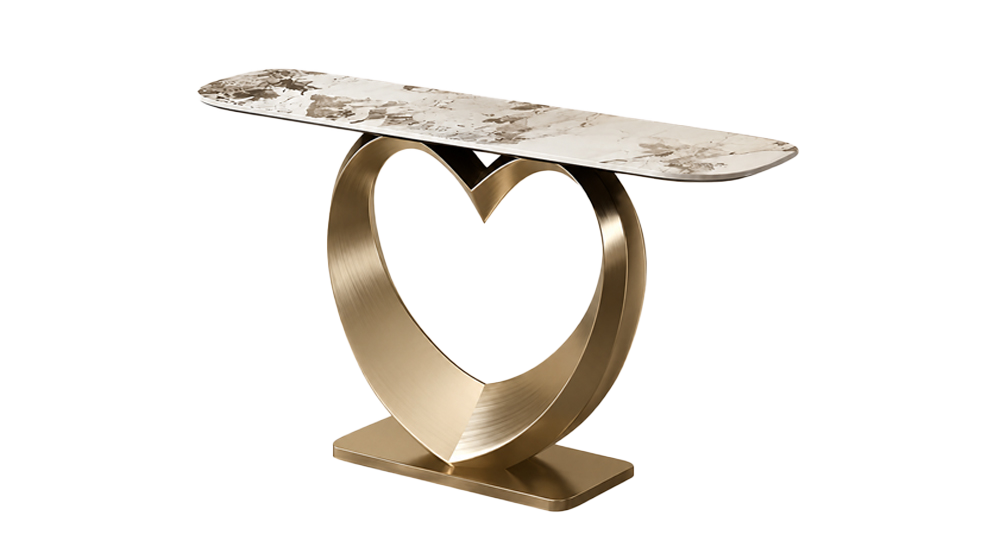
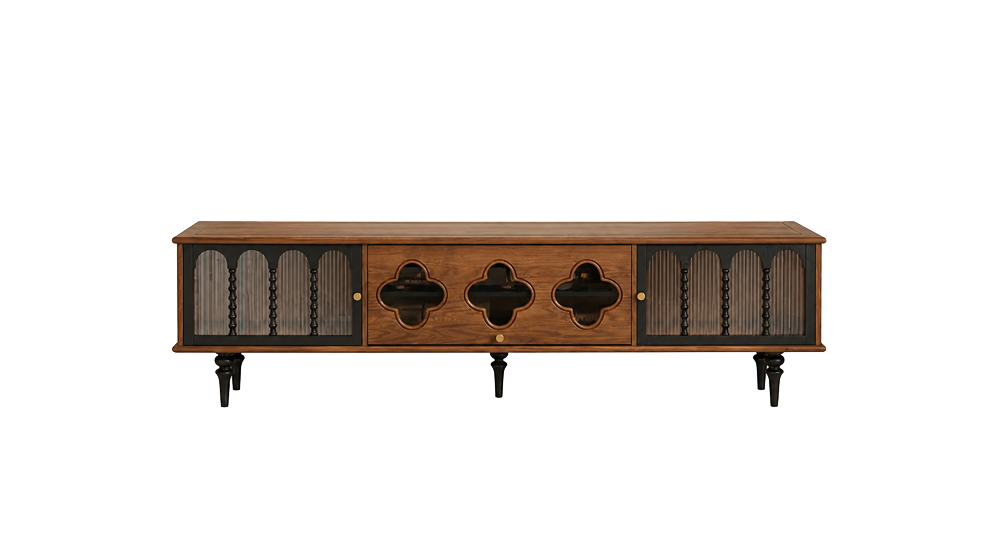
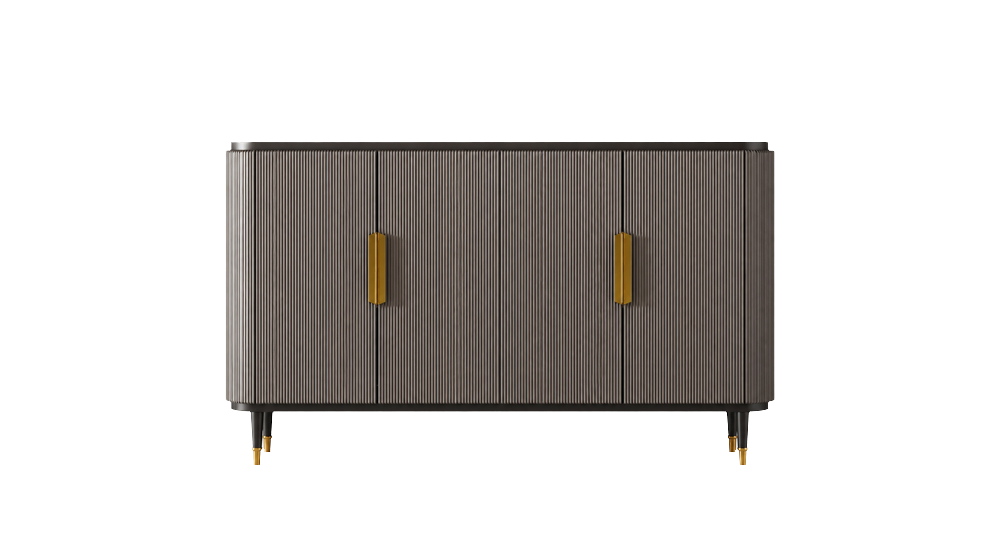
Console tables thrive in transitional spaces — entryways, hallways, and behind sofas — where every inch matters.

  • Slim profiles, practical use
    Designed with narrow depths, console tables offer a landing spot for lighting, décor, or daily essentials without disrupting walkways.
  • Open vs. enclosed storage
    Drawers help control visual clutter in entryways, while open bases keep living areas feeling airy. The right balance depends on where the table lives and how you use it.

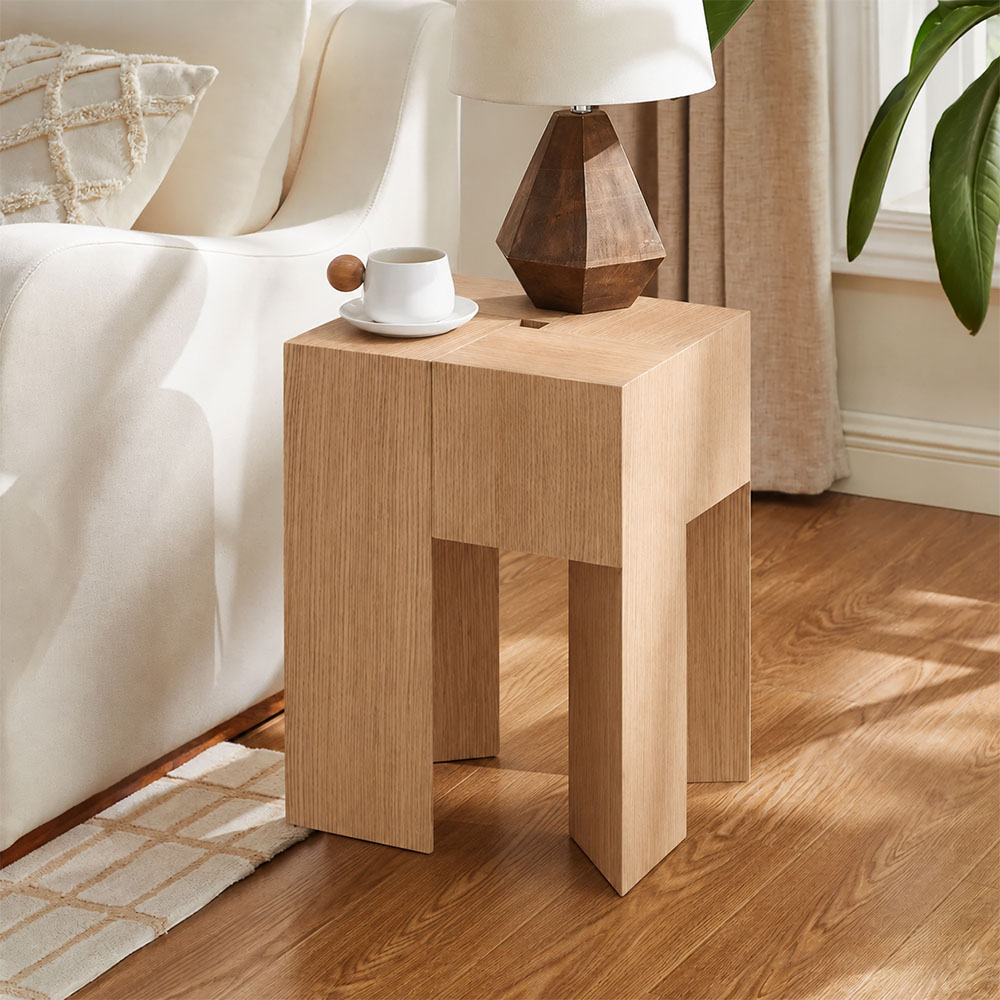
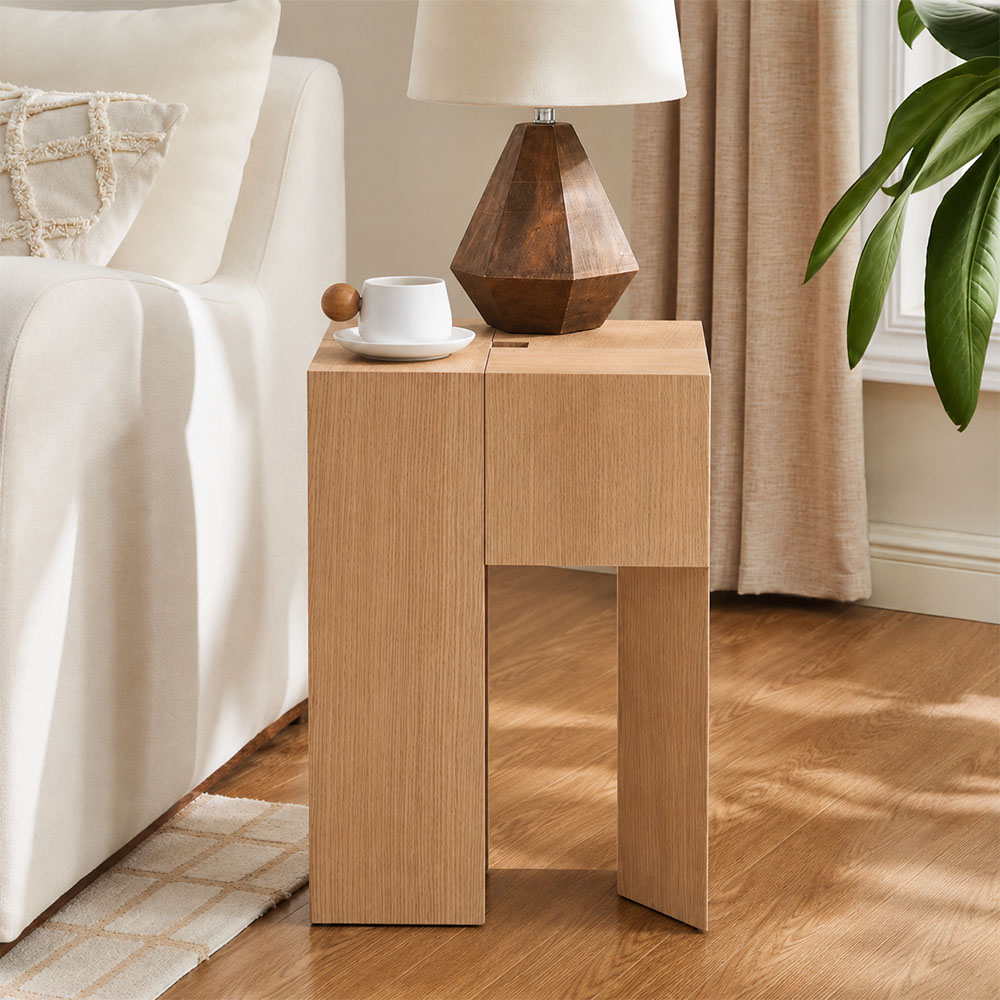
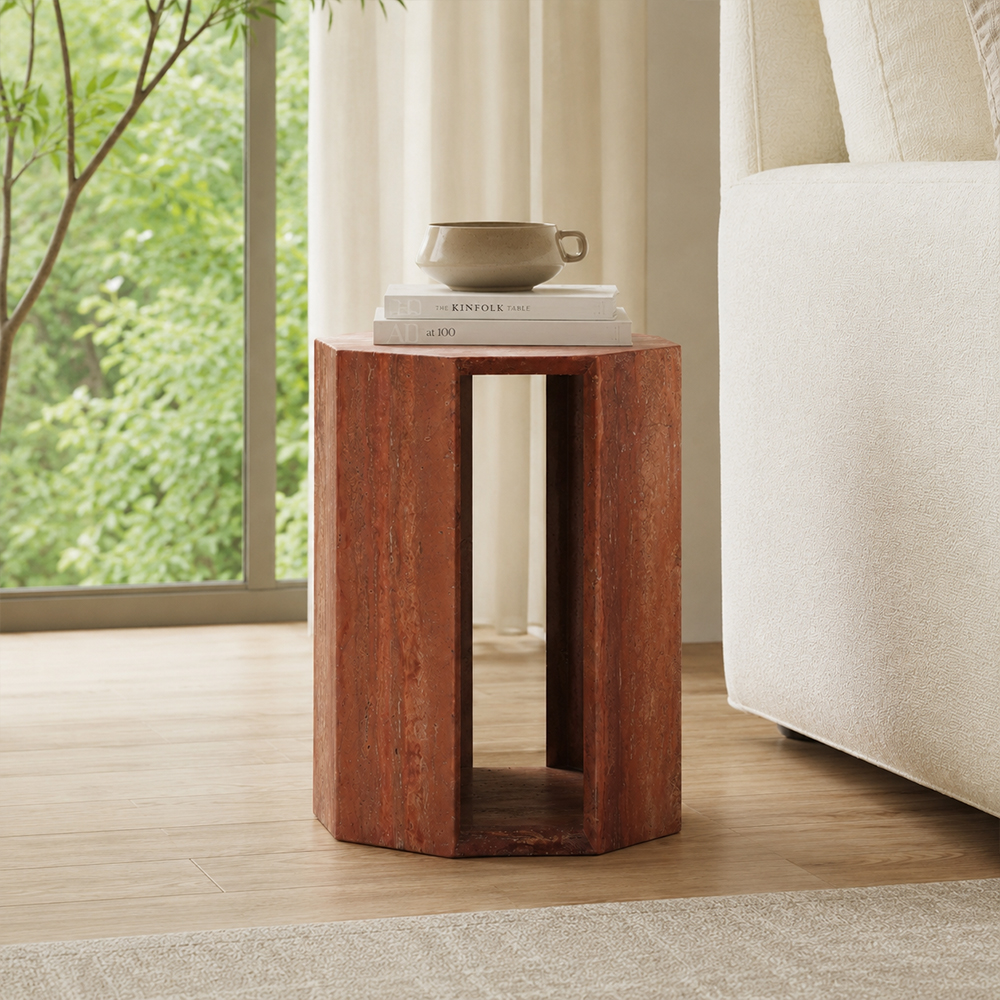
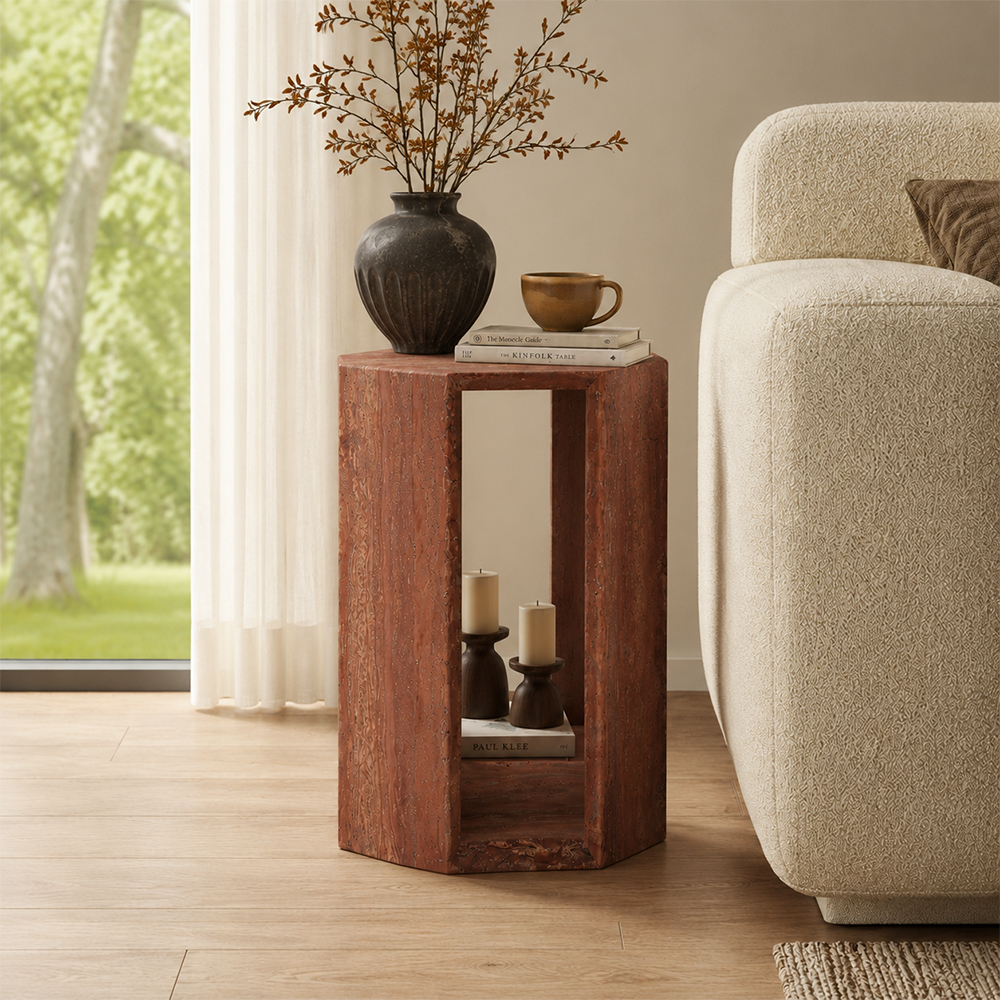
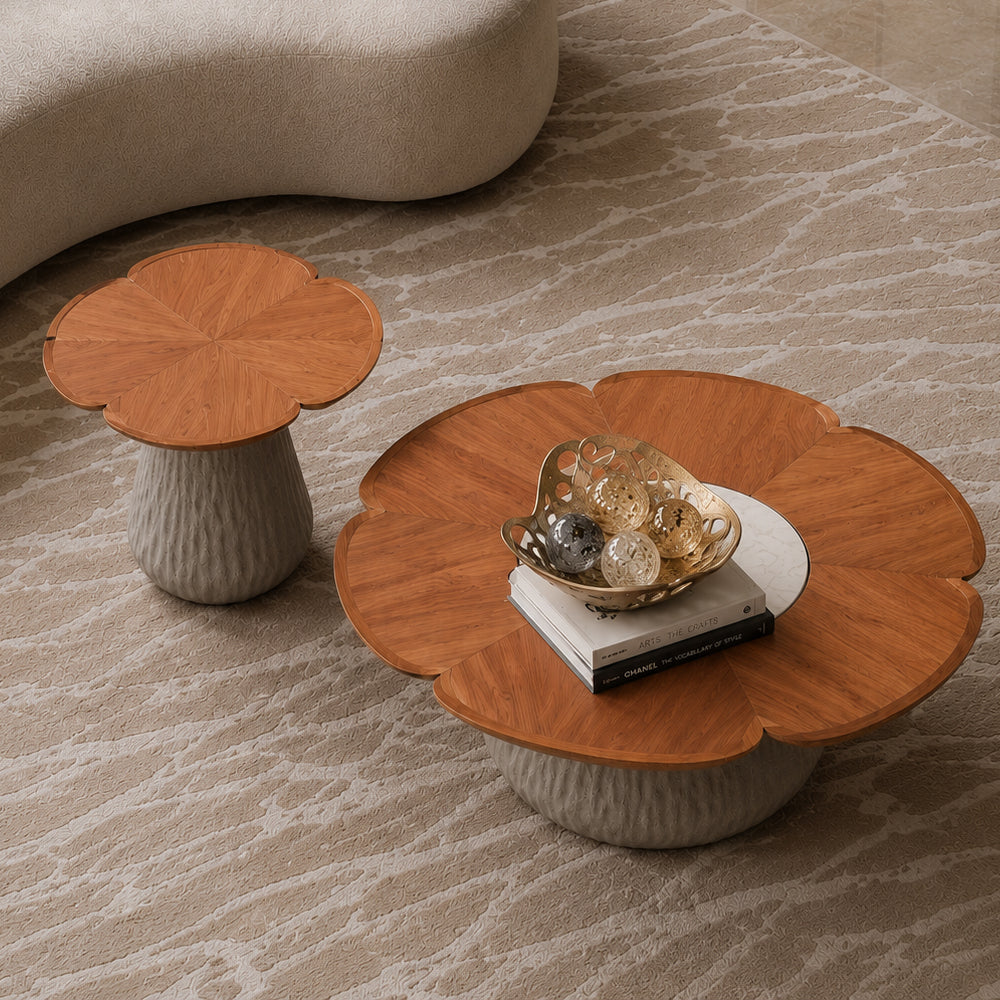
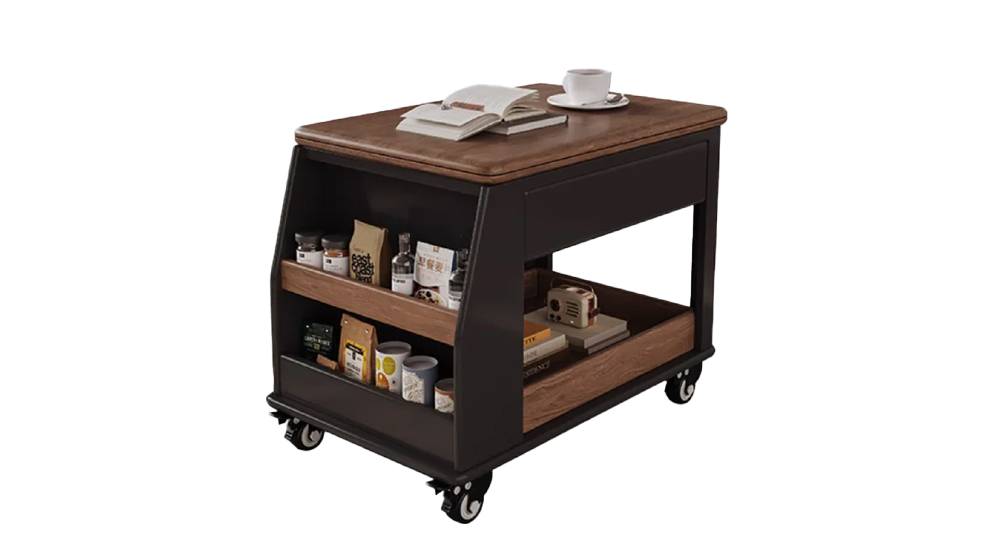
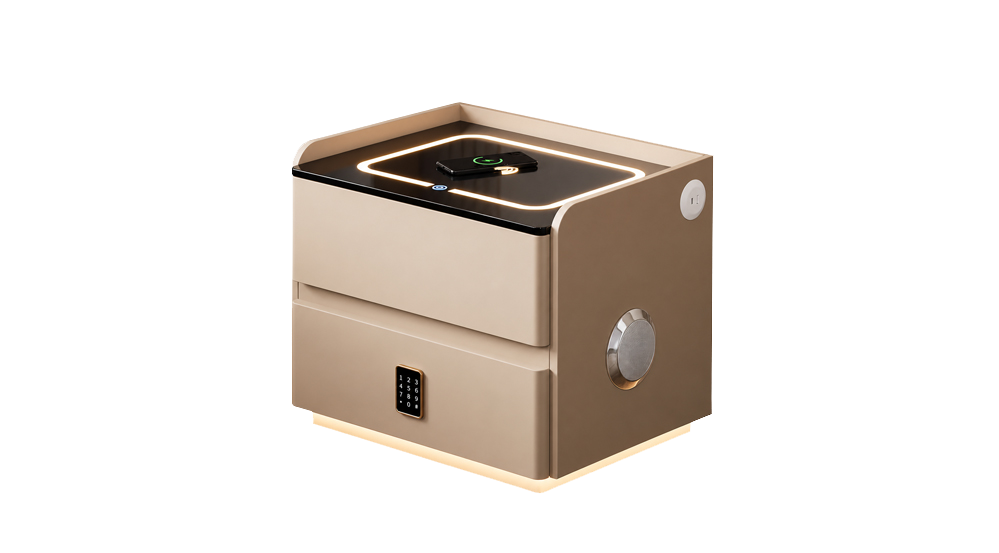
Side tables and end tables may be compact, but they play an outsized role in comfort.

  • At the right height, within reach

A well-designed side table sits naturally beside seating — close enough for a drink, book, or lamp without forcing awkward movement.

  • Visual balance through contrast

Round side tables can soften angular seating, while solid, sculptural designs help anchor lighter furniture. Mixing shapes and materials often creates a more relaxed, lived-in feel than perfect matching.

The way a table looks matters — but how it holds up matters more.

  • Solid wood offers warmth and longevity, with the ability to age and be refinished over time.
  • Engineered wood and veneer provide stability and refined finishes with lighter weight.
  • Stone, glass, and metal add contrast and durability, with different maintenance needs depending on your household.

We design with real use in mind, selecting materials that balance beauty, strength, and long-term value.

FAQs About Tables

Most homes feel more comfortable when there’s enough clearance for chairs to pull out and people to move around naturally — without squeezing past or bumping into walls.

As a practical guideline:

  • Leave 36 inches (90 cm) of clearance on each side of the dining table for comfortable seating and circulation.
  • In tighter spaces, 30 inches (75 cm) can work, but anything less may feel cramped during daily use.
  • If the table sits near a wall or walkway, aim closer to 36 inches for easier movement.

Planning this circulation space early helps ensure your dining area feels open, functional, and easy to live with long-term.

A coffee table should feel close at hand without interrupting the natural flow of the living room.

A few tried-and-true proportions:

  • The coffee table length works best at about 1/2 to 2/3 the length of your sofa.
  • Table height should be equal to or up to 2 inches lower than the sofa seat height for comfortable reach.
  • Leave 14–18 inches (35–45 cm) of space between the sofa and the coffee table to allow easy movement.

Following these proportions helps the seating area feel balanced, comfortable, and visually grounded — rather than crowded or awkward.

Matching isn’t required. Coordinating materials or tones often feels more natural than identical pieces, especially in open-plan spaces.

Durable finishes, sealed wood surfaces, and materials that resist staining or scratching tend to suit active households best.

Delivery availability depends on location and product. Enter your zip code on the product page to check coverage. Arrtle offers product-specific warranties covering manufacturing defects, along with a clear return policy should your purchase not be the right fit.

Compare0