
FAQs About Sideboards
These terms are often used interchangeably but have distinct characteristics:
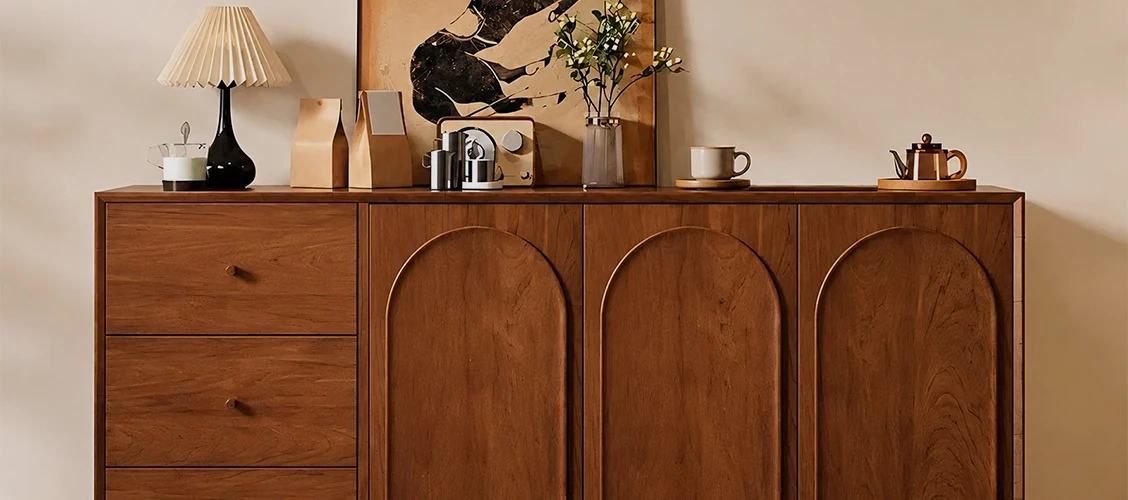
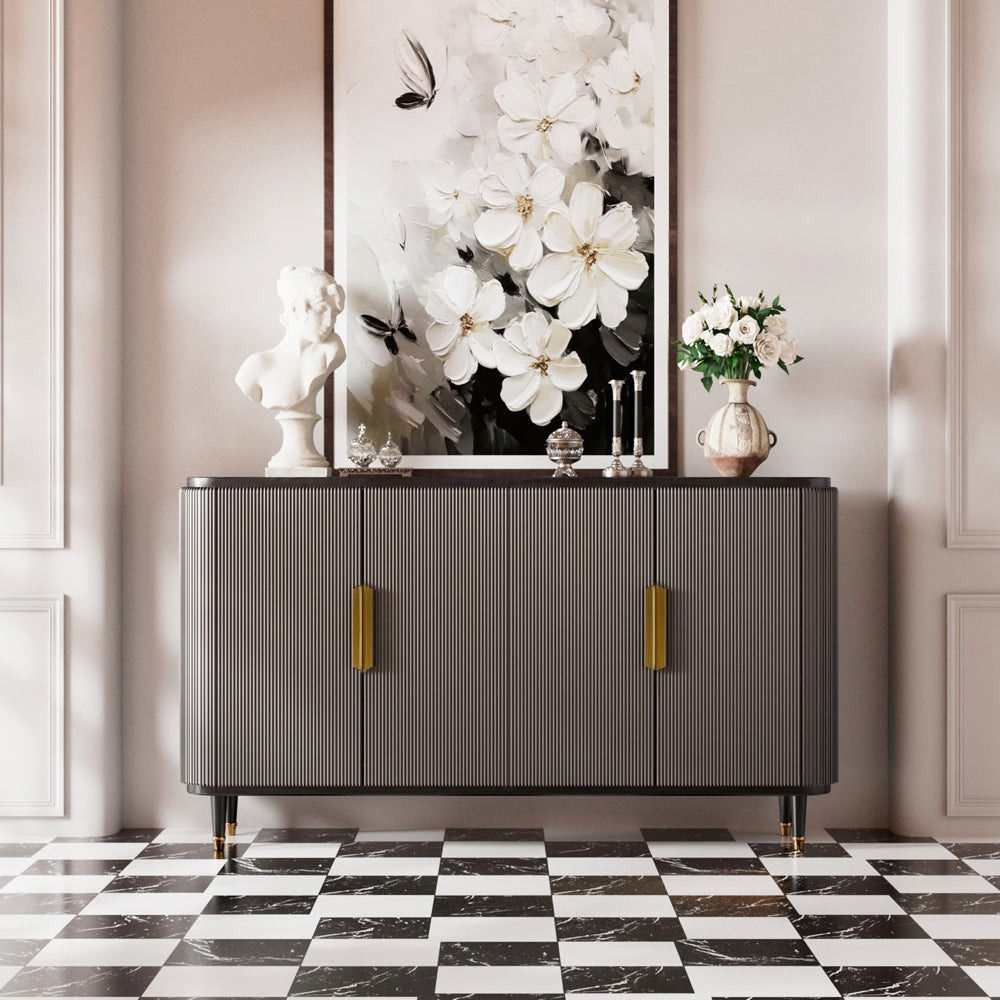
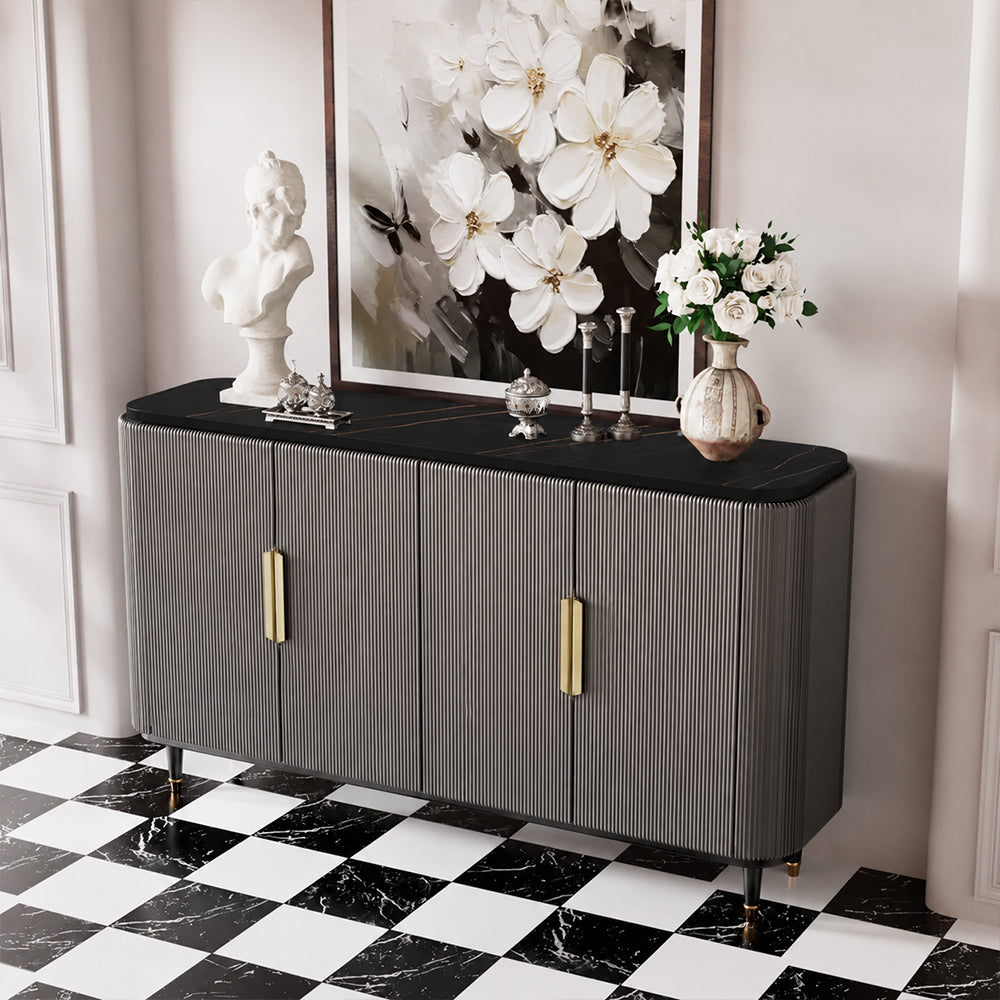
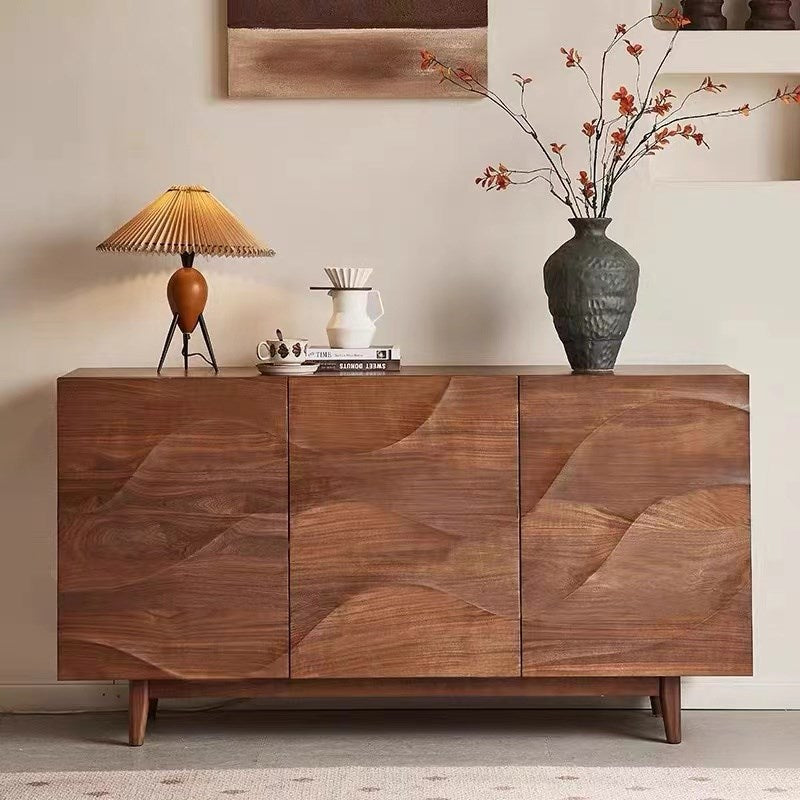
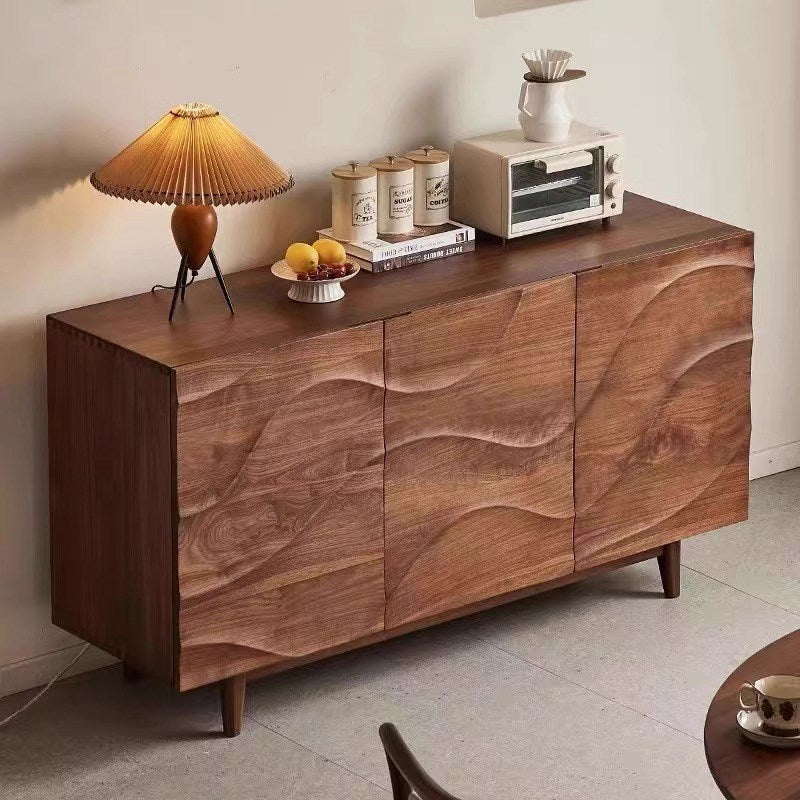
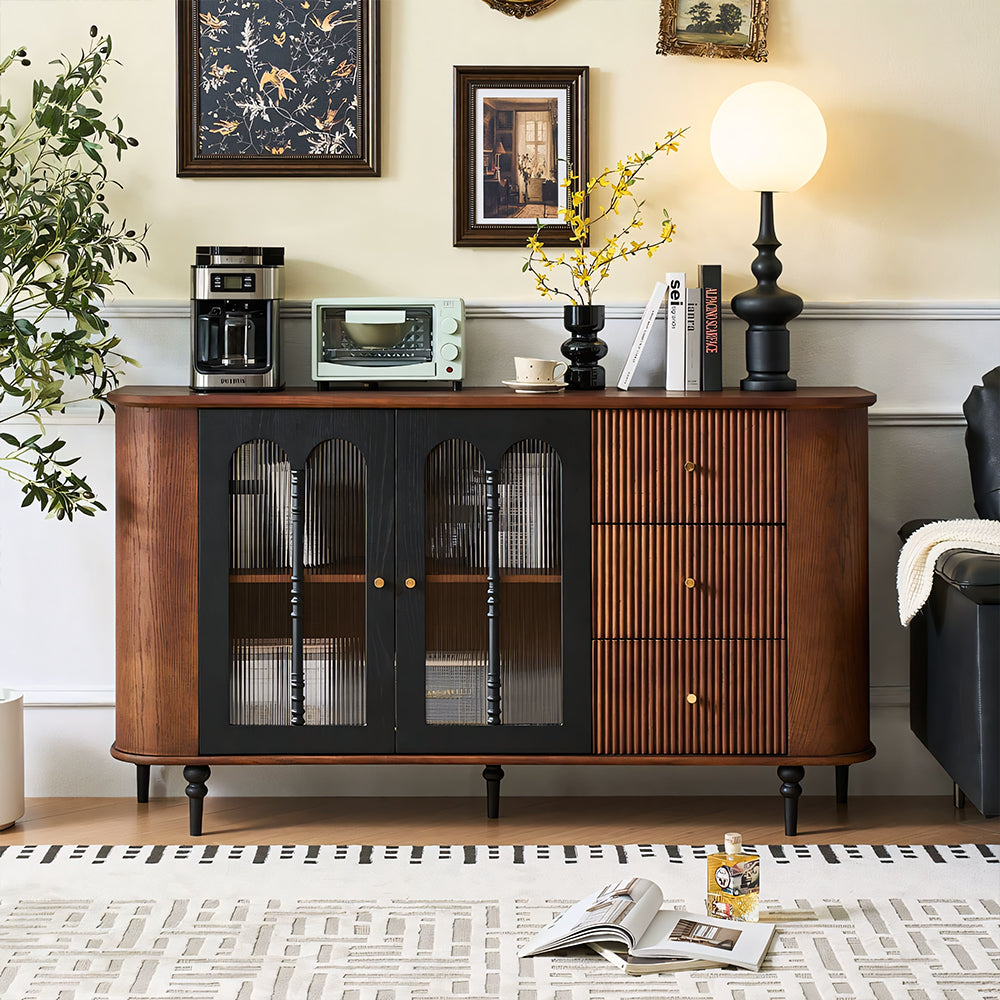
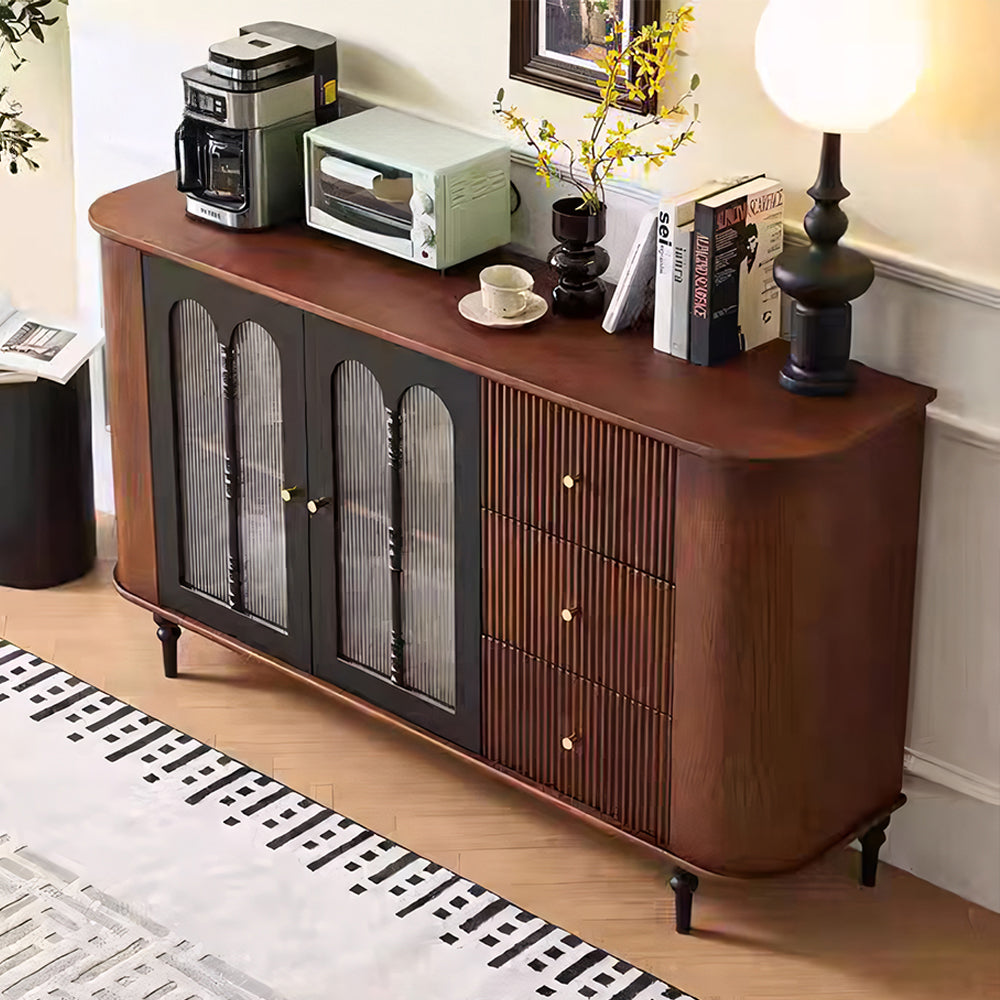
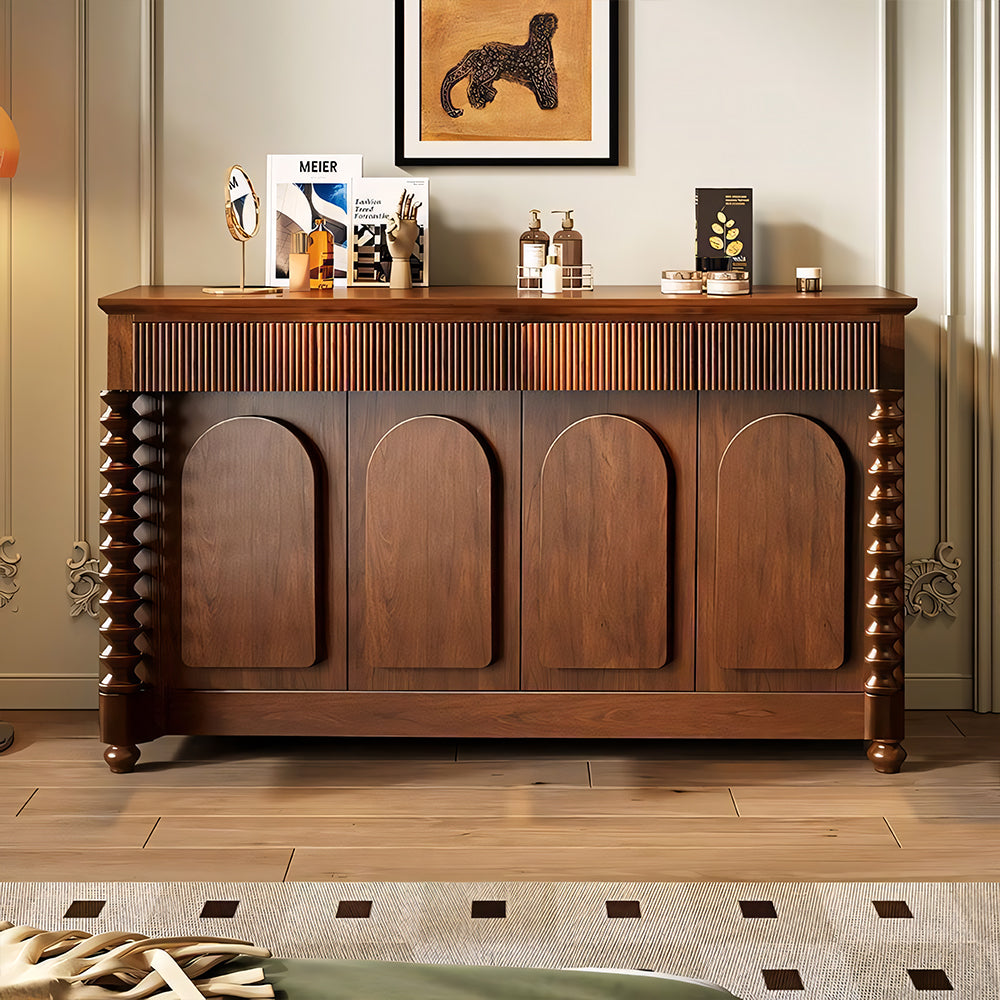
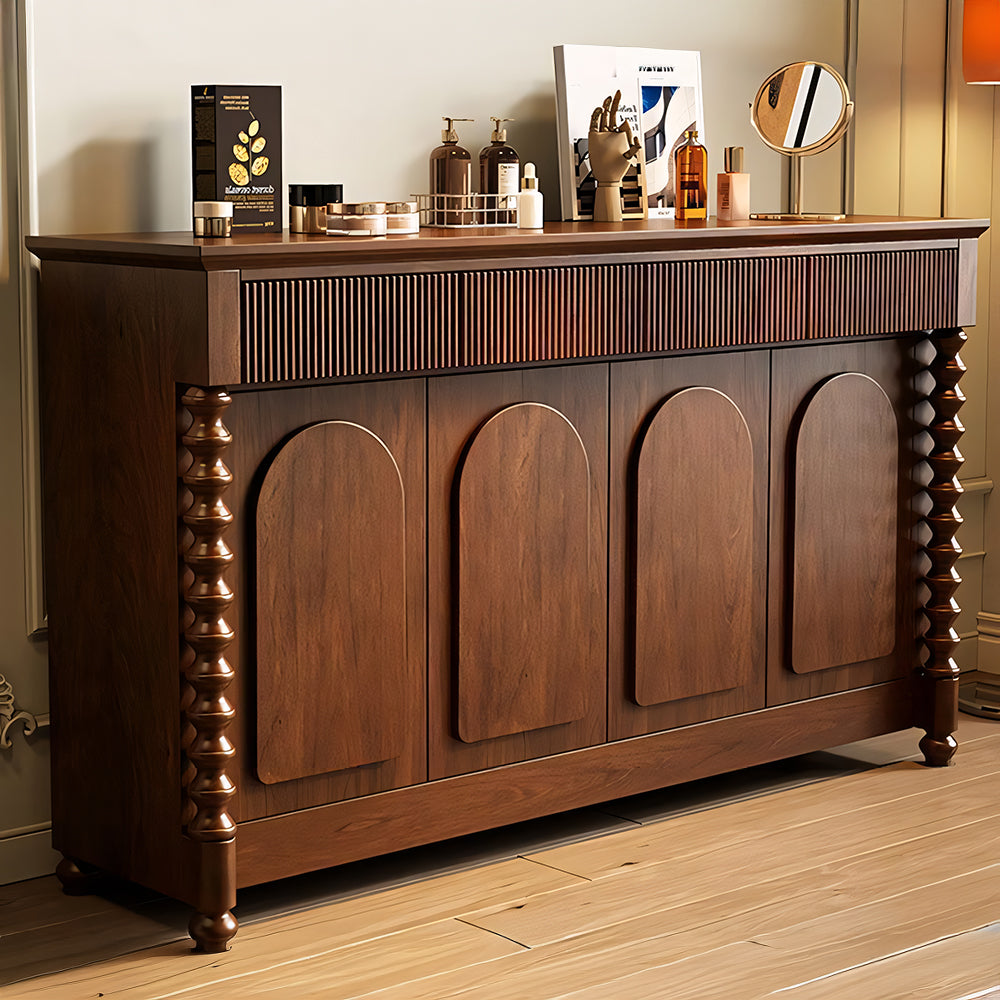
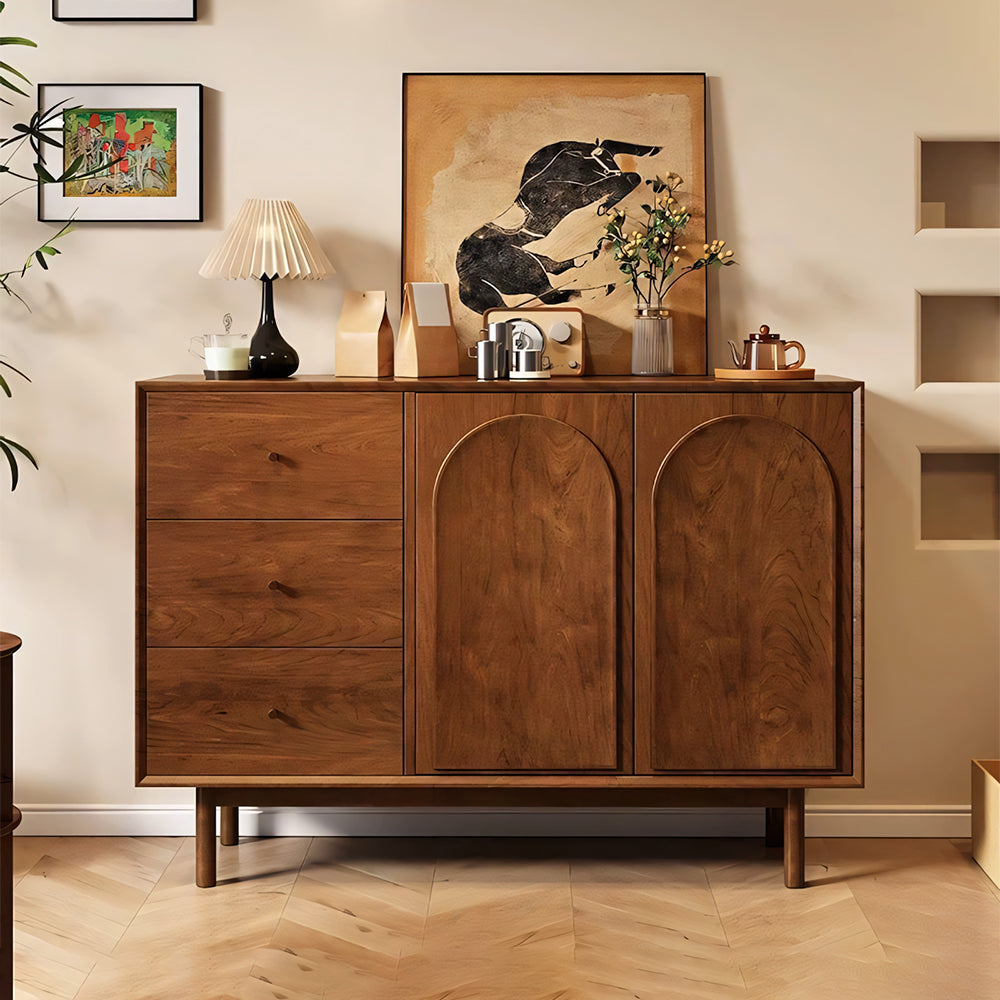
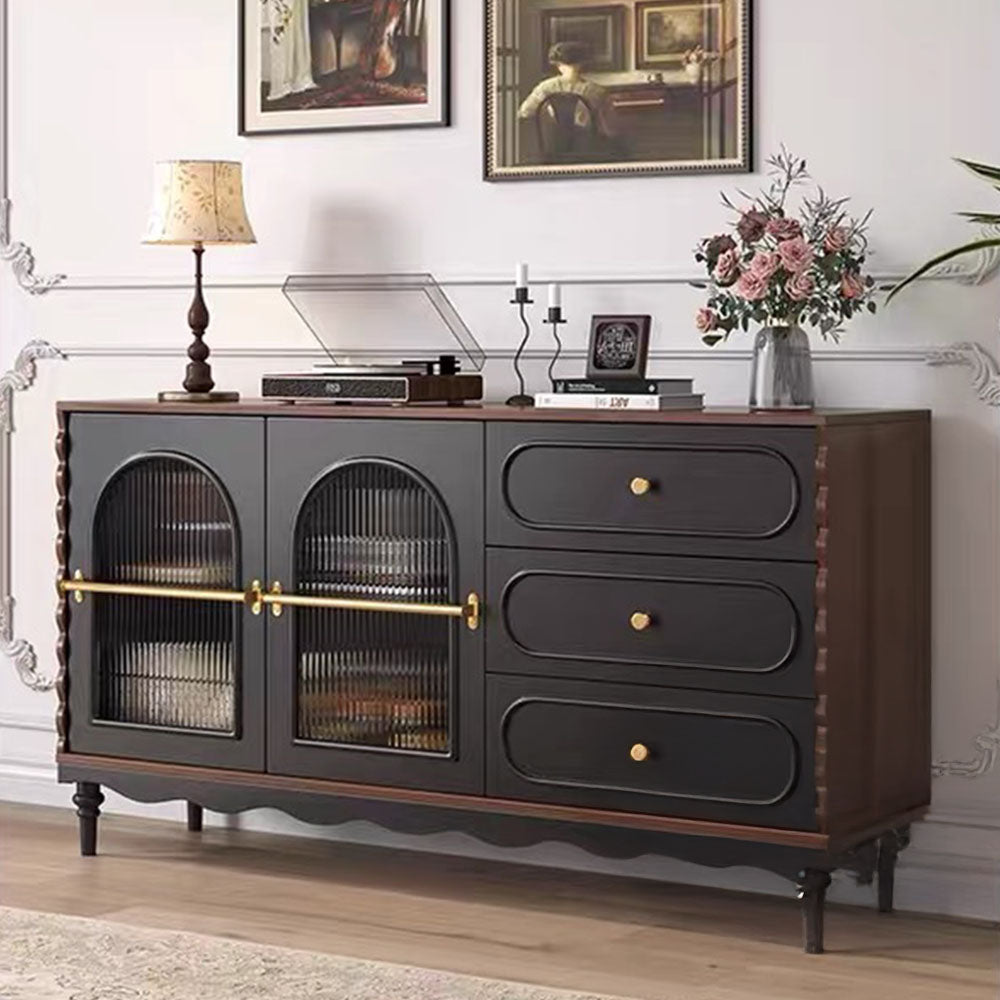
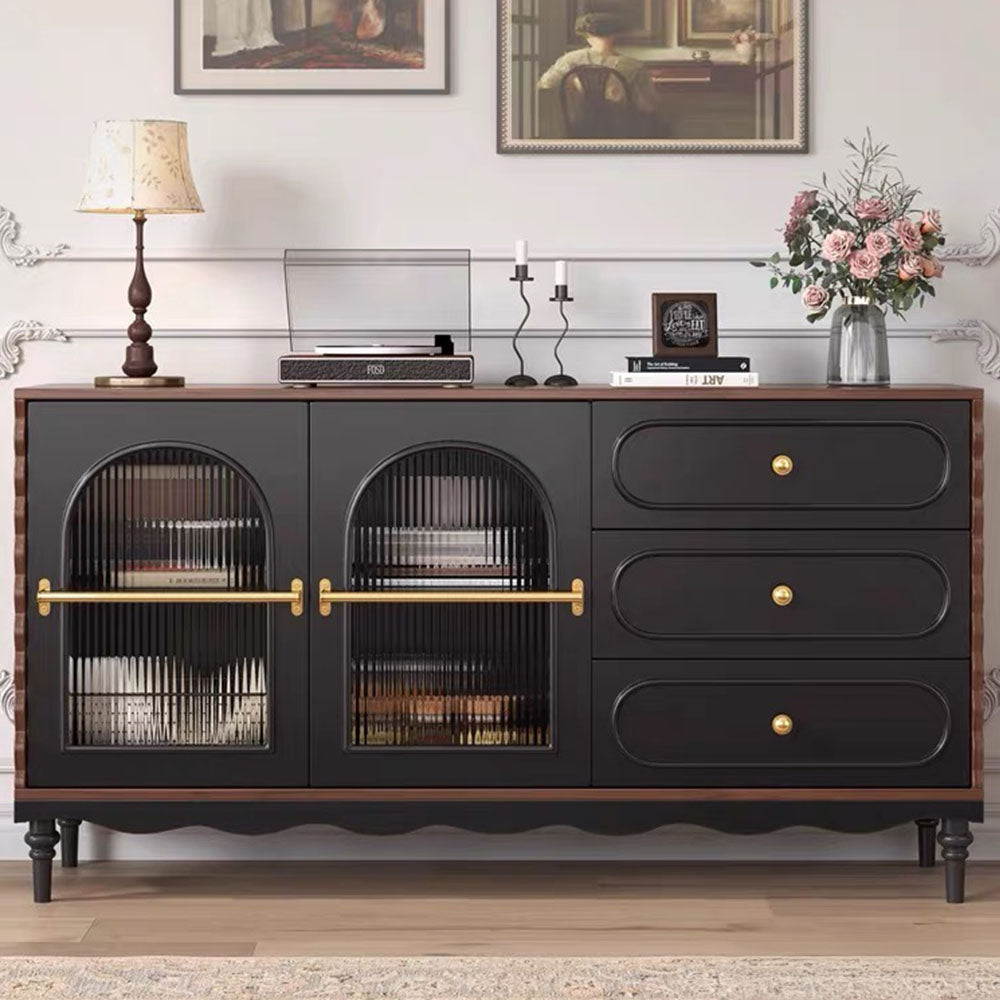
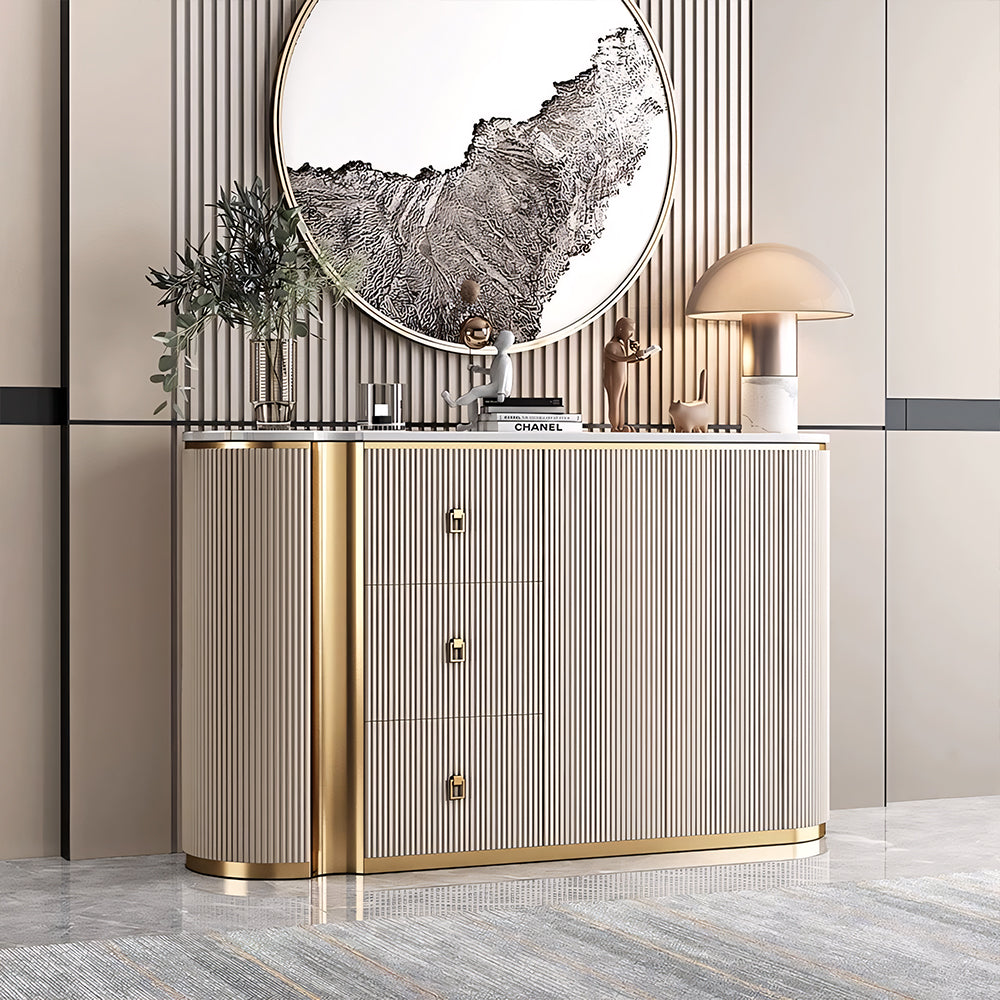
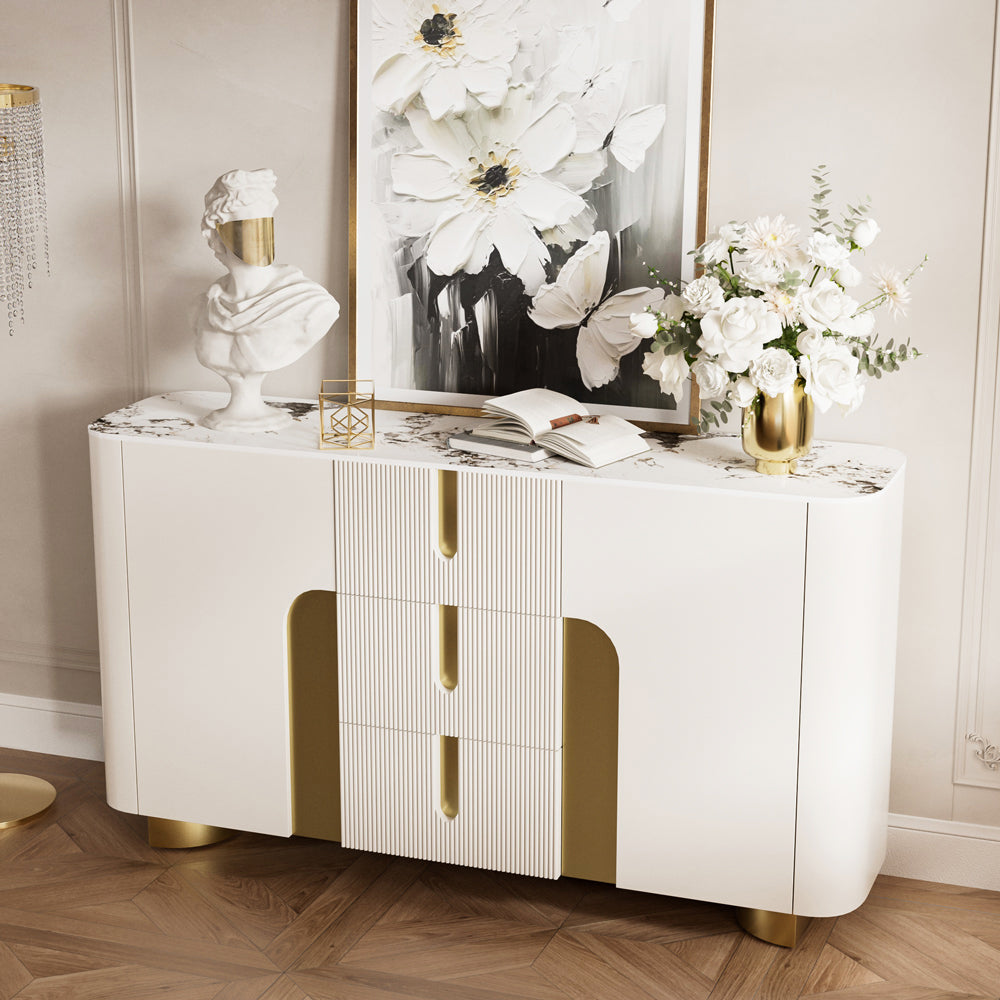
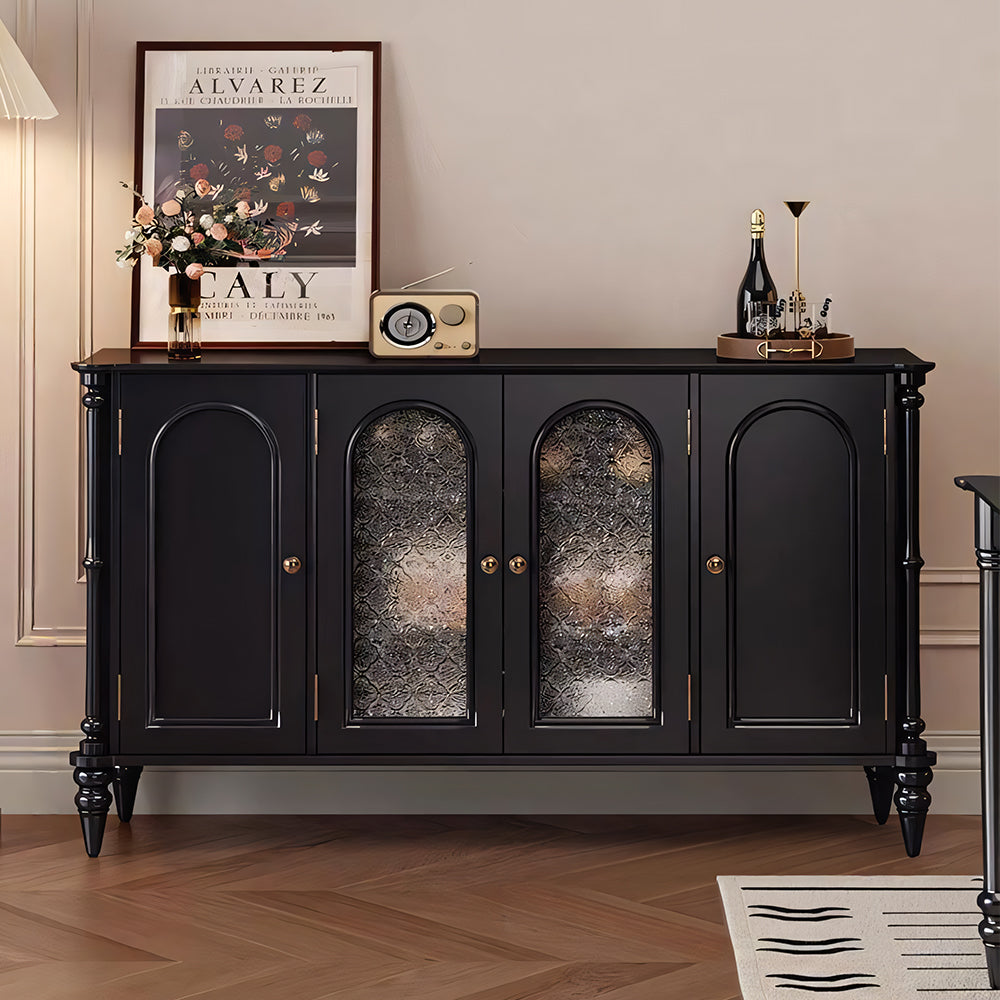
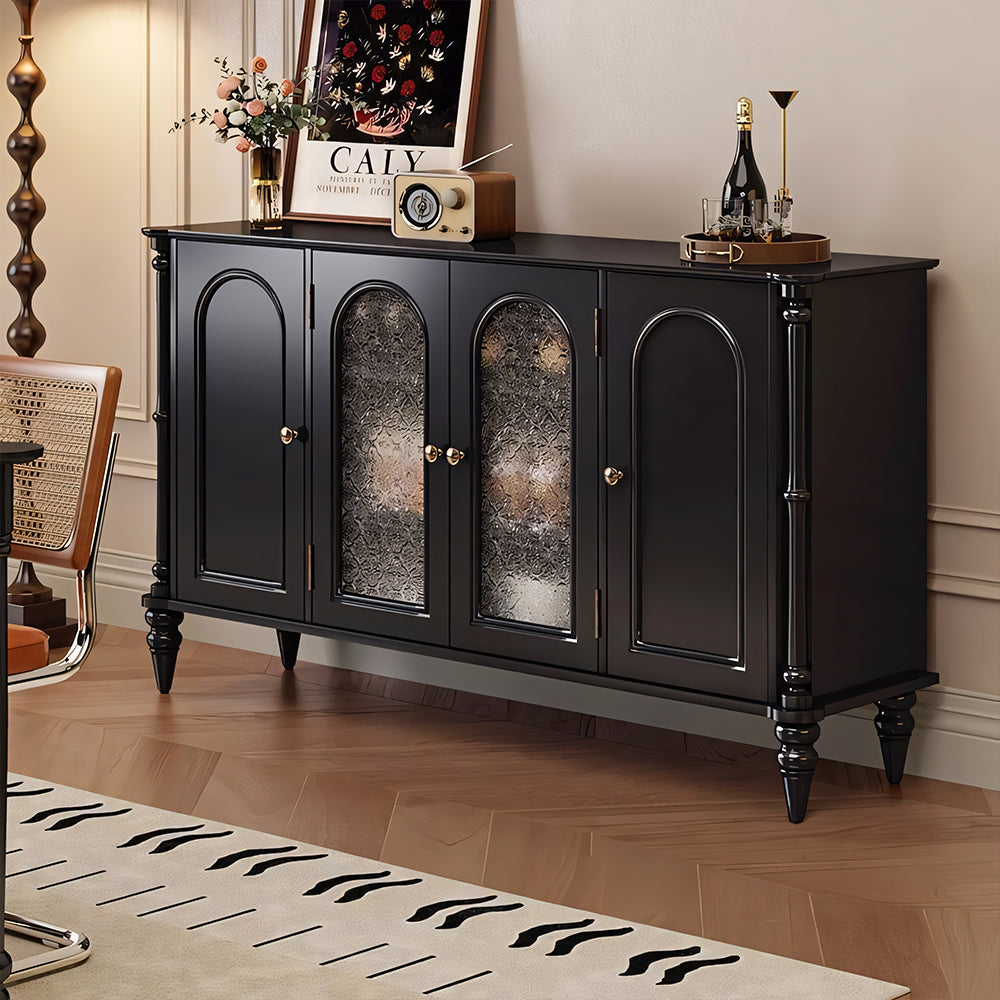
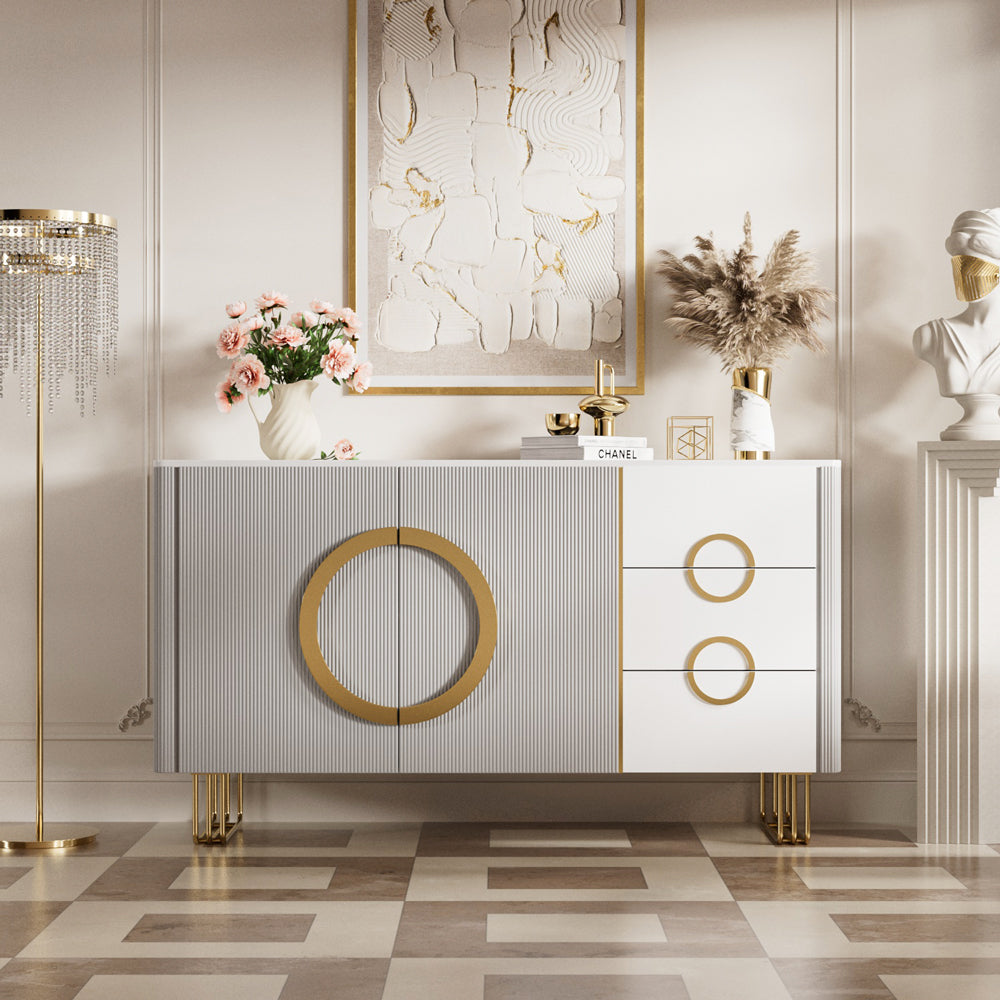
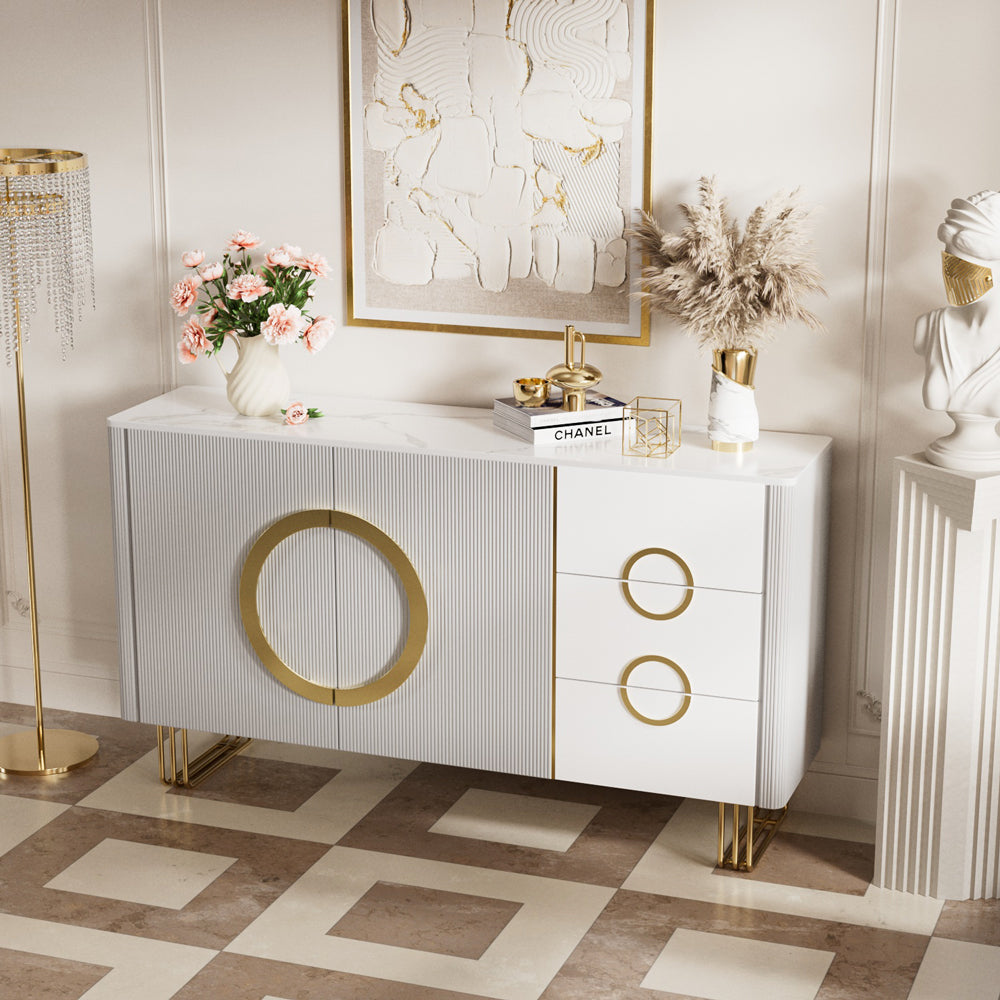
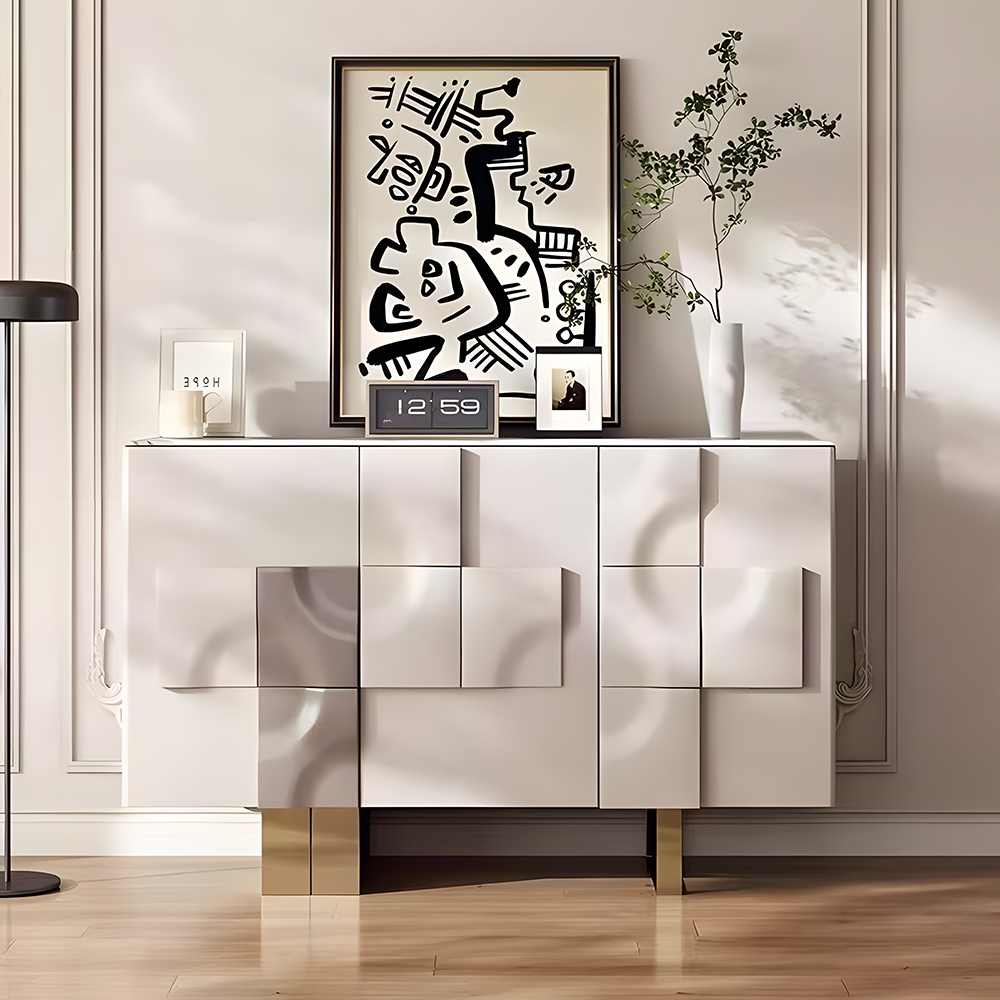
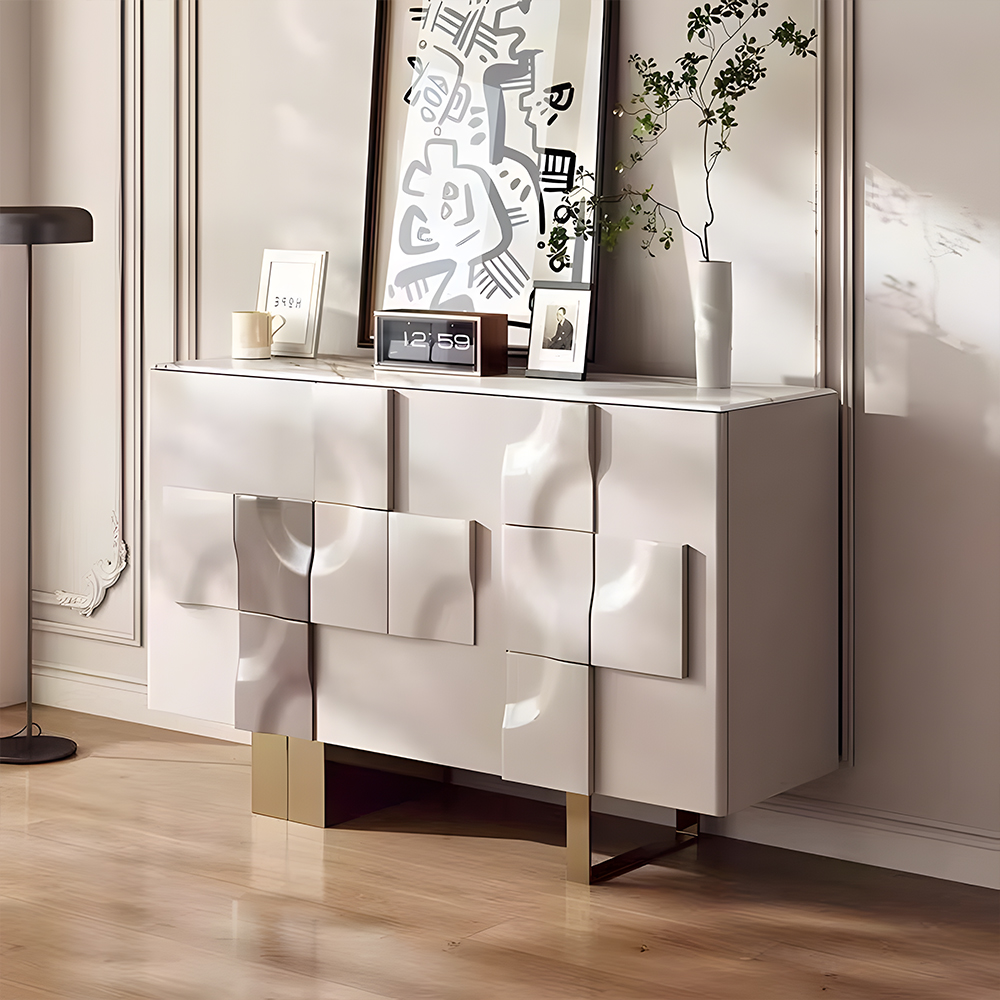
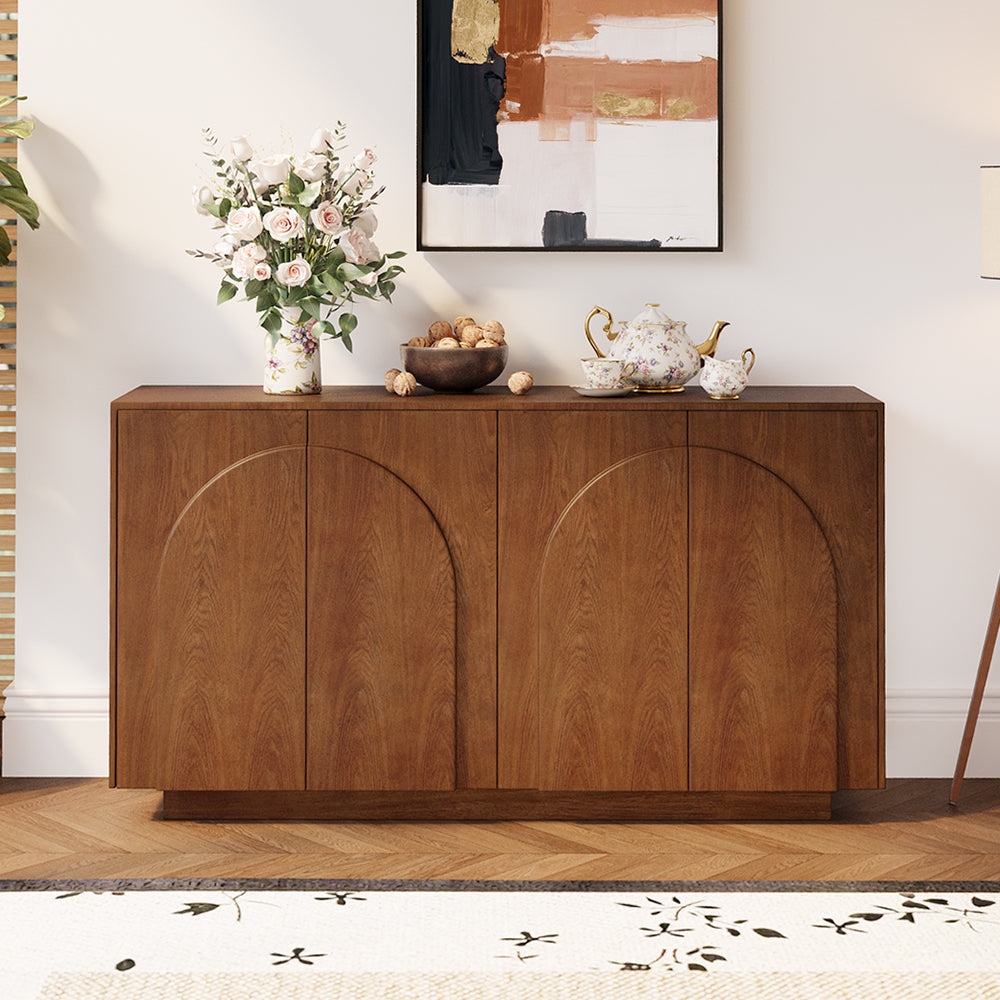
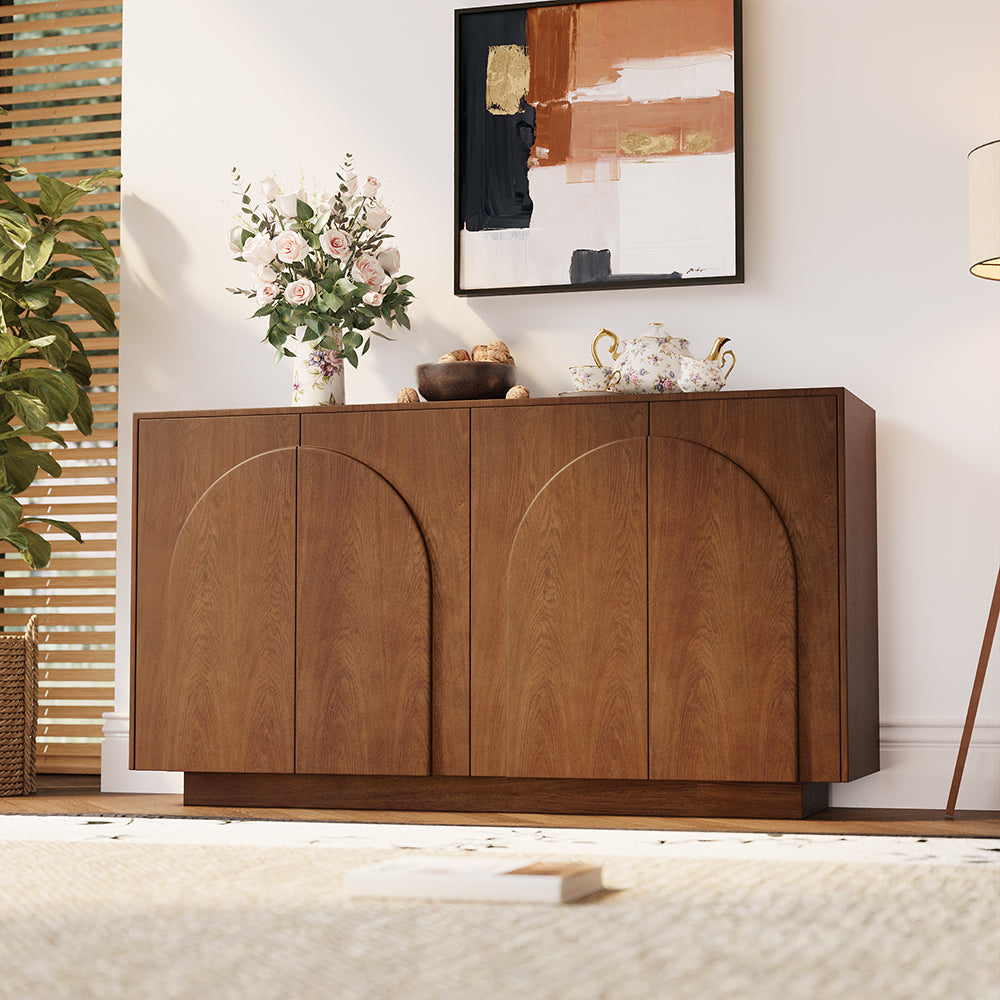
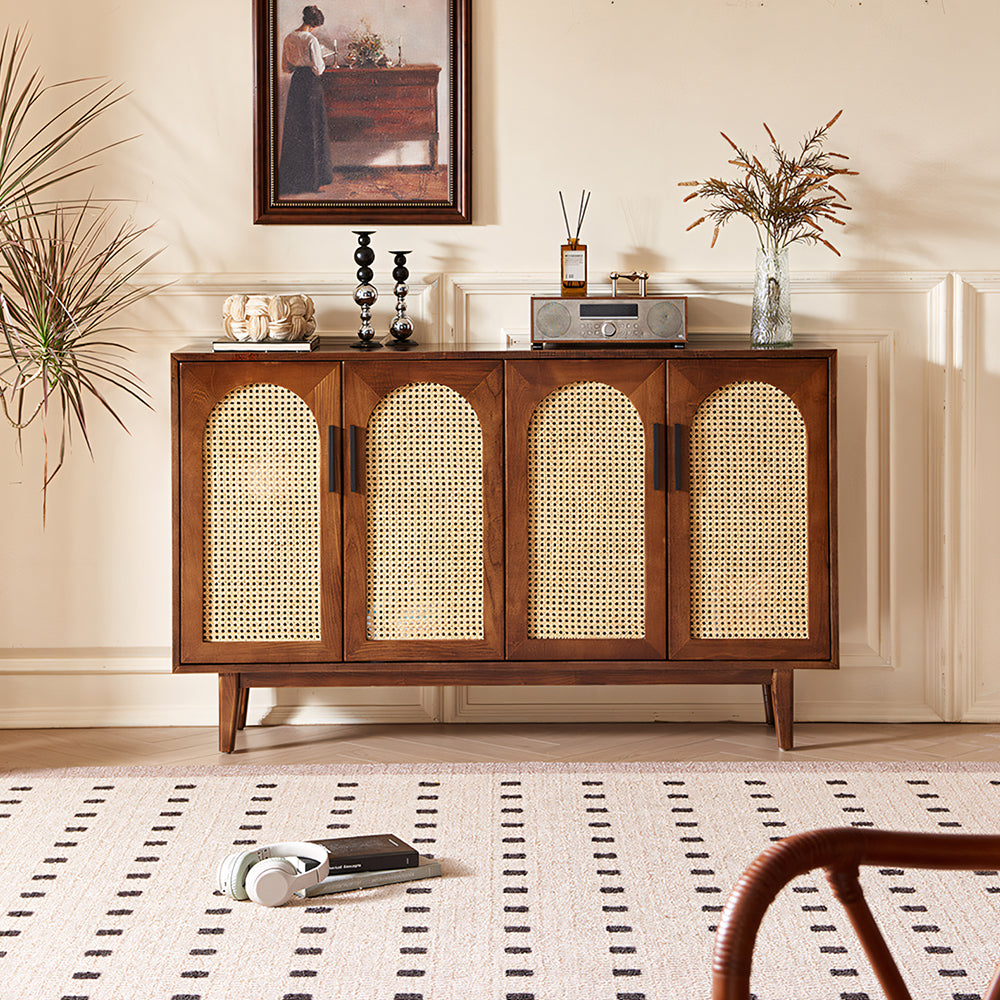
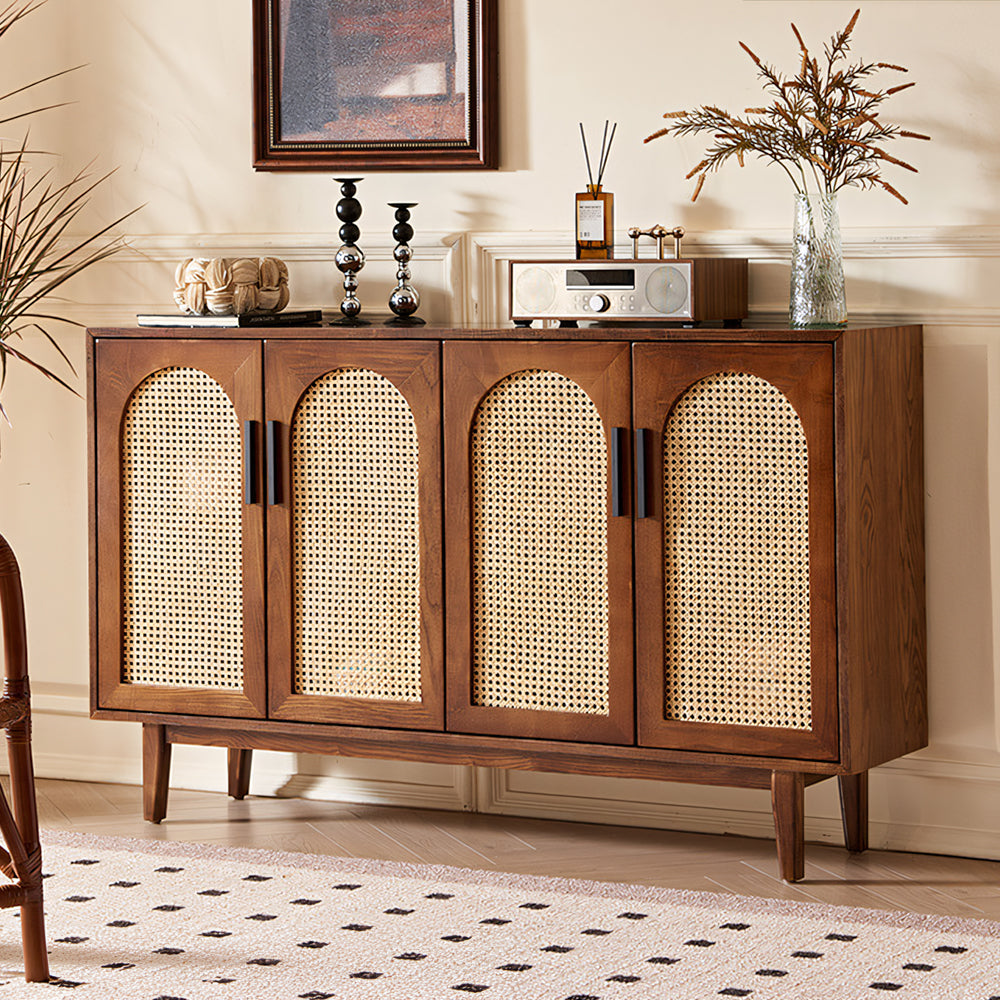
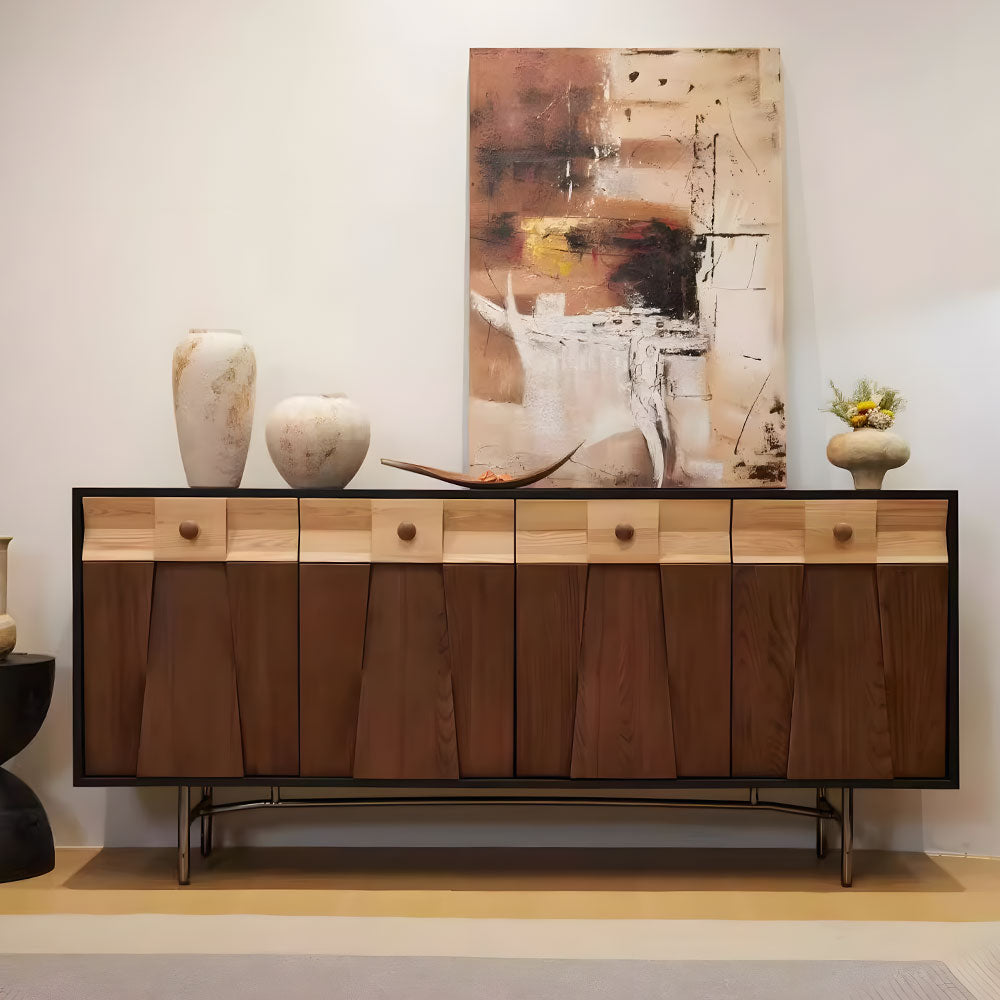
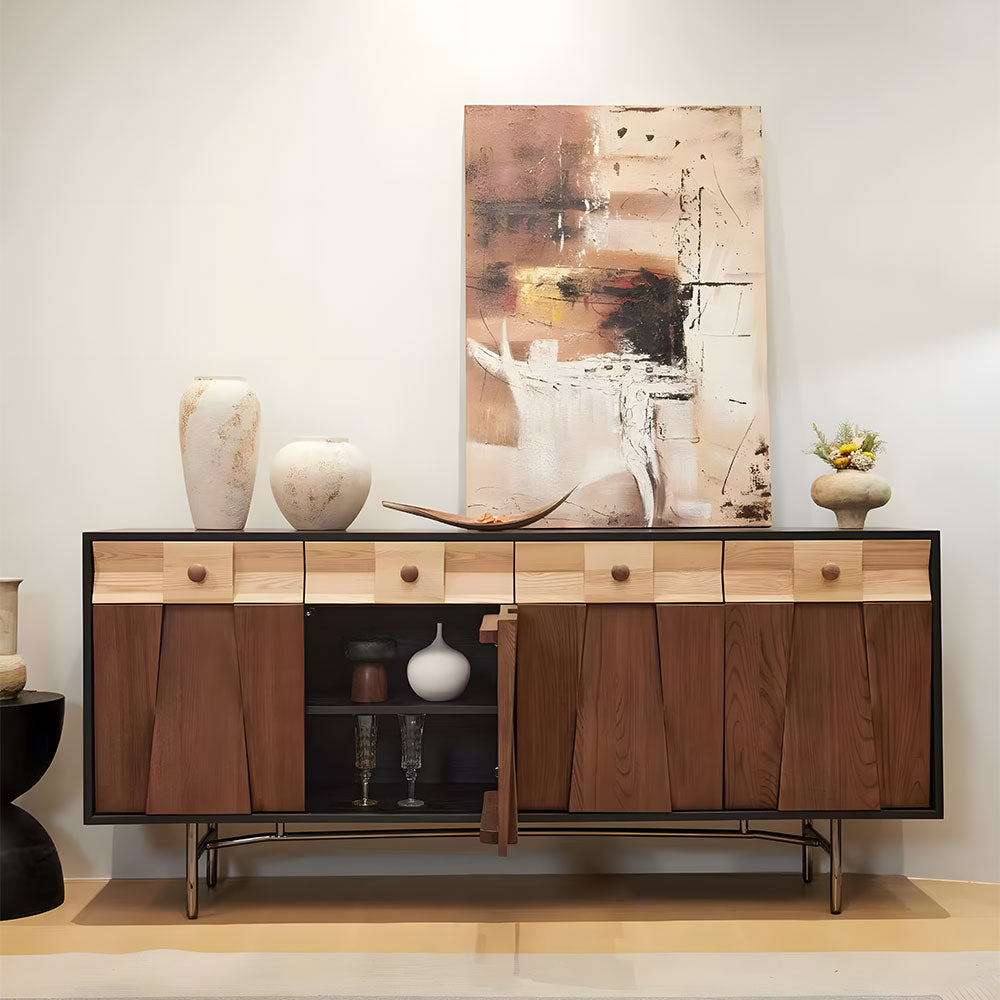
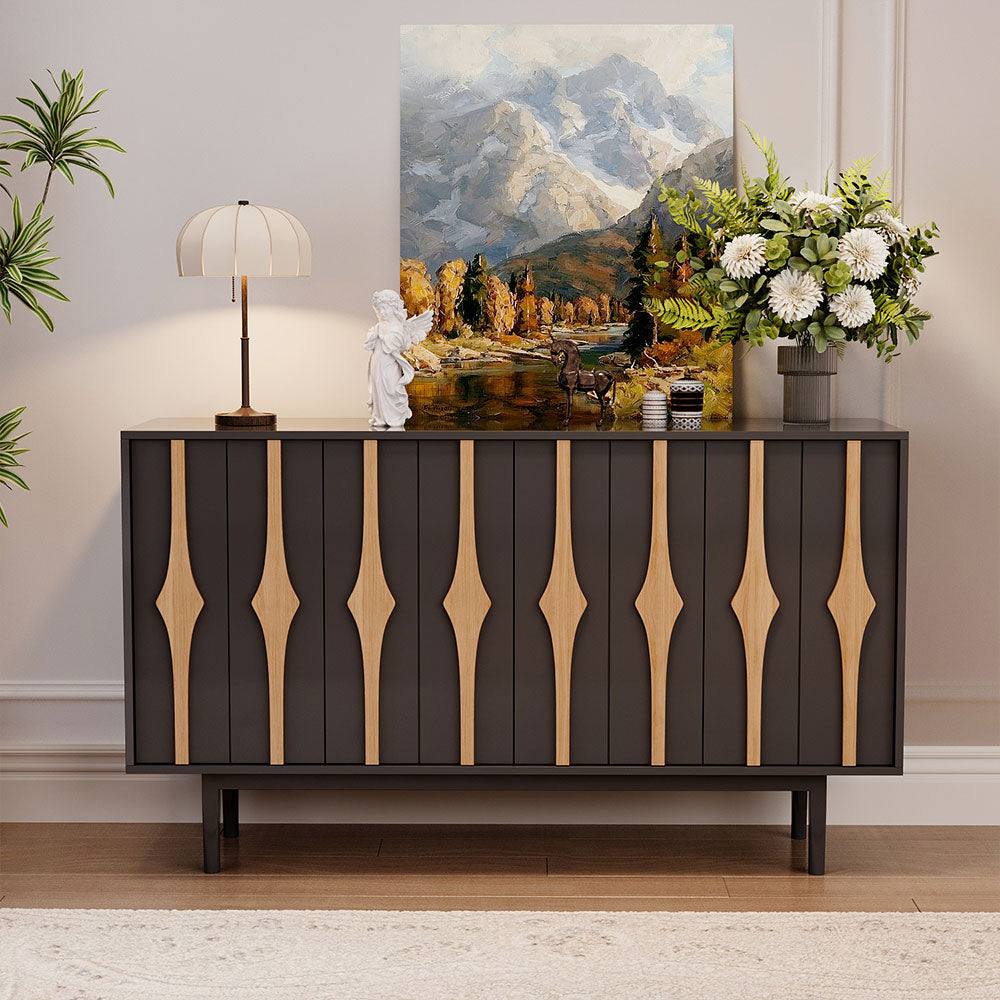
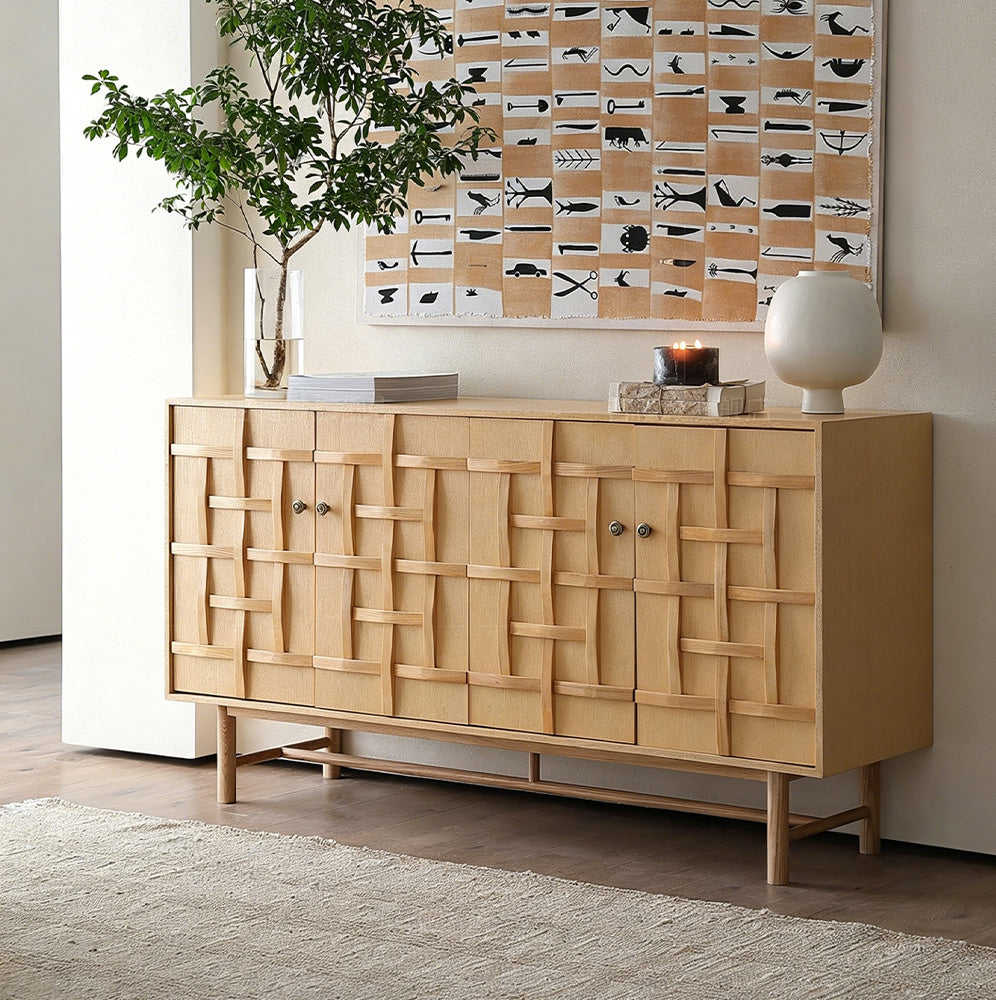
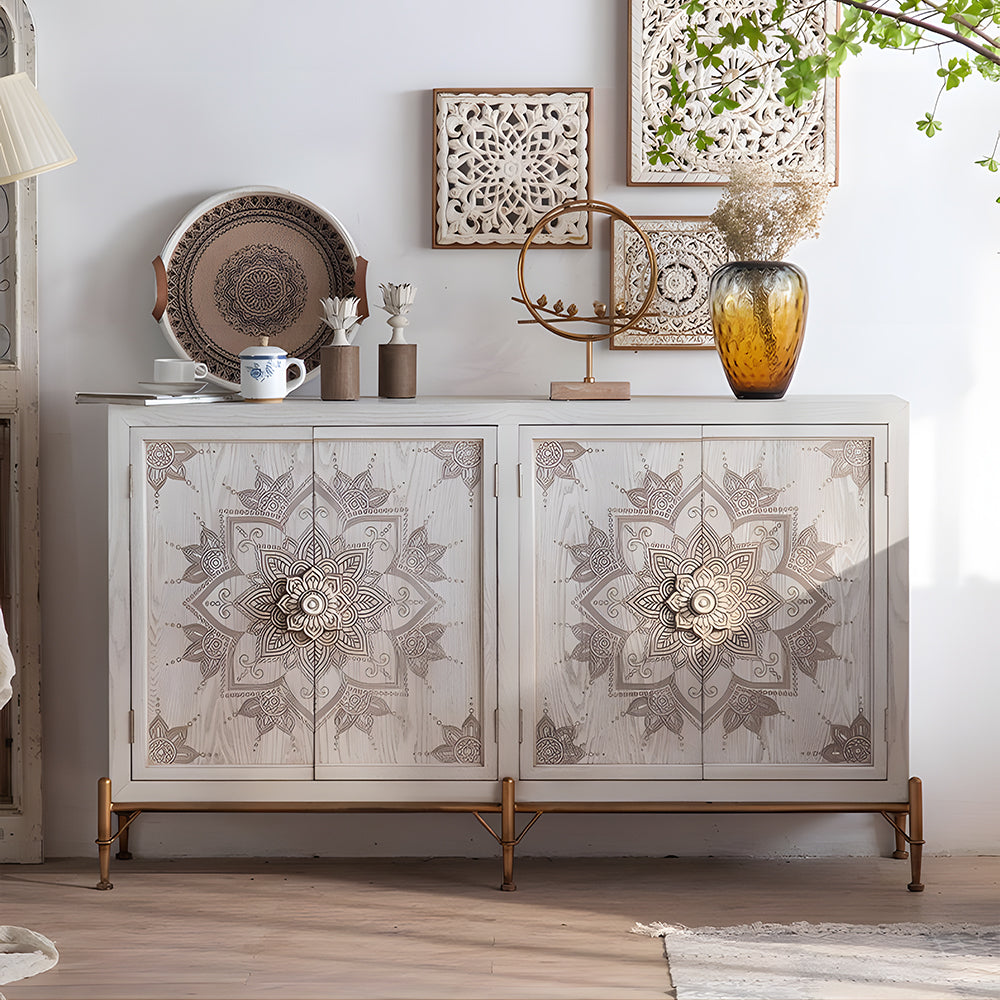
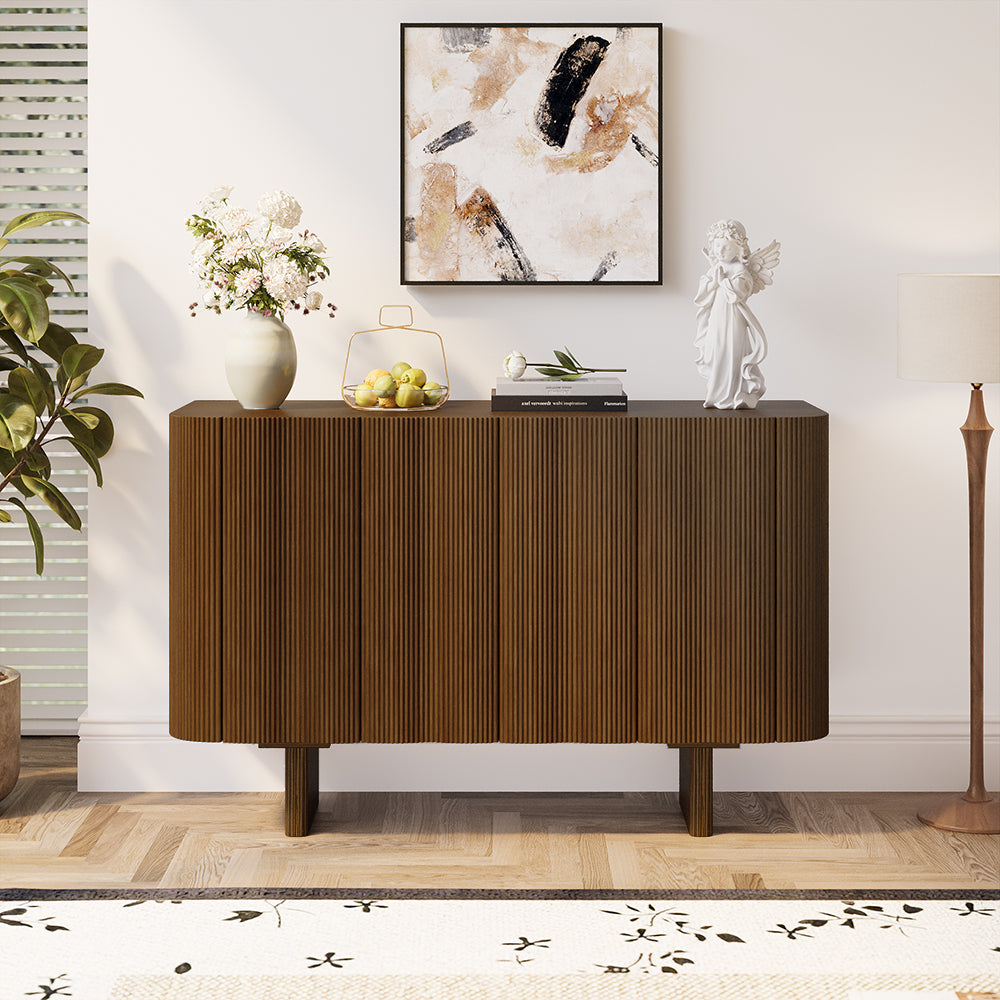
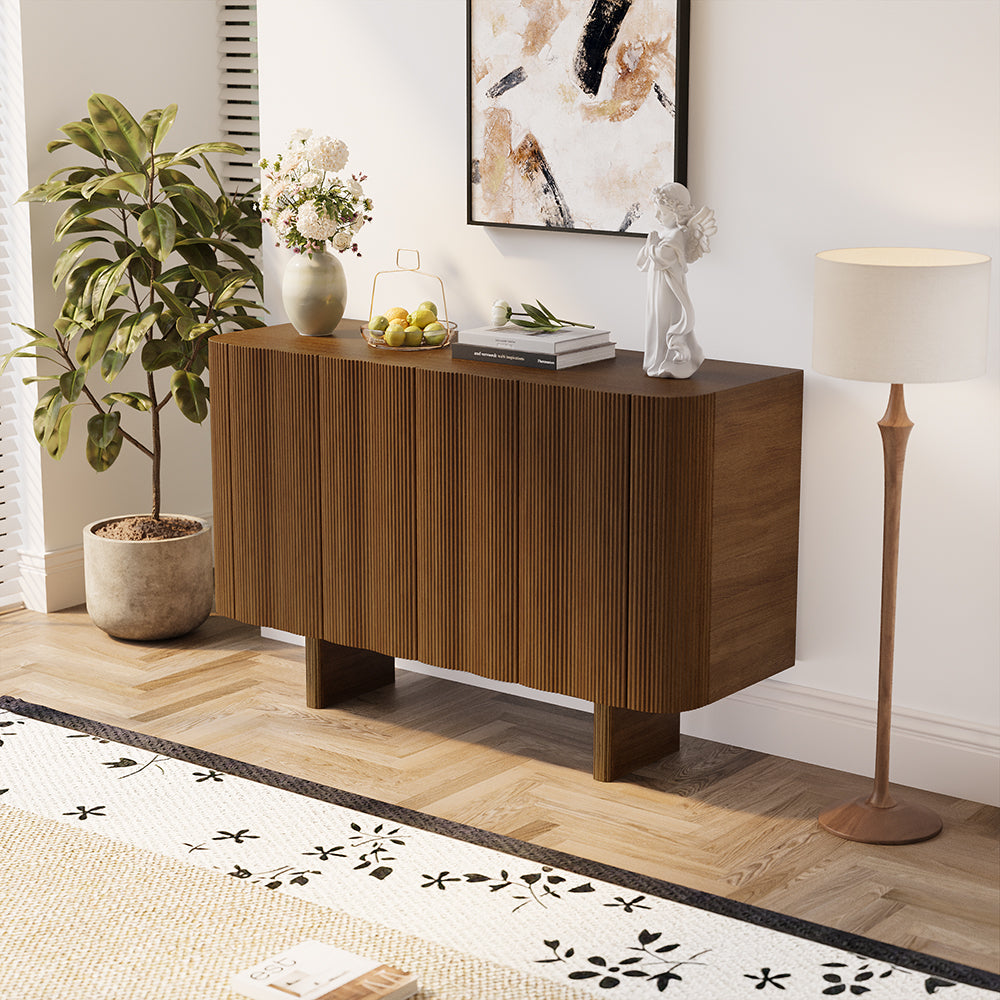
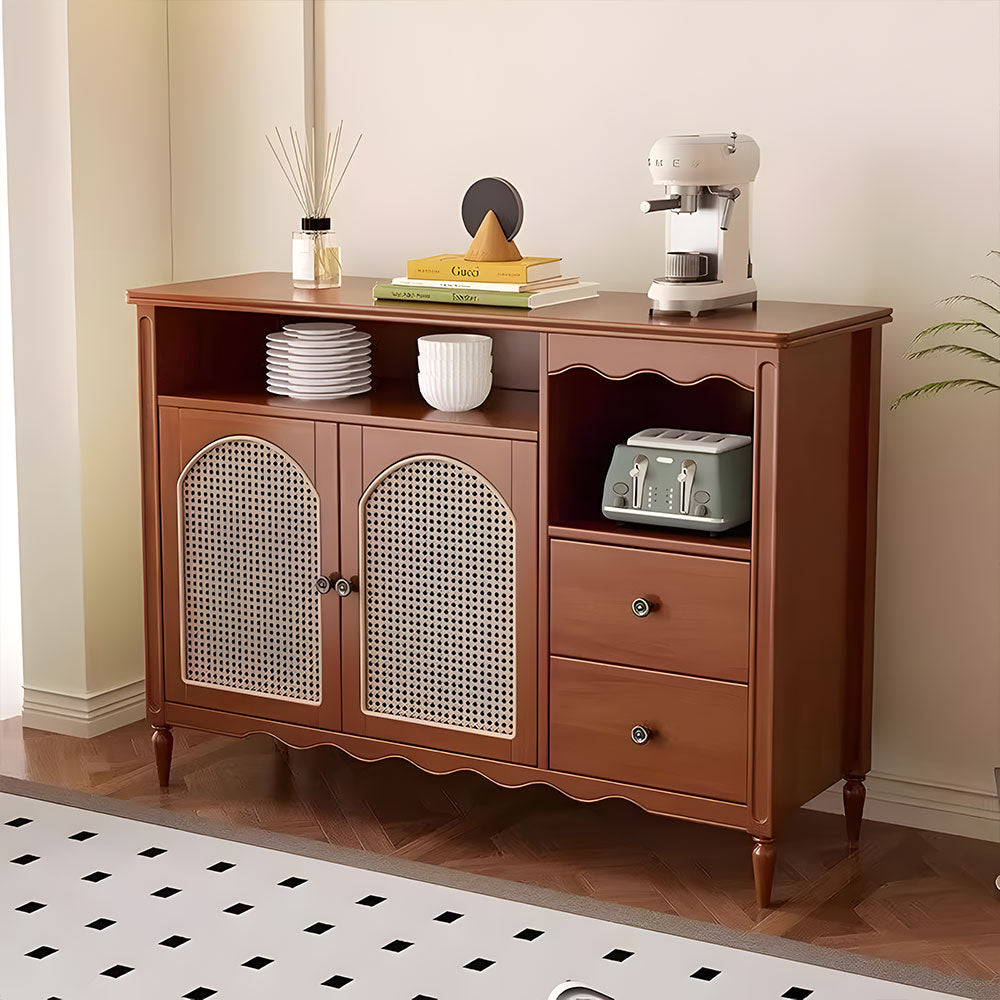
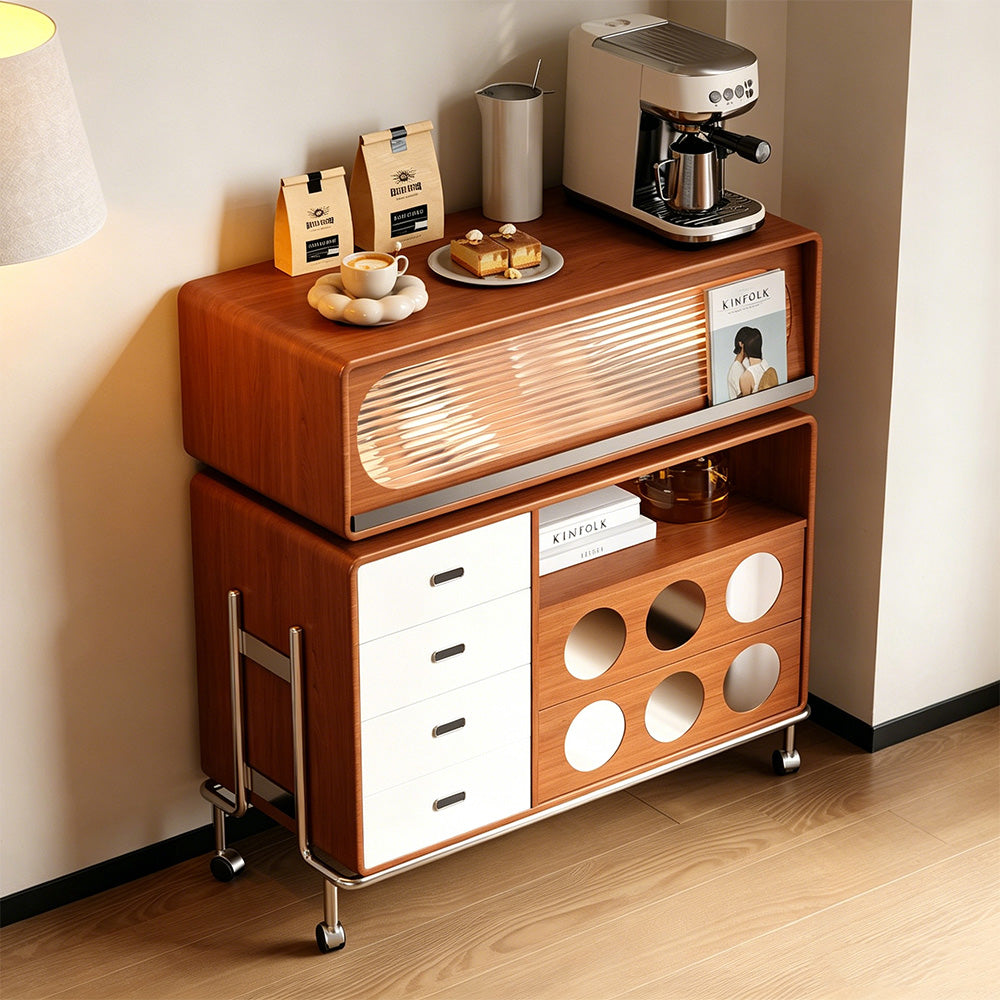
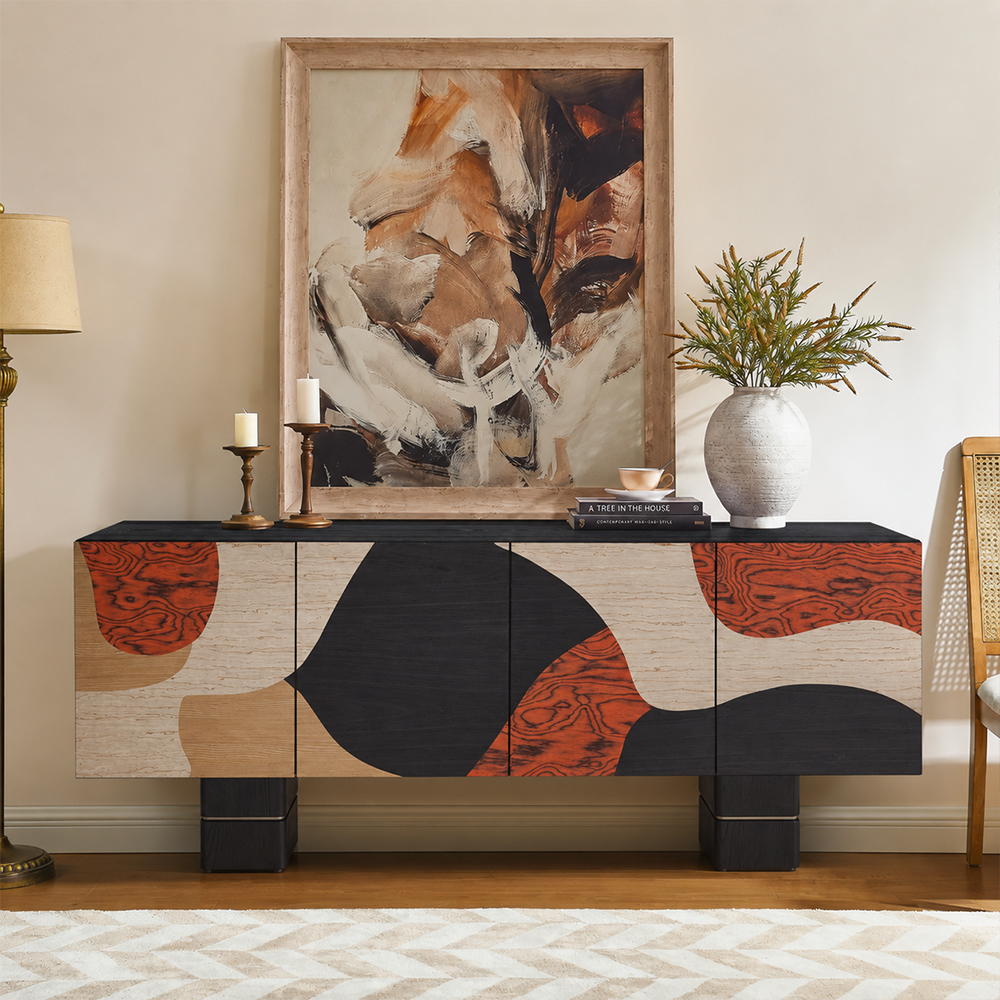
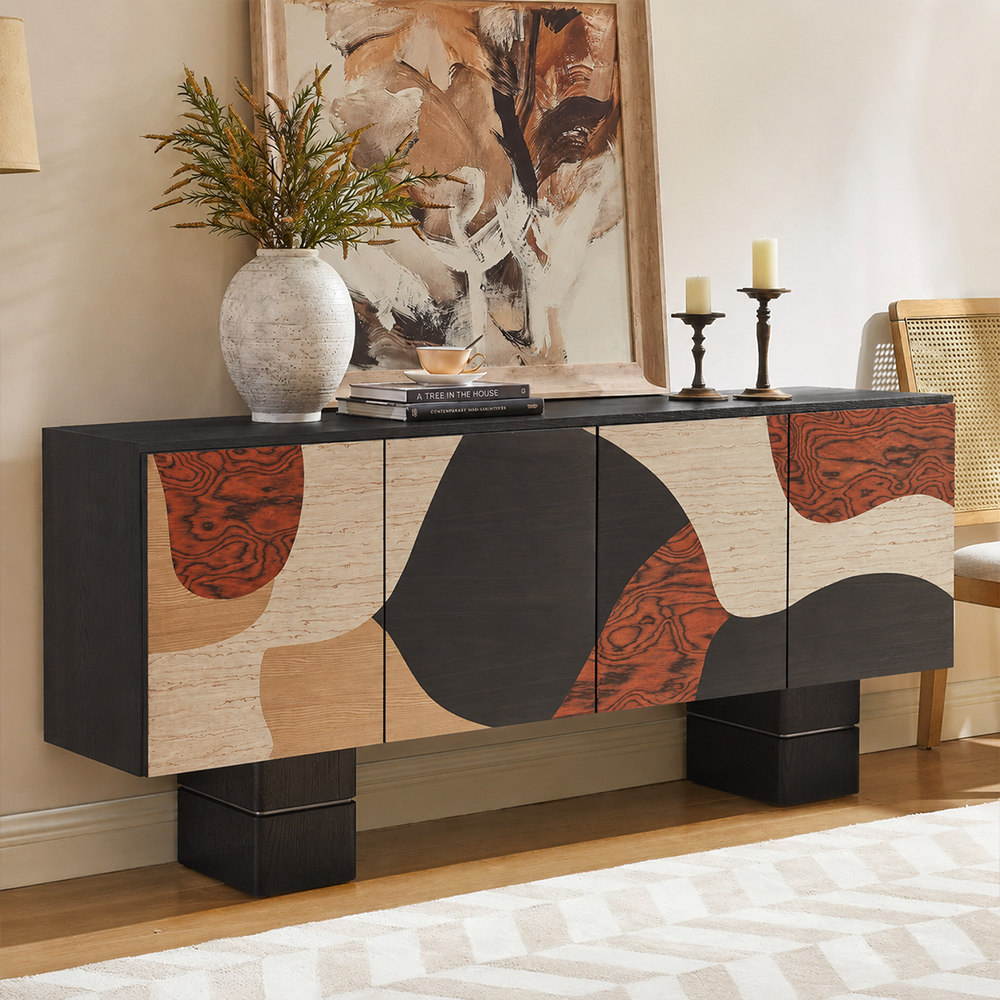
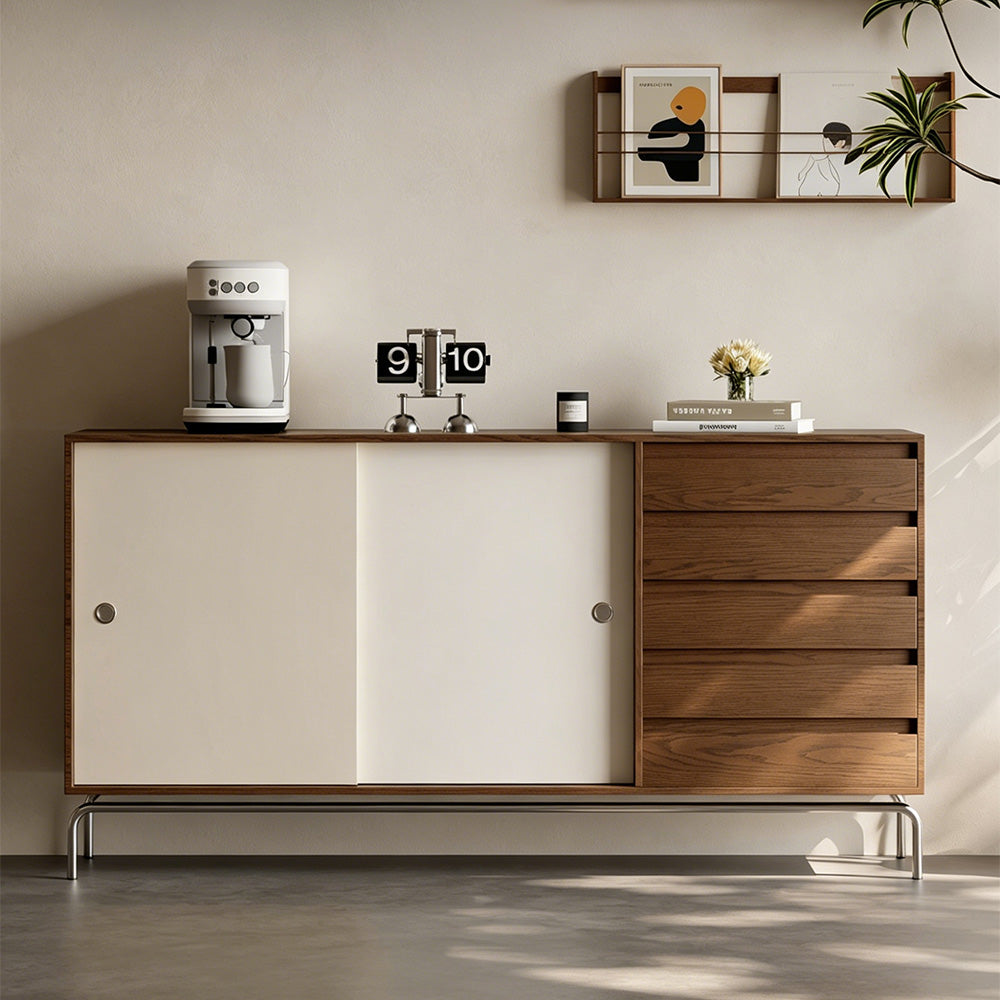
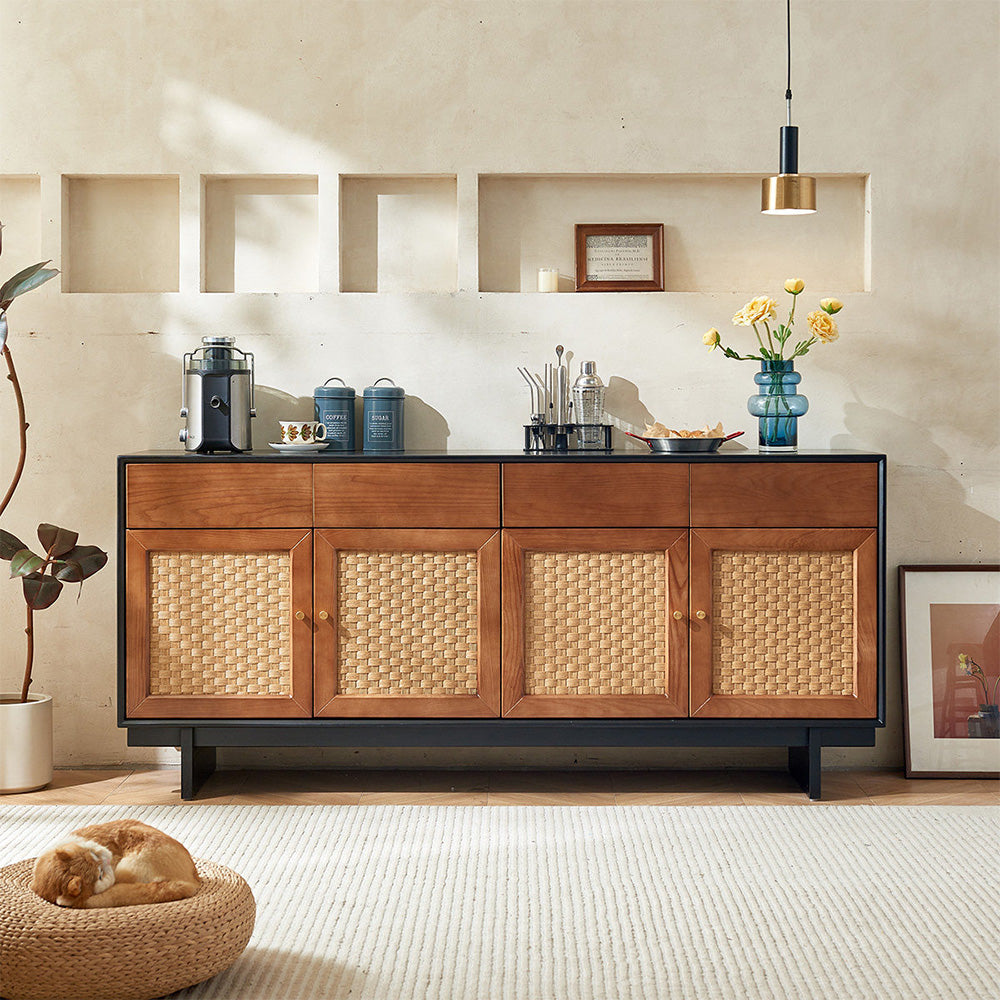
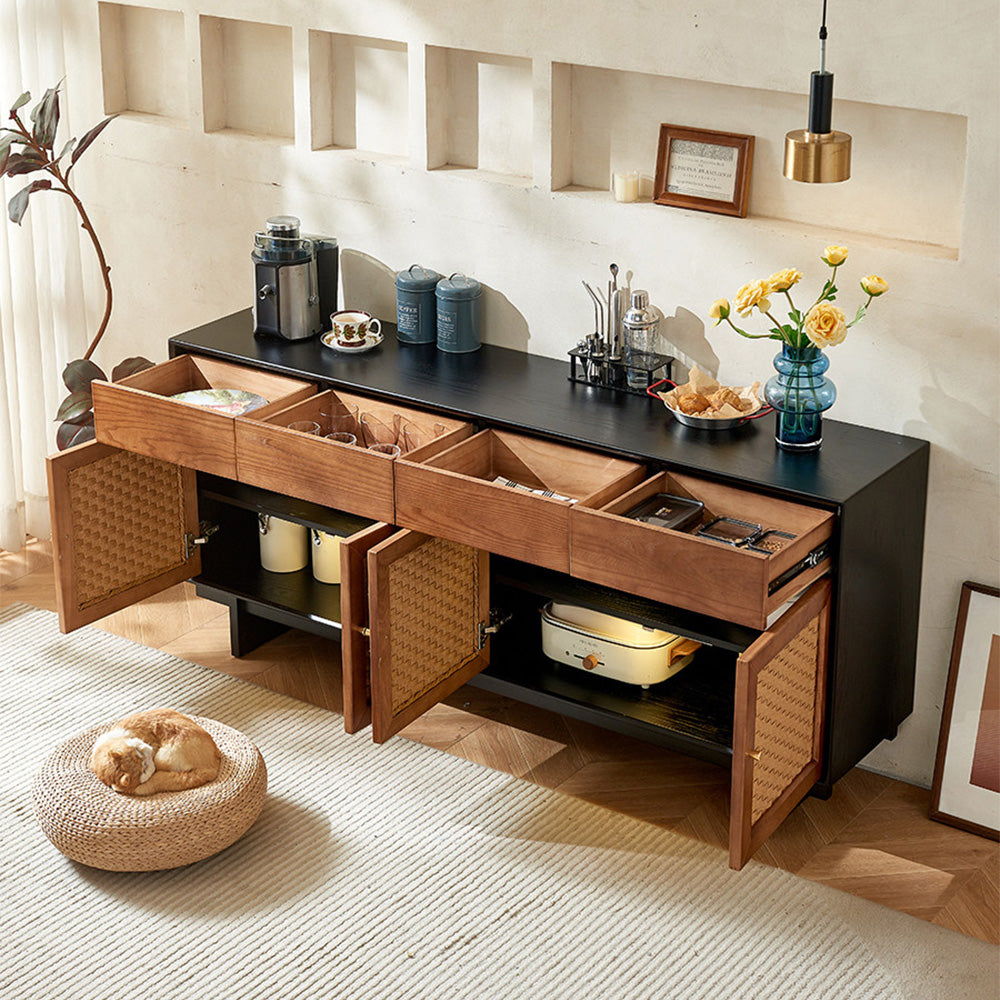
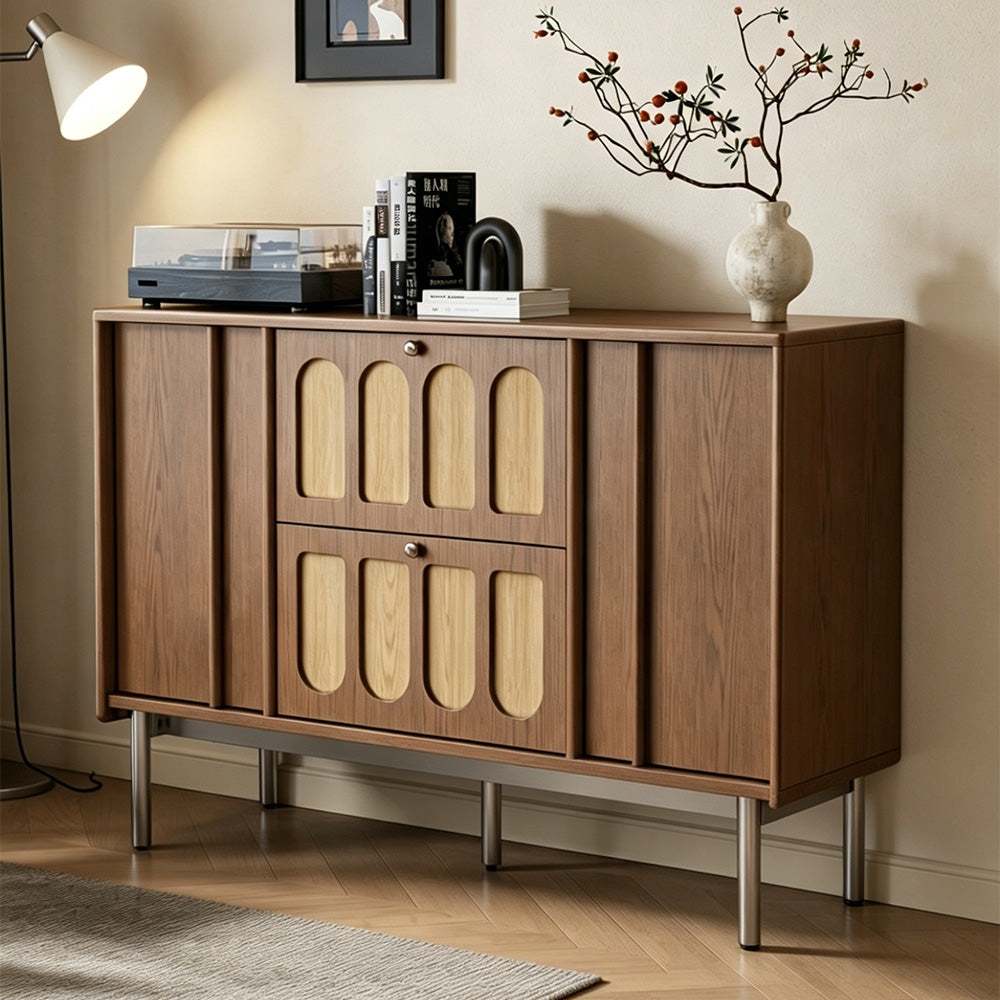
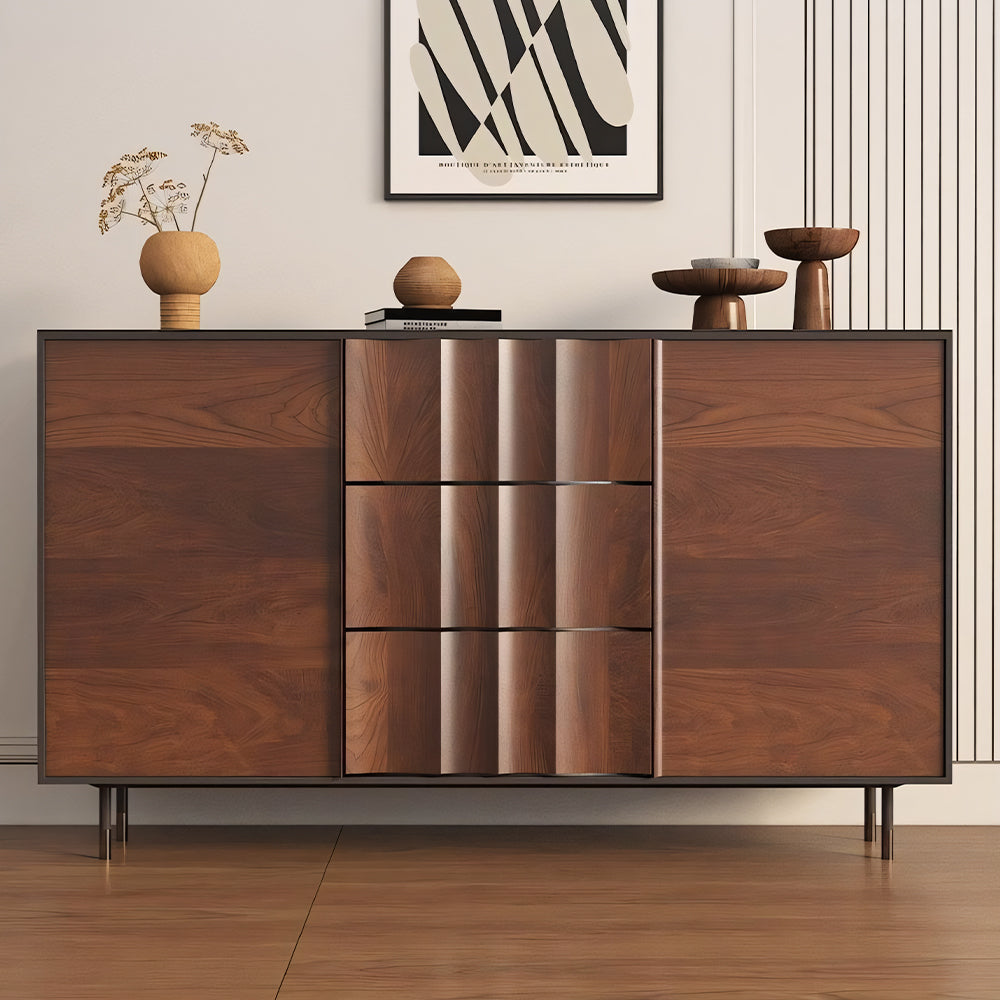
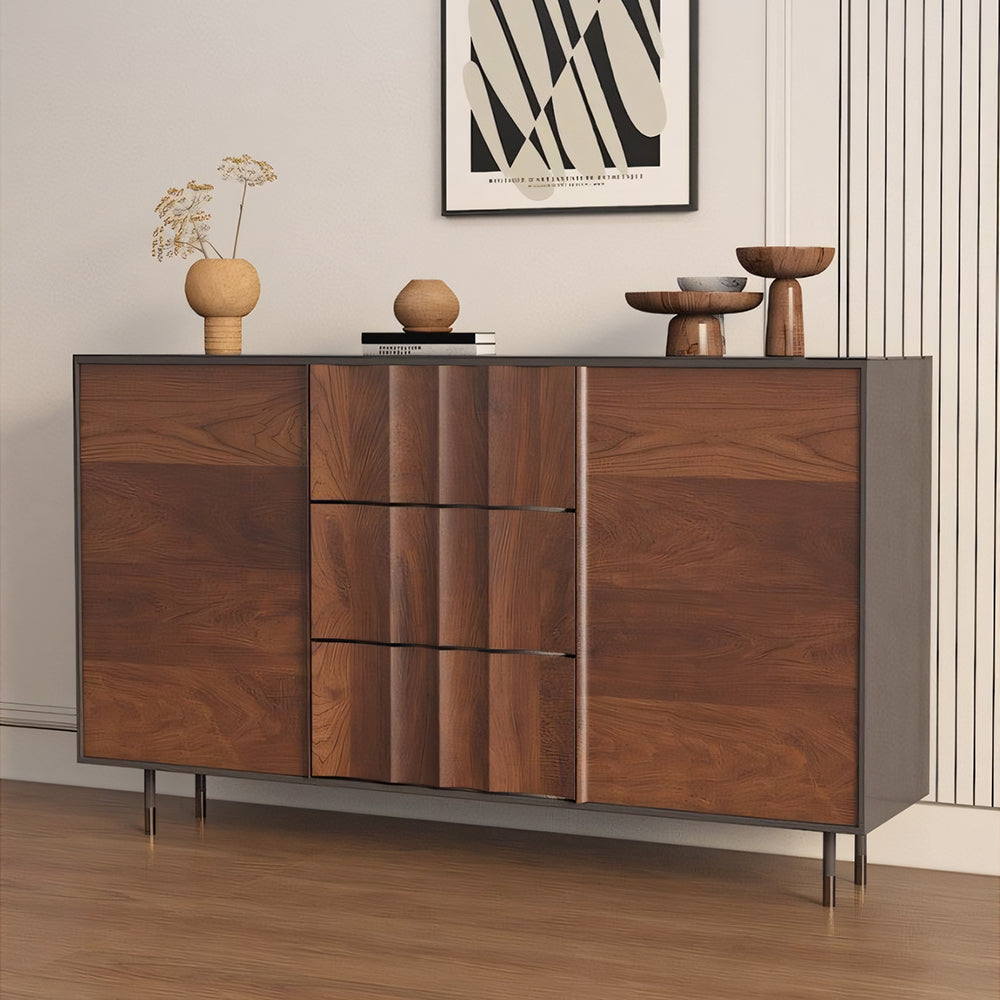
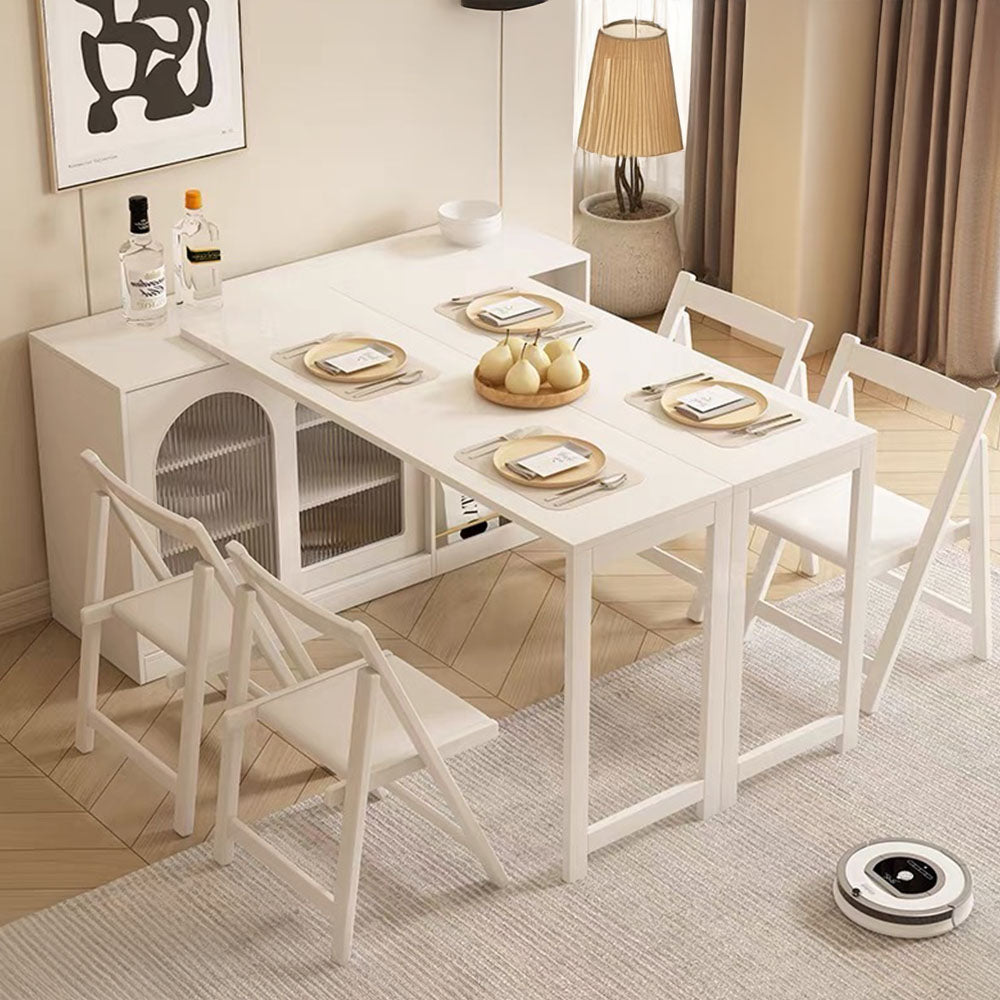
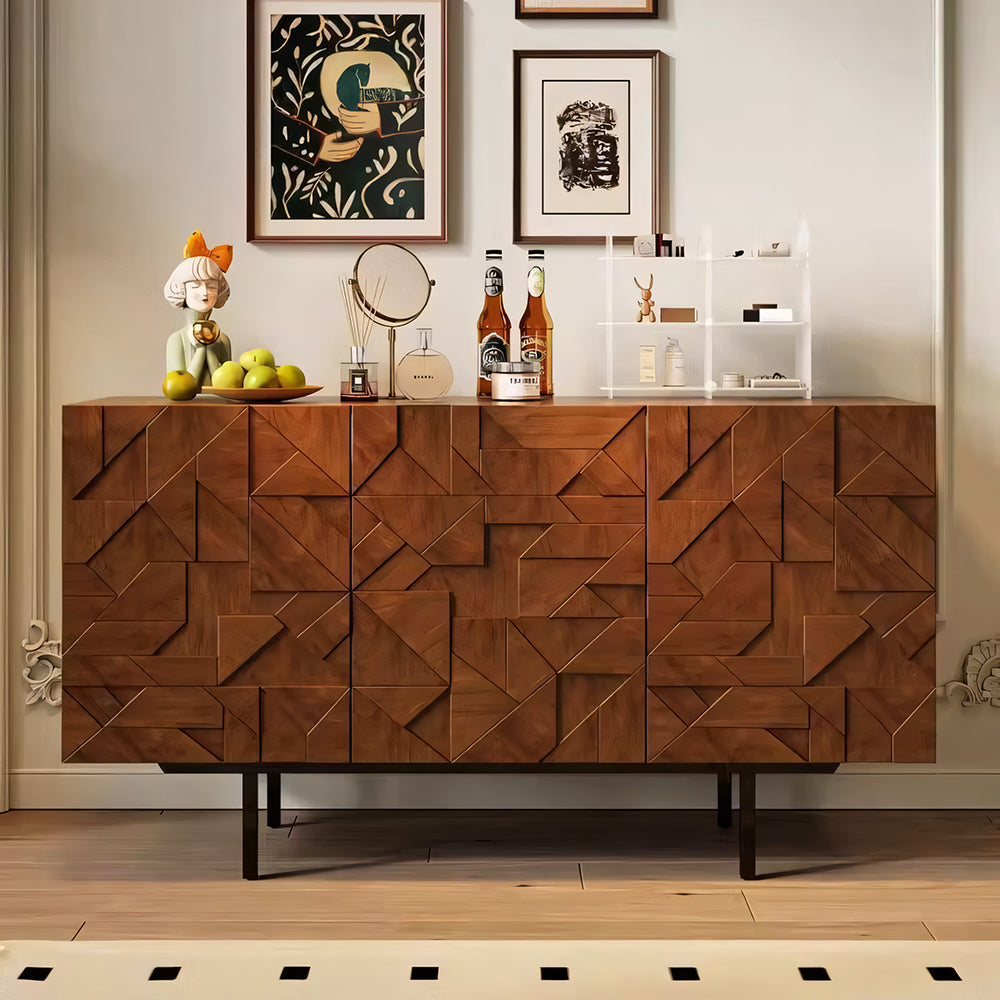
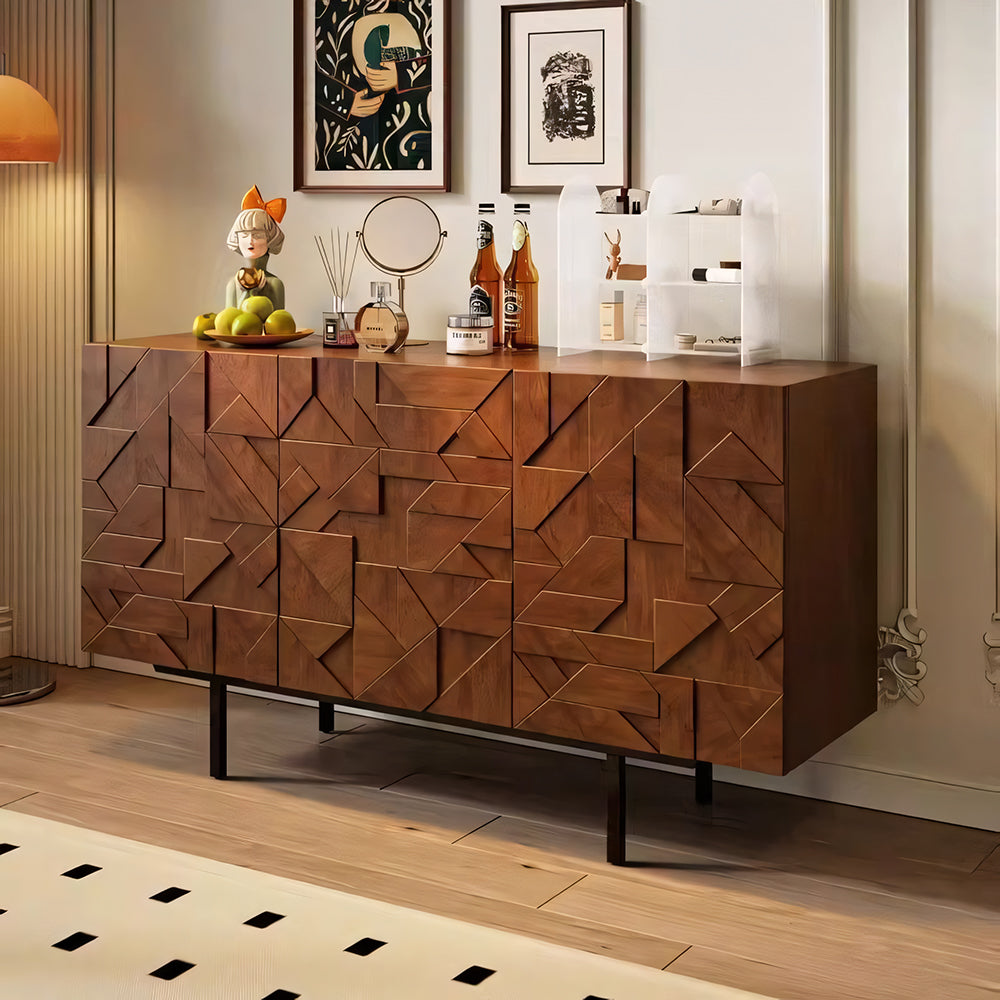
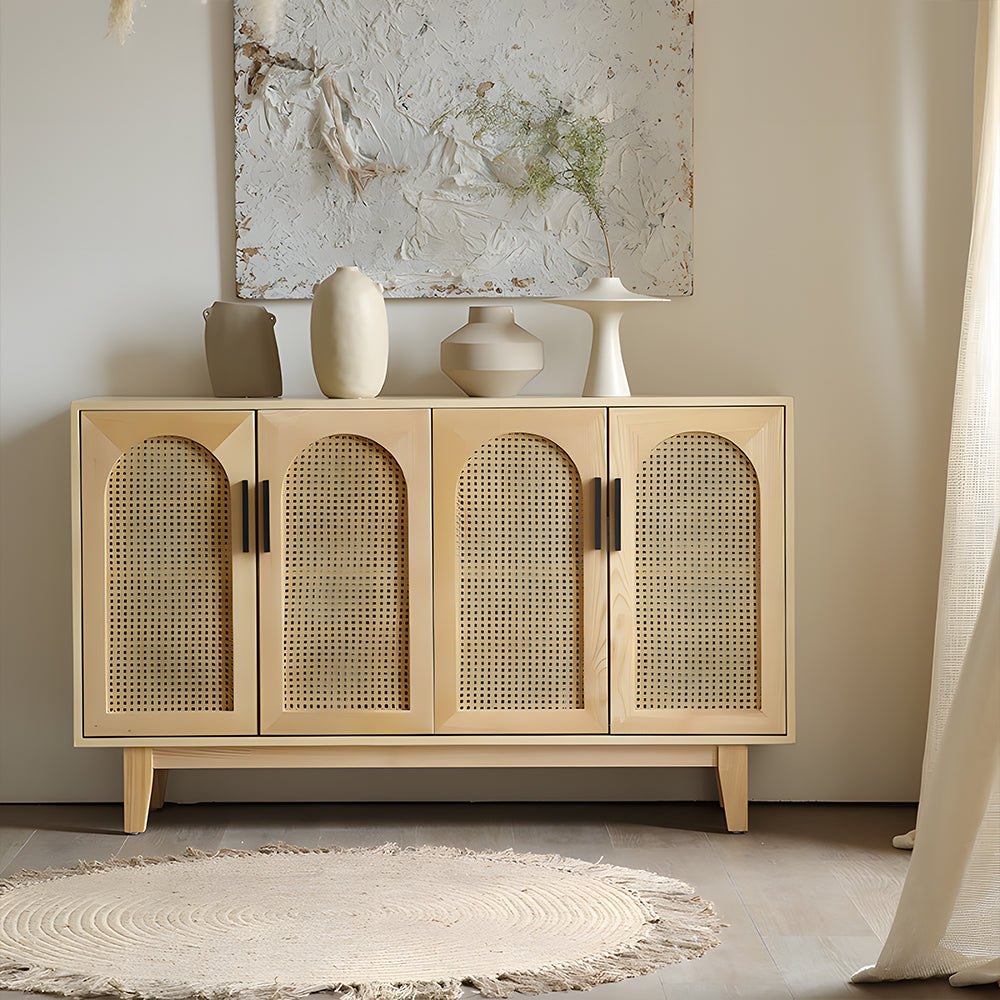
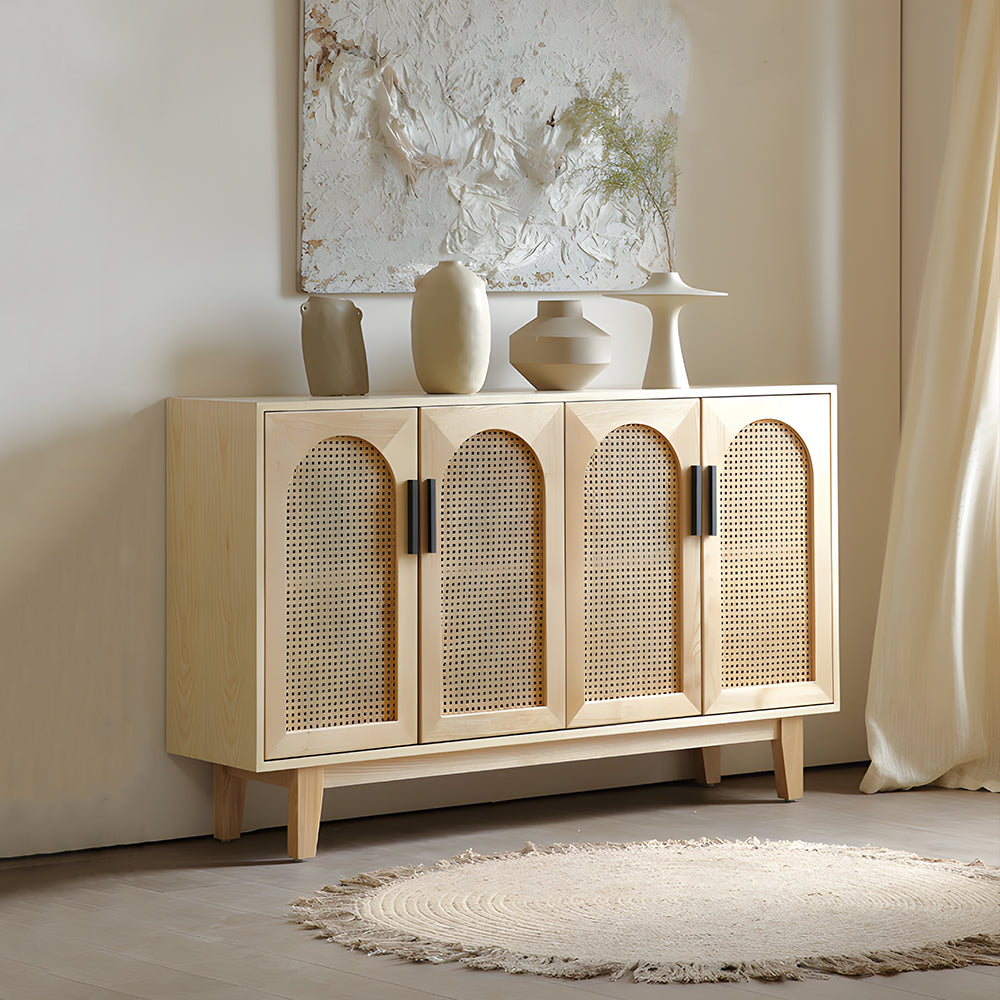
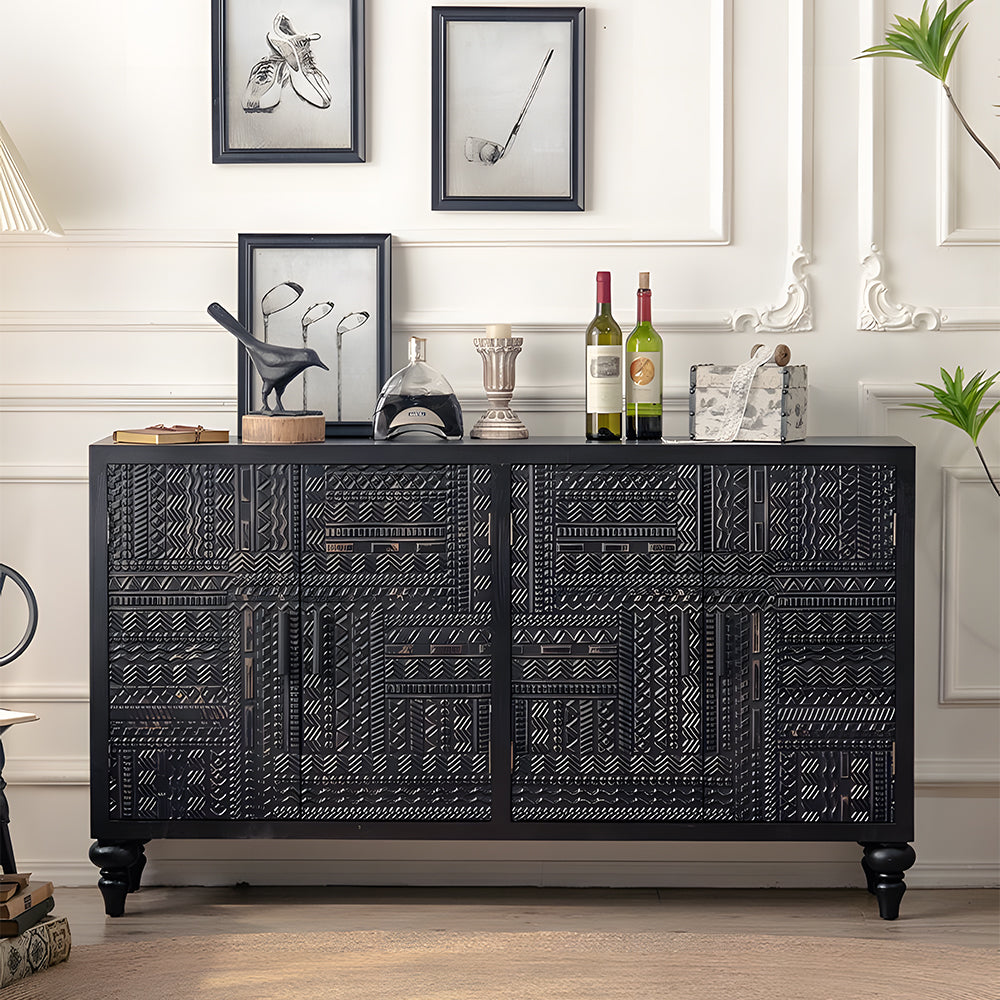
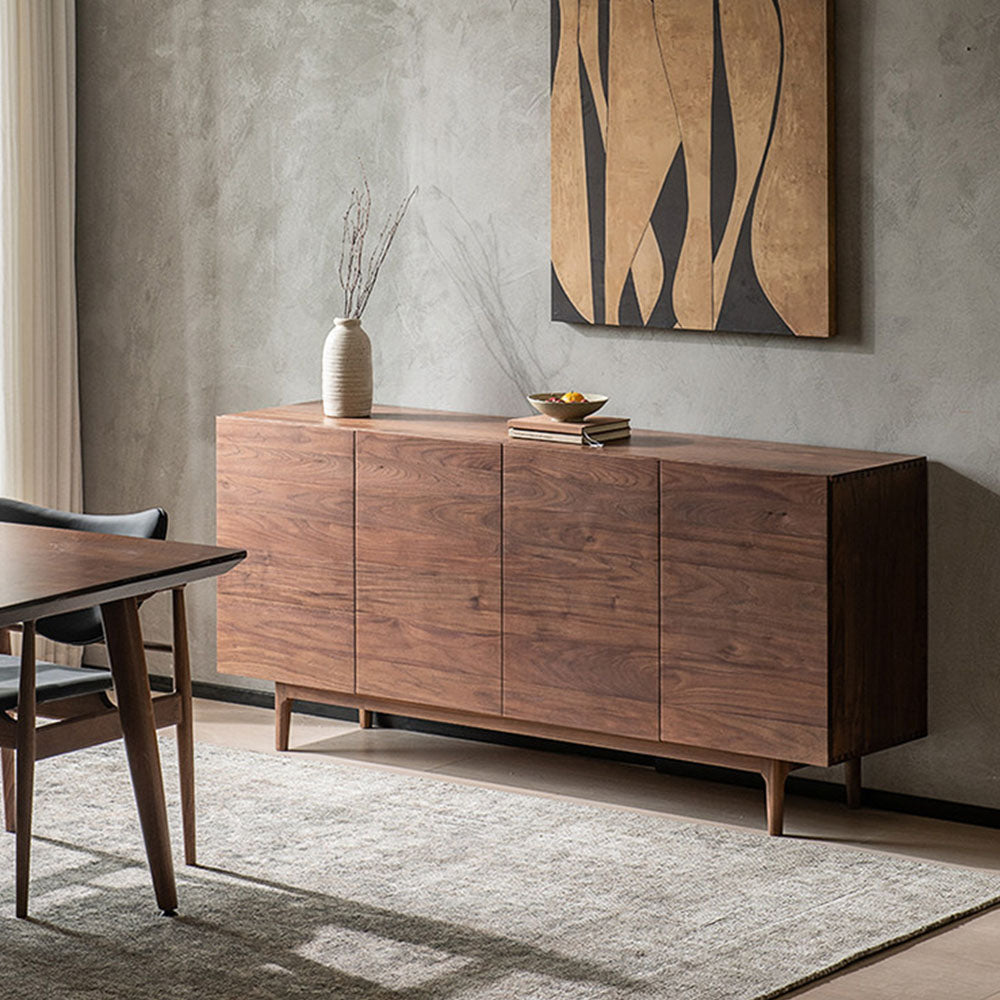
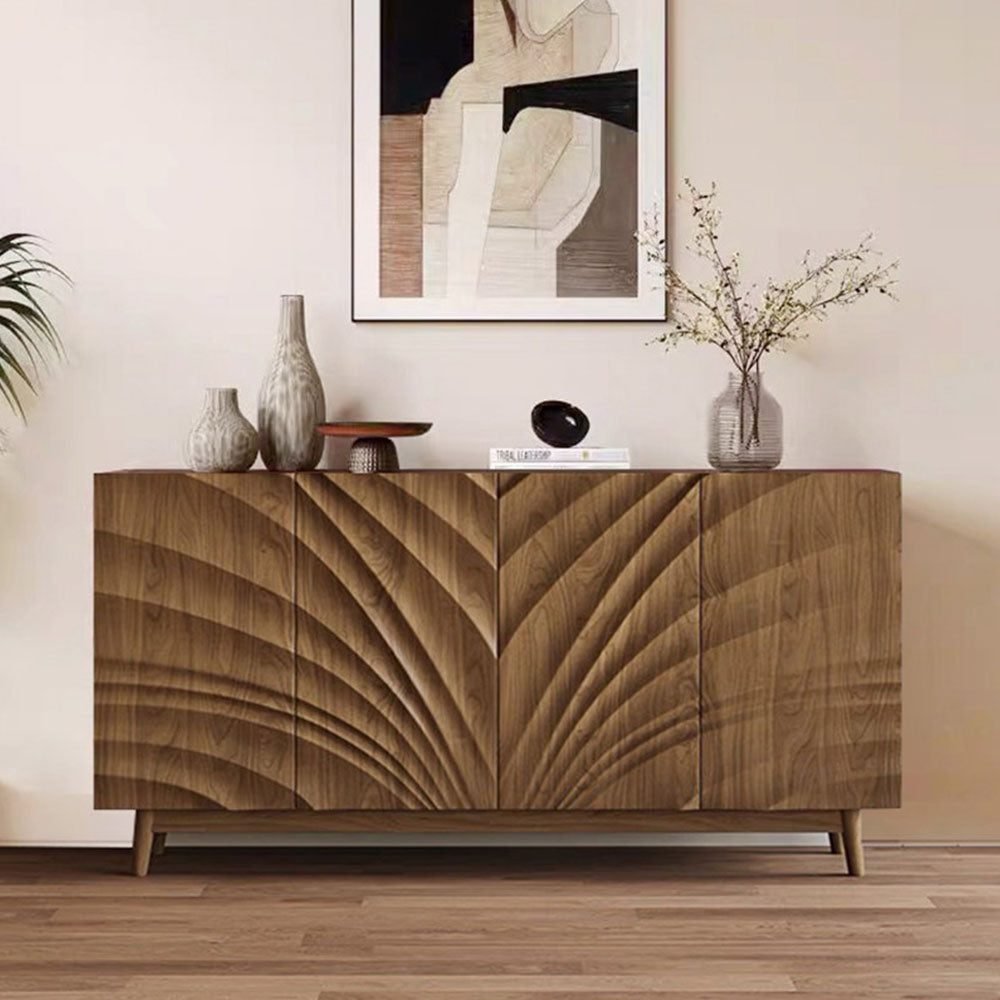
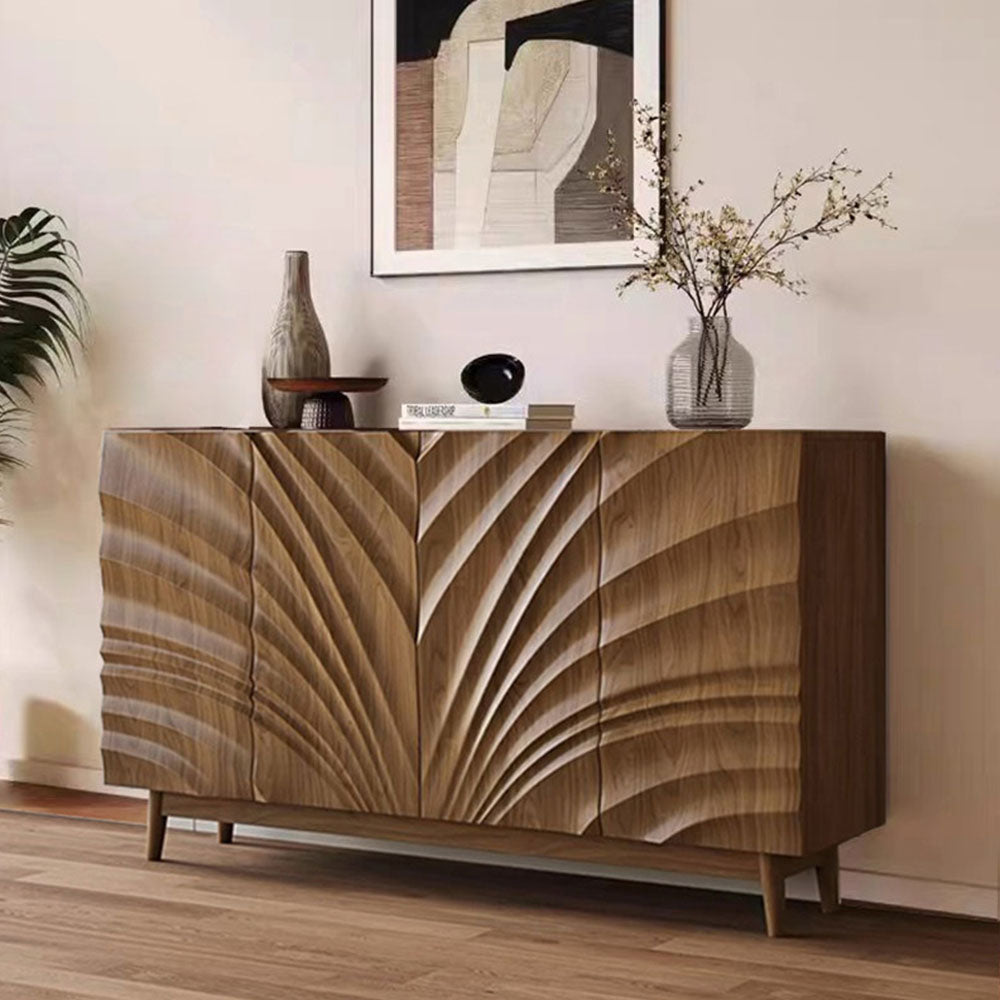
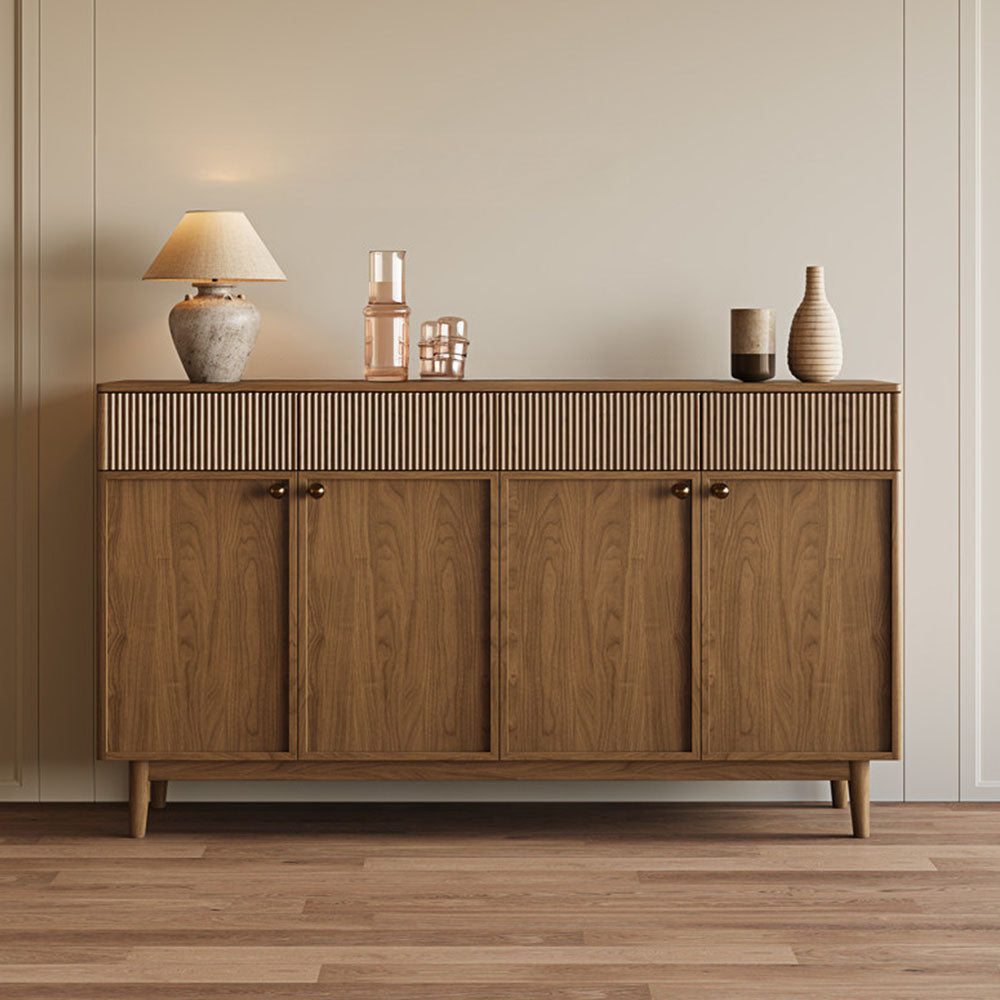
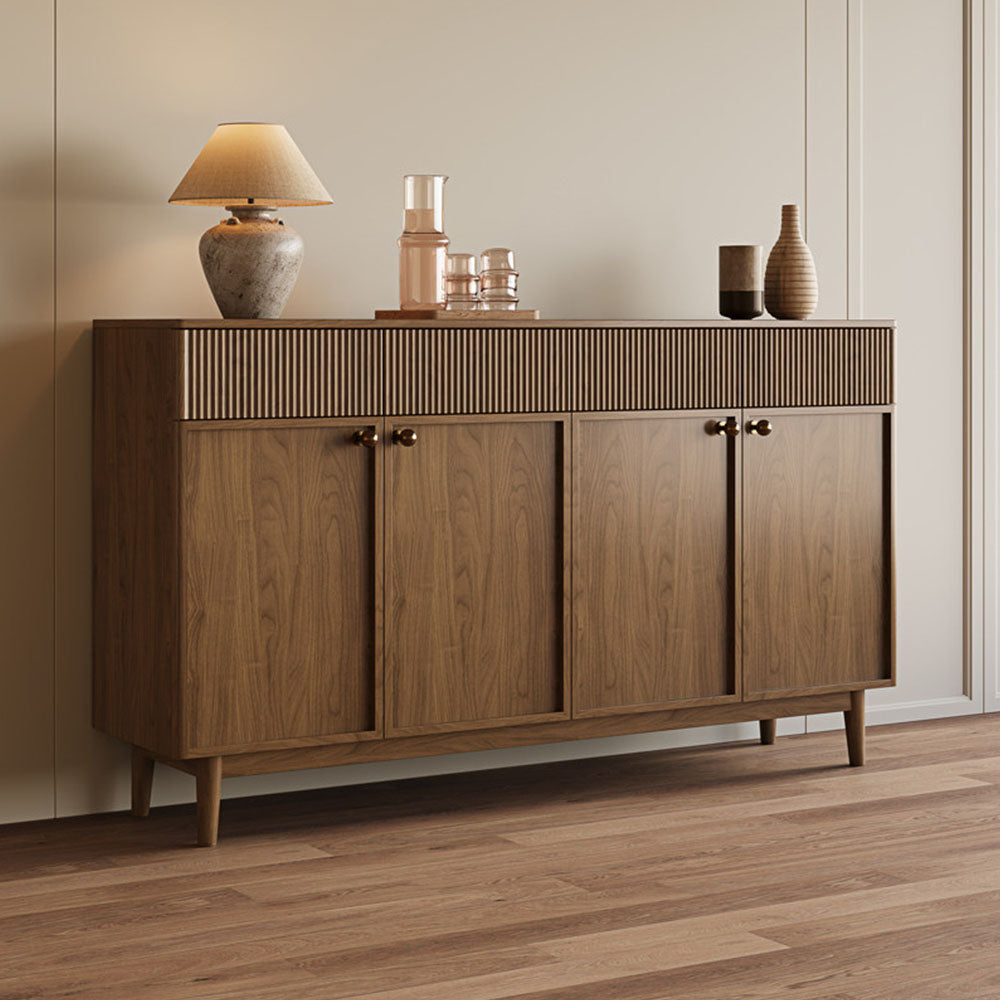
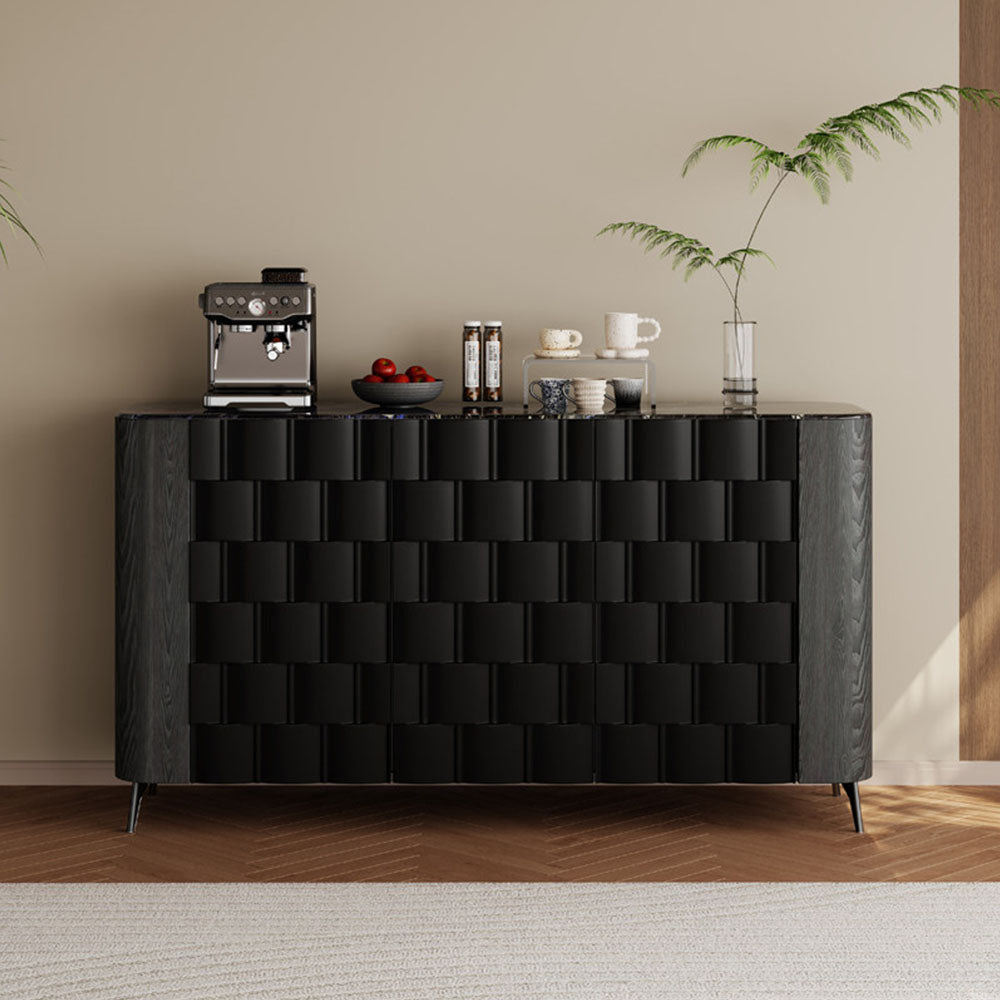
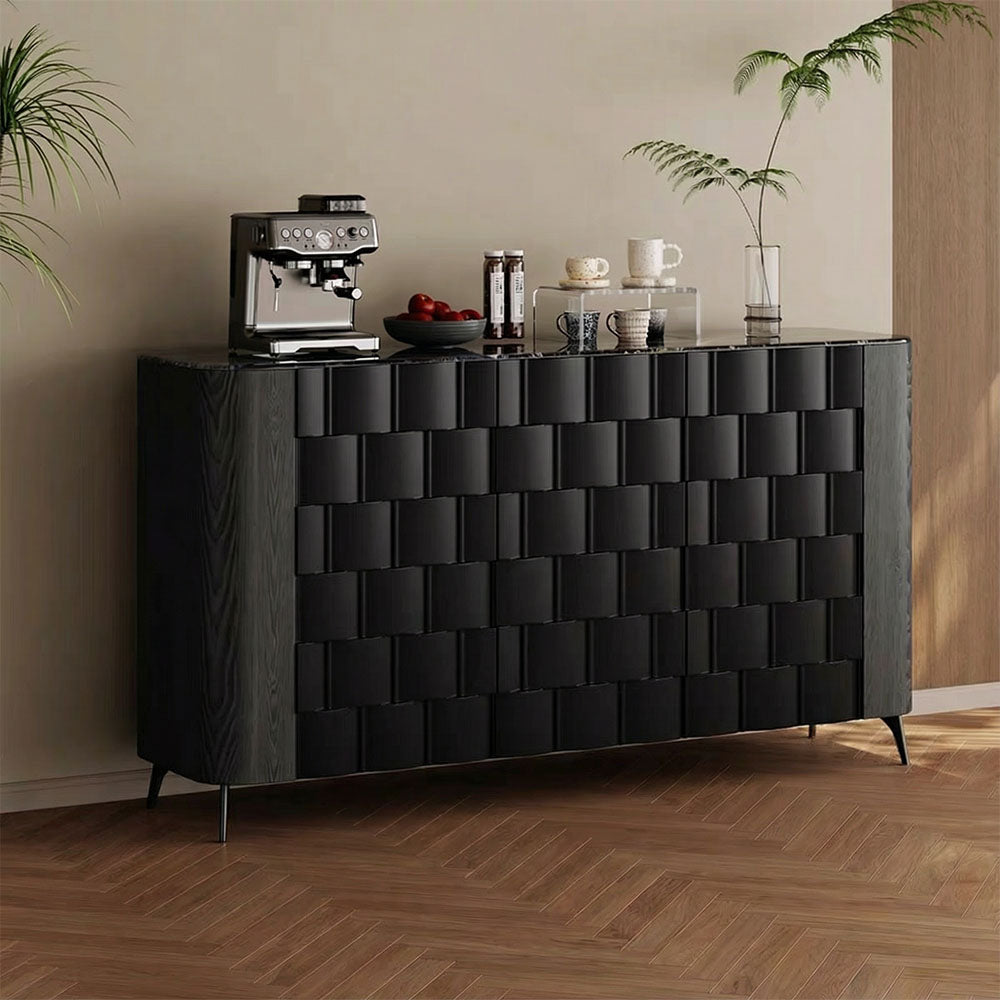
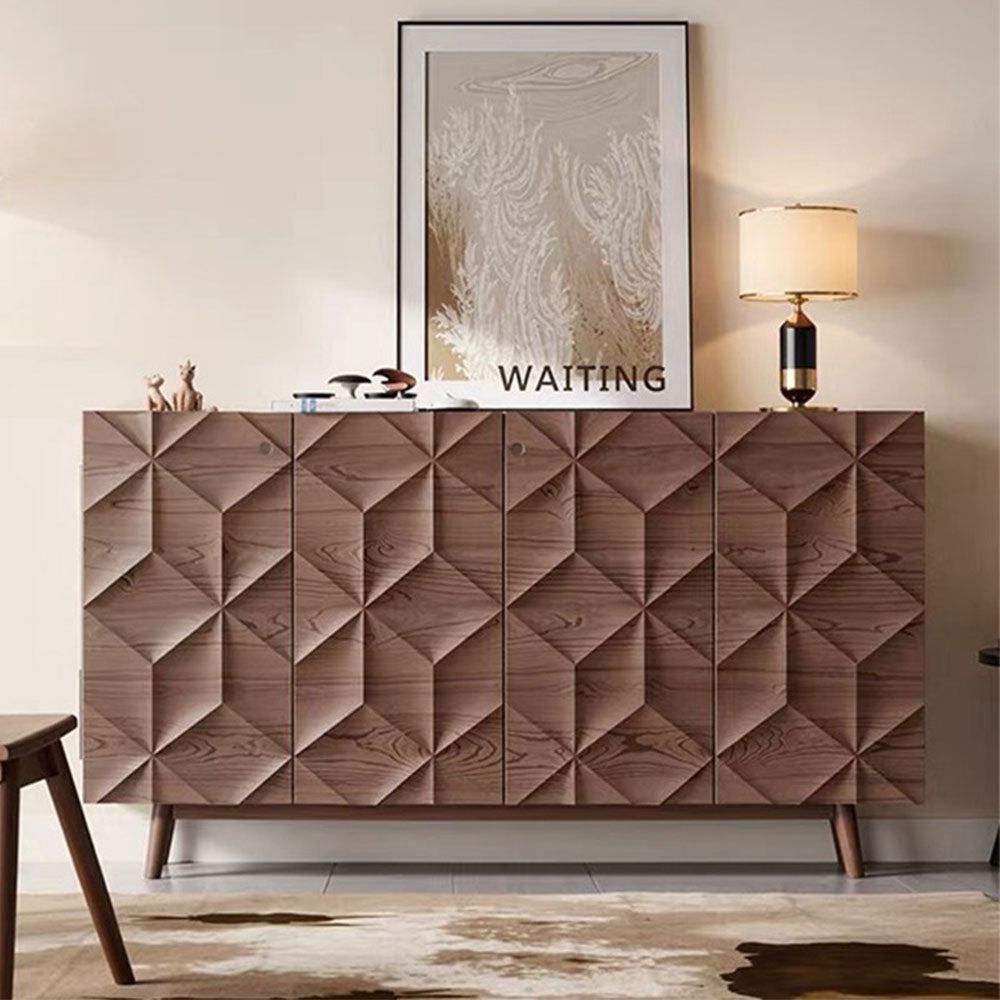
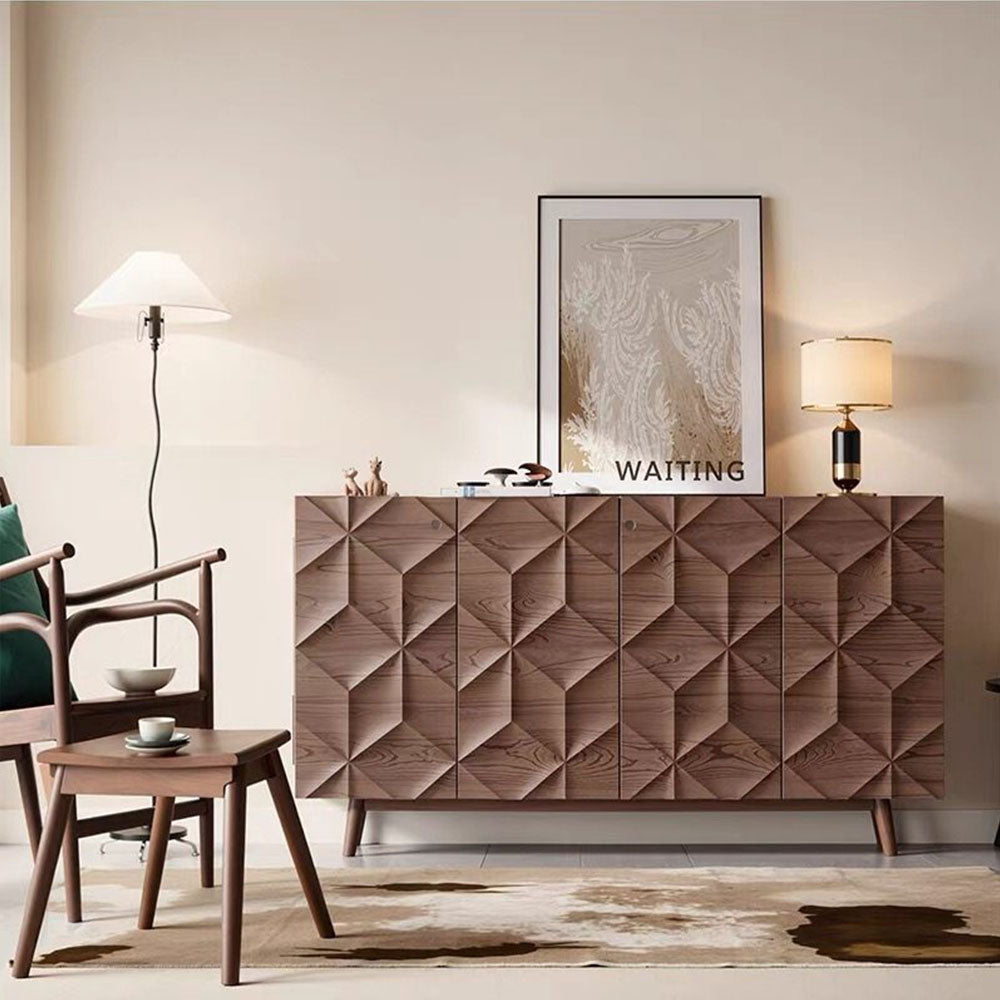
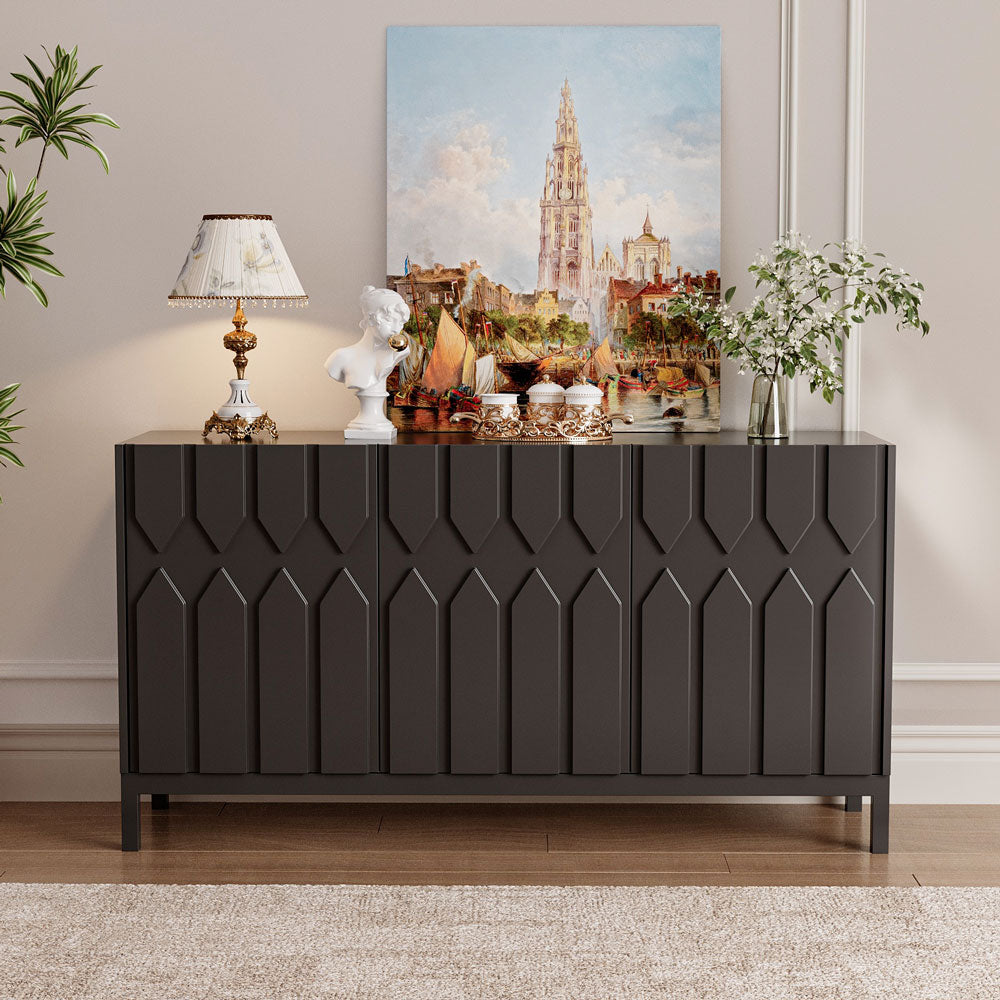
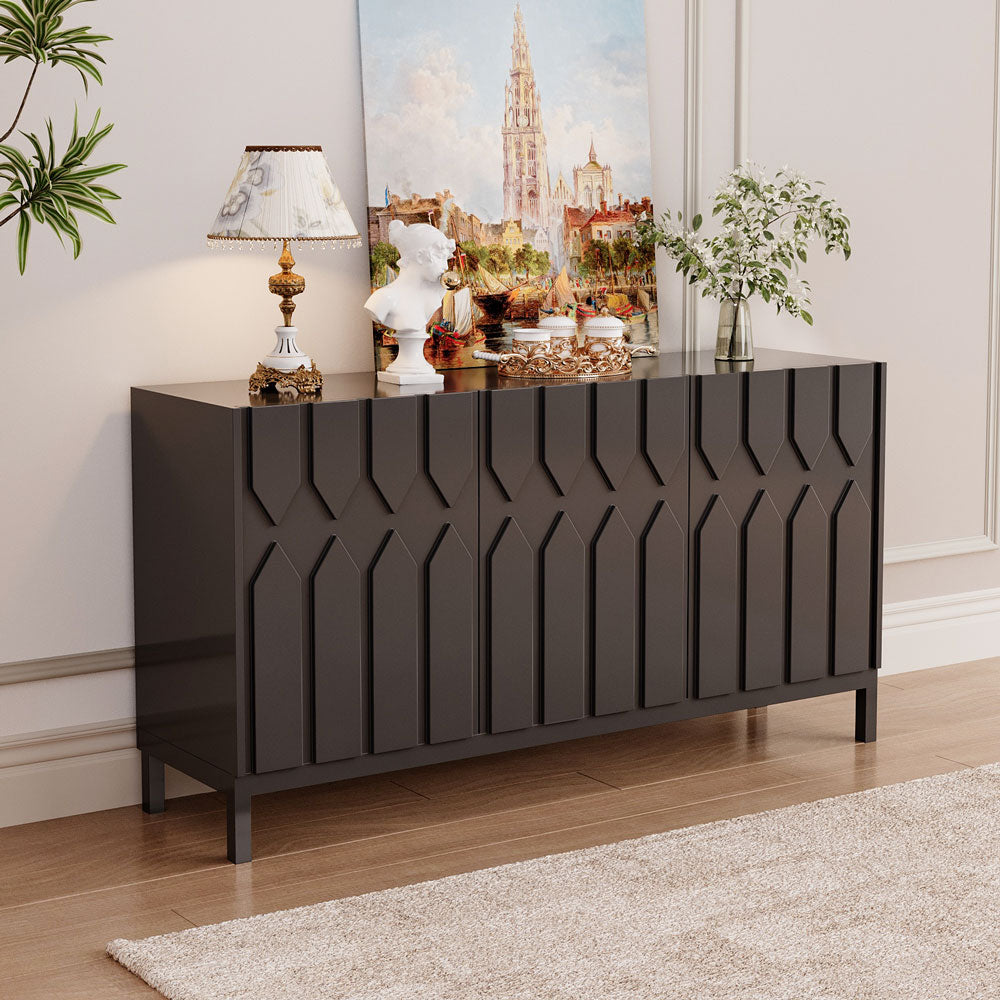
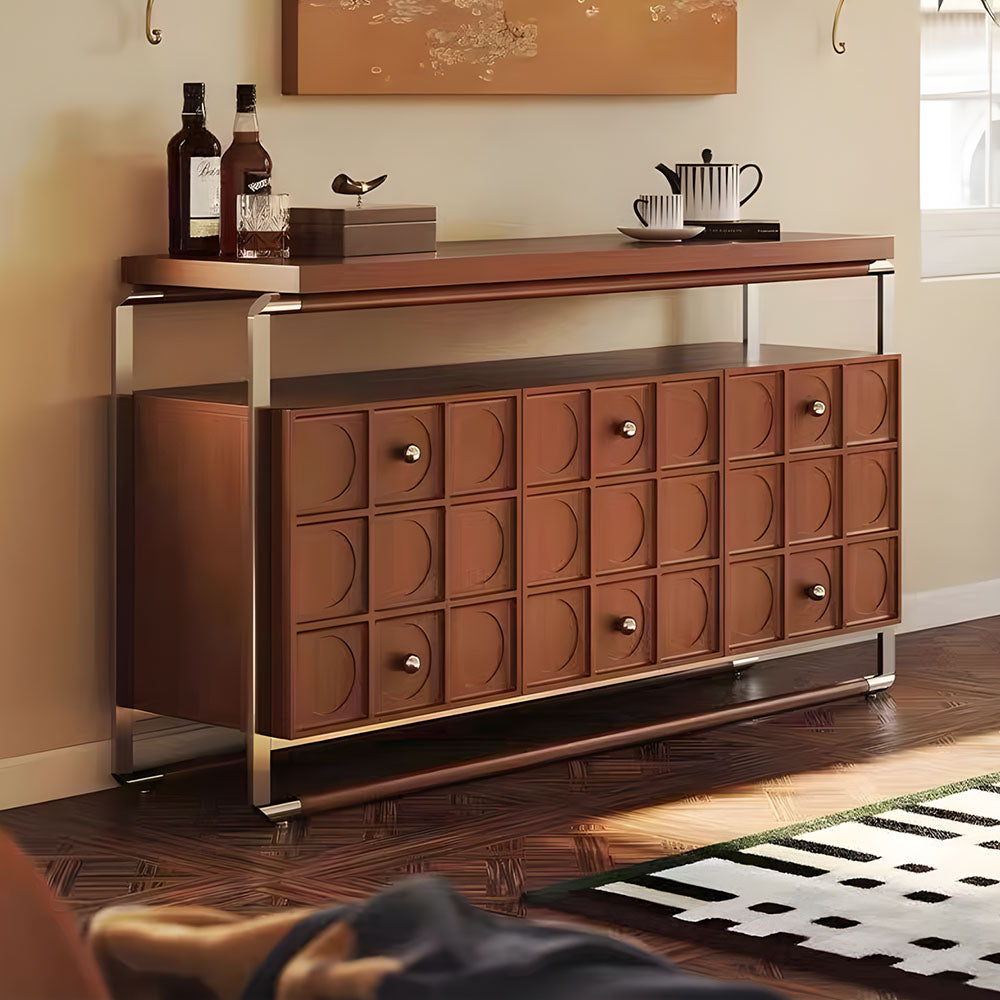
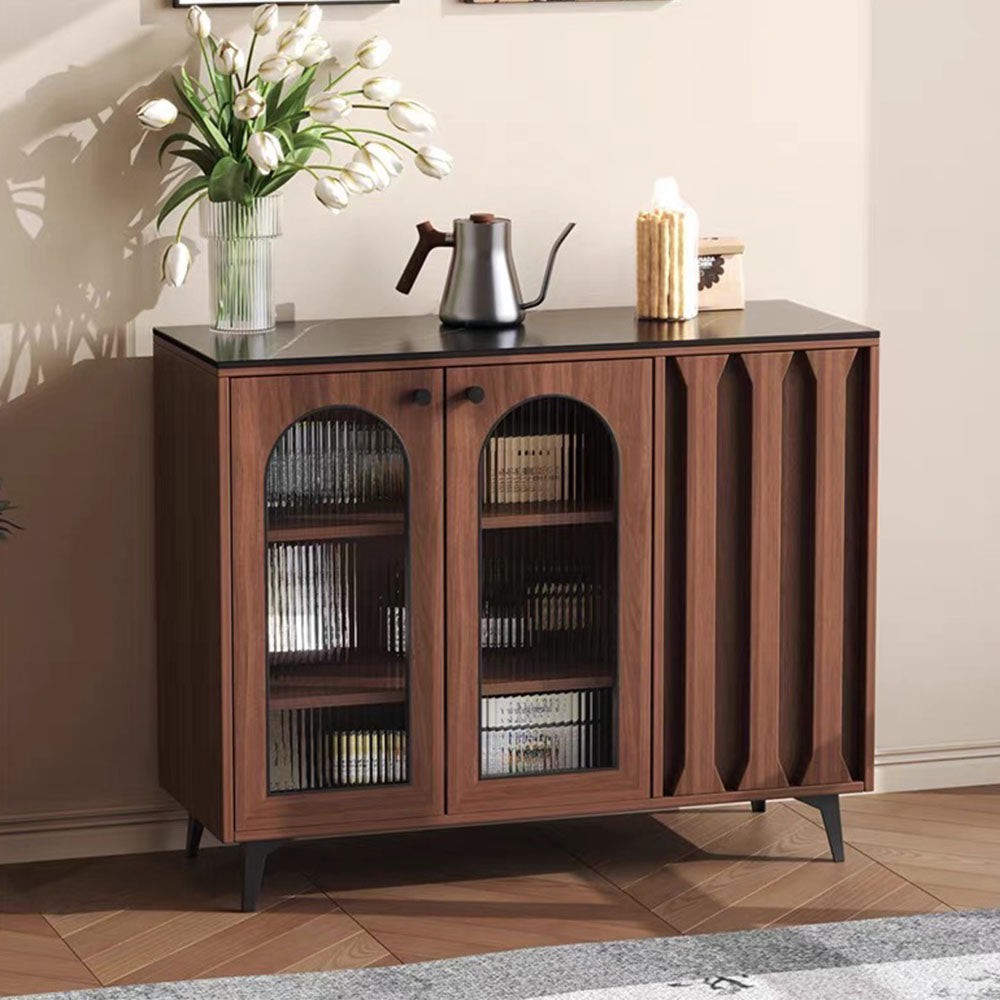
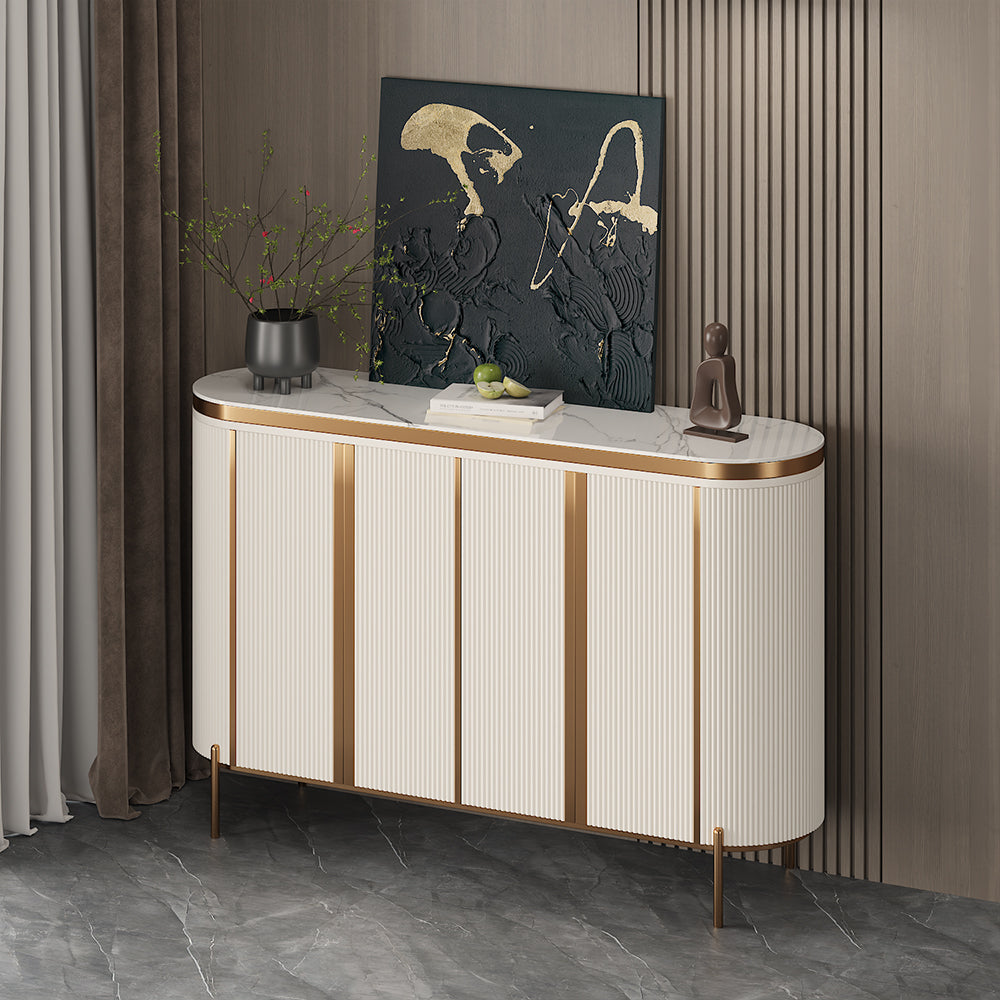
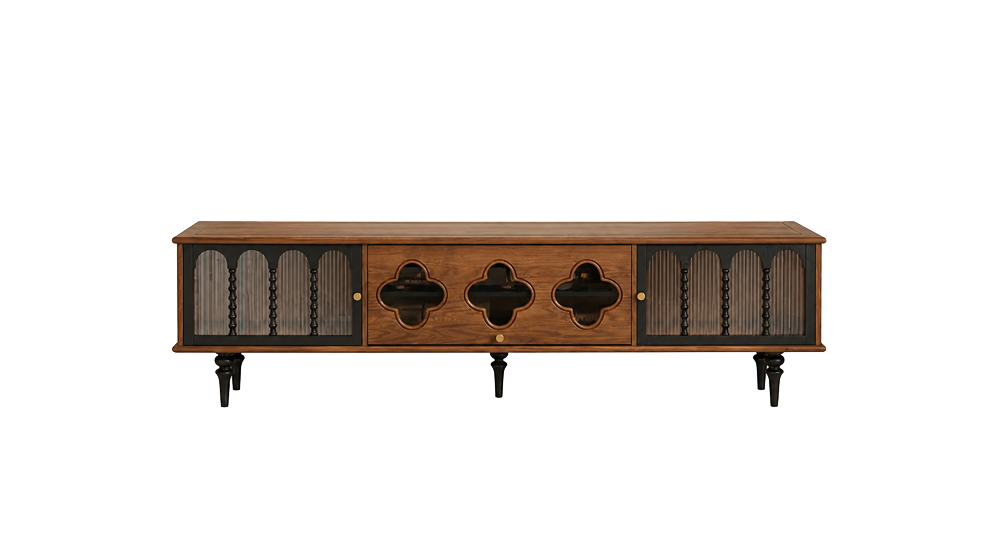
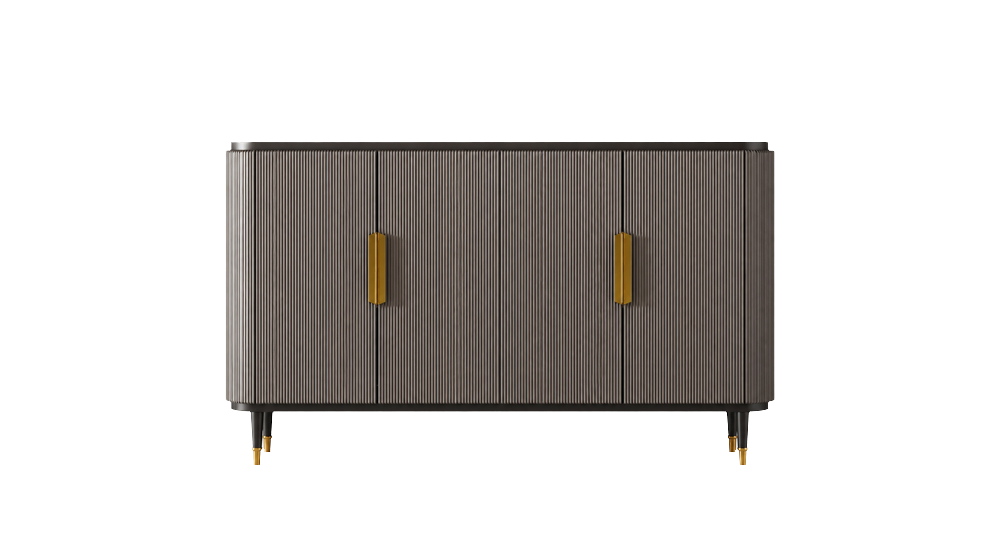
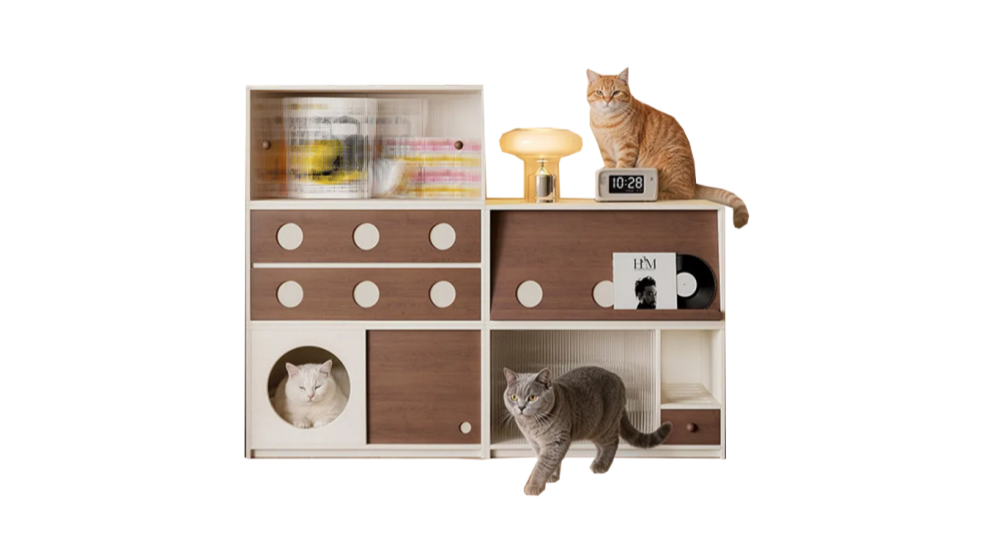
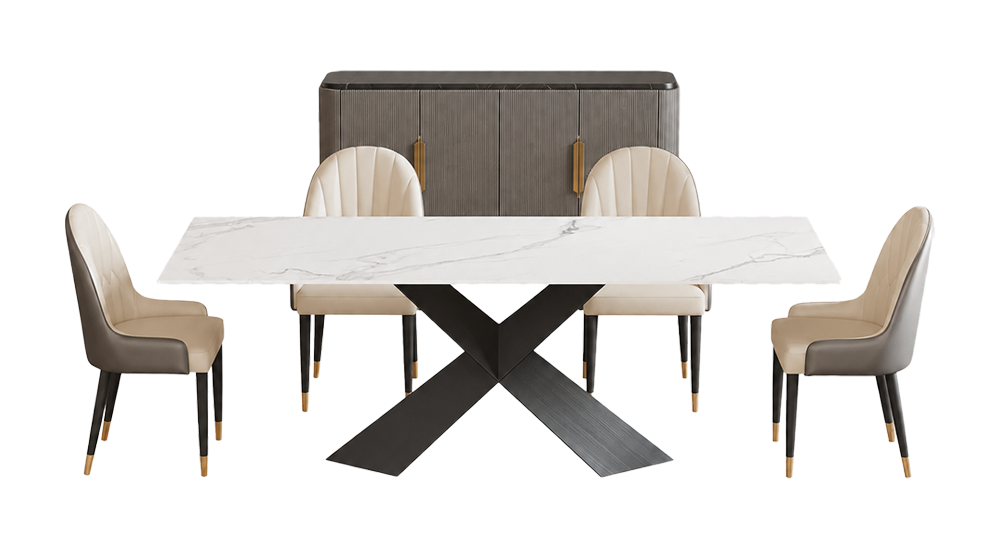
- Sideboard: Traditionally placed in dining rooms for storing serveware, cutlery, or linens. It usually has a long, flat surface for display or serving, with enclosed cabinets or drawers below for storage. Sideboards emphasize both storage and decor balance in dining spaces.
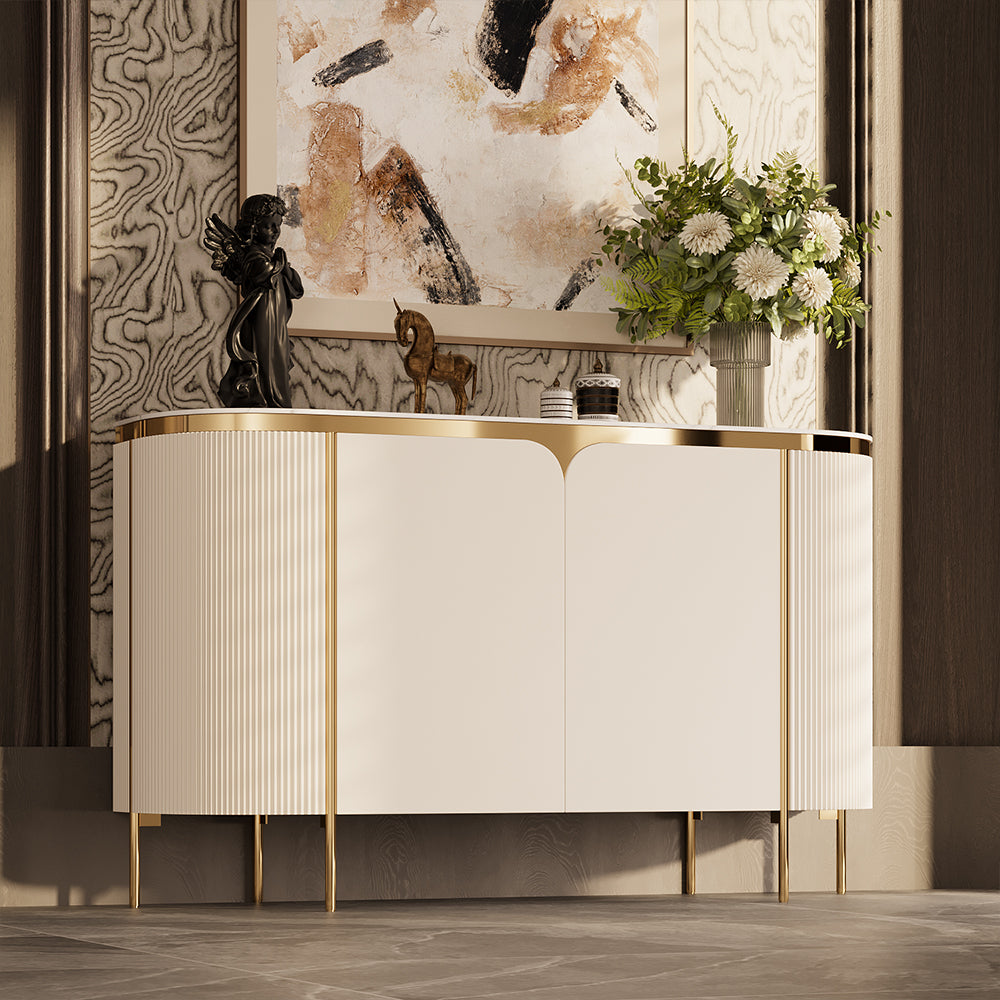
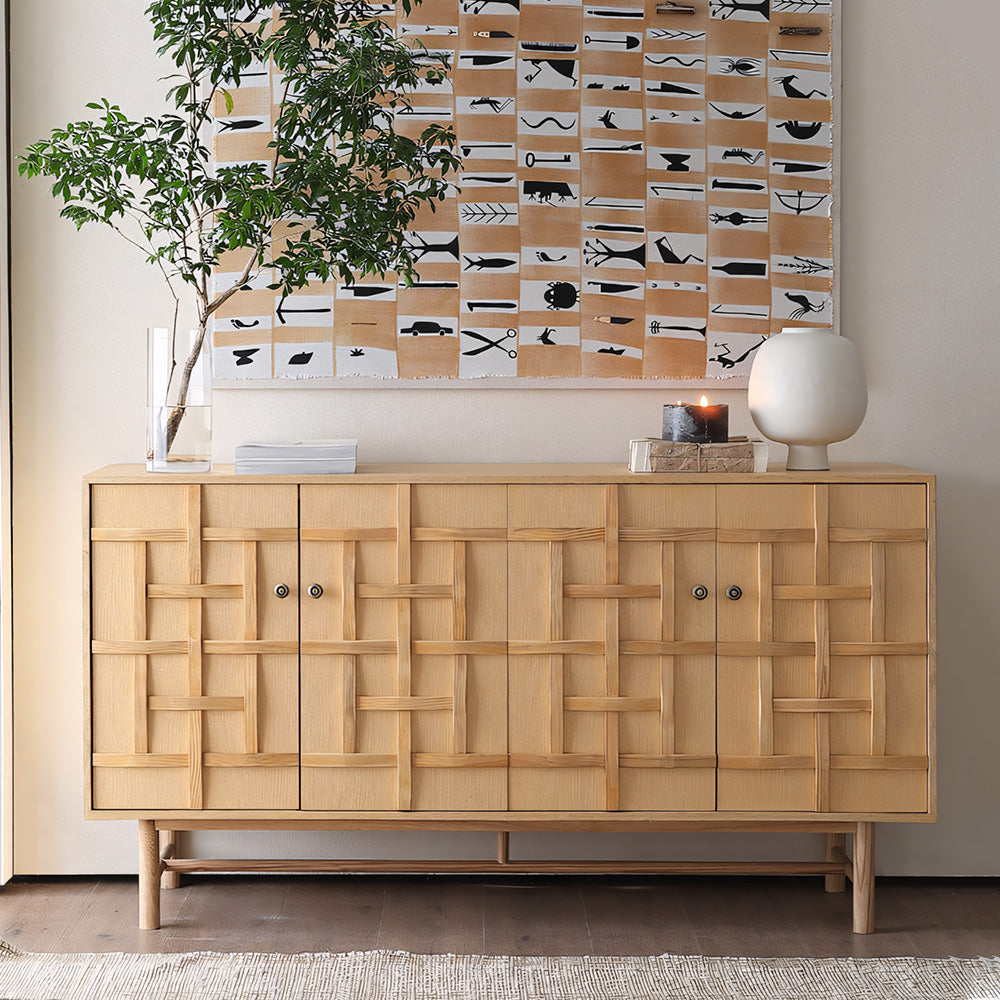
- Buffet: Similar but generally taller and deeper, designed to serve food during gatherings and offer extra storage; often functions as a self-serve station.
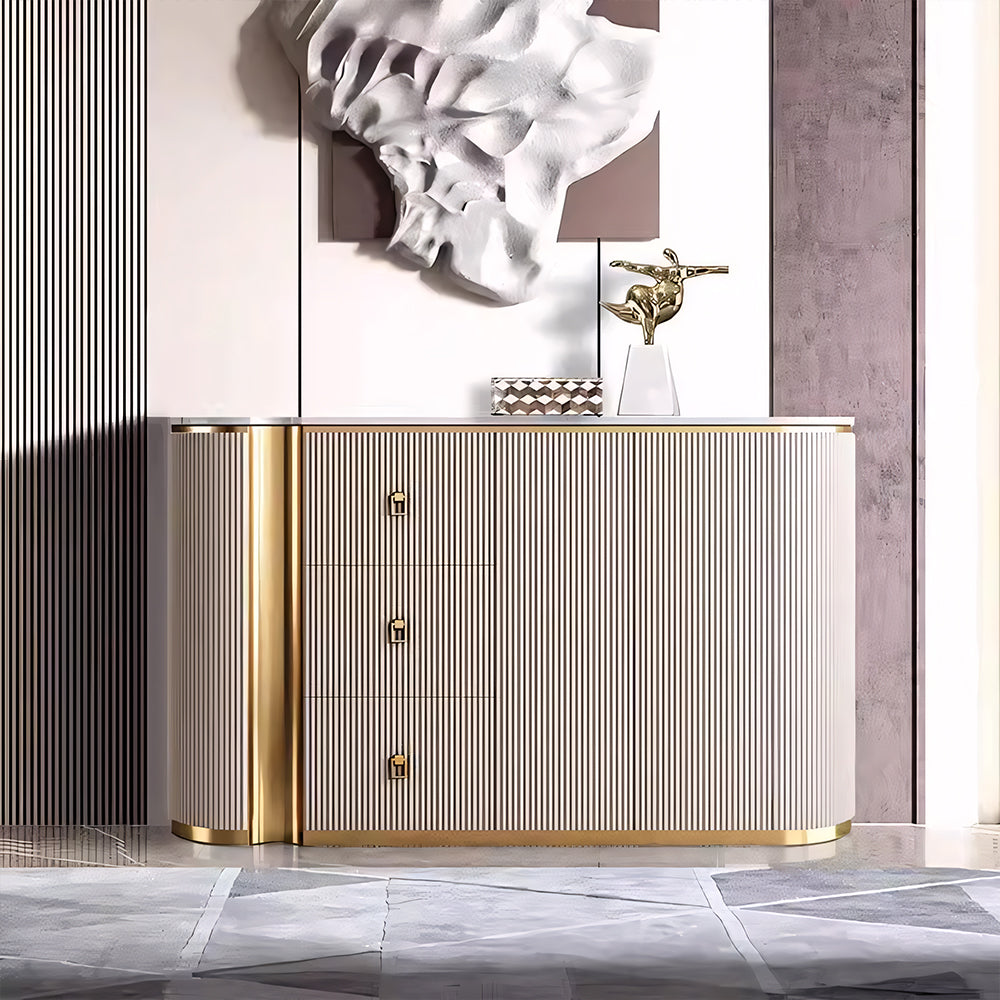
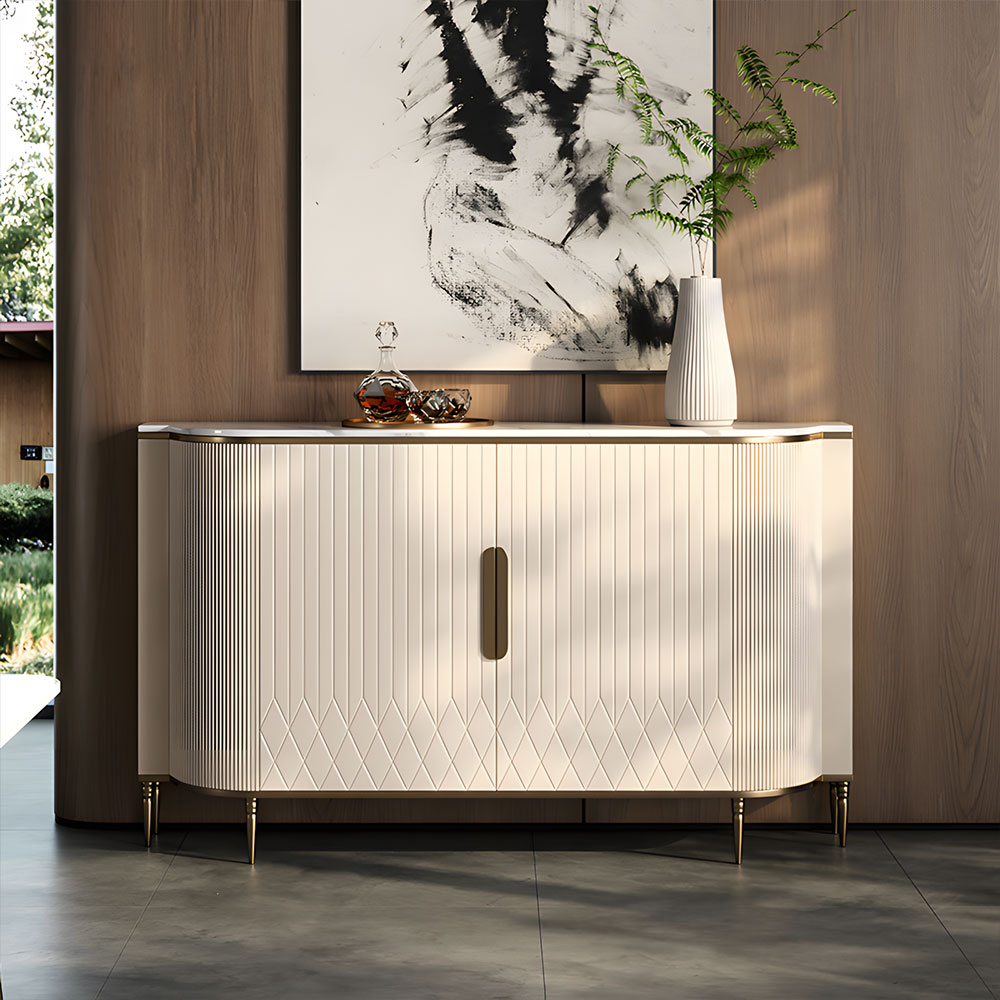
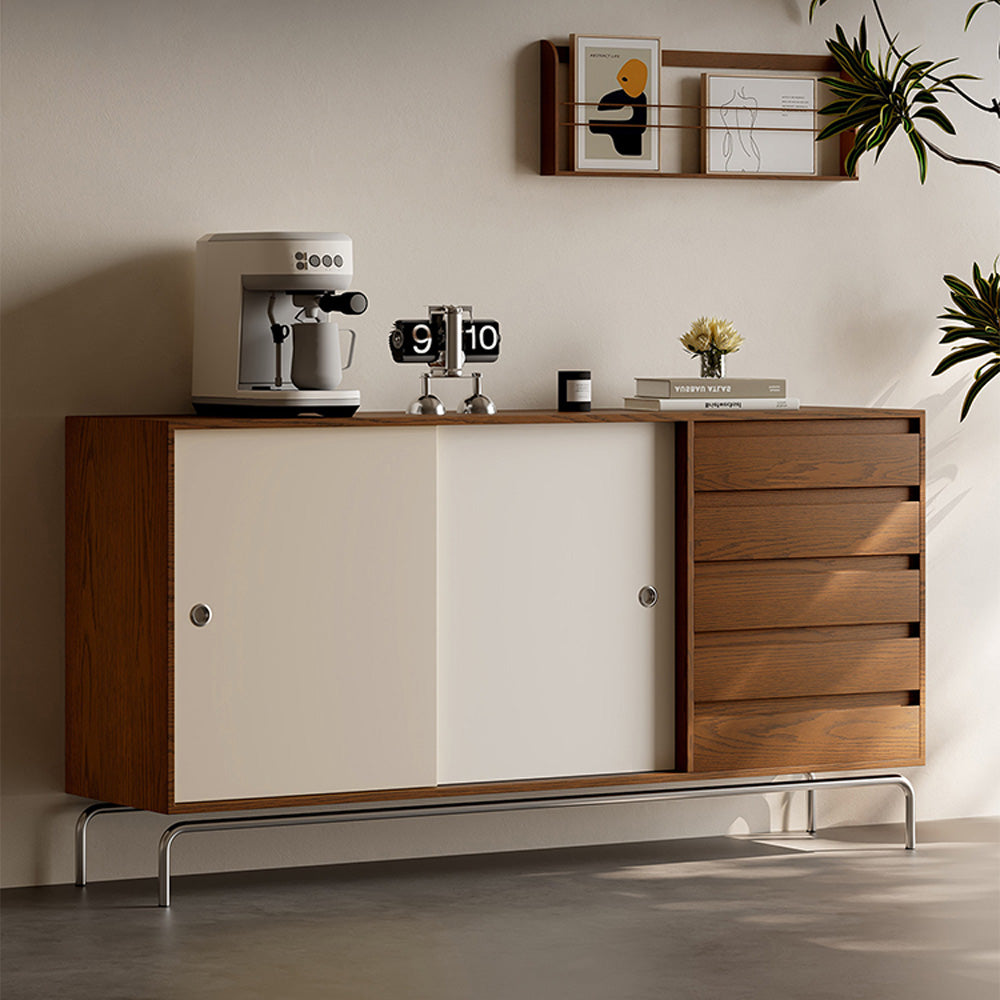
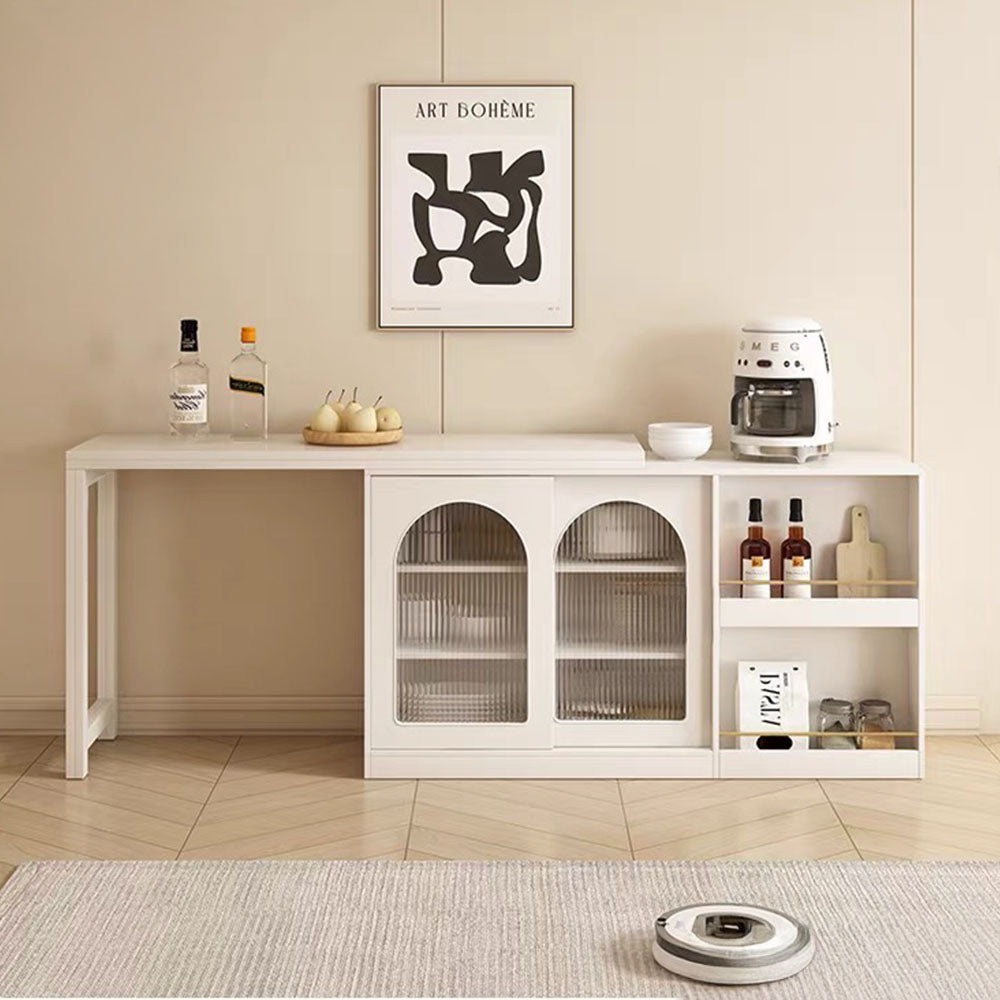
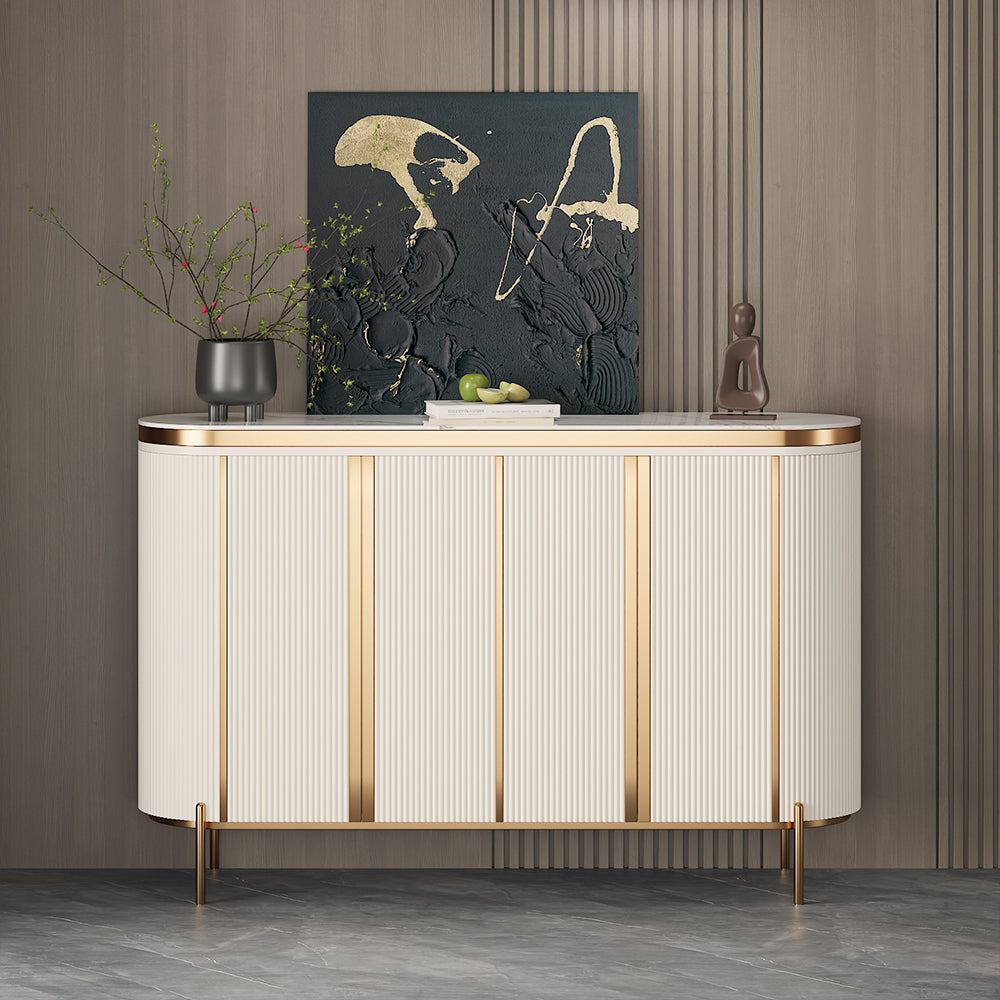
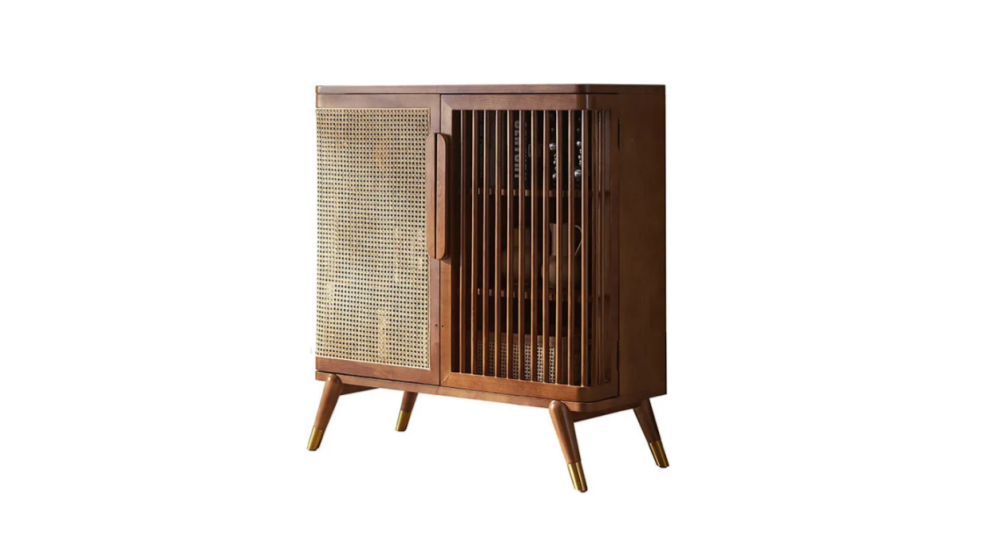
- Credenza: Lower-profile and sleeker, frequently found in living rooms or offices, characterized by sliding doors and minimalist style, focusing on storage and display in compact forms.
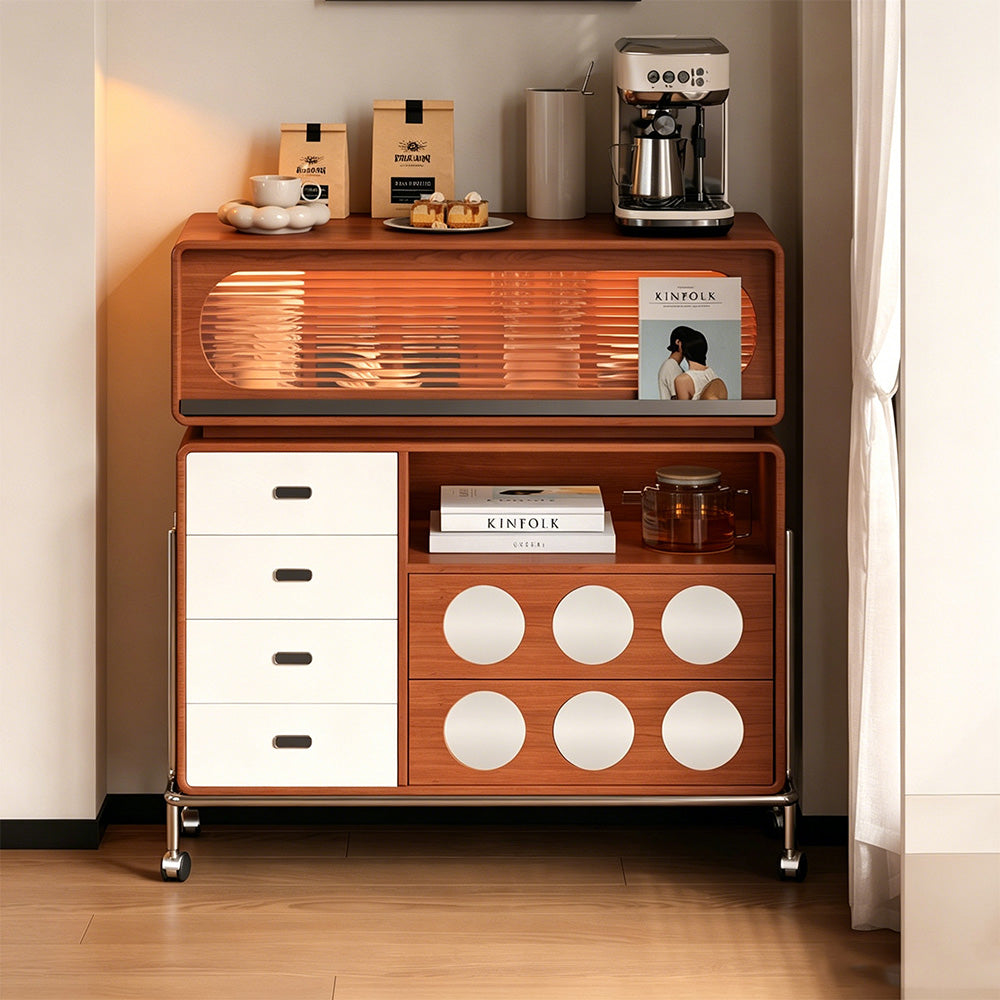
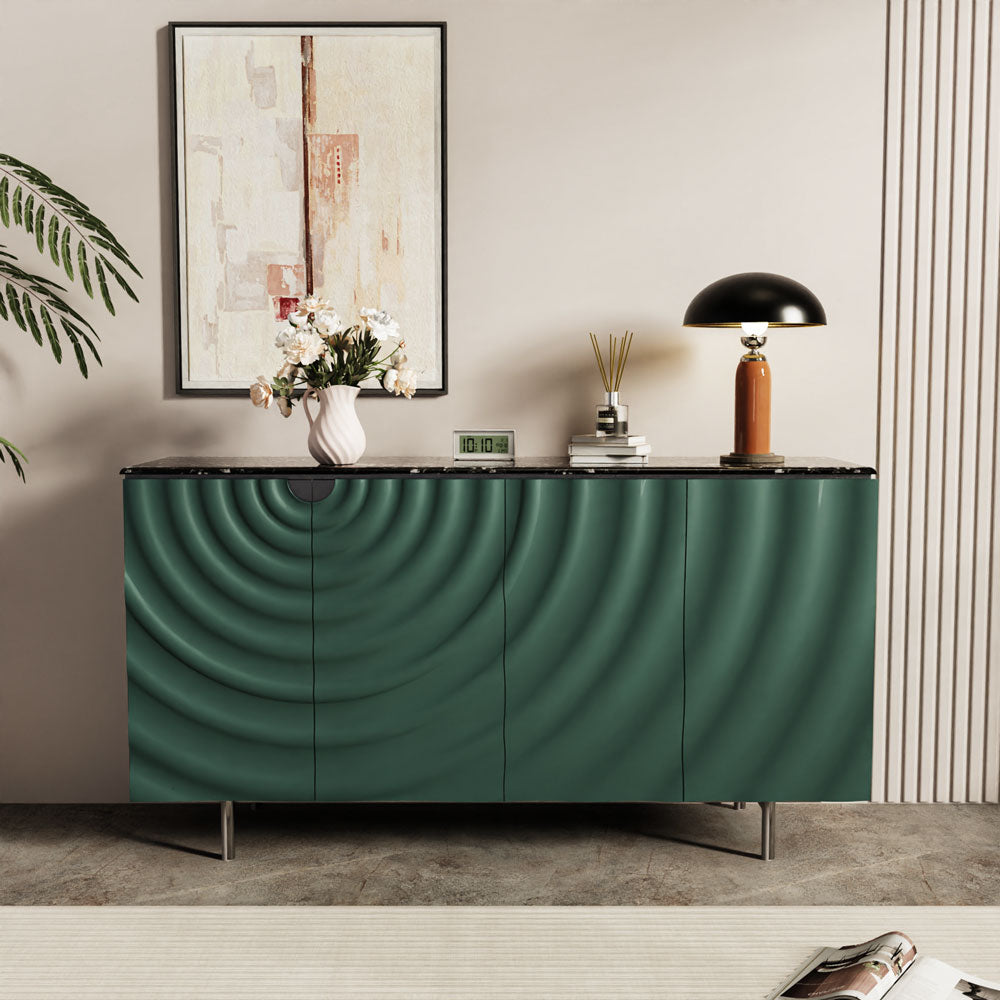
- Side cabinet: A broad term for any storage piece placed against a wall, including sideboards; varies widely by style and space function.
Absolutely. Thanks to their versatile design and multi-functionality, sideboards are popular throughout the home:
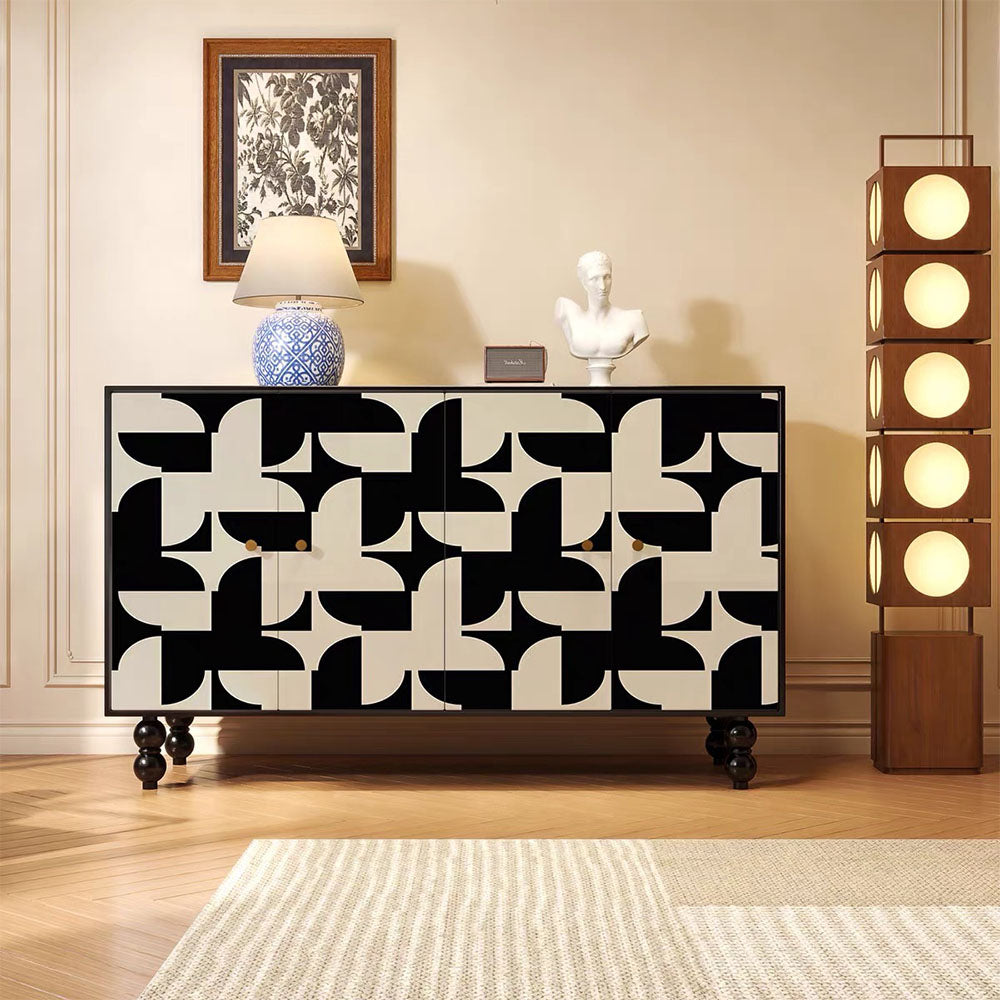
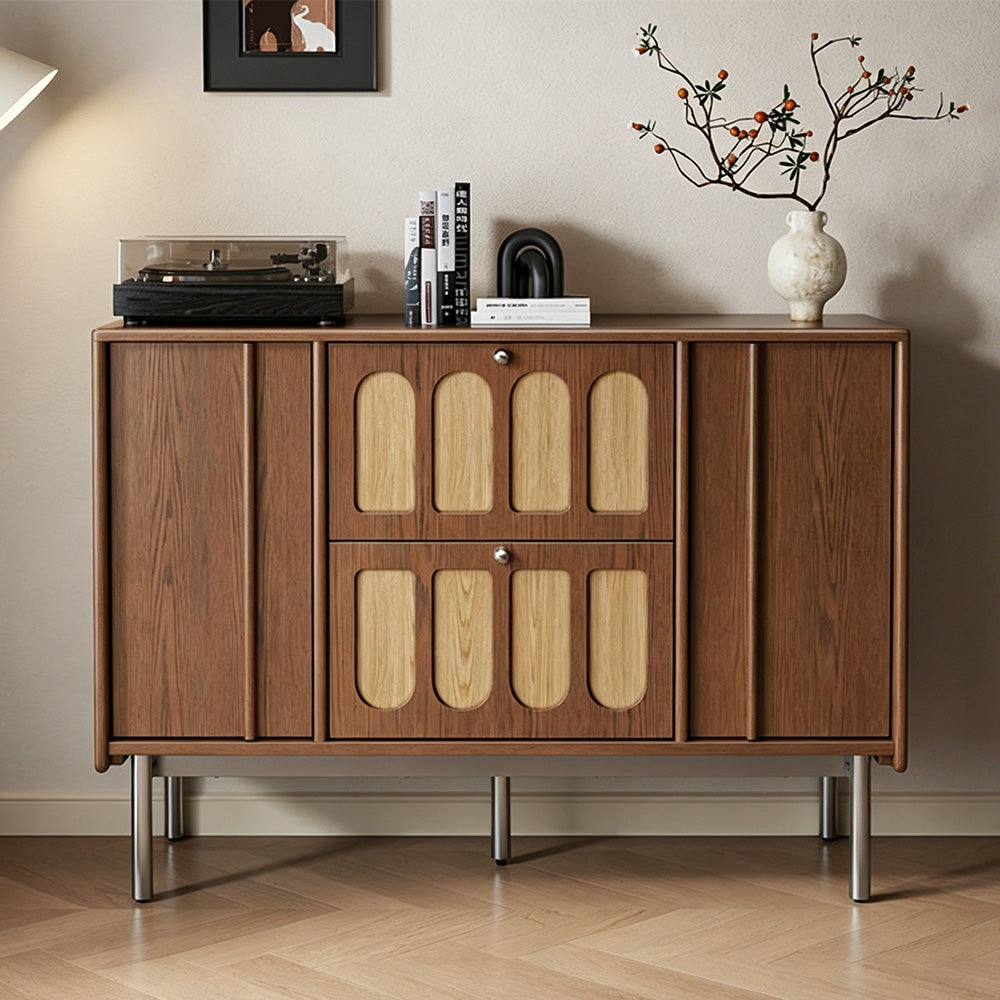
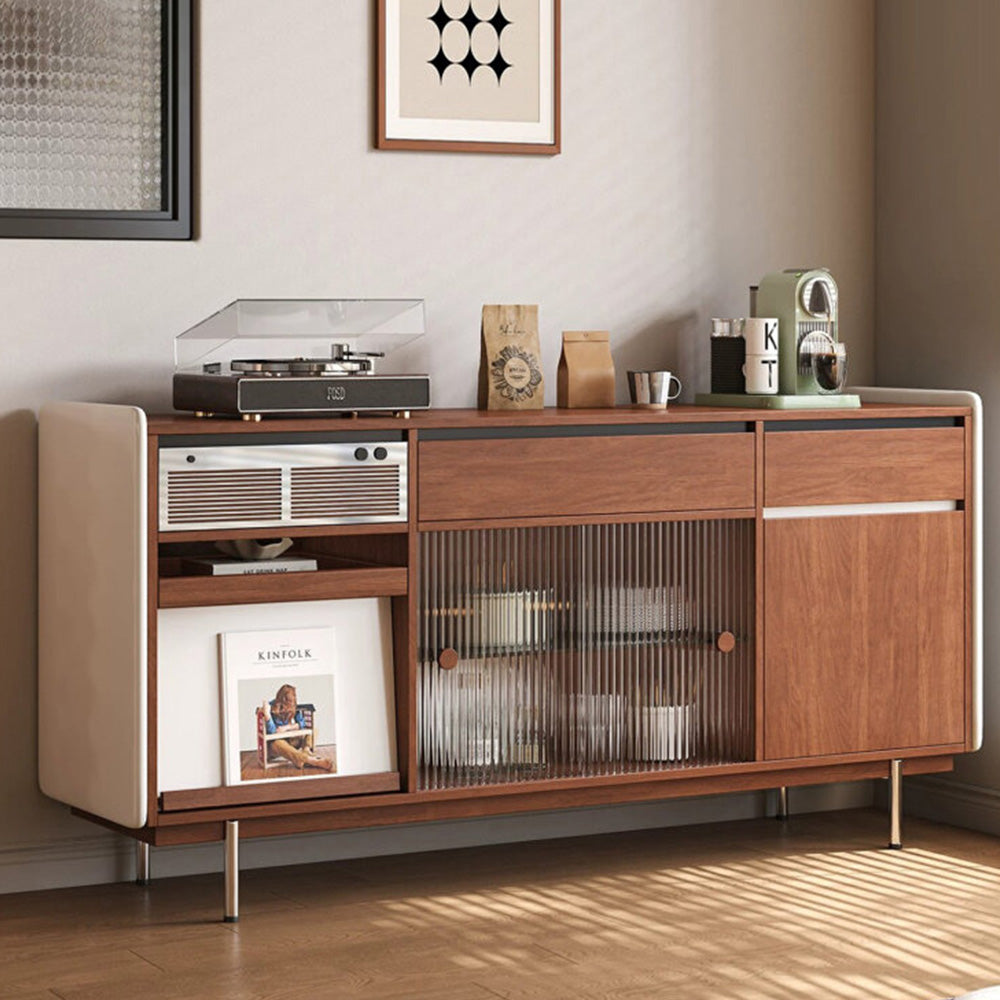
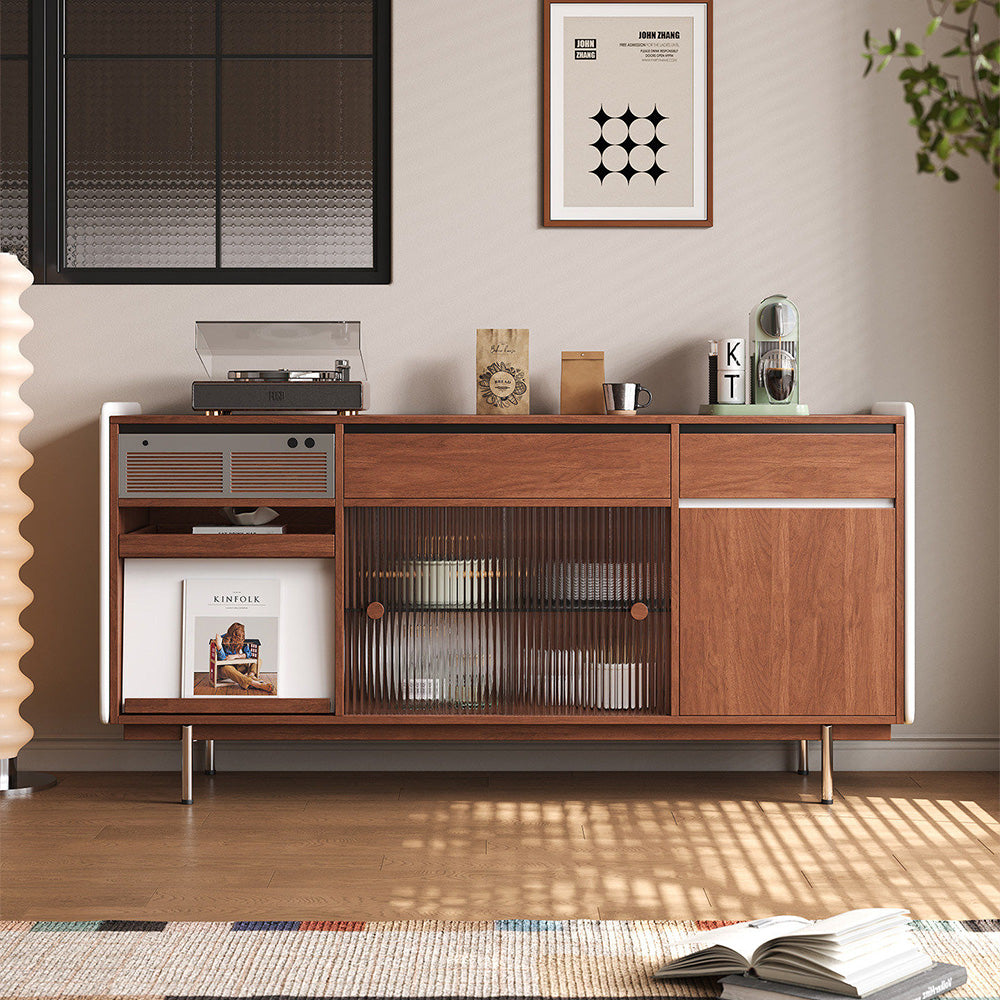
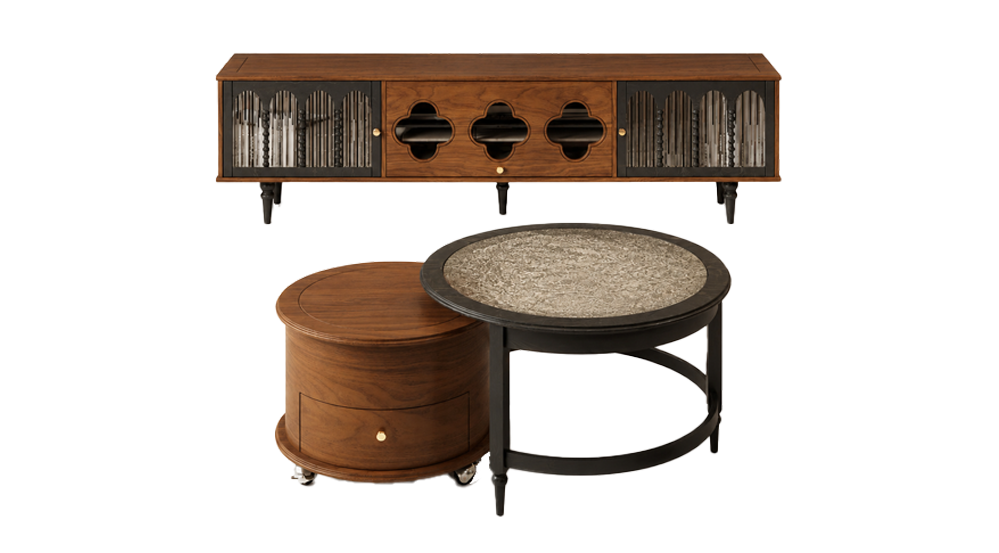
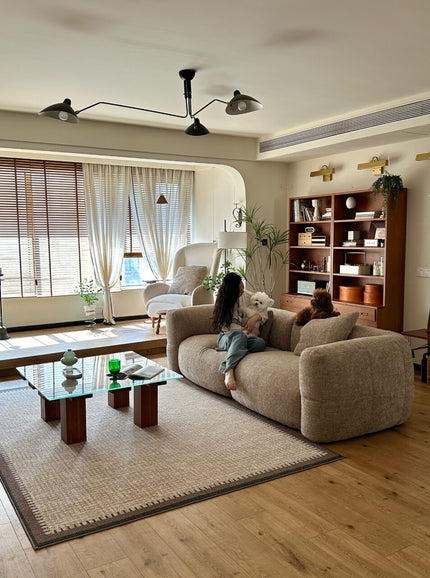
- In living rooms, as media consoles or accent storage;
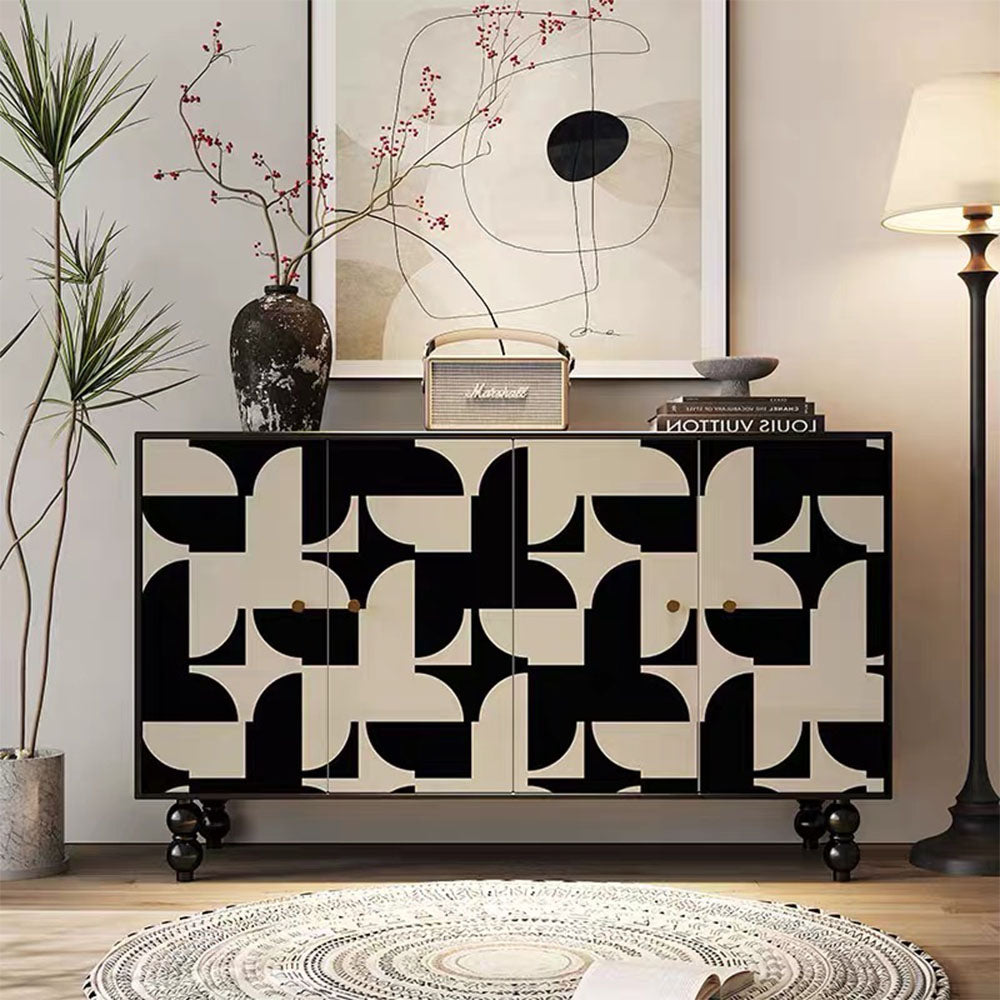
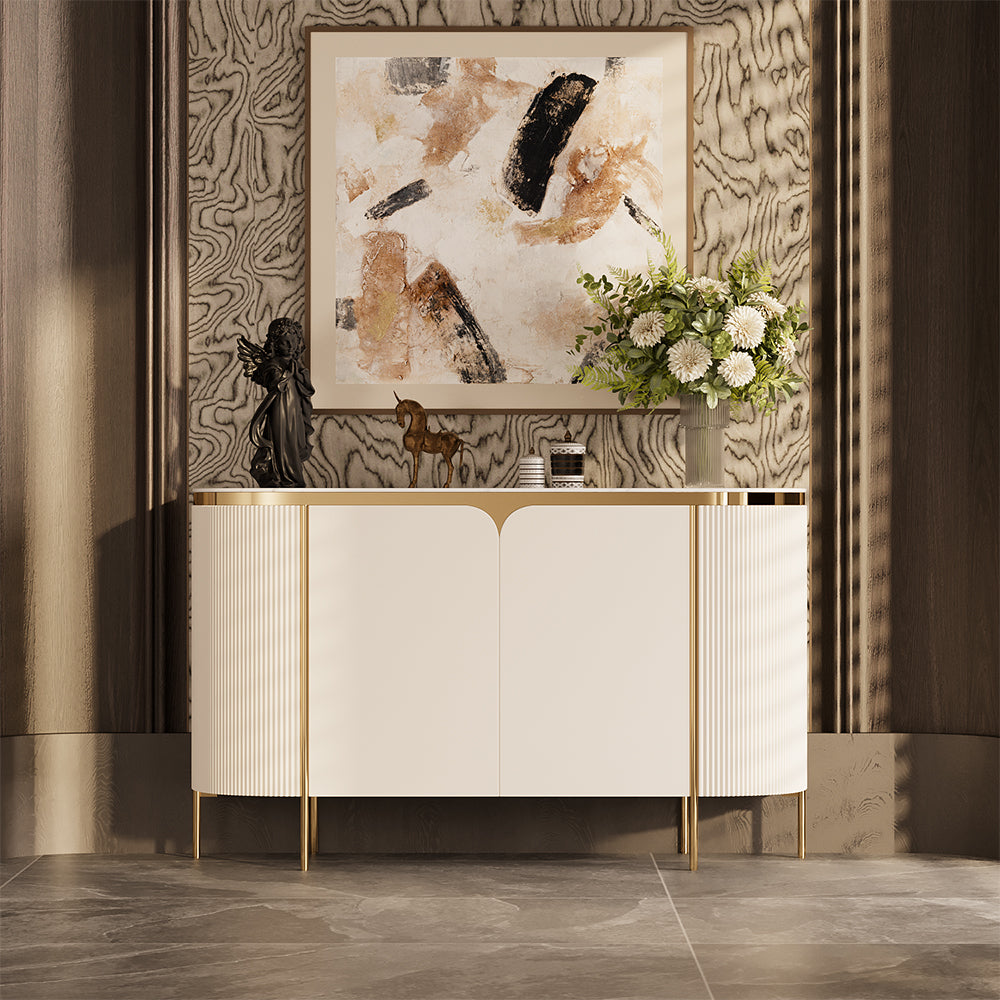
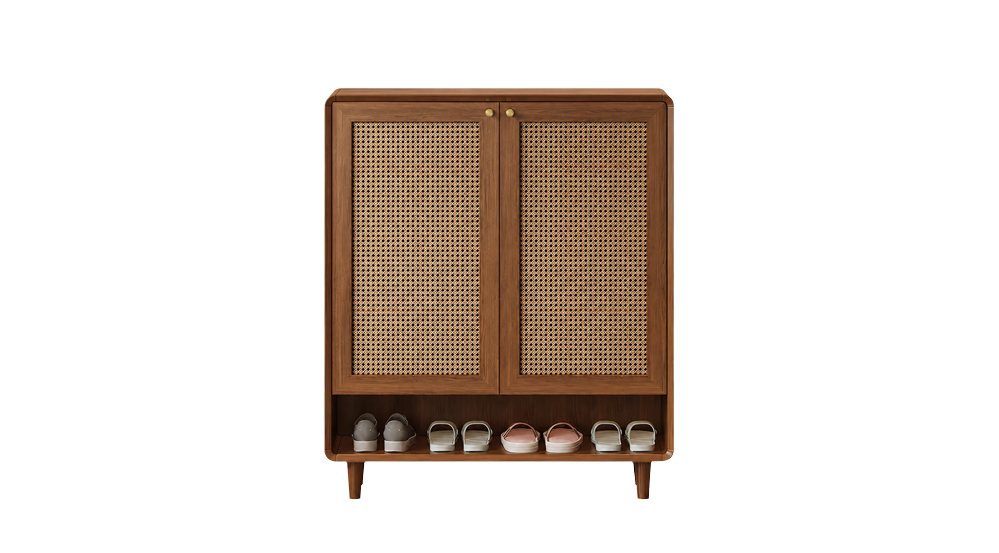
- In entryways for keys, mail, and shoes;
- In home offices to organize documents or artfully display decor without bulky shelving.
Choose sideboards that balance form and function:
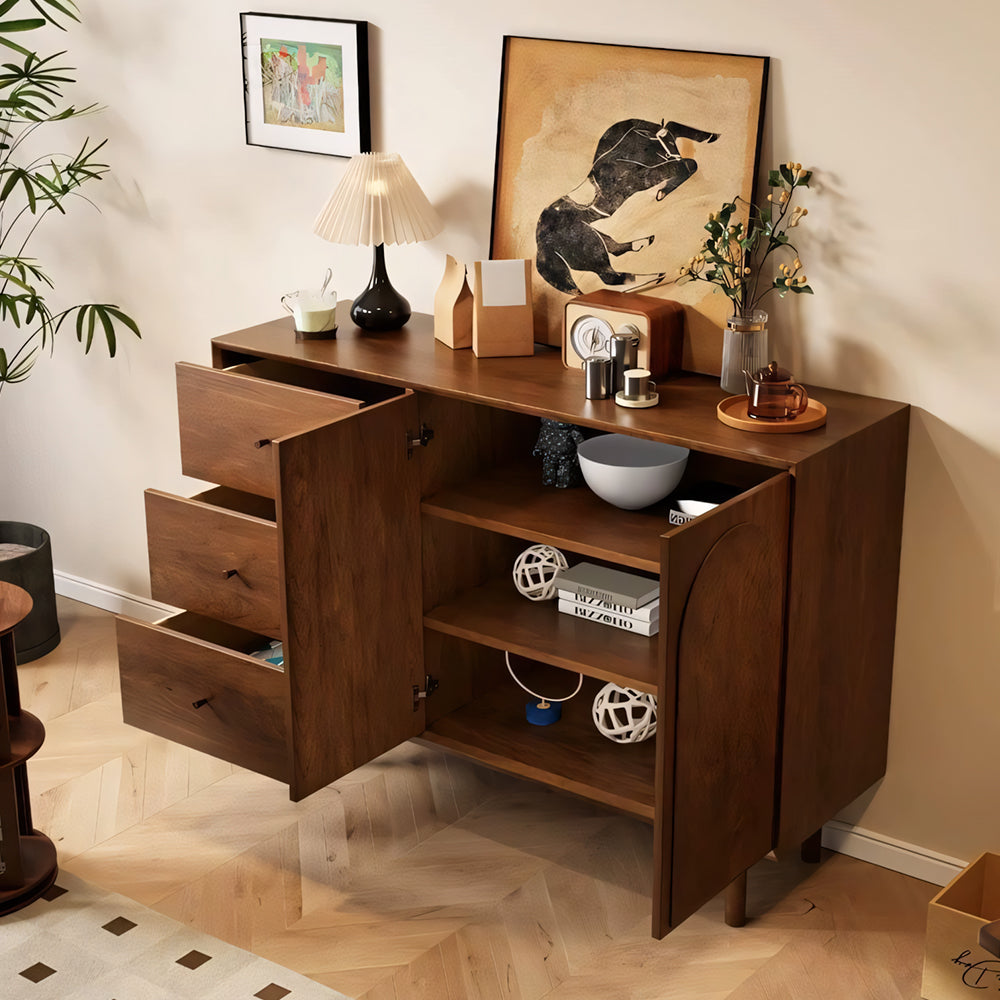
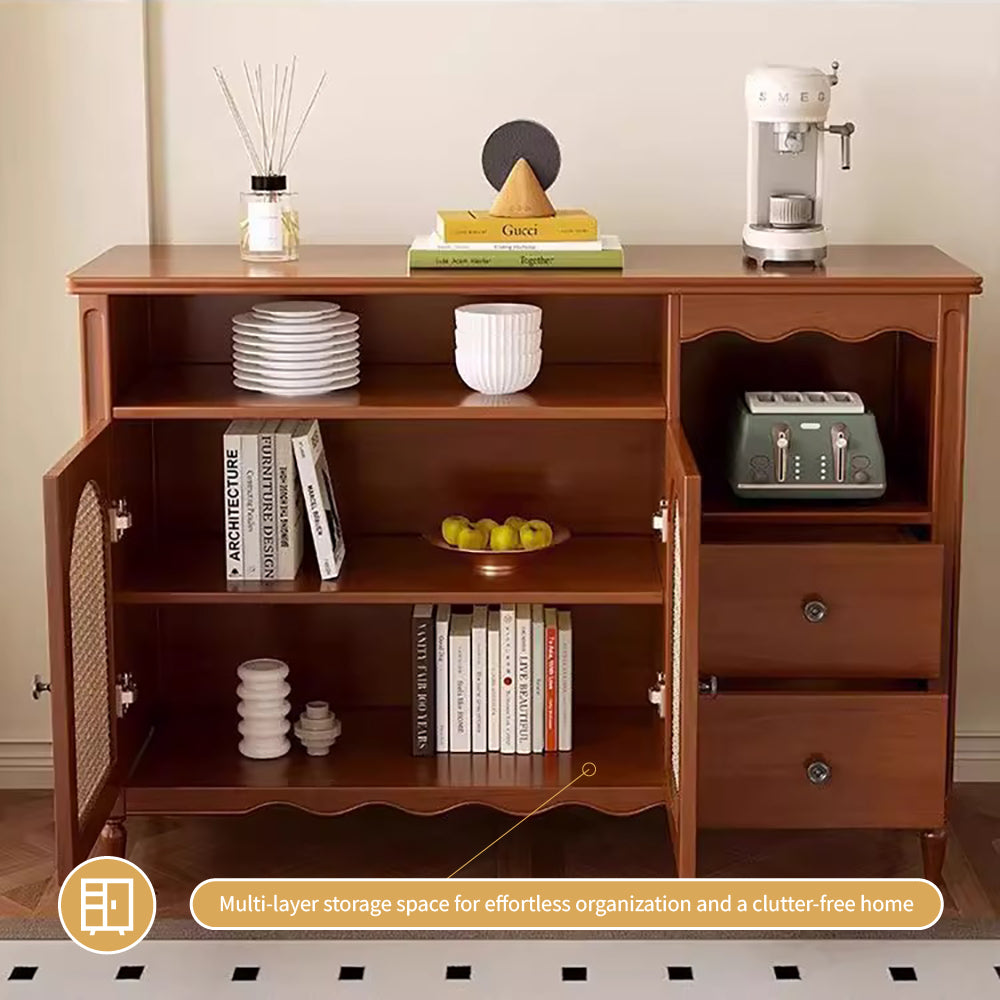
- Adjustable shelves to fit a variety of items, from trays to wine bottles;
- Soft-close doors and drawers to reduce noise and wear;
- Cable management holes for media consoles;
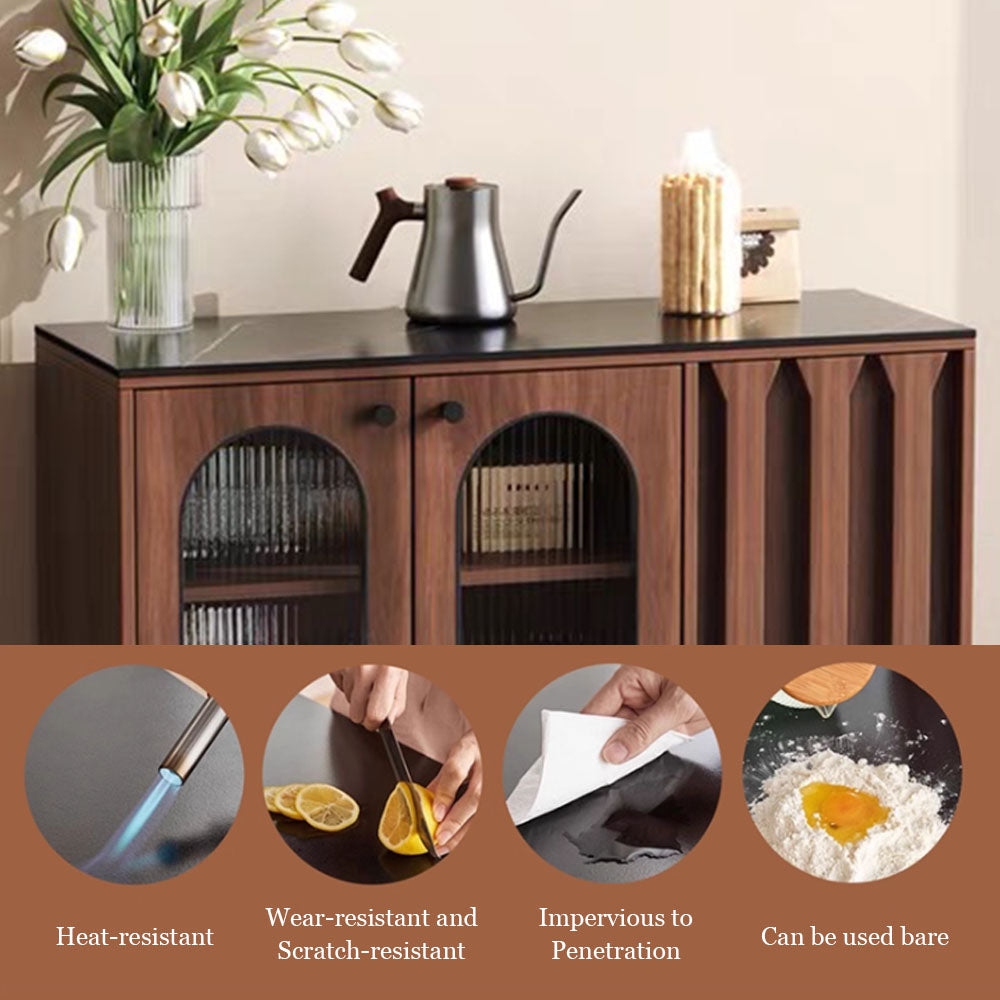
- Durable woods, veneered oak, or stone tops resist scratches and add lasting value.