



Most rental homes aren’t short on rules.
No drilling. No painting. No permanent changes.
But the real limitation isn’t the lease. It’s the assumption that a rental has to feel temporary.
A lot of rental design advice focuses on how to make a space look finished. What it often skips is how that space actually feels once life moves in—on busy mornings, late nights, and all the in-between moments when no one’s taking photos.
Good rental design doesn’t start with the apartment.
It starts with how you live right now.
Start With How You Live—Not How Long the Lease Is
Before choosing furniture or layouts, it helps to ask a simpler question: What does your life look like at home today?
Not how long you plan to stay.
Not what the landlord allows.
Just how you move through your space, day after day.
If You Move Often
When home changes every year or two, flexibility matters more than style statements.
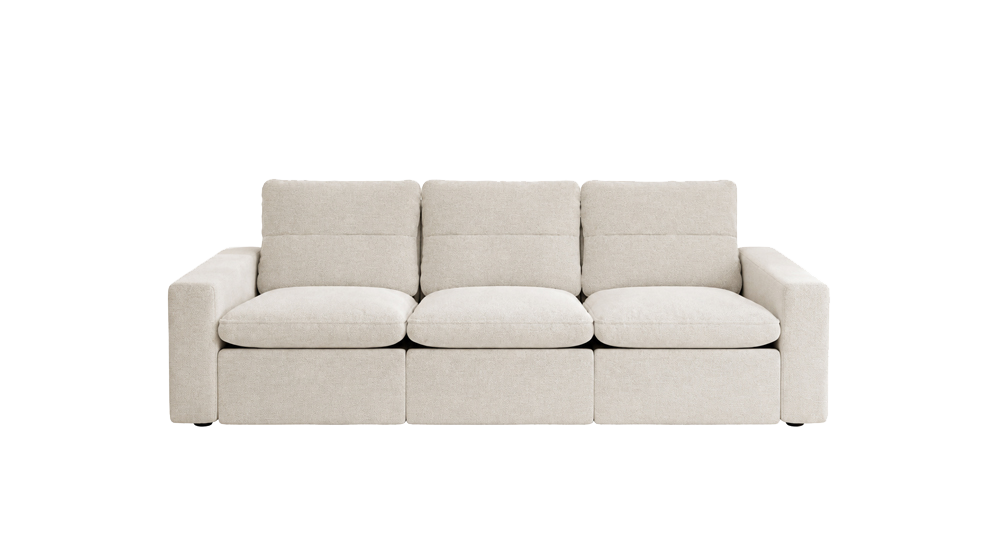
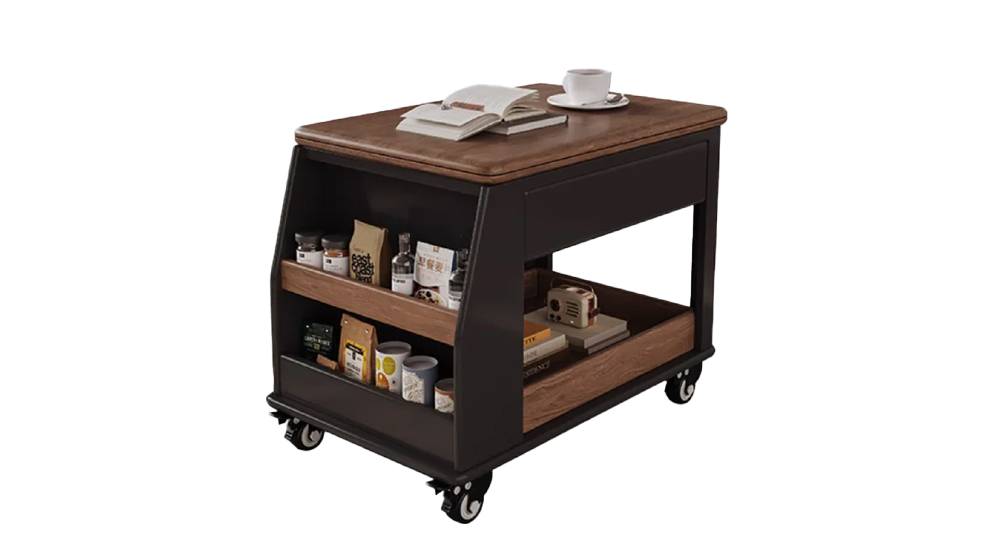
Furniture that breaks down easily, reconfigures without tools, and fits through unfamiliar doorways earns its place quickly. Modular seating, lightweight tables, and pieces that can shift roles from living room to bedroom to office make moving less of a disruption. For renters, this also means being careful with space-saving furniture that looks clever on paper but creates friction in real life—like traditional wall-mounted tables.
In this stage, design isn’t about commitment. It’s about adaptability.
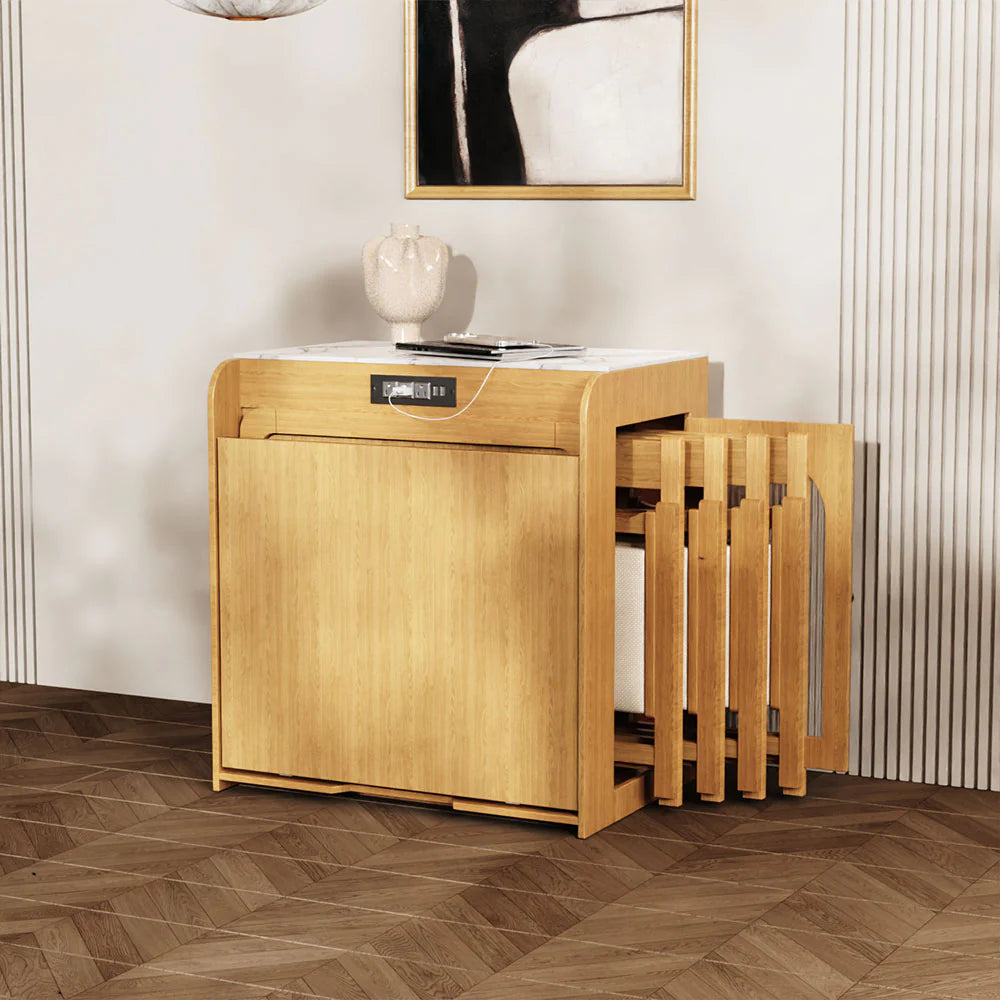
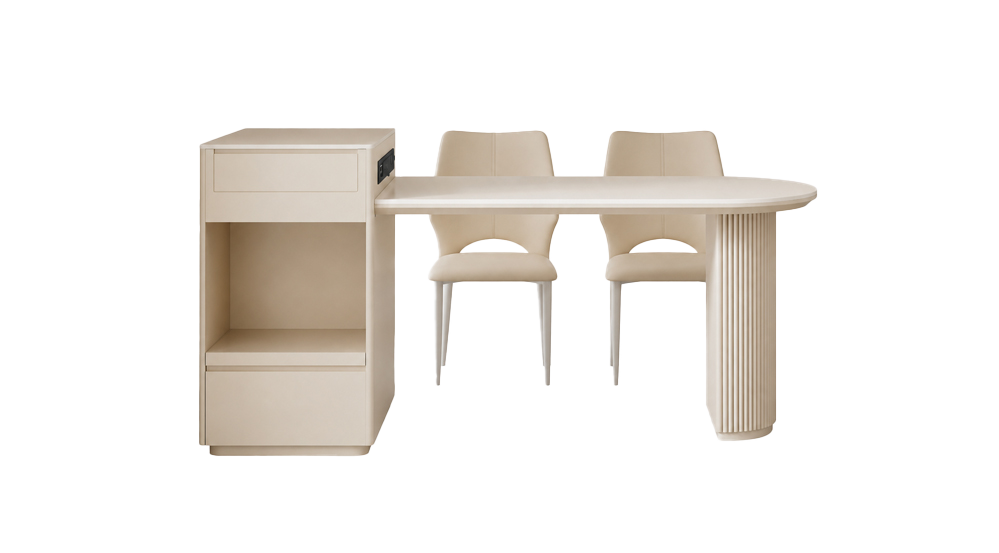
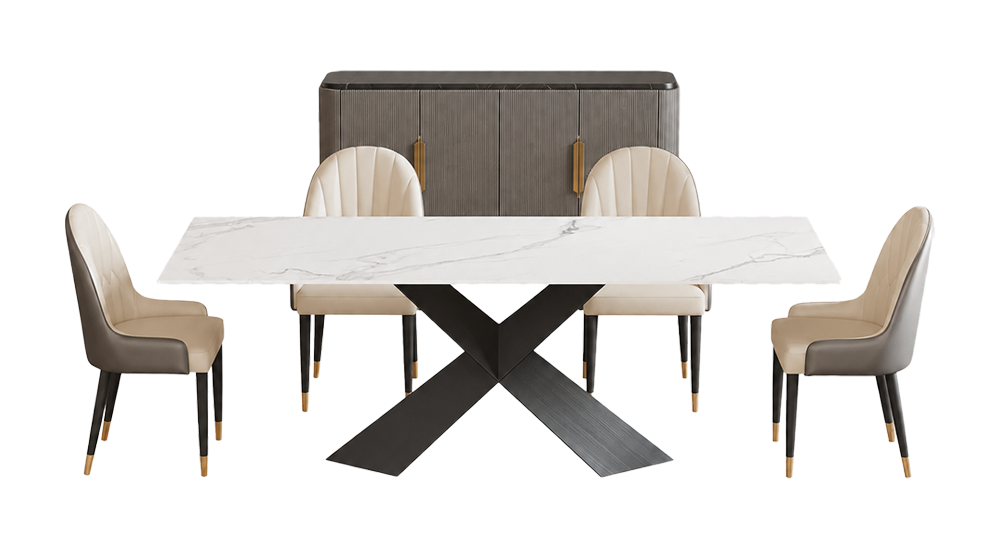
Freestanding Cabinet Murphy Dining Table Set:Looks like a cabinet. Works like a dining table. Lives like a rental should.
If You’re Settling for a While
Staying put for a few years changes the equation.
A rental doesn’t feel temporary when you’ve memorized the way light moves across the room or which corner gets quiet in the evening. In these homes, investing in comfort starts to matter more than staying neutral.
This is where it makes sense to choose pieces you’ll live with, not just live around. A table that can handle daily meals. Seating you don’t need to be careful with. Furniture that feels stable enough to become part of your routine.
If Home Is Where You Recover
For many people, home is less about entertaining and more about decompression.
After work, after errands, after noise—your space should do some of the emotional work for you. That means fewer things that demand attention and more things that quietly hold up under real use.
Low-maintenance materials, forgiving surfaces, and layouts that don’t require constant adjustment help a rental feel supportive instead of fragile.
The Furniture That Earns Its Place in a Rental
In a rental, every piece has to justify itself. Not by looks alone, but by how it behaves once life gets messy.
Furniture That Adapts as Life Changes
The best rental furniture doesn’t lock you into one way of living.
A sofa that rearranges when your layout changes. A table that works for dinner, work, and everything in between. Storage that doesn’t assume you’ll always live the same way.
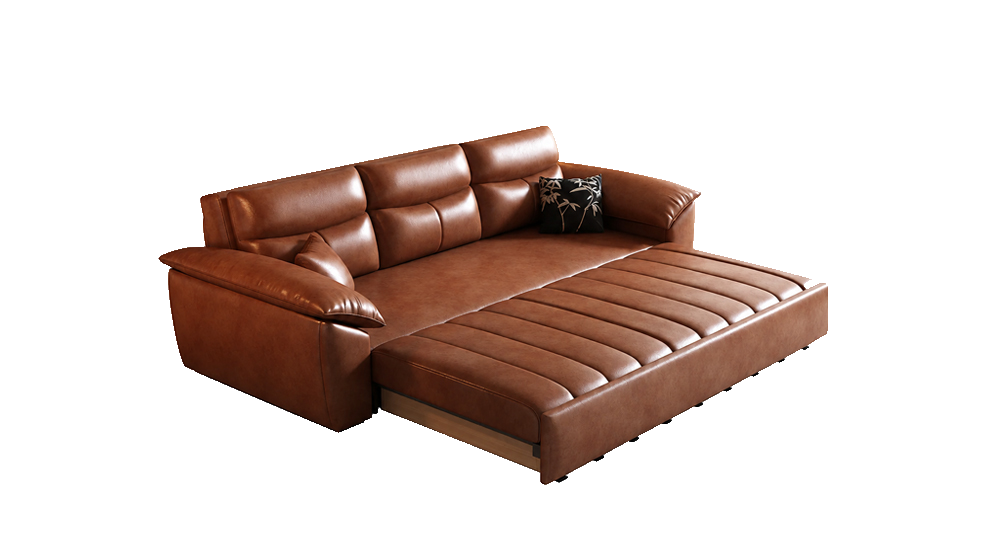
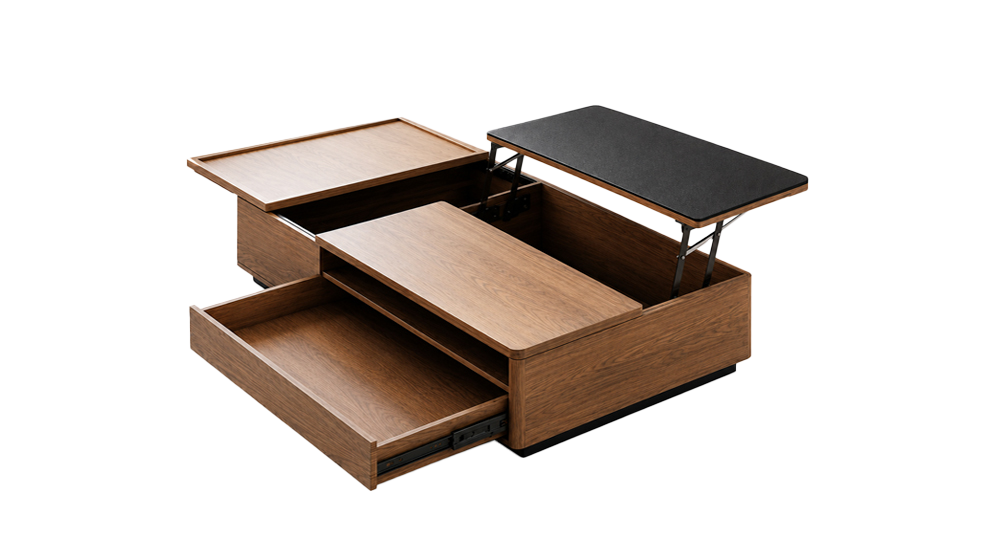
Adaptable pieces keep pace when your needs shift—without asking you to start over. This is where convertible furniture starts to make sense—not as a gimmick, but as a practical response to changing spaces and routines.
Furniture That Reduces Daily Friction
Some materials ask you to be careful. Others quietly take care of themselves.
Surfaces that don’t panic when something spills. Fabrics that clean up without drama. Furniture that doesn’t turn everyday use into a series of precautions.
In rentals especially, less maintenance often means more ease. When you’re not worried about damage, you actually enjoy your space more.
Furniture You’d Take With You
A simple test helps clarify decisions quickly:
Would you bring this to your next place?
If the answer is no, it might not be worth anchoring your daily life to it now. Furniture that travels well—both physically and stylistically—makes renting feel less like a holding pattern and more like continuity.
Design Decisions That Are Worth Making as a Renter
Not every improvement requires permanence.
Some choices have an outsized impact without tying you to the space.
Comfortable seating, thoughtful lighting, and durable tables shape how a home feels far more than wall finishes ever will. These are the pieces that move with you, carry memories, and keep working long after keys are returned.
On the other hand, heavy modifications often create stress—especially when undoing them becomes part of the move-out process.
Good rental design knows where to invest and where to hold back.
A Rental Isn’t Temporary If Your Life Isn’t
Renting doesn’t mean waiting.
Waiting to host.
Waiting to relax.
Waiting to feel settled.
A home isn’t defined by ownership. It’s defined by how well it supports the life happening inside it.
When design decisions are made around real habits—how you eat, rest, work, and gather—even a rental can feel grounded. Not styled for someone else, not frozen in transition, but genuinely lived in.
You’re not designing for a landlord or a lease.
You’re designing for the life you wake up to every day.
And that life deserves a space that feels considered, comfortable, and entirely yours.