
Spring Refresh
Sale
Order $800+ Get
$100 Off
Order $1500+ Get
$180 Off
Order $2500+ Get
$300 Off

FAQs About Stone Dining Tables

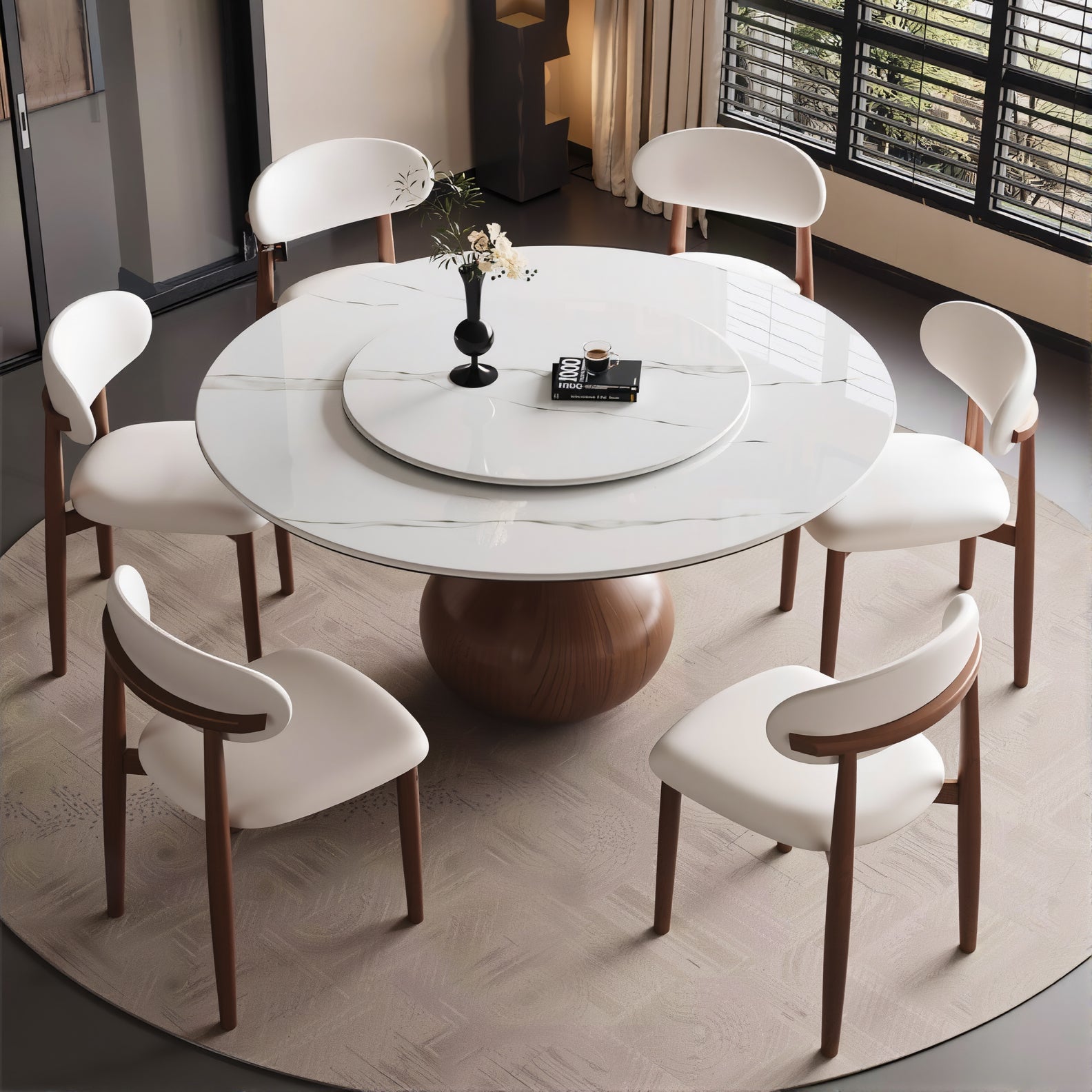
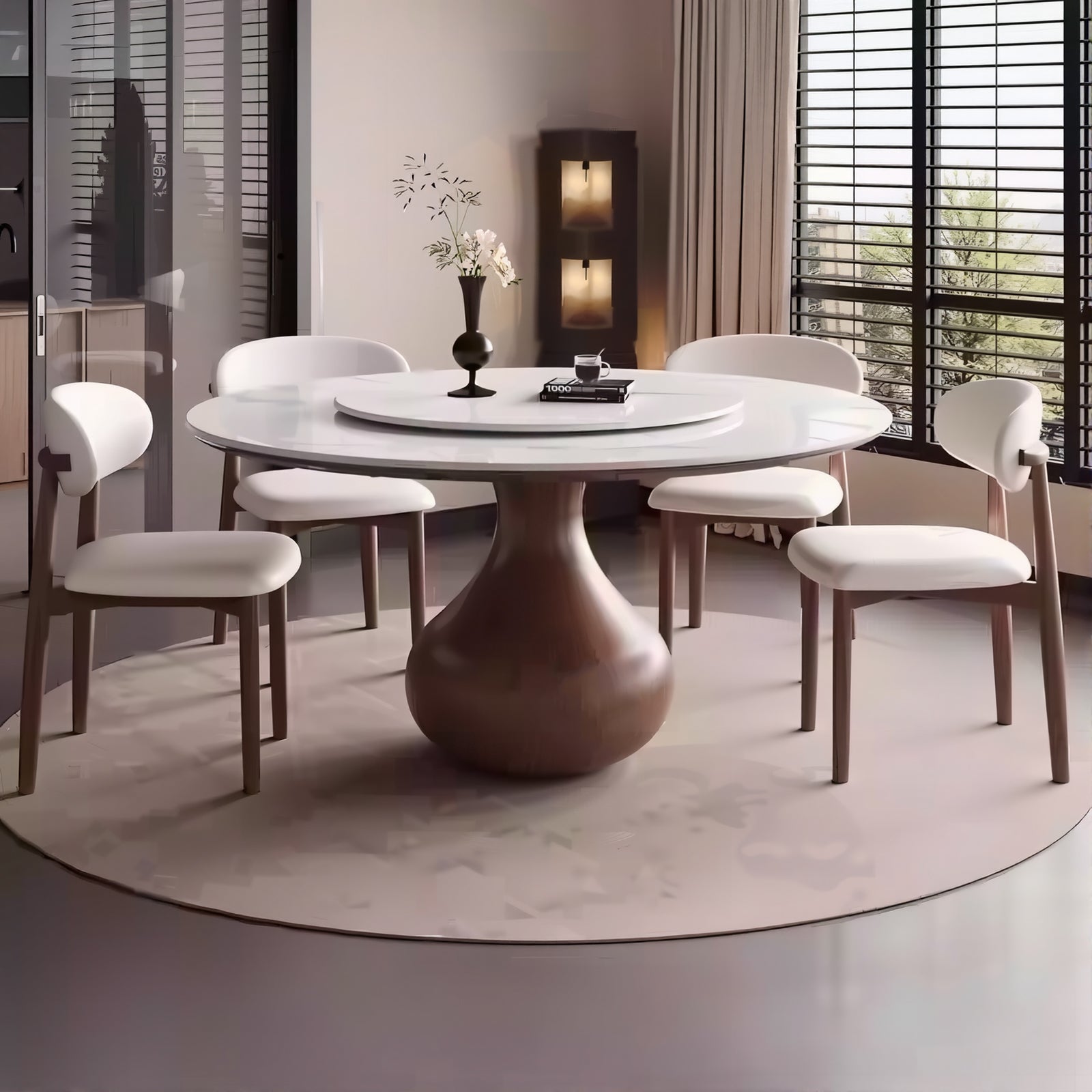
It depends on the stone. Natural marble and travertine are more porous and sensitive to acids, so they need sealing and quick cleanup of wine, coffee, or lemon spills. Granite, quartzite, and sintered stone are much more forgiving: they resist stains and scratches better and usually only need simple daily wiping.​

Marble gives you classic, dramatic veining but is prone to etching and staining if you’re not careful. Travertine has a softer, more textured look that’s very on‑trend, but its natural pits can trap crumbs and liquids unless properly filled and sealed. Granite and quartzite are harder, more durable stones that handle heat and wear better, while sintered stone offers a stone‑like look with very low maintenance and high resistance to stains and scratches.

Stone does feel cooler and harder to the touch than wood, which some people love and others find less cozy. Many owners use runners, placemats, or soft upholstered chairs to balance the look and feel, keeping the durability of stone while adding warmth and comfort.​

They can be, as long as you choose the right top and set expectations. Hard stone surfaces are very durable, but dropping glassware or heavy dishes can cause chips or breakage, so families often rely on placemats and non‑breakable everyday tableware. If you want a kid‑friendly, worry‑free option, sintered stone or a more durable stone‑look surface tends to be friendly than a delicate honed marble.

Full‑size stone tables are significantly heavier than wood tables, especially in large rectangular sizes or with thick tops. In most modern homes with standard construction this isn’t an issue, but in older buildings or upper‑floor apartments, some homeowners do check floor load limits and prefer slightly smaller sizes or lighter engineered tops.​

For a significantly lighter option, you may also consider exploring Arrtle wood dining tables.

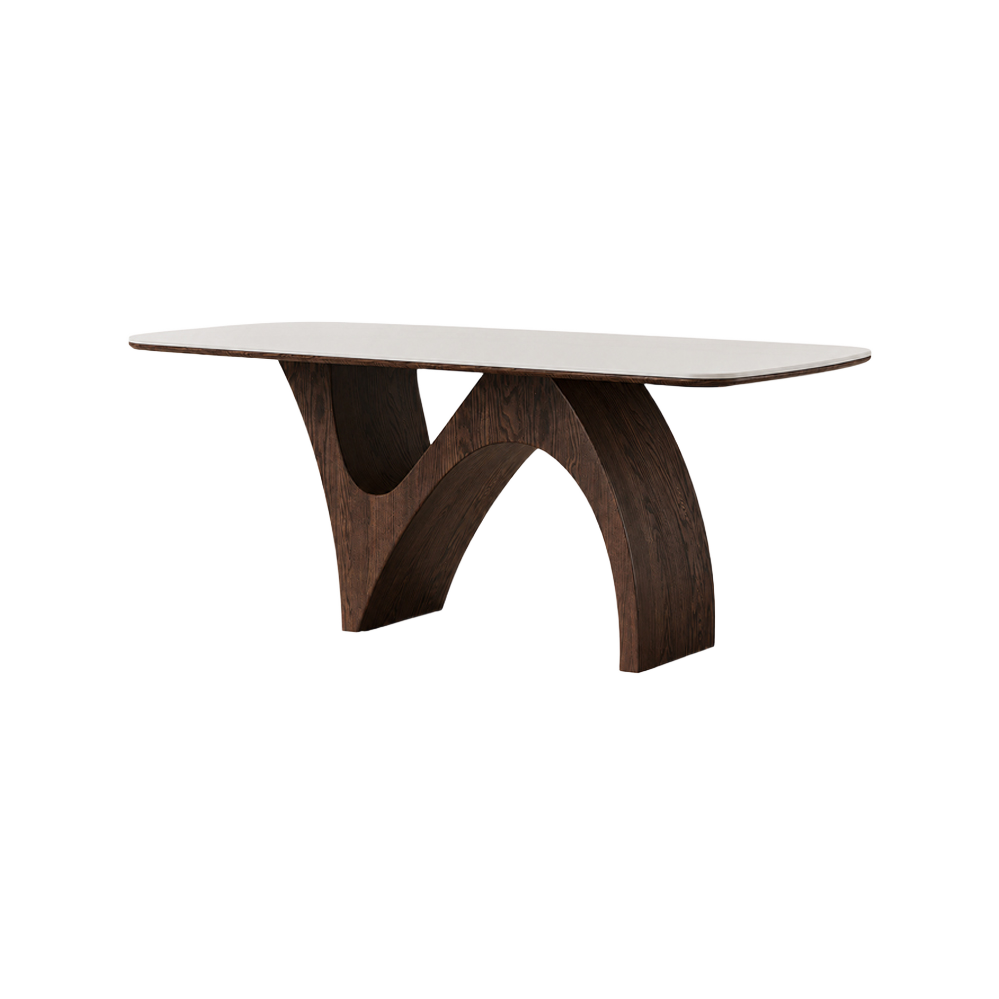
Look for a sturdy metal or solid‑wood frame that supports the stone around the edges and, for larger tables, through the center as well. Avoid long, unsupported spans where the stone has to carry all the weight by itself, and make sure any pedestal base is engineered to distribute the load evenly.​

Round and oval stone tables create a beautiful focal point and make conversation easier, but they can be heavy to move and may feel tight if undersized for the number of chairs you want to fit around them. Rectangular tables are usually more flexible for seating 4–10 people and easier to place against a wall or in open‑plan rooms.

As with any dining table, you’ll want at least 24 inches of width per person and about 36 inches of clearance around the table so people can move their chairs comfortably. Because stone tops are heavy and visually strong, slightly smaller sizes can still make a big impact, so it’s worth taping out the footprint on your floor before you buy.​

For most stones, use a soft cloth and a mild, pH‑neutral cleaner, and wipe spills quickly—especially anything acidic like wine, citrus, or tomato sauce. Marble and travertine tops should be sealed periodically according to the manufacturer’s guidance, while sintered stone typically doesn’t need sealing and is very resistant to everyday stains.​

Materials like marble, travertine, and honed stone have been used in interiors for centuries, so the material itself is timeless; what changes faster are specific base shapes and decorative details. If you’re worried about trends dating quickly, consider a clean, simple base and classic stone colour rather than very sculptural or highly fluted designs that may feel more “of the moment”​.

If you love the idea of a stone table but don’t want to worry about etching or staining, a sintered stone or high‑quality stone‑look top can be an excellent compromise. These materials often mimic marble or travertine visually while offering much lower maintenance and greater everyday durability.​

Compare0