

.png?w=999&h=999)
.png?w=999&h=999)

.png?w=999&h=999)
.png?w=999&h=999)
.png?w=999&h=553)
Sintered stone isn’t about luxury finishes.
Or trends, for that matter.
It’s more about what you don’t have to think about once it’s in your home.
If your idea of a good space is one where you don’t pause before setting something down—where hot plates don’t cause a moment of panic, and small spills stay small—this is the material designers tend to come back to. Not because it demands attention, but because it quietly removes friction from daily life.
Not Just a Surface, but a Way of Living With Furniture
Most materials come with a short list of rules.
Be careful.
Use a coaster.
Wipe it right away.
None of these are unreasonable. But they do add up.
Sintered stone changes that dynamic. It’s designed to take the impact of everyday use rather than react to it. The appeal isn’t softness or visual drama—it’s predictability. What you see at the beginning is, for the most part, what you’ll see years later, even as everything else around it shifts and settles.
That kind of consistency matters more in real homes than it does in showrooms.
What Is Sintered Stone, Really?
At its core, sintered stone is made from natural minerals, fused under extreme heat and pressure. It’s essentially an accelerated version of the geological process that forms stone in nature.
The process itself is interesting, but it’s not the reason people choose it.
What matters is the result: a dense, non-porous surface that doesn’t absorb moisture, doesn’t react easily to heat, and doesn’t show wear the way more delicate stones do. It feels solid and composed—cool to the touch, but not precious.
In furniture, that balance makes a noticeable difference.
Is Sintered Stone a Good Material for Furniture?
Short answer: yes—especially if you want furniture to keep up with you, not the other way around.
Sintered stone doesn’t develop a visible patina. It doesn’t change much over time, and that’s intentional. It’s a material for people who value stability over transformation—who would rather their table look the same after years of daily use than slowly reveal a history of every meal and spill.
For dining tables, coffee tables, and surfaces that see constant activity, that reliability is often the point.
Why Designers Keep Coming Back to Sintered Stone
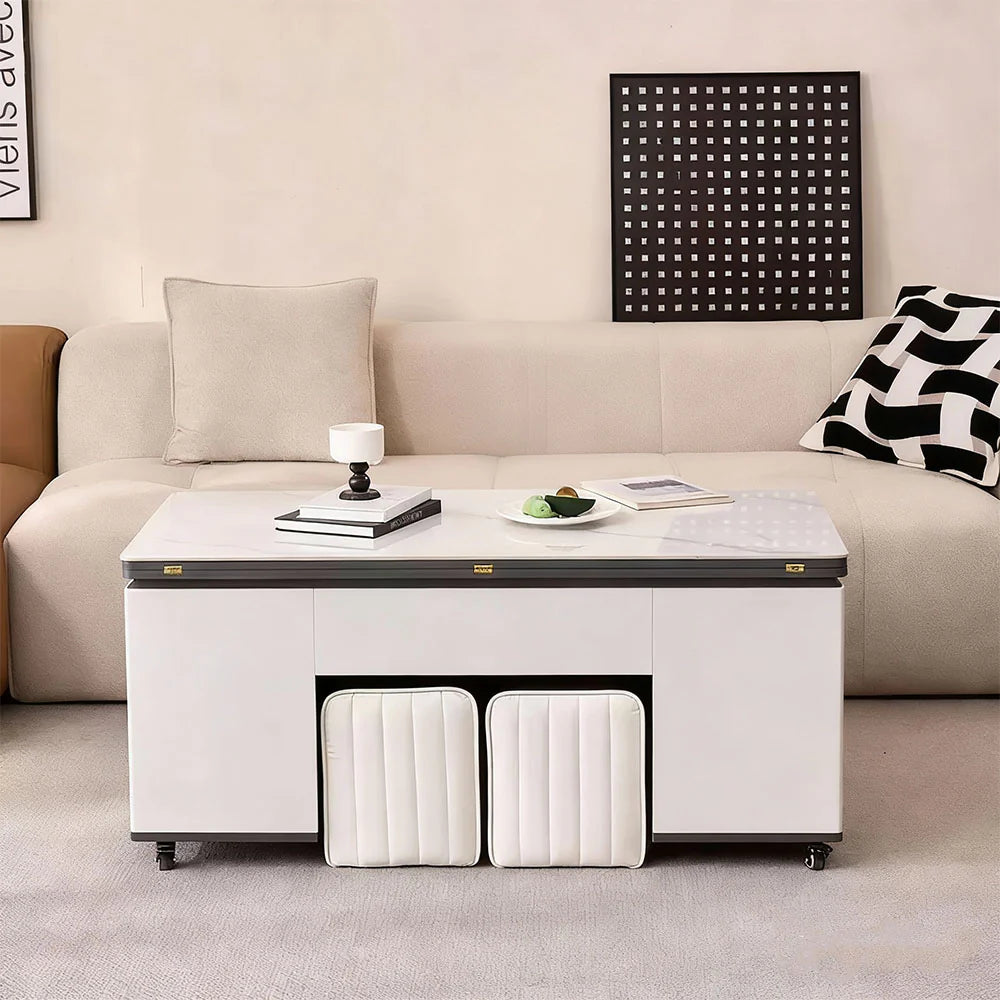
Designers think beyond first impressions. They’re planning for what happens after installation—after the room has been lived in.
Part of the appeal is practical: sintered stone doesn’t require sealing, and it doesn’t punish you for everyday use. But there’s another reason designers keep reaching for it: control.
Sintered stone comes in a wide range of tones and stone looks, and it tends to stay consistent from piece to piece. That makes it easier to match warm woods, soft upholstery, and natural light without worrying that the surface will shift the room’s color temperature—or become the one element that feels “off.” It supports the space instead of competing with it.
Where Sintered Stone Works Best in the Home
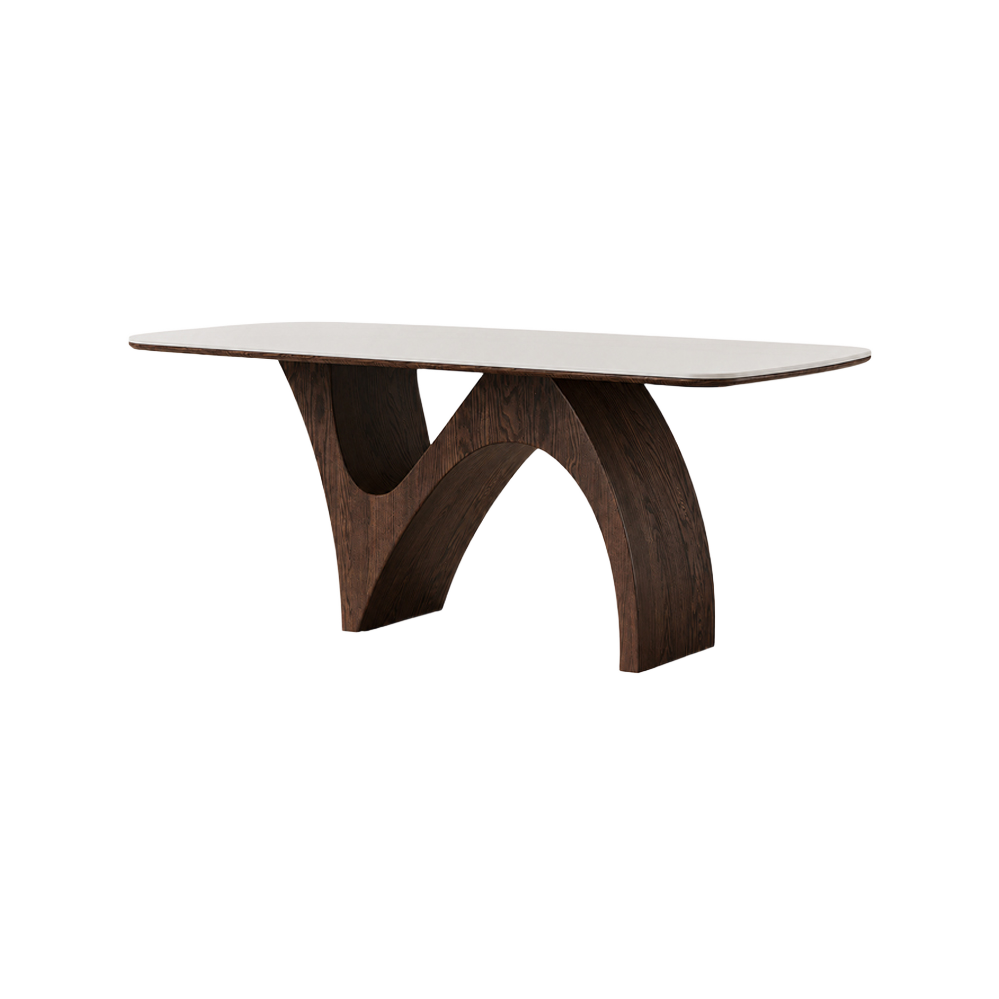
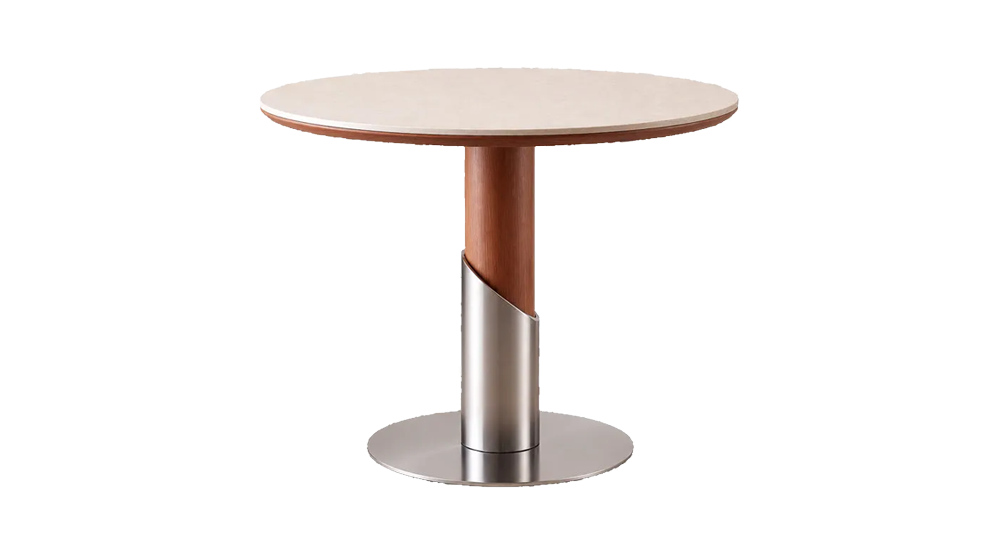
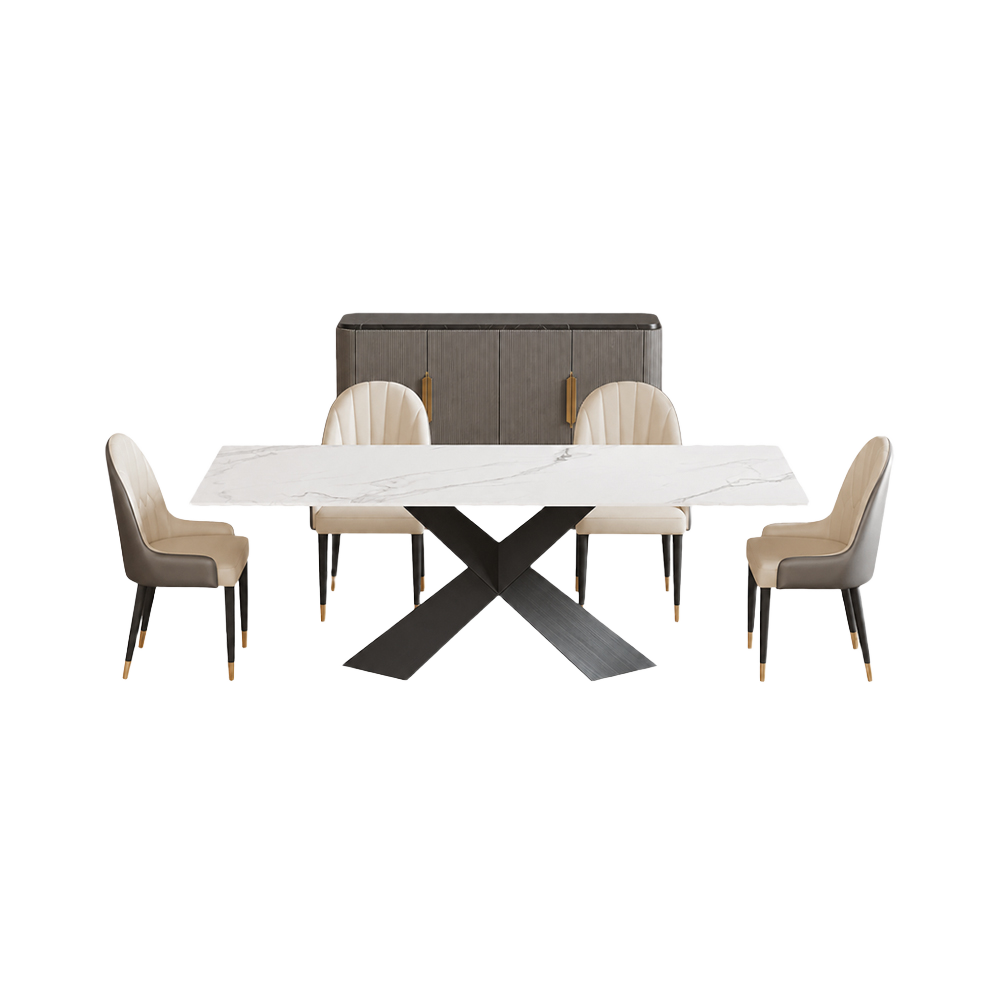
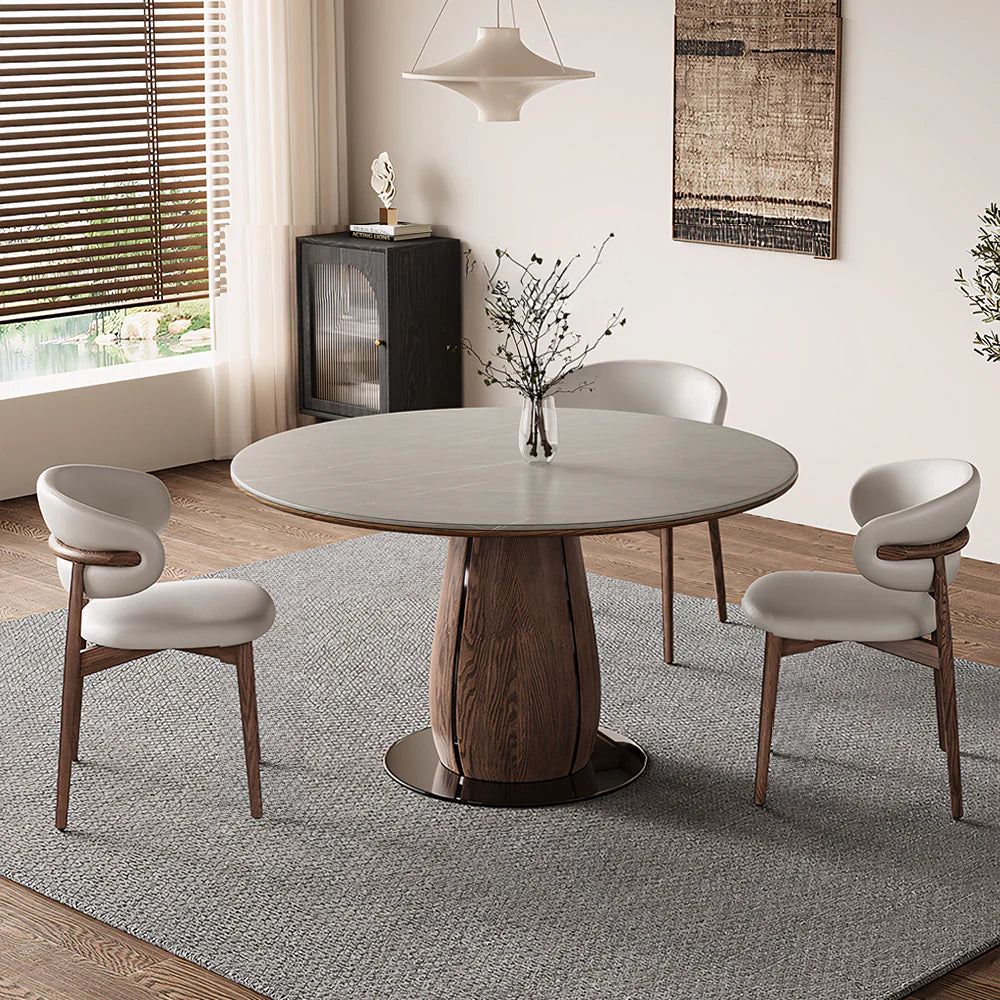
In dining areas, sintered stone tables feel practical in the best way. Hot dishes, shared meals, and casual gatherings don’t require extra steps or special care. The surface stays composed, even when the moment isn’t.
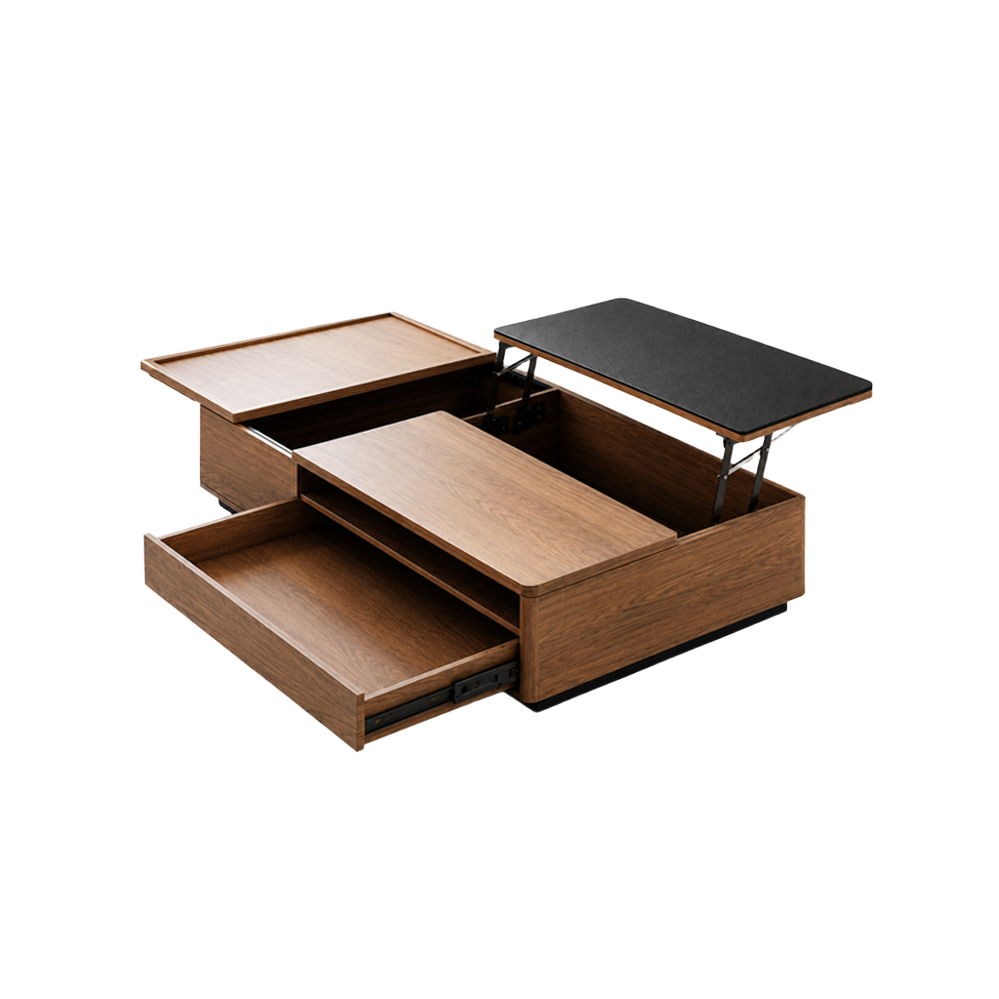
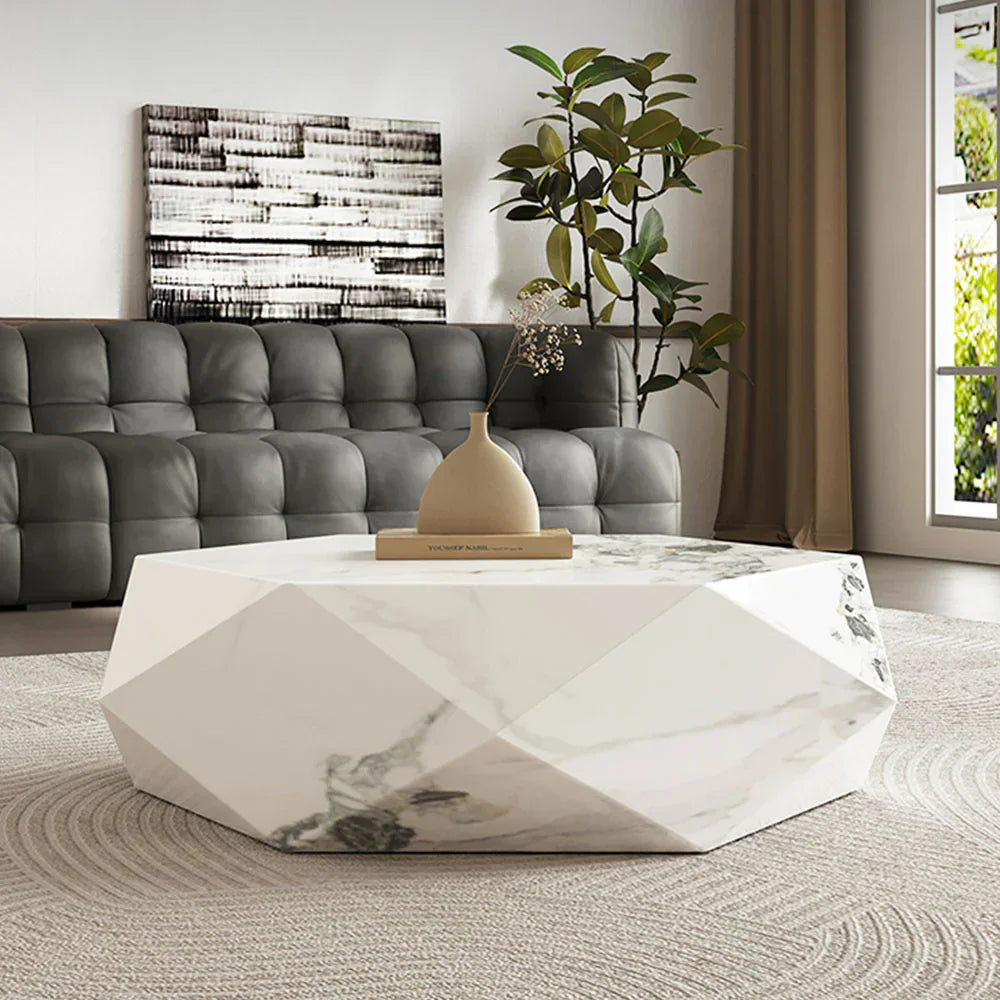
In living rooms, sintered stone coffee tables add visual weight without heaviness. They ground lighter pieces like linen sofas and rugs, creating balance rather than contrast. The effect is subtle, but it’s noticeable—especially in modern, layered interiors.
How Do You Care for Sintered Stone Furniture?
This is where sintered stone quietly earns its reputation.
Daily care is simple. A soft cloth. Mild cleaner. That’s usually enough.
Because the surface is non-porous, spills don’t soak in, and stains don’t linger. There’s no sealing schedule to remember and no urgency when accidents happen. Maintenance isn’t about vigilance—it’s about not having to think about it at all.
Sintered Stone vs Natural Stone: Choosing What Fits Your Life
Choosing between sintered stone and natural stone isn’t about which one is better. It’s about how much attention you want to give your furniture—and how you expect it to behave over time.
| Feature | Sintered Stone | Natural Stone (Marble / Travertine) |
|---|---|---|
| Look & feel | Clean, consistent surface with a refined, modern presence. | Organic texture, natural veining, and visible variation from piece to piece. |
| Daily maintenance | Low. No sealing required. Easy, routine cleaning. | Higher. Often requires sealing and more careful day-to-day handling. |
| Reaction to spills & heat | Non-porous and heat-resistant. Spills are rarely an issue. | More sensitive. Liquids and heat can leave marks if ignored. |
| Aging over time | Stays visually consistent year after year. | Develops patina and character with use. |
| Best suited for | Homes that value ease, predictability, and low maintenance. | Homes that embrace natural change and hands-on care. |
If you want furniture that quietly supports daily life without asking much in return, sintered stone tends to be the easier choice. If you enjoy materials that evolve and don’t mind a closer relationship with upkeep, natural stone may feel more rewarding.
Is Sintered Stone Right for Your Home?
Sintered stone fits homes that are meant to be lived in, not tiptoed around.
If you value furniture that stays steady while life moves around it—where function and appearance remain in balance—it offers a quiet kind of luxury. Not the kind that draws attention, but the kind that gives you freedom.
Sometimes, the best material choice is the one you stop thinking about altogether.