


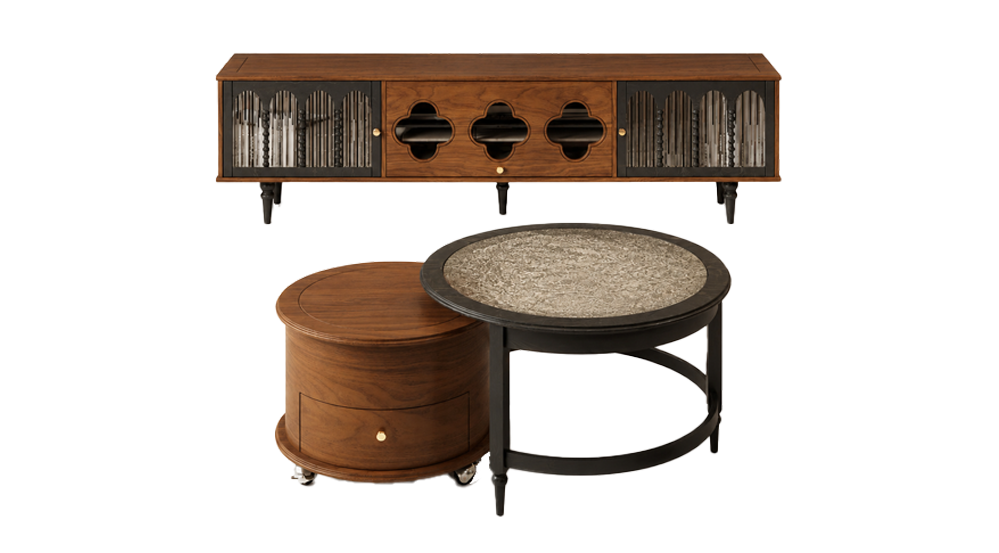

Living room furniture decor isn’t about copying a layout from a catalog.
It’s about shaping a space that works when you’re actually living in it—on rushed mornings, quiet nights, and weekends when the room has to do more than one job.
If your living room feels awkward, cramped, or strangely uncomfortable even though the furniture itself is “nice”, the problem is rarely the pieces.
It’s how they’re positioned.
These twelve rules aren’t design commandments.
They’re practical adjustments drawn from how real homes function—and where they tend to break down.
1. If the Room Feels Awkward, It’s Probably Not the Furniture—It’s the Layout
When people say, “Something feels off, but I can’t tell what,” they usually blame the sofa or the table.
In reality, it’s almost always the relationship between pieces.
Too close, and the room feels tight.
Too far apart, and it feels disconnected.
Before replacing anything, step back and look at how the furniture relates to each other—not how each piece looks on its own.
2. Start With How You Move, Not Where the Sofa “Should” Go
Most living rooms fail because they’re arranged for how they’re supposed to look, not how people actually move.
Ask yourself:
-
Where do you enter the room?
-
What path do you take most often?
-
Where do you naturally drop your bag or sit down?
Good furniture positioning ideas start with movement.
Once the flow feels natural, the layout almost designs itself.
3. Every Living Room Needs a Clear Center—Even Small Ones
A common mistake in smaller spaces is avoiding a center altogether.
That’s what makes rooms feel temporary and unsettled.
A “center” doesn’t mean a big piece.
It means a clear anchor—often a coffee table, rug, or seating arrangement—that tells your eye where the room begins and ends.
Without it, everything floats. And floating rooms never feel finished.
4. Stop Pushing Everything Against the Wall
Pushing furniture to the edges feels logical, but it often backfires.
When every piece hugs the wall, the room feels hollow in the middle and disconnected at the edges.
Pulling furniture forward—even a few inches—creates depth and makes the space feel intentional.
This single change can transform a living room without buying anything new.
5. If Conversations Feel Forced, Your Seating Is Too Far Apart
If you have to raise your voice to talk, the layout isn’t doing its job.
Living rooms are social spaces first. Seating should allow people to face each other naturally, without twisting or leaning forward.
When chairs and sofas are positioned for conversation, the room immediately feels warmer—even before you add decor.
6. Furniture Should Face Each Other—Not Just the TV
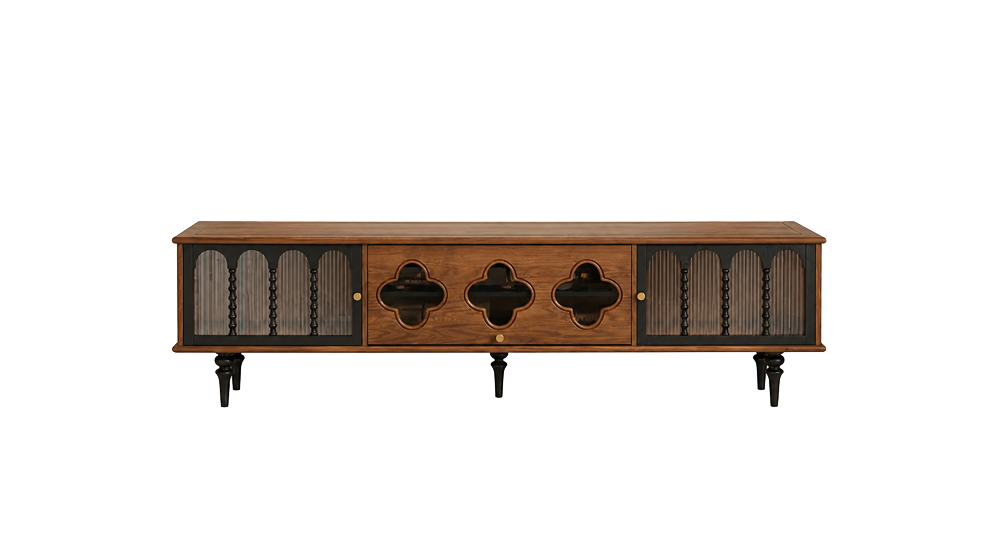
TV-centered layouts are practical, but when everything points in one direction, the room loses flexibility.
Try angling seating slightly inward or adding a secondary focal point—a table, a window, or even a plant.
This creates balance and keeps the room from feeling like a waiting area.
The TV can be important without being the only thing that matters.
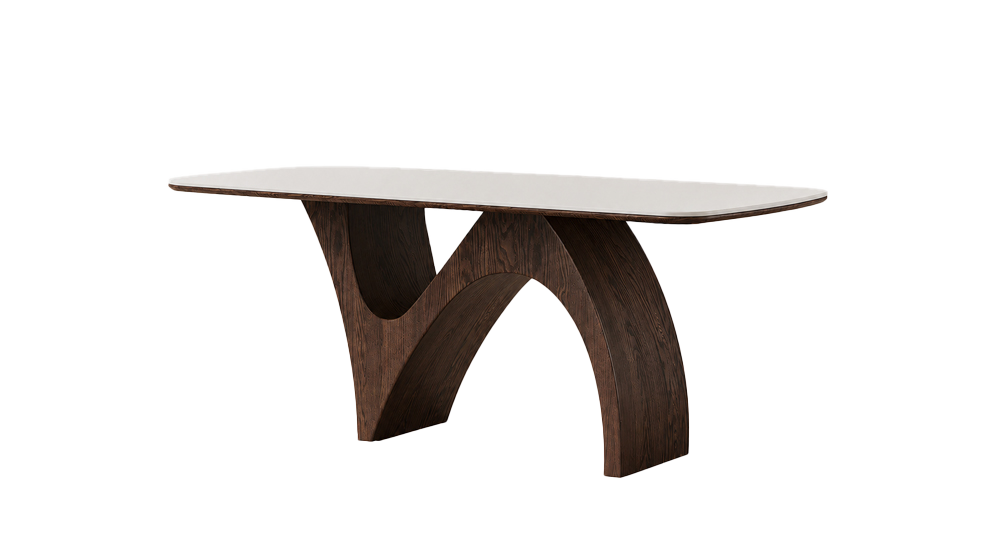
7. Balance Isn’t About Matching Sets—It’s About Visual Weight
Matching furniture sets often look safe, but they can feel flat.
Balance comes from contrast:
-
heavy with light
-
tall with low
-
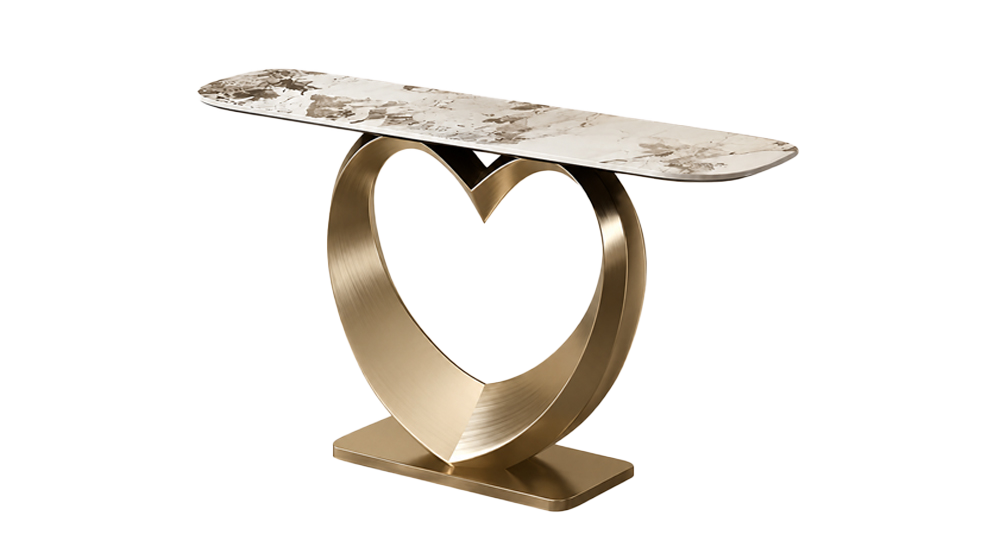
straight lines with curves
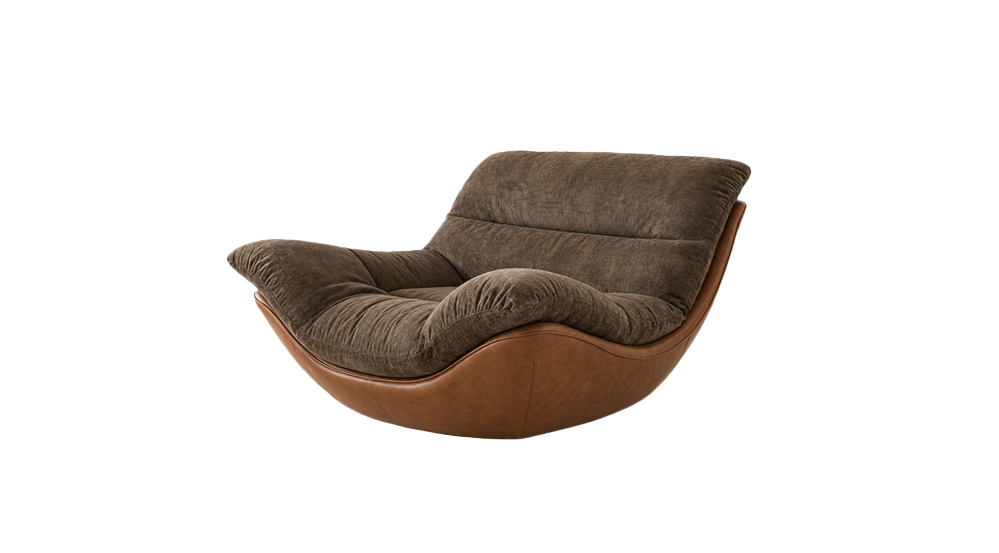
A solid sofa feels better next to something visually lighter.
That contrast keeps the room from feeling stiff or overdesigned.
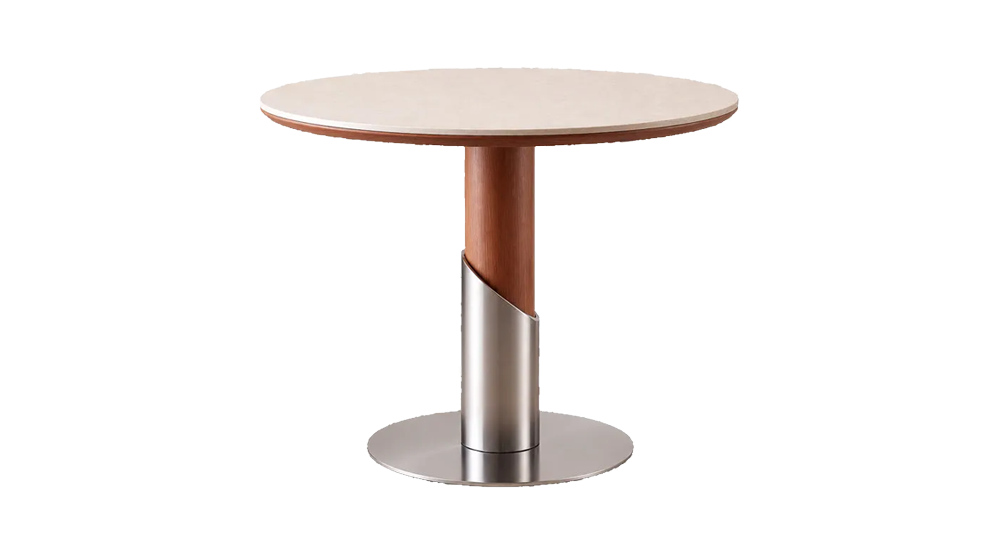
8. Coffee Tables Should Anchor the Room, Not Get in the Way
A coffee table that’s too small disappears.
One that’s too large becomes an obstacle.
The right table grounds the seating area and gives everyone a place to land—without blocking movement.
If you’re constantly stepping around it, the size or placement needs adjusting.
This is one of the most practical fixes in living room furniture decor.
9. Rugs Don’t Decorate—They Organize Space
Rugs aren’t just about texture or color.
They define zones.
If a rug is too small, it makes furniture feel scattered.
If it’s large enough to sit under key pieces, the room suddenly feels cohesive.
Think of the rug as the invisible boundary that holds everything together.
10. Lighting Is Furniture Too—Just Less Obvious
Lighting affects how furniture is perceived more than most people realize.
One overhead light flattens a room.
Layered lighting—floor lamps, table lamps, soft ambient light—adds depth and comfort.
If a living room feels cold or unfinished, lighting is often the missing piece.
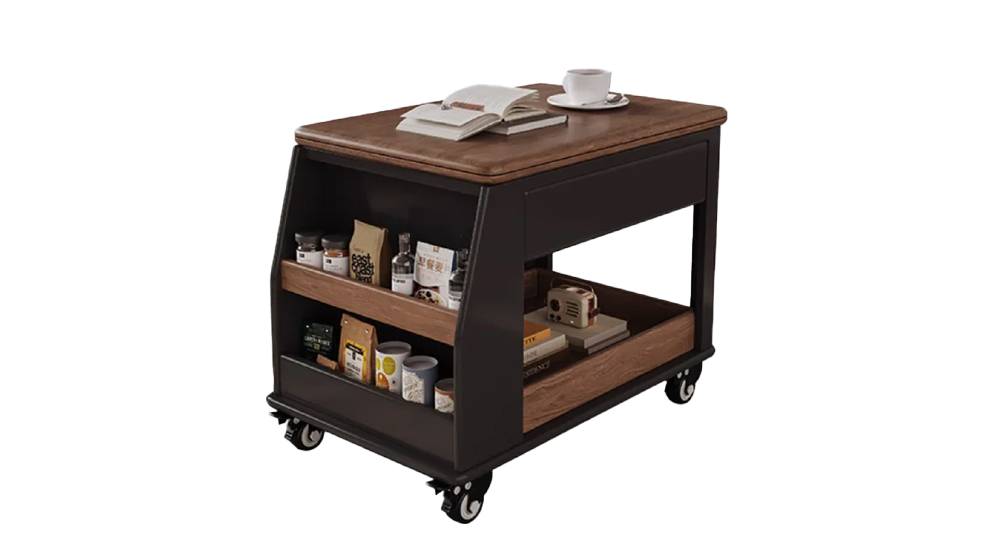
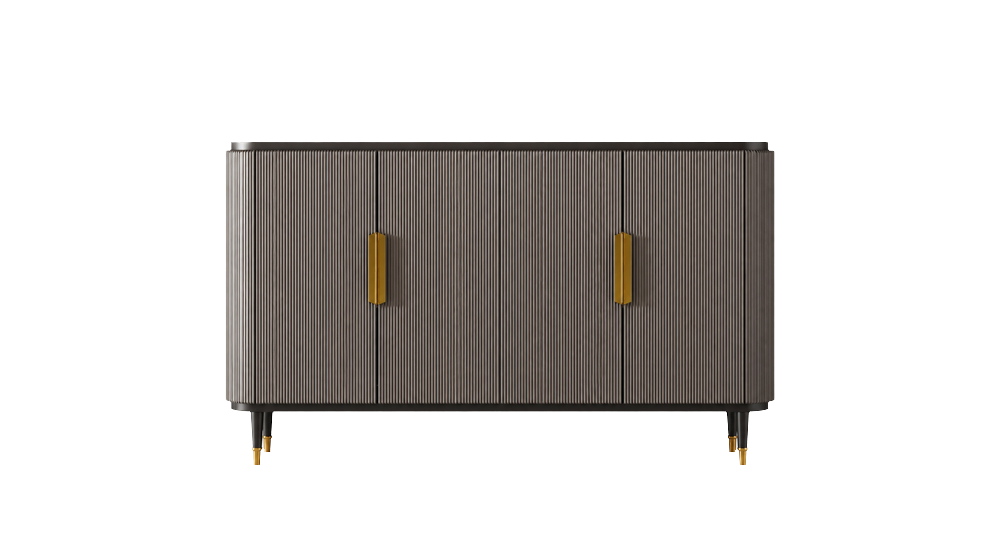
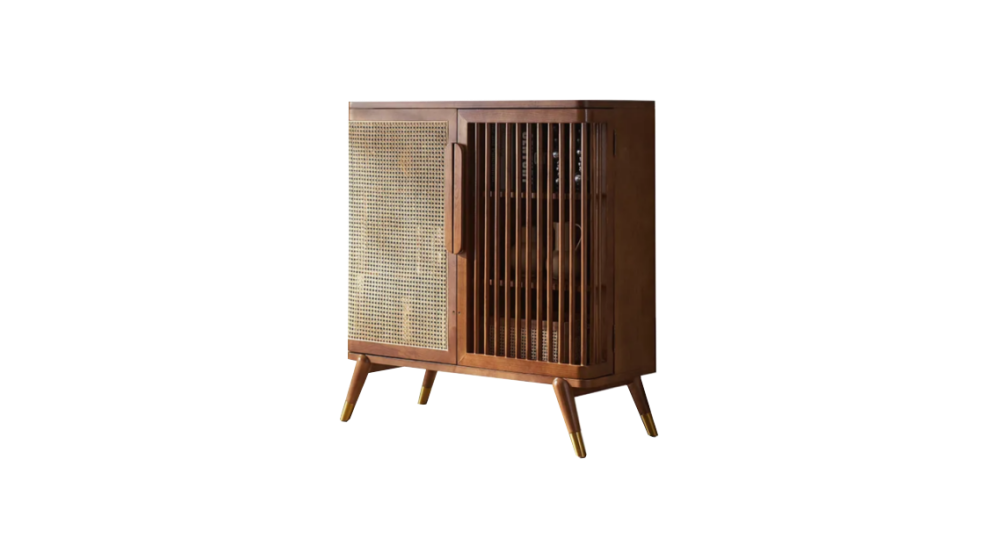
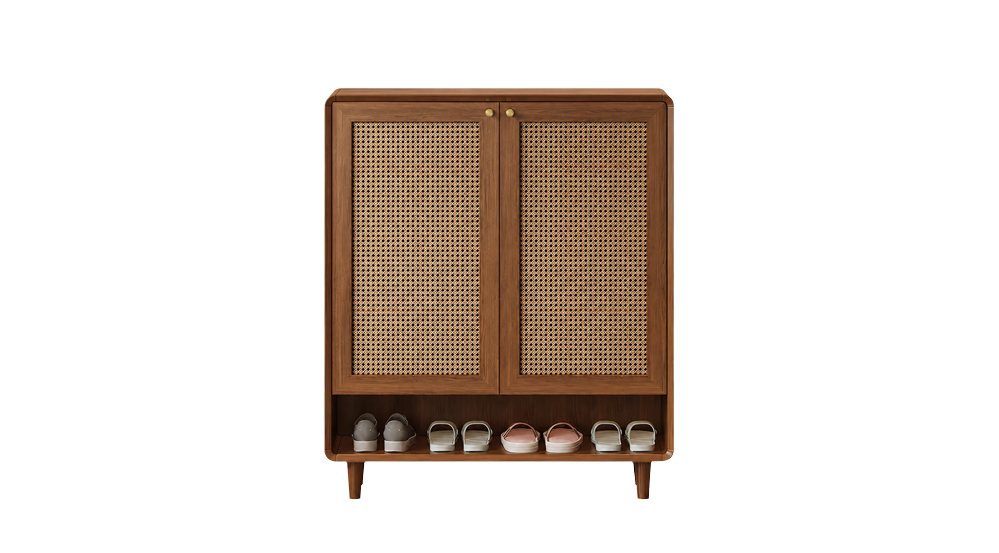
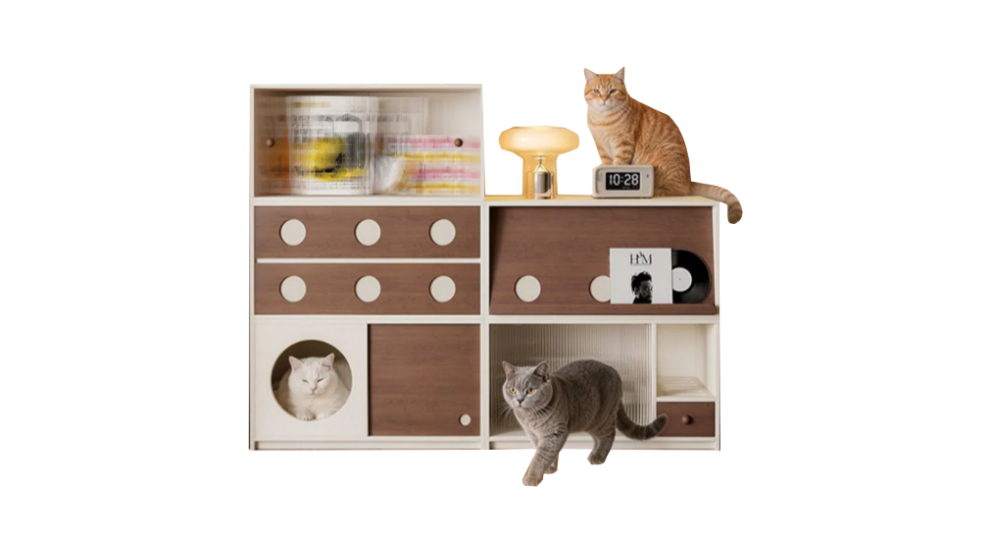
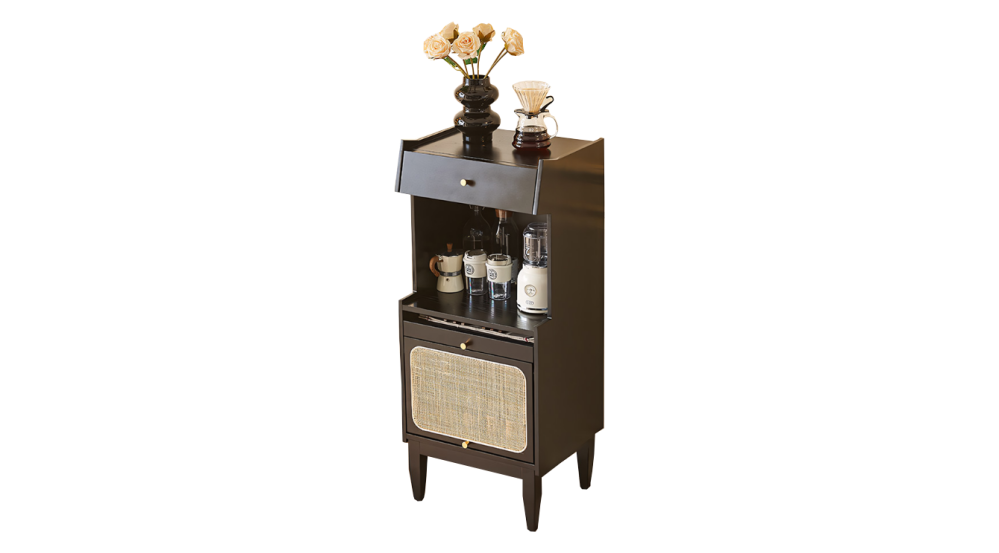
11. Storage Should Disappear Into the Layout
Visible clutter breaks even the best layout.
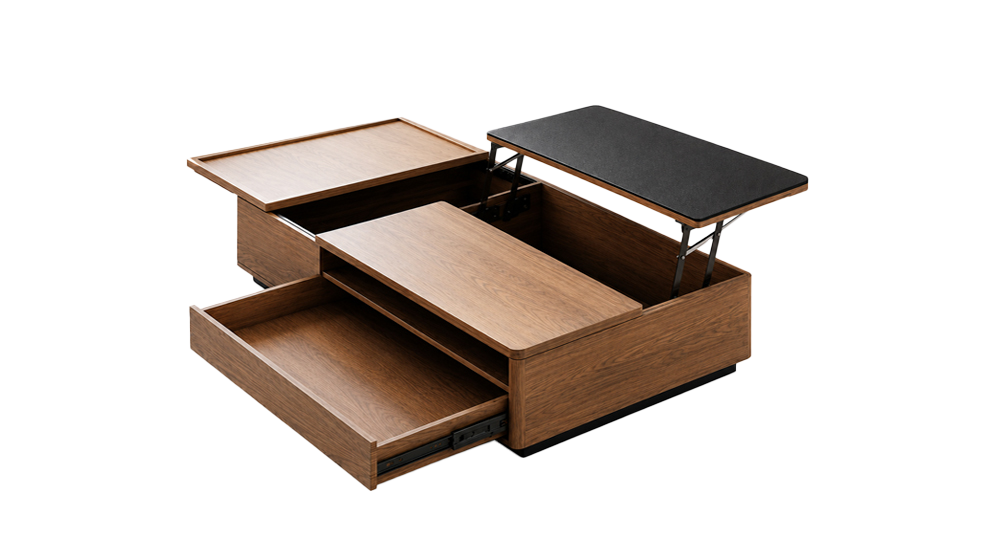
Storage works best when it’s built into the furniture you already use.
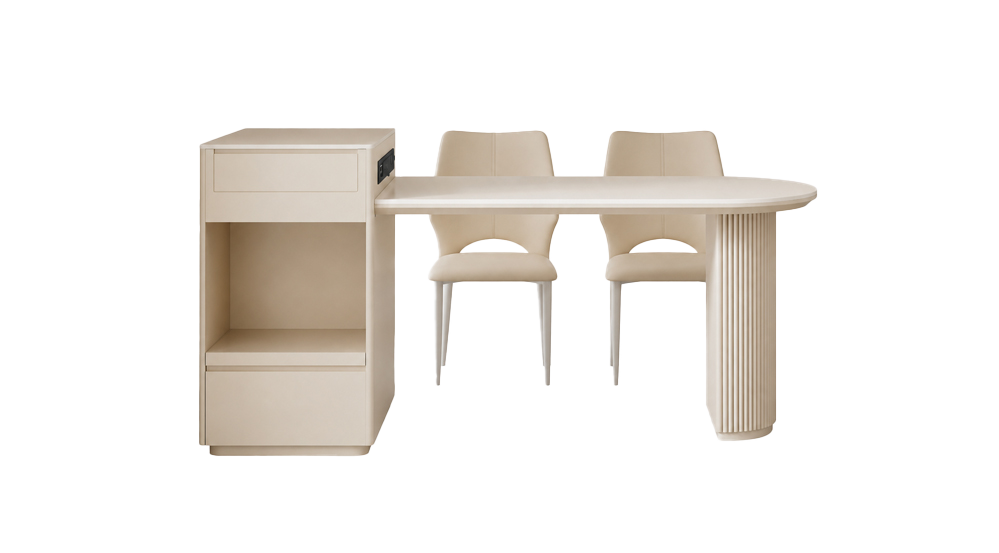
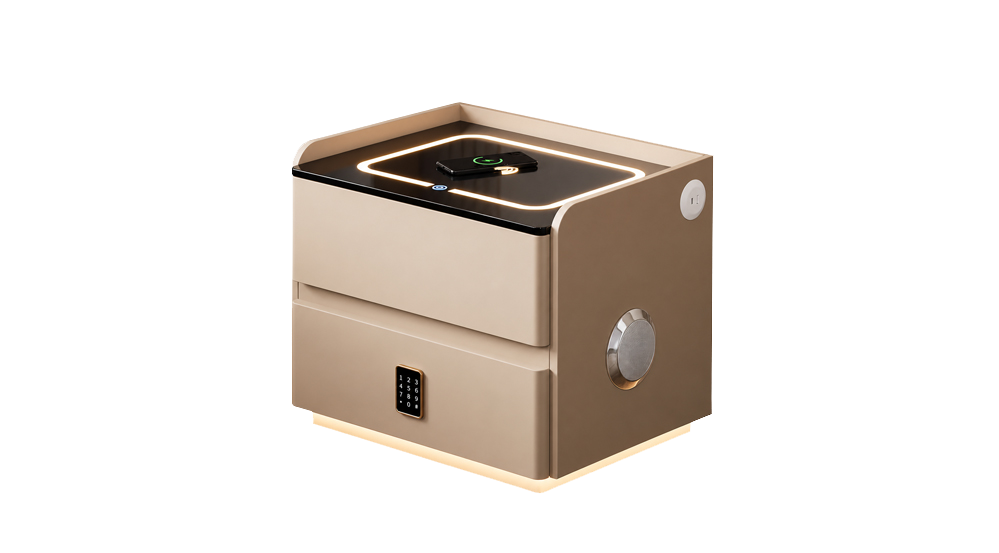
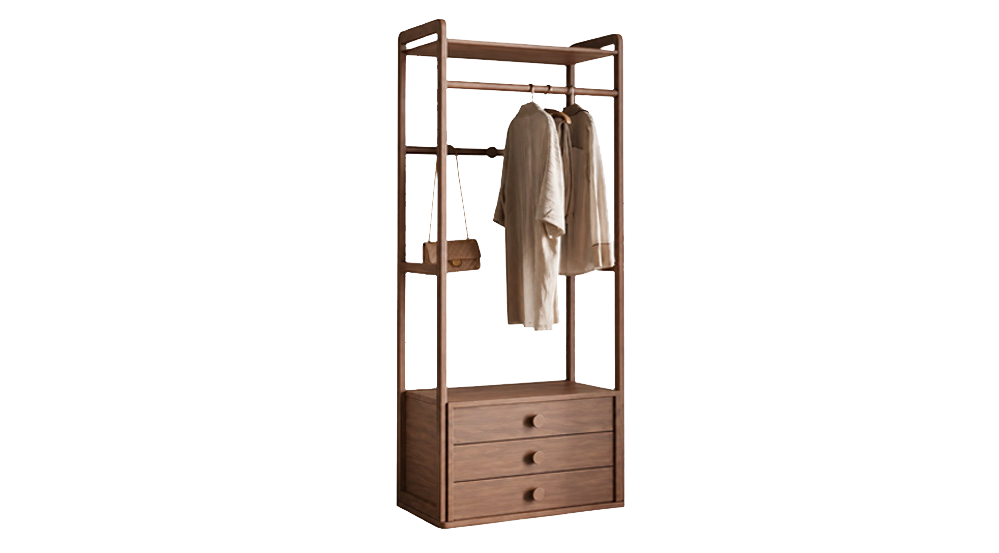
Pieces that serve more than one purpose—rather than adding extra cabinets or bins—help keep the layout visually calm and adaptable.
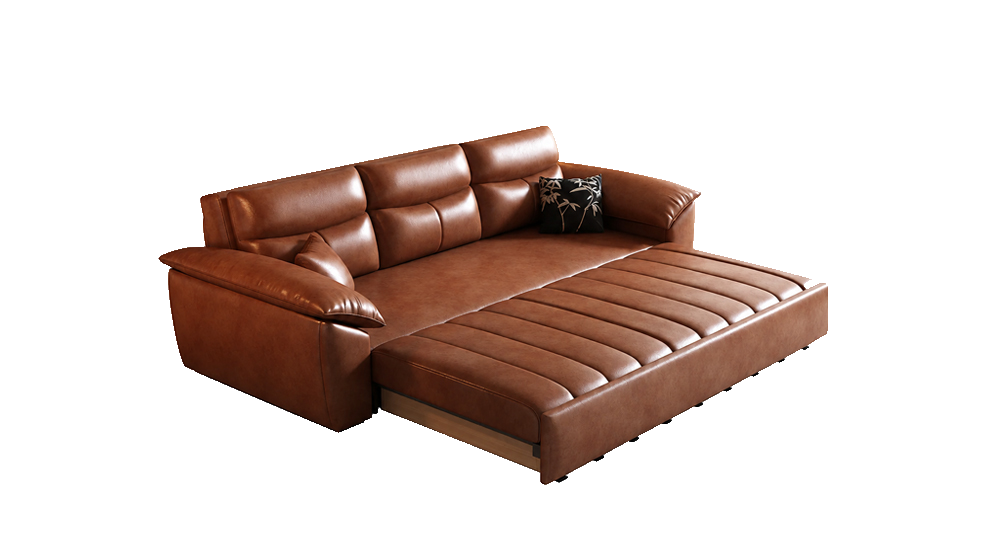
If you’re designing a space that needs to shift between work, rest, and hosting, convertible furniture for flexible homes often makes that transition feel easier—without adding visual weight.
When storage feels intentional rather than added on, the entire space feels calmer.
12. If It Looks Good but Feels Wrong, Trust the Feeling
Photos don’t tell the whole story.
If a room looks styled but feels uncomfortable, something needs to change.
Good living room furniture decor isn’t about perfection—it’s about ease.
When the layout supports how you actually live, the room stops feeling temporary and starts feeling like home.
FAQs
Q1: How should furniture be positioned in a living room?
Furniture should be positioned based on movement and daily use, leaving clear walkways and arranging seating to encourage conversation rather than blocking flow.
Q2: How do I make my living room feel balanced?
Balance comes from mixing visual weight—combining large and small pieces, high and low elements, and avoiding clustering similar items in one area.
Q3: Should living room furniture be against the wall?
Not necessarily. Pulling furniture slightly away from walls often makes rooms feel more intentional and visually comfortable.
Q4: What is the biggest mistake in the living room furniture layout?
Ignoring traffic flow. When furniture blocks natural paths, the room feels awkward no matter how stylish it looks.