

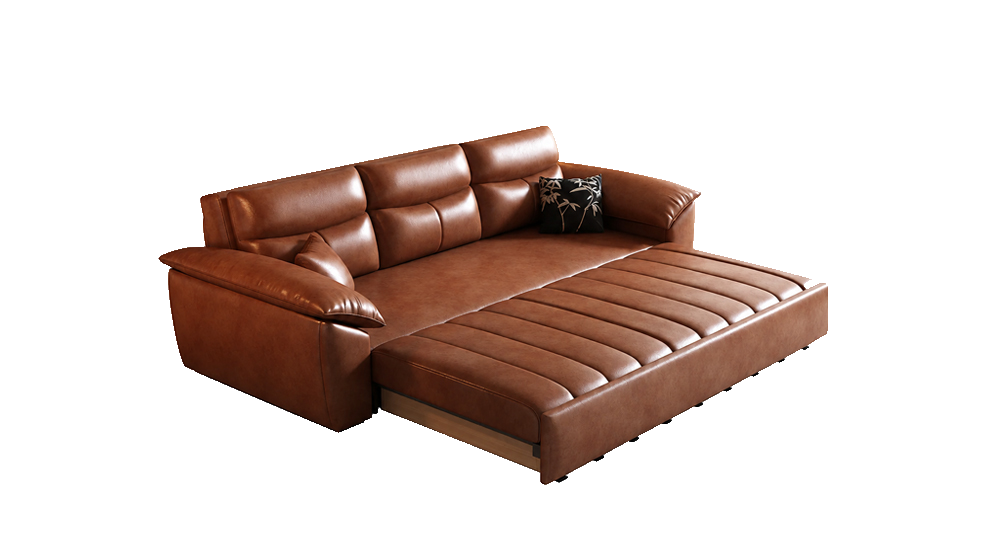
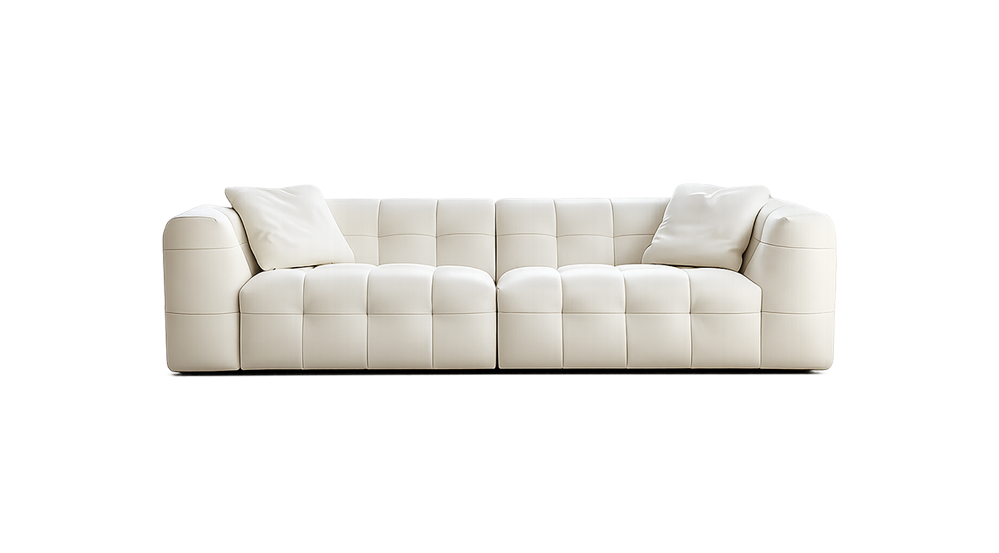
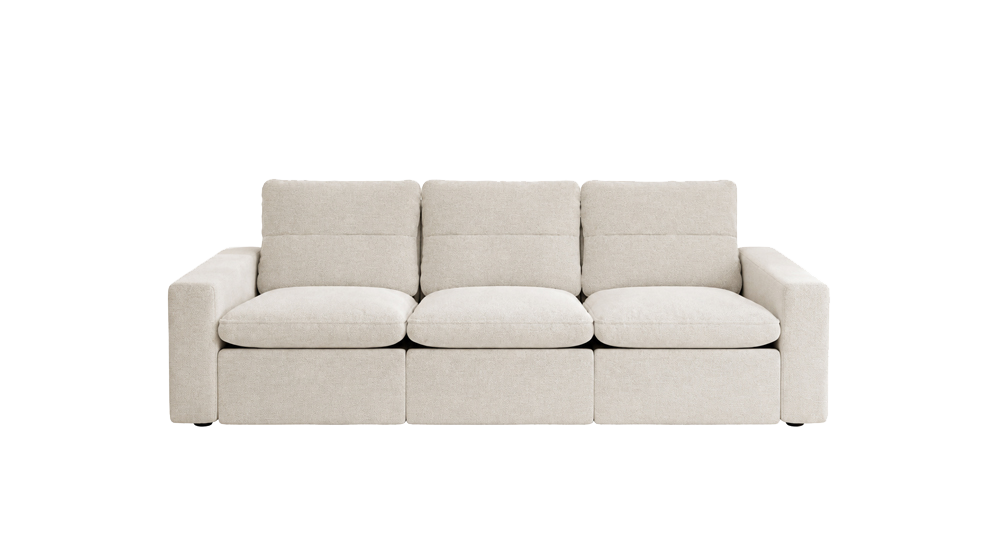
A power reclining sofa is more than a comfortable place to sit. It is where you relax after work, watch movies with family, read, nap, entertain guests, and spend some of the most-used hours in your living room. That is why choosing the right upholstery matters just as much as choosing the right size, reclining function, or layout.
For many shoppers, the biggest question is: should you choose a leather power reclining sofa or a fabric power reclining sofa?
Both materials can be excellent choices, but they serve different lifestyles. Leather offers a sleek, polished look, easy wipe-clean care, and a more premium feel. Fabric offers a softer touch, a warmer appearance, and more color and texture options. The right choice depends on your home, your daily habits, your comfort preferences, and how much maintenance you are willing to do.
In this guide, we compare leather vs fabric power reclining sofas in detail, including comfort, durability, cleaning, pet-friendliness, kid-friendliness, style, cost, and long-term value.
What Is a Power Reclining Sofa?
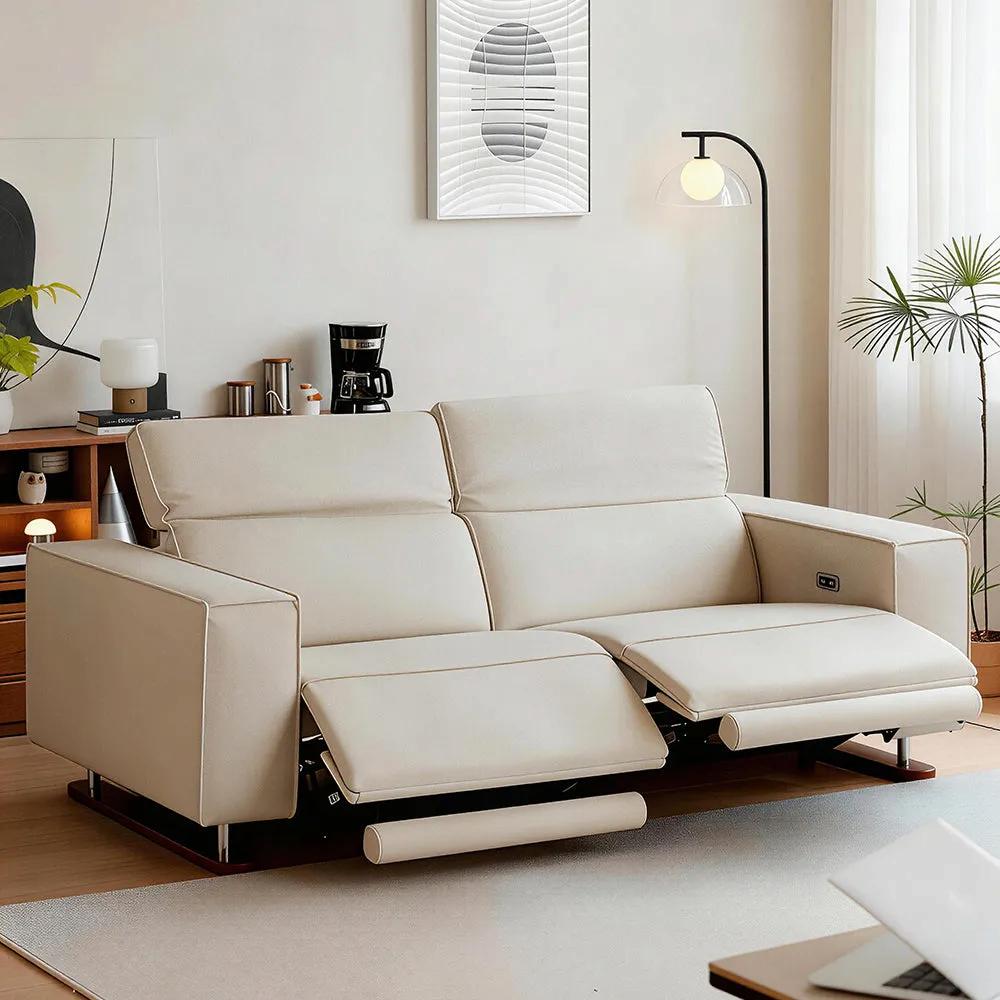
A power reclining sofa is a sofa with an electric reclining mechanism that lets you adjust the seat position using a button or control panel. Unlike manual recliners, power reclining sofas do not require you to pull a lever or push back with your body. With one touch, you can raise the footrest, recline the backrest, or adjust your sitting angle.
Many modern power reclining sofas also include features such as adjustable headrests, USB charging ports, storage consoles, cup holders, lumbar support, or zero-gravity-inspired reclining positions. These features make them especially popular for living rooms, media rooms, family rooms, apartments, and open-concept homes.
Because a power reclining sofa is often used every day, the upholstery material plays a major role in the overall experience. Leather and fabric do not just look different. They feel different, clean differently, wear differently, and create a different atmosphere in your home.
Leather Power Reclining Sofas: Best for a Sleek, Premium Look
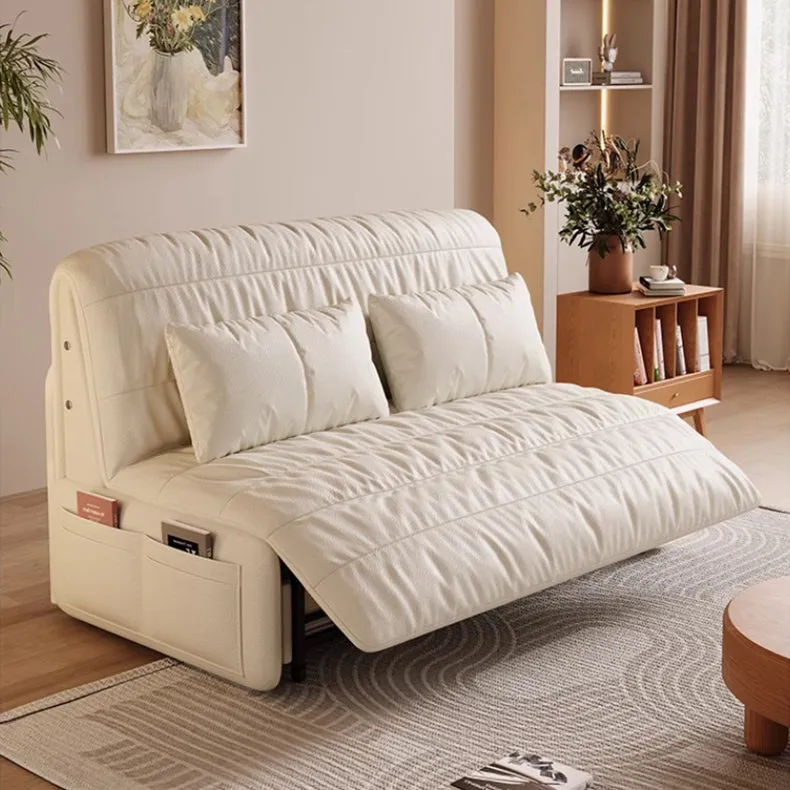
Leather power reclining sofas are often chosen by homeowners who want a refined and elevated living room style. Leather has a smooth surface and a naturally polished appearance, making it a strong match for modern, contemporary, industrial, transitional, and luxury-inspired interiors.
A leather power reclining sofa can make a room feel more structured and sophisticated. Popular colors such as black, brown, gray, beige, cream, and cognac can work well with wood, metal, stone, glass, and neutral décor.
Pros of Leather Power Reclining Sofas
One of the biggest advantages of leather is easy surface cleaning. Spills, crumbs, and dust usually stay on the surface long enough to be wiped away quickly. This makes leather convenient for people who often eat snacks, drink coffee, or host movie nights in the living room.
Leather is also less likely to trap odors compared with many fabric materials. This can be helpful in busy households, homes with pets, or open-plan spaces connected to the kitchen.
Another benefit is its timeless appearance. A well-chosen leather reclining sofa can look elegant for years and may not feel as trend-driven as some patterned or heavily textured fabrics. High-quality leather can also develop a natural patina over time, giving the sofa more character.
Leather also tends to have a smooth, supportive feel. For people who prefer a clean seating surface without visible texture, leather can feel more refined and comfortable.
Cons of Leather Power Reclining Sofas
Leather is not the best choice for every household. One common concern is temperature. Leather may feel cool when you first sit down in winter and warmer in summer, especially if the sofa is placed near direct sunlight.
Leather can also scratch more easily than some fabrics. If you have cats, large dogs, or pets that like to jump, dig, or climb on furniture, scratches may become visible over time.
Cost is another factor. Genuine leather power reclining sofas are usually more expensive than fabric options. Faux leather or leather-match upholstery can be more budget-friendly, but quality can vary. Lower-quality synthetic leather may peel or crack over time, especially in high-use areas.
Leather also needs some maintenance. To keep it looking good, it should be cleaned gently and conditioned periodically. It is also best to avoid placing leather sofas directly under strong sunlight or near heat sources.
Fabric Power Reclining Sofas: Best for Softness and Everyday Comfort
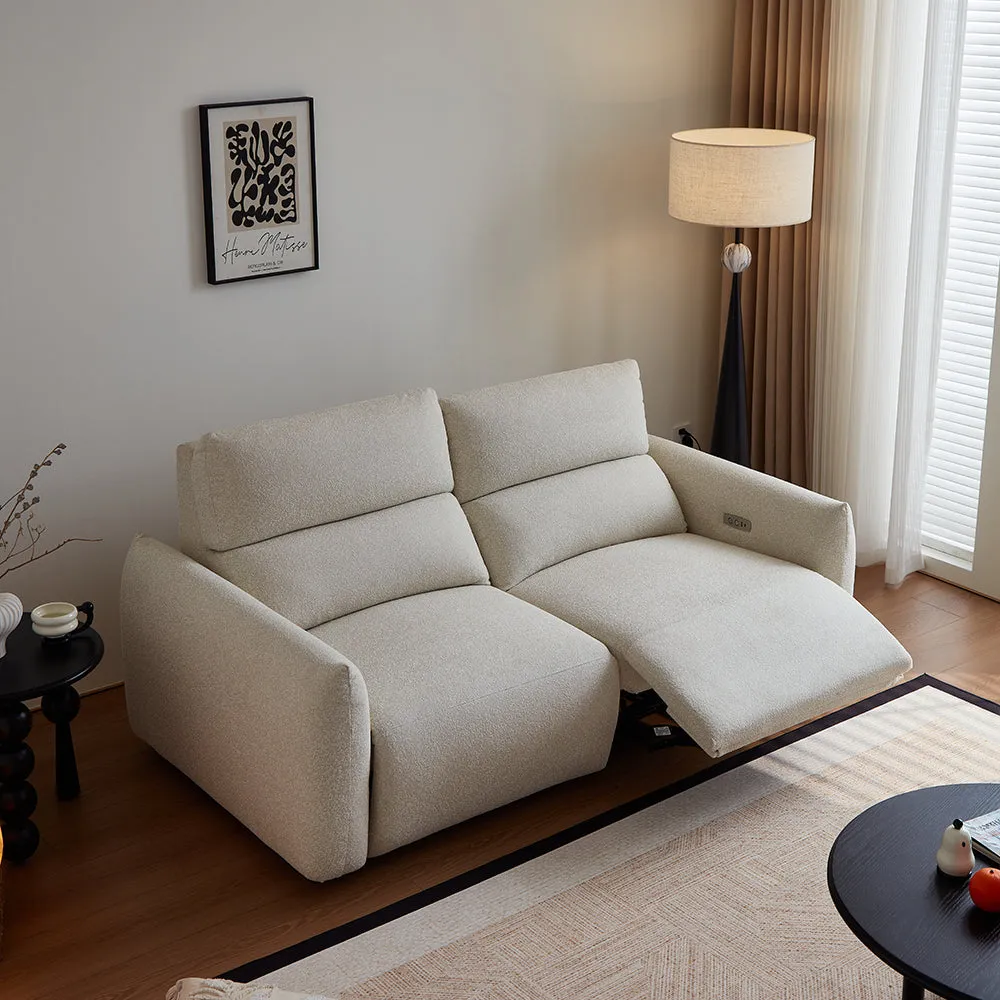
Fabric power reclining sofas are popular with families and casual living spaces because they feel soft, warm, and inviting. If you want your reclining sofa to feel cozy from the first sit, fabric may be the better choice.
Fabric also offers more variety in color, weave, and texture. Whether you prefer light beige, soft gray, warm taupe, charcoal, navy, or textured neutrals, fabric gives you more freedom to match your sofa with rugs, curtains, coffee tables, accent chairs, and other living room pieces.
Pros of Fabric Power Reclining Sofas
The biggest advantage of fabric is comfort. Fabric usually feels softer and warmer than leather, which makes it ideal for long lounging sessions, reading, watching TV, or taking a nap.
Fabric is also more breathable and less temperature-sensitive. It does not feel as cold in winter or as sticky in warm weather, making it comfortable in many climates and seasons.
Another advantage is style flexibility. Fabric can create a relaxed, cozy, and family-friendly feeling. It works especially well in Scandinavian, farmhouse, transitional, casual modern, and soft contemporary interiors.
Fabric power reclining sofas can also be more affordable than leather options. While premium performance fabrics may cost more, many fabric reclining sofas offer a good balance of comfort, style, and value.
For homes with kids or pets, performance fabric can be a smart choice. Many modern upholstery fabrics are designed to resist stains, wear, and daily use better than traditional fabrics.
Cons of Fabric Power Reclining Sofas
The main drawback of fabric is that it can absorb spills, stains, and odors more easily than leather. If liquid is not cleaned quickly, it may sink into the fibers and leave a mark.
Fabric can also collect dust, lint, crumbs, and pet hair. This means it usually requires more regular vacuuming than leather.
Depending on the fabric quality, some materials may pill, fade, or flatten over time. High-use seats may show wear more quickly, especially if the sofa is used daily by multiple people.
Cleaning can also be more complicated. Some fabric sofas require specific cleaning methods, so it is important to check the care instructions before using water, soap, or upholstery cleaner.
Leather vs Fabric: Comfort
When it comes to comfort, fabric usually feels softer and warmer, while leather feels smoother and more structured.
Choose fabric if you like a cozy, relaxed sofa that feels comfortable immediately. Fabric is especially suitable for people who like to curl up, use blankets, or spend long hours lounging.
Choose leather if you prefer a sleek, supportive surface and a cleaner feel. Leather can feel firmer at first, but high-quality leather may soften over time.
For everyday family lounging, fabric often feels more inviting. For a polished media room or modern living room, leather may deliver a more elevated experience.
Leather vs Fabric: Cleaning and Maintenance
Leather is generally easier for quick cleanup. Spills can often be wiped away before they soak in, and pet hair does not cling as strongly to the surface. However, leather still needs proper care, including gentle cleaning and occasional conditioning.
Fabric requires more routine cleaning. Regular vacuuming helps remove dust, crumbs, and pet hair. Spills should be blotted immediately, not rubbed. If the fabric is stain-resistant or performance-grade, maintenance becomes easier, but it still usually requires more attention than leather.
For low-maintenance households, leather may be more convenient. For households that prioritize softness and do not mind regular vacuuming, fabric is still a practical choice.
Leather vs Fabric: Pets and Kids
If you have kids, leather can be easier to wipe clean after spills, snacks, or small messes. It does not absorb liquids as quickly as many fabrics, which makes it useful in active family spaces.
If you have pets, the best choice depends on the pet. Leather does not trap pet hair easily, but it can scratch. Fabric may be less likely to show small scratches, but it can hold onto fur, odors, and stains.
For dogs, leather can work well if their nails are trimmed and they are not rough on furniture. For cats, tightly woven fabric may be safer than leather because claws can leave visible marks on smooth leather surfaces.
If you choose fabric for a pet-friendly home, look for durable, tightly woven, easy-clean upholstery. If you choose leather, consider protected leather or leather alternatives designed for everyday use.
Leather vs Fabric: Style
Leather power reclining sofas create a more sophisticated, bold, and modern look. A black or gray leather reclining sofa can work well in a media room, while a brown or cognac leather sofa can bring warmth and classic character to a living room.
Fabric power reclining sofas create a softer and more approachable look. They are ideal for cozy family rooms, neutral living rooms, apartments, and relaxed open spaces. Fabric also makes it easier to introduce texture, warmth, and subtle color into your interior design.
If you want your sofa to feel sleek and premium, choose leather. If you want your room to feel warm and welcoming, choose fabric.
Leather vs Fabric: Durability
Durability depends on more than just material. Frame construction, reclining mechanism quality, cushion density, stitching, and upholstery grade all matter.
A high-quality leather power reclining sofa can last for many years with proper care. However, lower-quality faux leather may peel or crack over time.
A high-quality fabric power reclining sofa can also be durable, especially if it uses performance fabric or tightly woven upholstery. Lower-quality fabric may pill, fade, or show wear sooner in high-contact areas.
Before buying, always check product details such as upholstery type, frame material, reclining mechanism, seat support, and warranty.
Which One Is Better for Small Spaces?
Both leather and fabric power reclining sofas can work in small spaces, but the design matters.
Leather often has a cleaner visual surface, which can make the sofa appear more streamlined. Fabric, especially in light neutral colors, can make a room feel softer and more open.
For small living rooms, apartments, or condos, focus on the sofa’s overall dimensions, seat depth, arm width, and reclining clearance. A wall-hugger power reclining sofa is especially useful because it requires less space behind the sofa to recline.
Which One Should You Choose?
Choose a leather power reclining sofa if you want:
- A sleek, premium appearance
- Easy wipe-clean care
- Better resistance to odors
- A more modern or formal look
- A smooth and structured seating feel
Choose a fabric power reclining sofa if you want:
- A softer and warmer feel
- More color and texture options
- A cozy family-room look
- Better comfort for long lounging
- More budget flexibility
There is no universal winner. The best power reclining sofa material depends on how you live. If your home is busy, casual, and family-focused, fabric may feel more comfortable. If you want a refined look with easy surface cleaning, leather may be the better investment.