

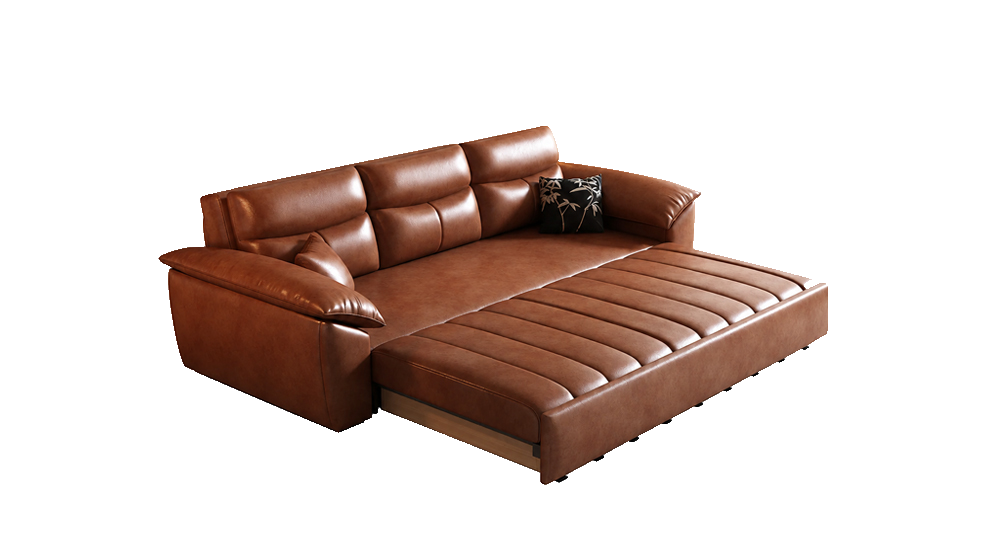
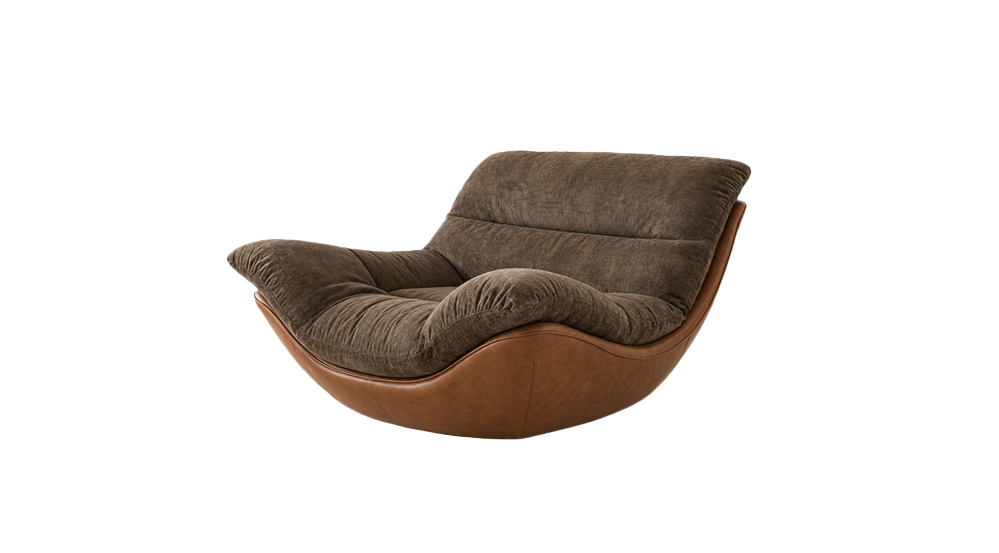
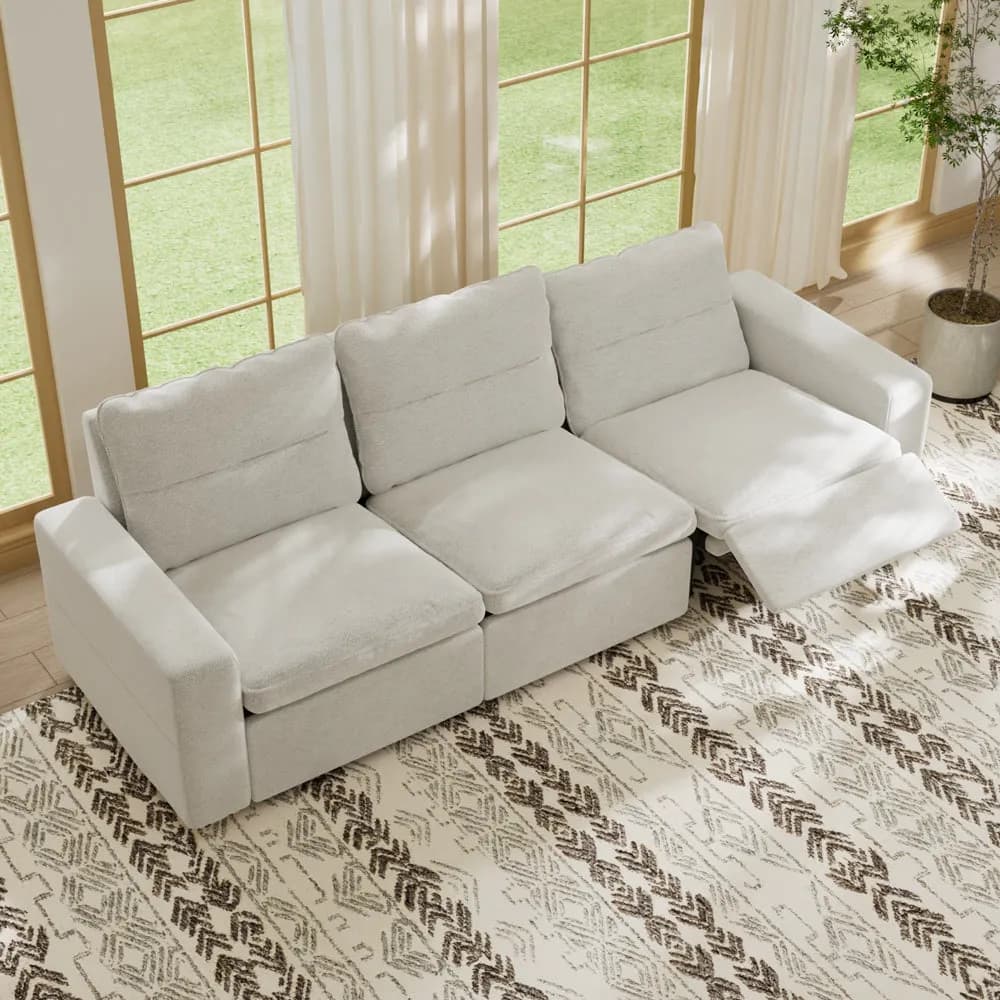
A reclining sofa is designed for comfort. It lets you lean back, raise your legs, watch TV, read, relax, and take a quick nap without moving to the bedroom. But many shoppers wonder: can you actually sleep on a reclining sofa?
The answer is yes, you can sleep on a reclining sofa, especially for short naps or occasional overnight rest. A good reclining sofa can offer more support than a regular sofa because it allows your body to rest in a more adjustable position. With the backrest reclined and the footrest raised, many people find it easier to relax, reduce pressure on the lower body, and fall asleep comfortably.
However, a reclining sofa is not always a complete replacement for a bed. Whether it is comfortable for sleeping depends on the sofa’s design, seat depth, cushioning, reclining angle, lumbar support, upholstery, and how long you plan to sleep on it. It also depends on your personal comfort needs and sleeping habits.
In this guide, we explain when it is okay to sleep on a reclining sofa, what benefits it may offer, what drawbacks to consider, and how to choose the right reclining sofa if you plan to use it for naps or occasional sleep.
Is It Okay to Sleep on a Reclining Sofa?
.webp?w=1000&h=1000)
For many people, sleeping on a reclining sofa occasionally is perfectly fine. If you fall asleep during a movie or take an afternoon nap with your feet up, there is usually no problem as long as you wake up feeling comfortable and supported.
A reclining sofa may even feel better than a standard sofa because it supports your body in a more natural lounging position. Instead of lying awkwardly across seat cushions or bending your neck against the armrest, you can recline the backrest, elevate your legs, and adjust the angle to suit your body.
That said, sleeping on a reclining sofa every night is different from taking occasional naps. A bed is designed to support full-body sleep for several hours at a time. A reclining sofa is designed primarily for sitting, lounging, and relaxing. Some models are comfortable enough for overnight use, but not all reclining sofas provide the same level of sleep support.
If you plan to sleep on a reclining sofa often, it is important to choose one with the right structure, cushioning, and reclining features.
Why Some People Like Sleeping on a Reclining Sofa
Many people naturally fall asleep in a reclined position because it feels relaxing. A reclining sofa can create a comfortable in-between position: not fully sitting, not completely lying flat.
This position may feel especially comfortable for people who do not like lying completely flat or who prefer having their upper body slightly elevated. It can also be useful for people who enjoy resting with their legs raised after a long day.
A reclining sofa is also convenient. You can relax in the living room, watch TV, charge your phone, keep a blanket nearby, and fall asleep without setting up a guest bed. For small homes, apartments, or multipurpose living rooms, this flexibility can be valuable.
Power reclining sofas make this even easier because you can adjust the position with a button. Instead of using body strength to open or close the recliner, you can fine-tune your seat angle smoothly and stop when the position feels right.
Benefits of Sleeping on a Reclining Sofa
1. Adjustable Sleeping Position
One of the biggest advantages of a reclining sofa is adjustability. A standard sofa gives you limited options. You can sit upright, lie sideways, or stretch out if the sofa is long enough. But a reclining sofa lets you control your body angle.
You can slightly recline for reading, raise the footrest for a nap, or lean back further for deeper rest. This flexibility helps you find a position that feels more comfortable than lying flat across a regular couch.
Power reclining sofas are especially useful because they allow smoother and more precise adjustment. Some models also include adjustable headrests or lumbar support, which can make sleeping or resting more comfortable.
2. Better Leg Elevation
Many people enjoy sleeping or napping with their legs raised. A reclining sofa makes this easy because the built-in footrest supports the lower body. This can feel relaxing after standing, walking, or working for long hours.
Compared with placing your feet on a coffee table or ottoman, a reclining footrest is usually more integrated and supportive. It keeps your legs aligned with the seat and helps create a more stable lounging position.
3. Comfortable for Short Naps
A reclining sofa can be excellent for short naps. If you want to rest for 20 minutes, watch a movie, or unwind in the afternoon, a recliner can provide a cozy and convenient spot.
Unlike a bed, a reclining sofa does not require you to leave the living room or fully transition into sleep mode. This makes it ideal for casual rest, weekend relaxation, or movie-night naps.
4. Helpful for Guests in Small Homes
If you live in an apartment, condo, or smaller home without a dedicated guest room, a reclining sofa can provide occasional extra sleeping space. It may not replace a sleeper sofa or guest bed, but it can be useful when someone needs a short-term place to rest.
For this purpose, comfort matters. A wide seat, supportive cushioning, smooth reclining function, and soft upholstery can make the experience much better.
5. Easy to Get In and Out
For some people, getting up from a fully flat bed or low sofa can be difficult. A reclining sofa may feel easier because it allows you to return to a seated position before standing.
Power reclining sofas are especially convenient because you can press a button to bring the seat back upright. This can be helpful for older adults or anyone who prefers a more controlled sitting and standing experience.
Possible Downsides of Sleeping on a Reclining Sofa
Although a reclining sofa can be comfortable, there are some limitations to consider.
1. It May Not Support Full-Body Sleep Like a Bed
A bed supports your entire body in a horizontal position. A reclining sofa supports you in a seated or semi-reclined position. For short naps, this can feel great. For a full night of sleep, some people may find it less supportive.
Depending on the design, the lower back, hips, neck, or shoulders may not receive the same support they would on a mattress. If the seat is too firm, too soft, too narrow, or not deep enough, sleeping for several hours may become uncomfortable.
2. Limited Movement
When you sleep in a bed, you can turn, stretch, and change positions easily. On a reclining sofa, your movement is more limited. You are usually resting in one forward-facing position.
This can be fine for naps, but it may not suit side sleepers, stomach sleepers, or people who move a lot during sleep.
3. Gaps Between Seats
If you are sleeping on a multi-seat reclining sofa, gaps between cushions can affect comfort. Some reclining sofas have separate seats with individual mechanisms, which may create seams or spaces that are noticeable if you try to lie across the sofa.
If your goal is sleeping, it is usually better to recline one seat and rest in that position rather than lying sideways across multiple reclining seats.
4. Not All Reclining Sofas Recline Far Enough
Some reclining sofas only recline slightly, while others offer deeper reclining angles. If you want to sleep on your reclining sofa, the recline range matters.
A shallow recline may be fine for watching TV but not comfortable enough for sleep. A deeper recline with a raised footrest and supportive headrest can make naps or overnight rest much more comfortable.
5. Power Access May Be Needed
If you choose a power reclining sofa, it usually needs to be plugged into an outlet. This is not a problem for most living rooms, but it does affect placement. You should make sure the sofa can be positioned near power without creating visible cords or tripping hazards.
Some power reclining sofas may offer battery pack options, but availability depends on the model.
Can a Power Reclining Sofa Replace a Bed?
For most people, a power reclining sofa should not be considered a complete replacement for a bed. A mattress is designed for full-night sleep, body alignment, and different sleeping positions. A reclining sofa is designed mainly for sitting, lounging, and occasional rest.
However, a power reclining sofa can be a useful sleeping option in certain situations. It may work well for naps, occasional overnight guests, movie-night sleep, or people who prefer resting with their upper body elevated.
If you plan to sleep on a reclining sofa regularly, choose a high-quality model with strong support and comfortable cushioning. You may also want to use a soft blanket, small pillow, or lumbar cushion to improve comfort.
Is Sleeping on a Reclining Sofa Better Than a Regular Sofa?
In many cases, yes. A reclining sofa is usually better for sleep than a regular sofa because it gives you more control over your position.
On a regular sofa, you may end up lying sideways with your neck bent against the armrest or your legs hanging off the edge. This can cause discomfort, especially if the sofa is not long enough.
A reclining sofa allows you to rest in a more balanced position. Your back, head, and legs can be supported at the same time. This makes it a better choice for naps and casual sleep.
A power reclining sofa can be even more comfortable because it allows you to adjust the angle gradually instead of being limited to fixed positions.
Who May Benefit Most from Sleeping on a Reclining Sofa?
A reclining sofa may be especially useful for people who enjoy naps in the living room, often fall asleep while watching TV, or prefer resting with their legs elevated.
It may also be helpful for older adults who want a seat that is easier to adjust and easier to get out of than a deep, low sofa. Power reclining functions can make this process smoother and more comfortable.
People in small spaces may also benefit. If your home does not have a guest room, a reclining sofa can add flexibility for occasional overnight rest.
However, if you are a side sleeper, stomach sleeper, or someone who needs a flat sleeping surface, a reclining sofa may not be the best long-term sleep solution.
What to Look for in a Reclining Sofa for Sleeping
If you want a reclining sofa that is comfortable enough for naps or occasional sleep, look beyond appearance. The right design details make a big difference.
1. Deep Reclining Angle
Choose a sofa that reclines far enough for true relaxation. A deeper reclining angle gives your body more room to rest and makes the sofa feel closer to a lounge chair.
2. Supportive Cushioning
The cushions should feel comfortable but not too soft. If the seat sinks too much, your body may not feel supported during longer rest. A balanced medium-firm cushion is often a good choice.
3. Adjustable Headrest
An adjustable headrest is useful for sleeping because it supports your neck and head. This is especially important if you nap while watching TV or reading.
4. Smooth Power Reclining
Power reclining allows you to adjust the sofa without effort. This is helpful when you are already tired or want to change positions without getting up.
5. Wide Seat Design
A wider seat gives you more room to shift slightly and find a comfortable position. If the seat is too narrow, sleeping may feel restrictive.
6. Soft but Durable Upholstery
Fabric upholstery can feel warmer and cozier for naps, while leather or leather-like upholstery can be easier to clean. If you plan to sleep on the sofa often, choose a material that feels comfortable against your skin and is easy to maintain.
7. Wall-Hugger Function for Small Spaces
If your room is small, look for a wall-hugger reclining sofa. It allows the sofa to recline with less clearance behind it, making it more practical for apartments and compact living rooms.
Tips for Sleeping More Comfortably on a Reclining Sofa
To make sleeping on a reclining sofa more comfortable, start by adjusting the sofa slowly until your back, legs, and neck feel supported. Avoid reclining at an awkward angle that places pressure on your lower back or neck.
Use a small pillow or cushion if your head or lower back needs extra support. A soft blanket can also make the sofa feel more bed-like and cozy.
Try to keep your body aligned. Your knees, hips, back, and neck should feel relaxed rather than twisted. If you wake up stiff or sore, the sofa may not be the right sleep surface for long periods.
For overnight use, make sure the area around the sofa is clear. Keep cords, coffee tables, and other furniture positioned safely so it is easy to get up during the night.
So, Can You Sleep on a Reclining Sofa?
Yes, you can sleep on a reclining sofa, especially for naps, movie nights, occasional overnight rest, or short-term guest use. A reclining sofa can be more comfortable than a standard sofa because it supports your back and legs in an adjustable position.
However, it is not always a full replacement for a bed. If you need long-term nightly sleep support, a mattress is usually the better choice. But if you want a sofa that makes relaxing, napping, and occasional sleep more comfortable, a power reclining sofa can be a smart investment.
The key is choosing the right model. Look for deep reclining, supportive cushions, adjustable headrests, smooth power controls, and upholstery that feels comfortable for extended rest.
Final Thoughts
A reclining sofa can be one of the most comfortable pieces of furniture in your home. It gives you the flexibility to sit upright, lounge with your feet up, recline for a nap, or relax during a long movie night.
If you often fall asleep on the sofa or want a better place for casual rest, a power reclining sofa may be worth considering. It offers more adjustability than a regular sofa and more convenience than a manual recliner.
Before buying, think about how you plan to use it. For occasional naps and relaxed evenings, a reclining sofa can be an excellent choice. For nightly sleep, it should be viewed as a supplement to a proper bed rather than a complete replacement.